



Edwardian Pin Cushion
An edwardian pin cushion offers a glimpse into domestic novelty through miniature silver animals, boots and vehicles.
Edwardian Pin Cushion
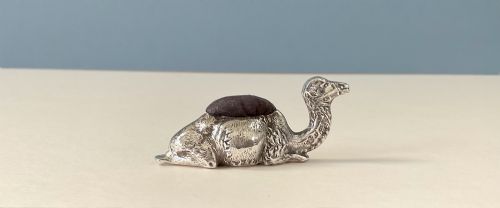
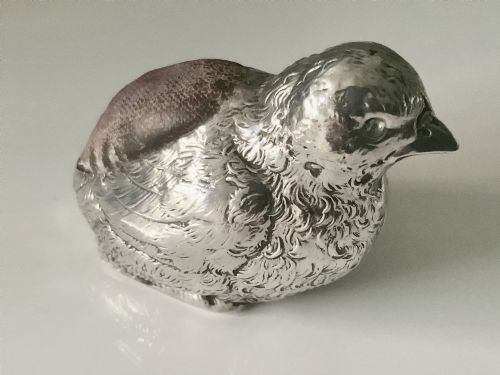
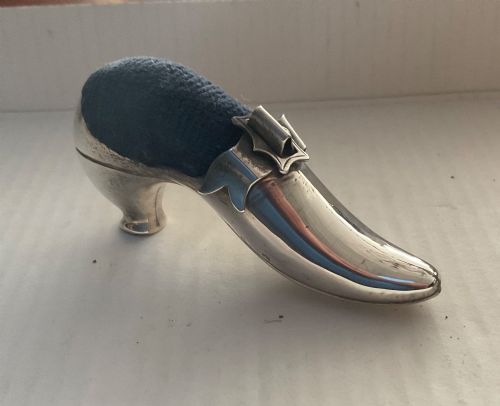
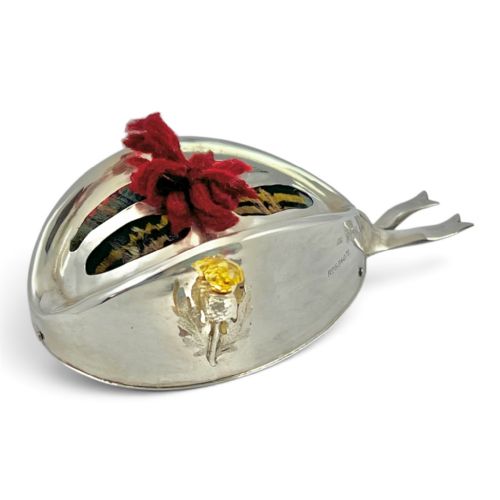
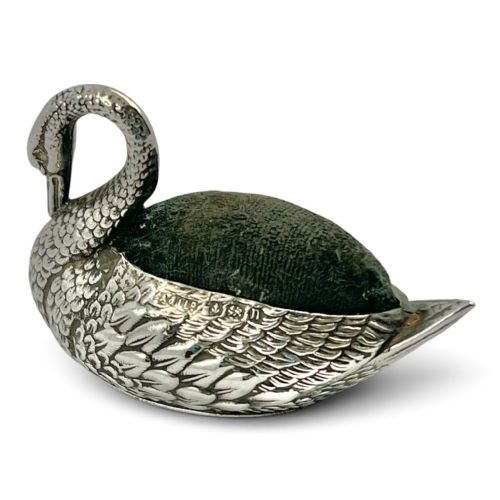
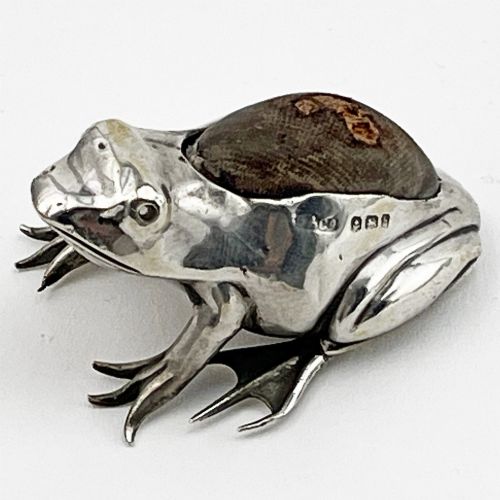
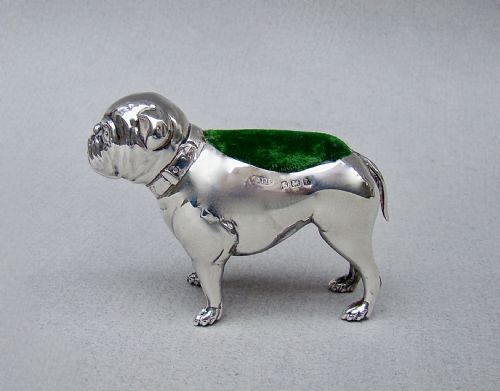
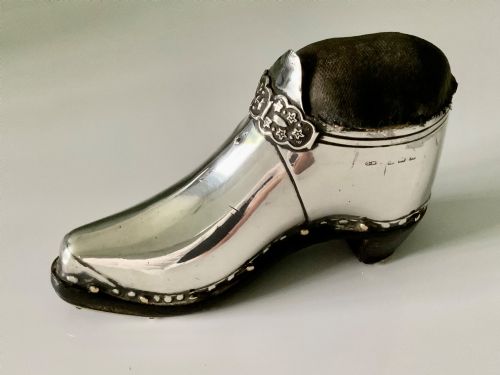
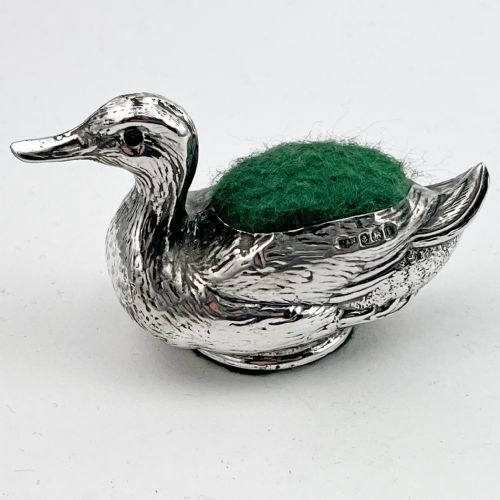
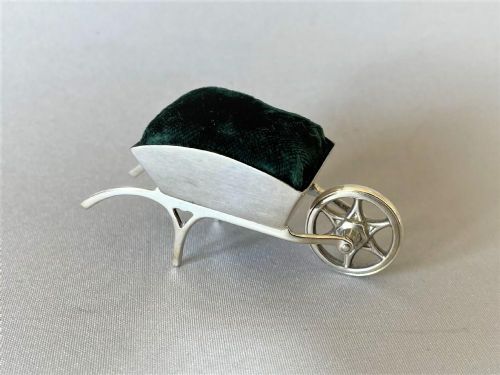
An edwardian pin cushion sits upon the dressing table as a small accessory designed to hold pins and needles securely. The pieces seen most frequently take whimsical novelty shapes, modelled as birds, animals, shoes and everyday objects.
Makers produced these dressing table accessories across the Edwardian period and neighbouring decades, drawing upon Victorian novelty traditions. Animals range from domestic dogs and pigs to exotic camels, frogs and elephants.
The functional interior holds pins safely within a fitted textile pad. Collectors encounter these silver miniatures as both decorative desk items and wearable hat pin stands.
Silverwork and Textile Materials
Silversmiths constructed the outer bodies utilising sterling silver, often shaped through stamping and casting before receiving detailed hand-chasing. Hallmarks stamped into the metal record the assay office, date letter and maker.
Makers fitted the interior cavities with fabric inserts to receive pins. Velvet, felt, wool and silk provide the soft textured cushion surfaces framed by the metal work.
A tiny silver policeman stands ready to direct traffic from the dressing table.
Evaluating Silver Novelties
The relationship between the silver mount and the internal fabric insert matters significantly. Well-preserved textiles and fully intact silver enclosures distinguish superior examples from heavily worn pieces.
Adie & Lovekin·Sampson Mordan & Co·Levi & Salaman·Sydney & Co·The Boots Company·Artificer's Guild
The Edwardian Pin Cushion Glossary
- Novelty
- An object shaped into an amusing or unusual form rather than a standard geometric design. These pieces mimic animals, vehicles and clothing items.
- Hallmark
- A set of official marks stamped onto precious metal items to guarantee the silver standard, assay office and year of manufacture. British pieces typically show a lion passant and an anchor, leopard's head or other town mark.
- Assay Office
- The corporation responsible for testing precious metals and stamping hallmarks. Birmingham, Chester and Sheffield feature prominently in these records.
- Hat Pin Stand
- A taller upright holder designed specifically to store long hat pins for Edwardian millinery. These utilise weighted silver bases and internal padding.
Edwardian Pin Cushion: Frequently Asked Questions
What were edwardian pin cushions used for?
These small items held common sewing pins and hat pins on dressing tables and desks during daily grooming routines. Women used them to keep pins close at hand when adjusting bonnets, lace and garments.
Over time, they evolved from purely utilitarian sewing tools into decorative desk ornaments and novelty collectibles. Their miniature animal and vehicle shapes provided amusement in addition to domestic utility.
How can I tell an edwardian piece from a victorian one?
Dating relies primarily upon the hallmarks stamped directly into the sterling silver mounts. Assay office date letters provide the exact year the metal was tested and certified.
Stylistic shifts also offer clues, as Edwardian silversmiths favoured lively birds, domestic animals and novelty transport forms. Examining the registration marks alongside the maker's stamp clarifies the period of manufacture.
Which animal shapes are most common?
Pigs, chicks, ducks and hedgehogs appear frequently across the surviving inventory records. Silversmiths also modelled less common creatures including frogs, elephants, camels and owls.
Birds like swans and fledgling chicks represent a significant portion of the avian designs. Domestic footwear such as boots, shoes and clogs complete the common animal and object categories.
How do I care for the velvet and fabric pads?
Textile inserts require protection from moisture and direct sunlight to prevent fading and fibre degradation. Keeping the interior dry preserves the original fabric structure.
Cleaning should focus solely on the exterior sterling silver using appropriate silver polish while avoiding the fabric altogether. Gentle dusting maintains the velvet pad without introducing liquid cleaners to the antique stuffing.