




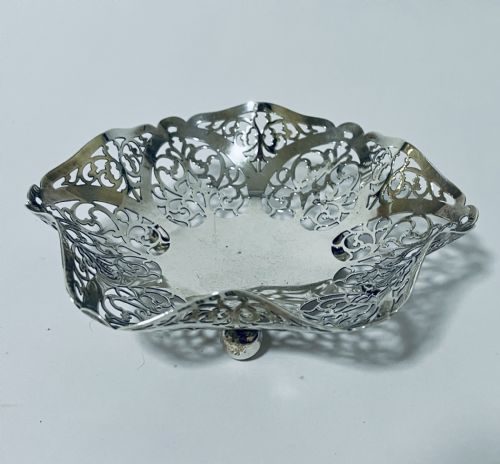
Edwardian Pierced Dish
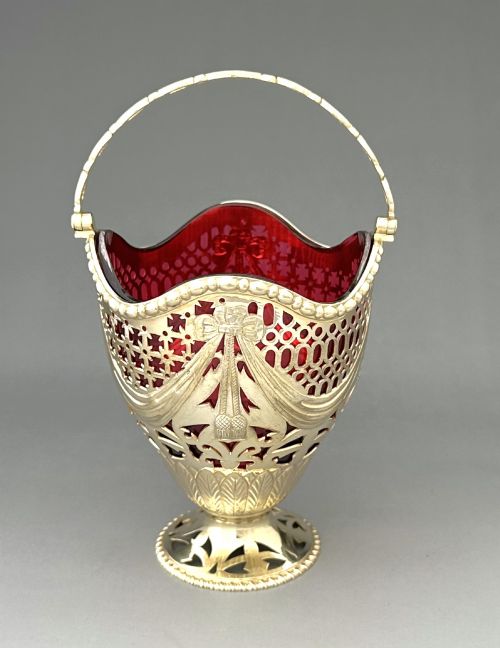
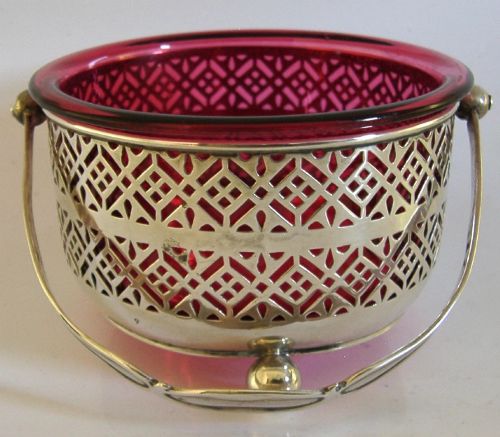
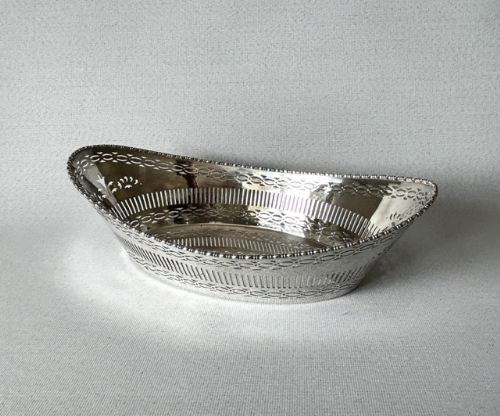
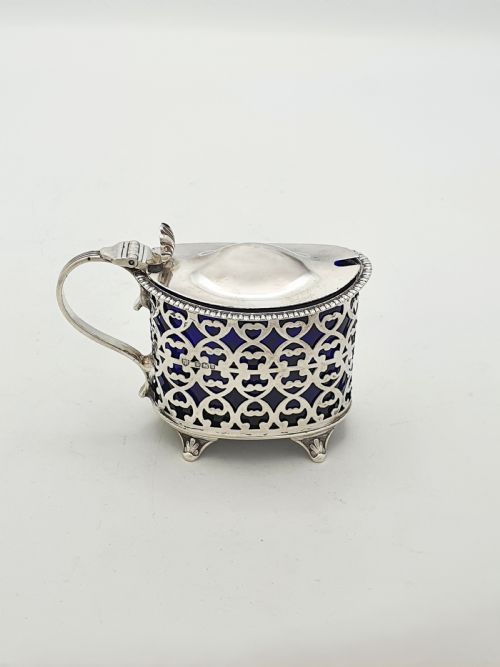
These edwardian pierced dish examples combine openwork metal or porcelain with coloured glass liners, offering a functional centrepiece for the table.
Edwardian Pierced Dish
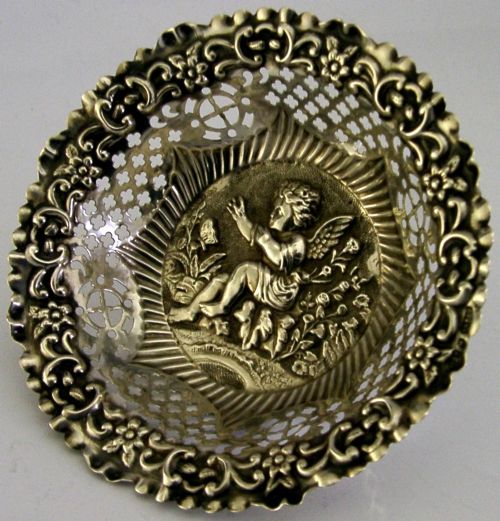
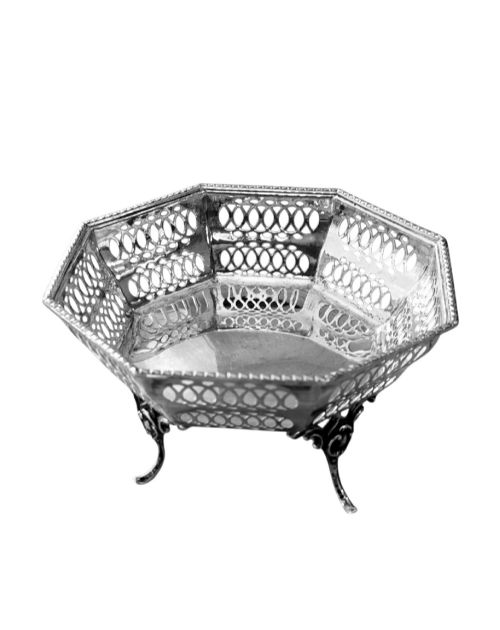
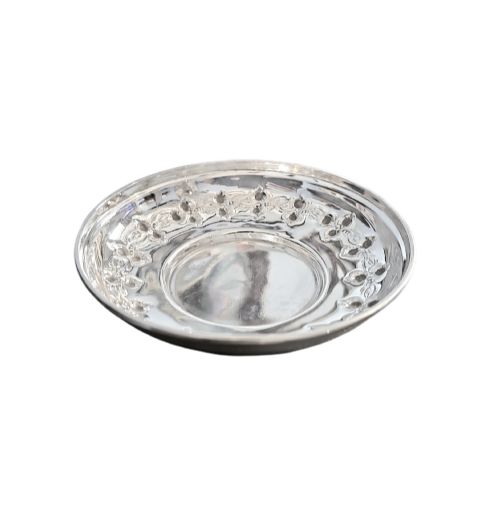
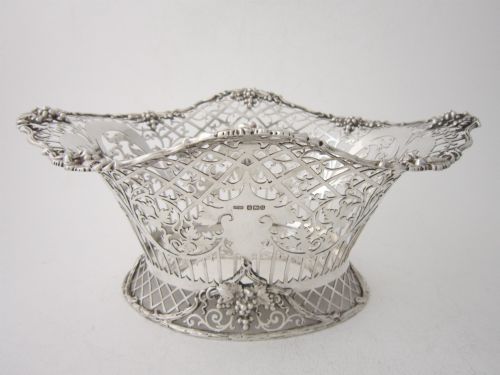
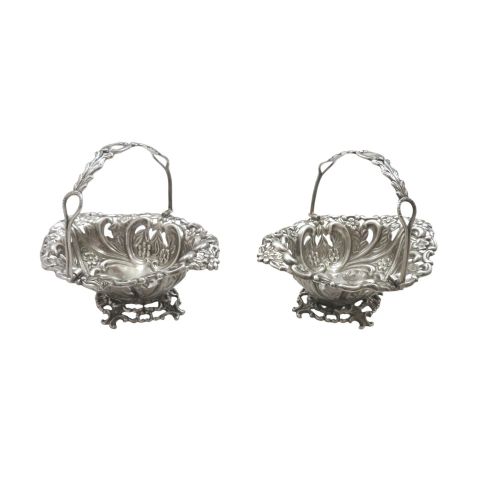
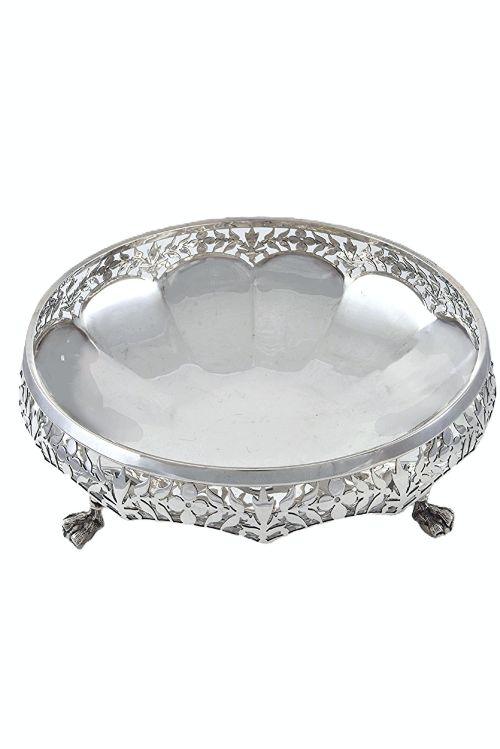
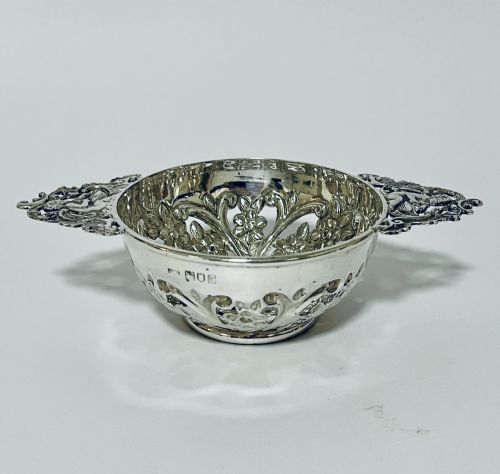
An edwardian pierced dish encompasses decorative baskets, sugar baskets, bonbon dishes, and serving dishes shaped during the early twentieth century. The forms range from swing-handled fruit baskets to small pin dishes and pedestal bowls.
Most pieces date from the Edwardian period and the surrounding decades of the late nineteenth and early twentieth centuries. Makers utilised traditional tableware configurations, applying openwork galleries and lattice details to sterling silver, silver plate, and porcelain.
Materials and Technique
Silversmiths and ceramicists combined solid sterling silver, silver plate, and porcelain with contrasting glass liners in cranberry, cobalt, and ruby. Piercing, lattice work, and engraved brass created open galleries across the metal bodies.
Factories applied gold leaf, enamel, and applied porcelain roses alongside hallmarked silver frameworks. Swing handles, reeded mounts, and footed pedestals secured the glass inserts within the pierced structures.
Edwardian Pierced Dish Retail Price Guide 2026
Typical asking prices for edwardian pierced dish among the pieces listed under this phrase on Sellingantiques today, from the lower quarter to the upper quarter. They describe what is for sale here now, not the wider market.
Quality and Execution
The refinement of the piercing work distinguishes standard production from finer examples. Crisp edges along the lattice openings and balanced proportions in the handles indicate higher workshop standards.
The presence of undamaged coloured glass liners and clear town hall-marks contributes to the integrity of the piece. Substantial metal weight and detailed repoussé or engraved motifs separate superior vessels from lighter utilitarian items.
Synyer & Beddoes·Thomas Bradbury & Sons·William Comyns·Mappin & Webb·Elkington·Walker & Hall·Schierholz Plaue·Royal Worcester
The Edwardian Pierced Dish Glossary
- Pierced dish
- A tableware vessel featuring cut-out openwork patterns in metal or ceramic. This technique lightens the visual weight of the object while displaying coloured glass liners beneath.
- Bonbon dish
- A small open vessel designed to hold sweets or confectionery. These items often stand on small feet or feature swing handles.
- Silver plate
- A base metal coated with a thin layer of silver. This technique provided an accessible alternative to solid sterling silver tableware.
- Quaich
- A traditional two-handled drinking vessel. Examples appear in solid silver with shallow bowls.
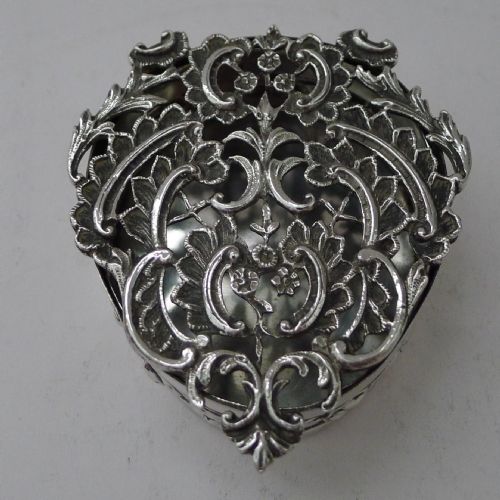
- Pot pourri box
- A small lidded container pierced to allow scent to escape from dried petals. These vessels often incorporate internal liners.
- Imari
- A decorative pattern style featuring underglaze blue and iron red with gilding. This palette appears on porcelain serving dishes.
Edwardian Pierced Dish: Frequently Asked Questions
What were pierced dishes used for?
These vessels held fruit, bread, sugar, bonbons, or butter on the dining table. Some held glass liners for condiments or pot pourri.
Larger baskets functioned as centrepieces, while smaller dishes served pin or trinket functions in the home.
How should I clean silver and glass?
Wash glass liners in warm soapy water and dry them thoroughly before replacing them in the metal frame. Avoid harsh abrasives on silver surfaces to preserve the original polish.
Use a soft cloth for regular dusting of pierced galleries where dust settles.
Why do some dishes have coloured glass?
Cranberry, cobalt, and ruby glass liners provided a striking colour contrast against the pierced silver or plated metal. The glass protected the metal from acidic food substances.
Removable liners also made cleaning easier after serving fruit or moist foods.