


Edwardian Photo Pendant Gold
These edwardian photo pendant gold pieces hold miniature portraits close, combining period craftsmanship with intimate keepsake design.
Edwardian Photo Pendant Gold
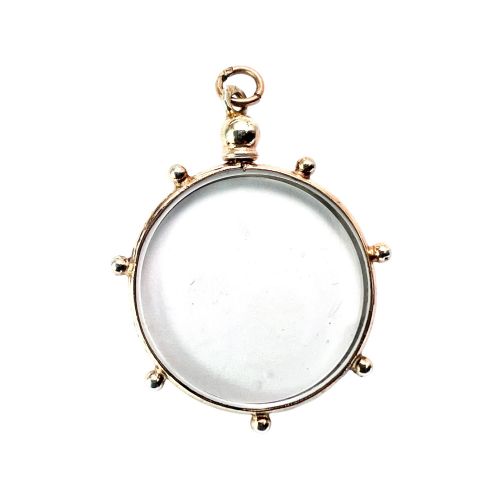
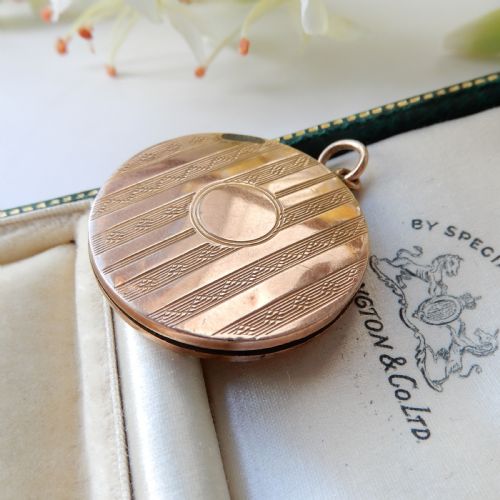
When searching for an edwardian photo pendant gold piece, you are looking at hinged or glass-fronted holders designed to carry miniature portraits, photographs or hair memorials. The evidence shows these pieces appear predominantly in Edwardian and Victorian styles, taking forms such as heart lockets, round pendants and book-style picture holders. You will most frequently meet 9ct and 18ct gold versions, often featuring ornate engravings, glass fronts or gemstone settings.
The selection ranges from delicate puffed hearts to oversized statement lockets, reflecting the diverse decorative tastes of the early twentieth and late nineteenth centuries. Alongside pieces explicitly dated to the Edwardian period, the listings include items from the Victorian era up to the mid-twentieth century, showcasing how portrait holders evolved in scale and ornamentation while retaining their core purpose.
Materials and construction
The construction relies heavily on yellow and rose gold, ranging from 9ct and 15ct to 18ct alloys, alongside gold back-and-front configurations and rolled gold. Artisans incorporated glass panels, hinged frames and screw mechanisms to secure photographs safely inside the compartments.
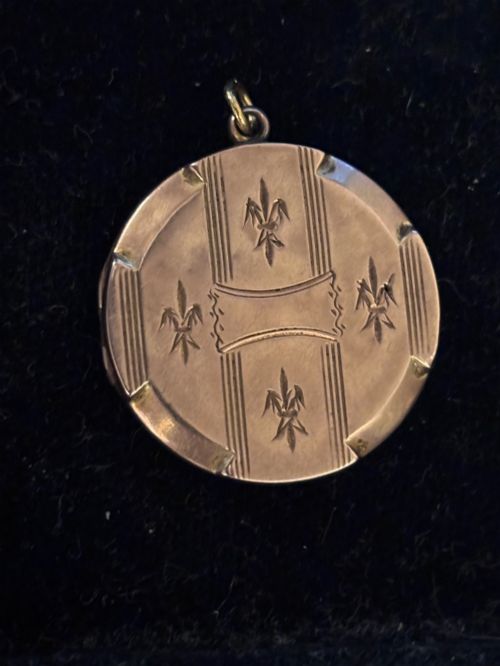
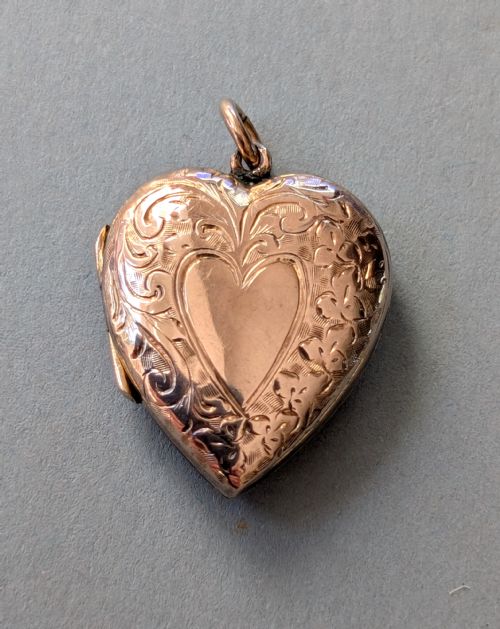
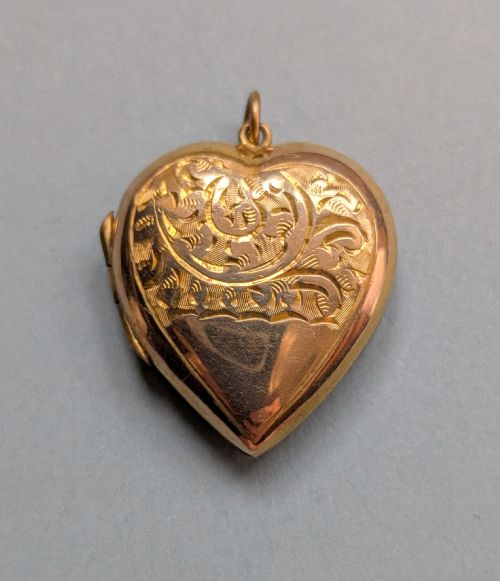
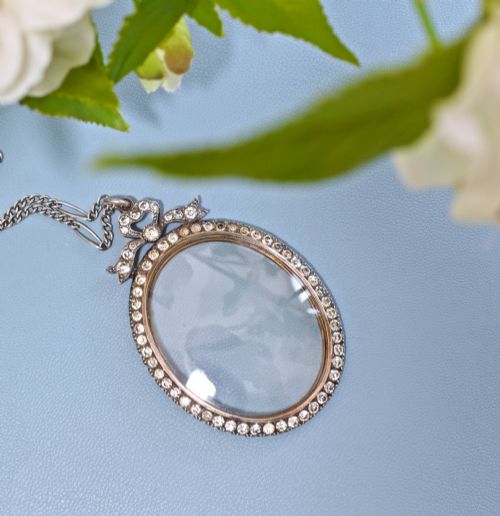
Surface decoration frequently involves detailed hand engraving, such as floral motifs, swallow birds and sunburst patterns. Gemstones including diamonds, sapphires, rubies, emeralds and paste stones are flush-set or mounted in bezels to accent the gold frameworks.
Swallow birds and floral basket engravings flutter across the gold surfaces, immortalising Victorian garden romance in miniature metalwork.
Factors of quality
Quality in these pieces is dictated by the weight and purity of the gold, alongside the complexity of the hand engraving and structural joinery. Finer examples display crisp, deep chasing on the metal and secure, flush-fitting hinges that keep the photo compartments tightly sealed.
The presence of high-grade gemstones like old-cut diamonds or natural sapphires elevates a piece above standard engraved models. Superior construction is further demonstrated by well-fitted glass crystals and intact interior framing designed to hold multiple photographs.
The Edwardian Photo Pendant Gold Glossary
- Locket
- A small ornamental pendant that opens to reveal a space for a photograph or keepsake. These hinged cases were popular for holding portraits of loved ones.
- Puff heart
- A swollen, three-dimensional heart-shaped pendant form. This puffy contour provides internal depth for holding a small photograph or memento.
- Back and front
- A construction method where the exterior shell is made of solid gold while the interior lining uses a base metal. This technique offered the appearance and wear of solid gold at a lighter weight.
- Paste
- Hand-cut lead glass used to imitate gemstones. Artisans faceted and foiled paste stones to catch the light in antique jewellery.
- Belle Epoque
- A period of refined decorative arts spanning the late nineteenth and early twentieth centuries. Pieces from this era often feature delicate platinum or high-karat gold work set with fine diamonds and sapphires.
- Glass top
- A design featuring a transparent crystal face that displays the photograph directly without opening the pendant. This style protects the portrait while keeping it constantly visible.
Edwardian Photo Pendant Gold: Frequently Asked Questions
What is an edwardian photo pendant gold piece?
It is a hinged or glass-fronted golden locket designed to hold miniature photographs or portraits near the heart.
These items combine decorative metalwork with personal memory, serving as wearable frames for family likenesses.
How do you open an edwardian photo pendant?
Many feature a side hinge or a small thumbnail notch that releases the spring or snap closure safely.
Glass-topped and screw varieties may require unscrewing the bezel ring to access the internal photograph compartment.
Can you put modern photos inside these lockets?
Yes, though you generally need to trim standard prints by hand to fit the specific oval, round or heart-shaped inner dimensions.
Original paper portraits or thin card photographs from the period often provide a useful template for cutting new images.
What is the difference between gold and gold back and front?
Solid gold pieces consist of the same precious metal alloy throughout their entire structure and casing.
Gold back and front items use solid gold for the main exterior display surfaces while utilising base metals internally for support and structure.
How do you clean an antique gold locket?
Use a soft, dry microfibre cloth to gently polish the exterior metal surface and remove everyday oils.
Avoid submerging glass-fronted or photograph-containing pieces in water to protect the internal paper and historic glue joints.