





Gold Glass Locket
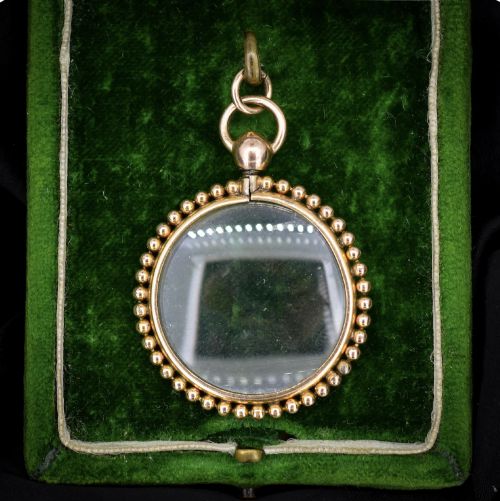
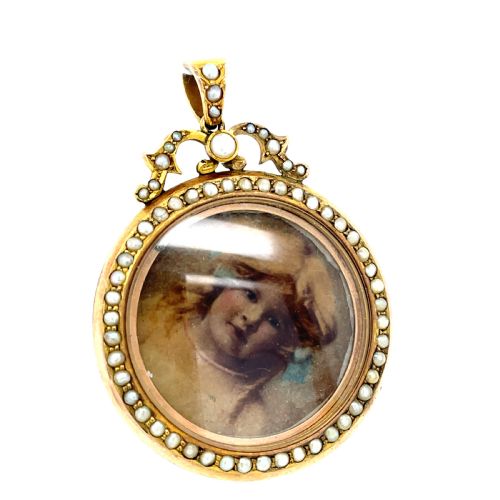
A gold glass locket holds a miniature photograph, lock of hair or keepsake behind a clear glazed face, carrying personal history in precious metal.
Gold Glass Locket
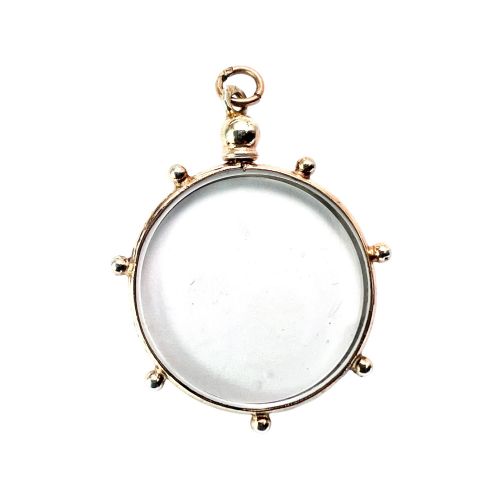
A gold glass locket combines precious metal frames with transparent glazed fronts or backs, designed to display portraits or sentimental tokens. When you search for a gold glass locket, you encounter wearable keepsakes primarily spanning the Georgian, Victorian, and Edwardian periods.
The format ranges from simple round and oval photograph frames to intricate shaker designs holding loose seed pearls. Many examples function as pendants, while others double as brooches, bangles or watch fobs.
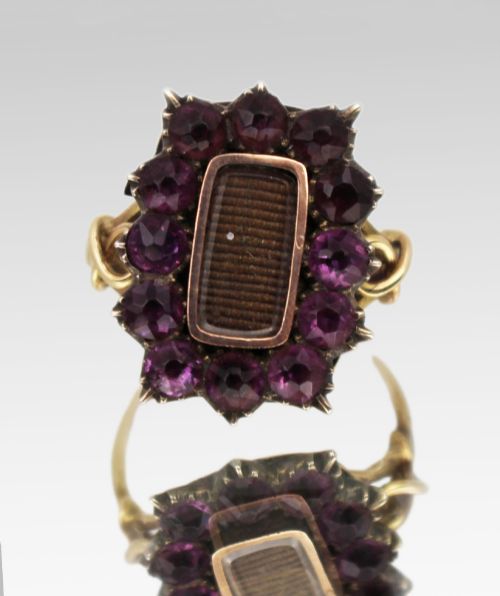
Mourning and memorial pieces frequently utilise glass panels to protect delicate hair work or miniature paintings. These items reflect personal devotion and keepsake traditions across the nineteenth and early twentieth centuries.
How they were made
Craftsmen built these lockets using 9ct and 18ct gold, often combining gold with silver or rolled gold elements. The metal was stamped, cast or hand-formed into ornate frames designed to secure thin glass crystals over photographs or woven hair.
Glazing required precise bezel settings or screw-in frames to keep the delicate glass secure against the metal body. Additional ornamentation relied on paste stones, seed pearls, enamel work and hand engraving.
Gold Glass Locket Retail Price Guide 2026
Typical asking prices for gold glass locket among the pieces listed under this phrase on Sellingantiques today, from the lower quarter to the upper quarter. They describe what is for sale here now, not the wider market.
Some lockets feature tiny rattling seed pearls that dance behind glass every time you take a breath.
What varies in quality
The distinction between standard production and superior craftsmanship lies in the weight of the gold and the precision of the metalwork. Ornate frames featuring detailed chased patterns, hand engraving or delicate enamel demand greater skill than plain stamped mounts.
Internal elements such as secure glass retention bezels, well-fitted hinges and intact original glazed compartments elevate a piece. The integration of secondary materials like seed pearls, garnets or paste stones also distinguishes finer examples.
Murrle Bennett
The Gold Glass Locket Glossary
- Shaker locket
- A double-glazed pendant frame designed to hold loose decorative elements like seed pearls that move freely inside. The transparent faces allow the contents to shift visibly when worn.
- Plique-a-jour
- An enamelling technique where enamel is applied to open cells without a backing, creating a translucent stained-glass effect. Light passes directly through the coloured glass material.
- Paste
- Faceted glass cut and polished to imitate gemstones such as diamonds, garnets or amethysts. It was frequently set into silver and gold frames during the Georgian and Victorian eras.
- Mourning jewellery
- Sentimental pieces created to commemorate a deceased person, often incorporating human hair work, black enamel or glazed portrait compartments. These items served as tangible tokens of remembrance.
- Watch fob
- A short ornament or pendant attached to a pocket watch chain. Many examples were repurposed or originally made to double as locket pendants.
Gold Glass Locket: Frequently Asked Questions
How do I open a glazed locket?
Most pieces open via a small hinge, a snap clasp or a threaded screw bezel around the frame edge. Care must be taken not to apply pressure directly to the fragile glass panels.
Consult the construction style before attempting access, as older bezels can warp if forced.
What is inside a shaker locket?
Shaker pieces typically enclose loose seed pearls or small decorative elements between two transparent glass faces. These items move about freely within the enclosed glazed chamber.
The design allows light to pass through the pendant from both sides.
How do I tell Victorian from Edwardian lockets?
Victorian examples tend to feature heavier yellow gold, ornate picture frames and darker mourning motifs involving hair work or deep enamel. Edwardian pieces often display lighter mounts, sometimes combining silver with gold, alongside bow motifs and delicate openwork.
Maker marks and stylistic cues help narrow down the exact decade of production.
Can I put a modern photo inside?
Original photographs or hair work often remain inside these antique compartments. Modern paper photographs can usually be trimmed to fit the internal aperture if the glass panels open safely.
Avoid using adhesives that might damage the internal fabric or metal surfaces.