






Vintage Picture Locket Pendant
These vintage picture locket pendants hold precious keepsakes close, offering tangible links to the past through delicate gold and silver work.
Vintage Picture Locket Pendant
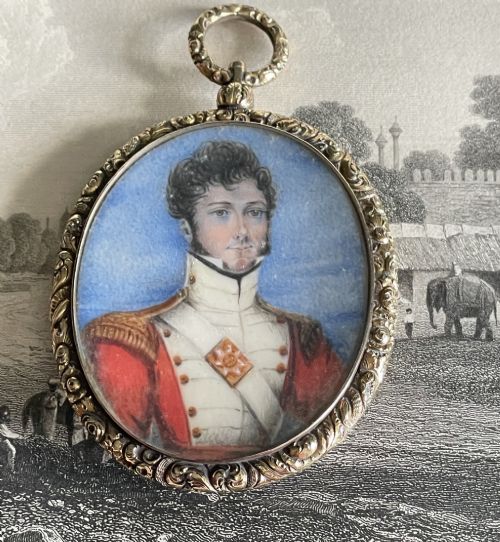
A vintage picture locket pendant combines miniature portraiture or photograph storage with wearable metalwork, designed to suspend from a chain or ribbon. When searching for a vintage picture locket pendant, a buyer encounters pieces spanning the nineteenth and twentieth centuries, originating from British workshops and French ateliers alike.
Materials and construction
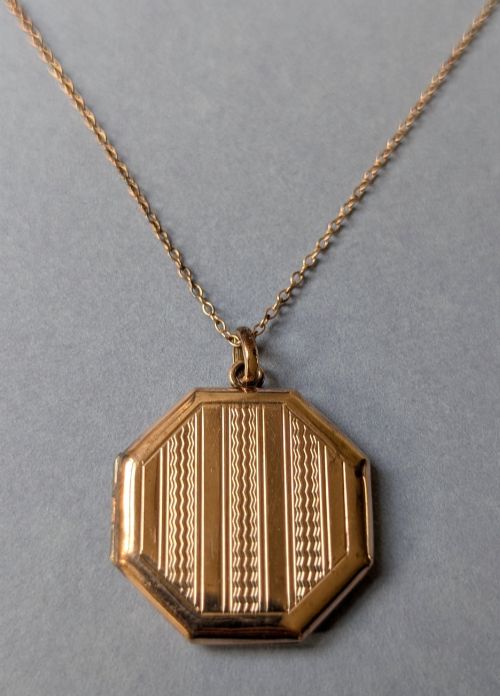
Metals range from solid nine-carat and eighteen-carat yellow gold to sterling silver, rolled gold, and gilt metal. Many Victorian and Edwardian examples utilise back and front construction, applying precious gold sheets over a base metal core for structural strength.
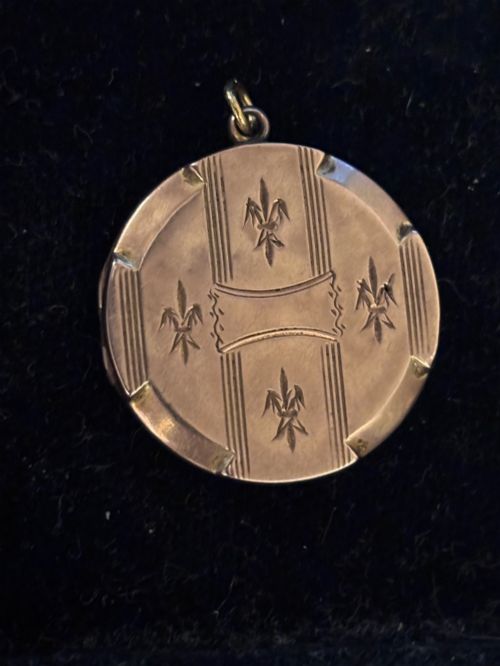
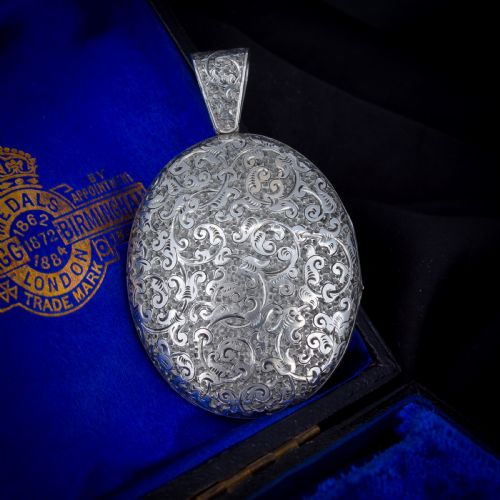
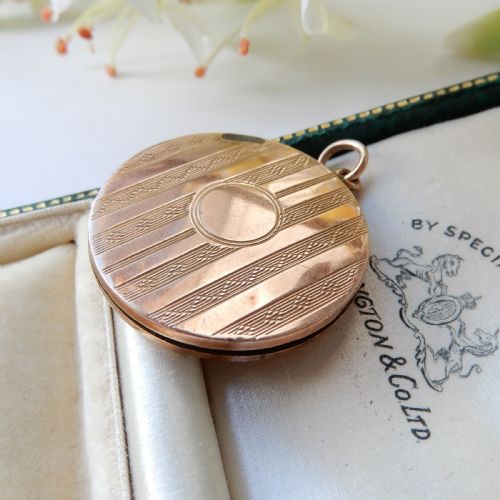
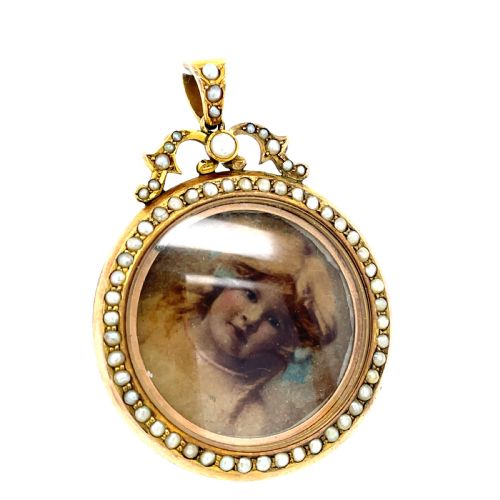
Surface decoration relies on hand engraving, filigree wirework, and bezel-set gemstones such as turquoise, emeralds, and pearls. Faceted glass and miniature portrait paintings frequently protect the interior photographic spaces within French and British pieces.
Vintage Picture Locket Pendant Retail Price Guide 2026
Typical asking prices for vintage picture locket pendant among the pieces listed under this phrase on Sellingantiques today, from the lower quarter to the upper quarter. They describe what is for sale here now, not the wider market.
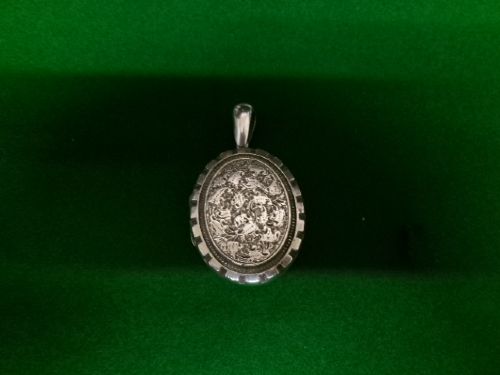
Swallow birds and floral baskets flutter across nineteenth-century engravings, keeping cheerful company with hidden family portraits.
Assessing quality and execution
Quality rests upon the crispness of hand engraving and the structural integrity of the hinge and snap closure. Fine examples display deep relief work, such as engraved swallow birds or floral baskets, executed with clean lines and balanced proportions.
Internal framing also distinguishes the work, with superior pieces retaining original glass covers and bezel rims designed to secure photographs securely. The choice of materials, from heavy eighteen-carat gold to lighter rolled metal, marks the tier of the object.
The Vintage Picture Locket Pendant Glossary
- Back and front
- A method of construction where the outer surfaces are made of solid precious gold while the internal framing uses a base metal. This technique provided the appearance and wear resistance of solid gold at a lighter weight.
- Filigree
- An intricate ornamental work of fine silver or gold wire twisted into open-pitted patterns. It appears frequently in delicate nineteenth-century pieces.
- Portrait miniature
- A small, highly detailed painting on ivory, vellum, or card, often encased within a glass-covered locket frame. These served as personal tokens before the widespread adoption of photography.
- Rolled gold
- A manufacturing process where a sheet of gold is mechanically bonded to a base metal core under heat and pressure. It offers greater durability than simple gold plating.
Vintage Picture Locket Pendant: Frequently Asked Questions
How do I open a vintage locket?
Most lockets rely on a small thumbnail notch or a spring-loaded hinge mechanism. Gentle pressure against the side seam usually releases the cover.
Avoid using sharp metal tools to pry stubborn cases open, as this scratches the precious metal and damages the surrounding bezel.
Can I replace the photographs inside?
Historic photographs can be removed by sliding out the thin glass covers or metal retaining rings. Take care not to bend the delicate internal bezels.
Modern prints can be trimmed to fit the exact interior cavity, allowing the piece to be worn with personal family portraits.
What is back and front gold?
Back and front describes a nineteenth-century manufacturing technique where the front and rear plates are made of solid gold, while interior rims use alternative metals.
This method provided a sturdy housing for photographs while keeping the piece accessible and lightweight for daily wear on a chain.
How do I date a silver locket?
Dating relies on stylistic clues such as floral engravings, filigree work, and the shape of the pendant loop. Edwardian pieces often display lighter openwork, while Victorian examples favour heavier chased designs.
Assay marks and hallmarks stamped inside the casing provide precise confirmation of the metal purity and manufacturing year.