


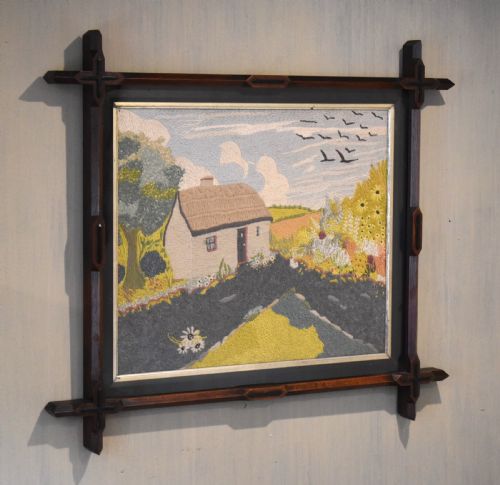
Edwardian Period Wall Art
Edwardian period wall art brings character and historical depth to interiors through authentic oil paintings, framed prints, mirrors, and lighting.
Edwardian Period Wall Art
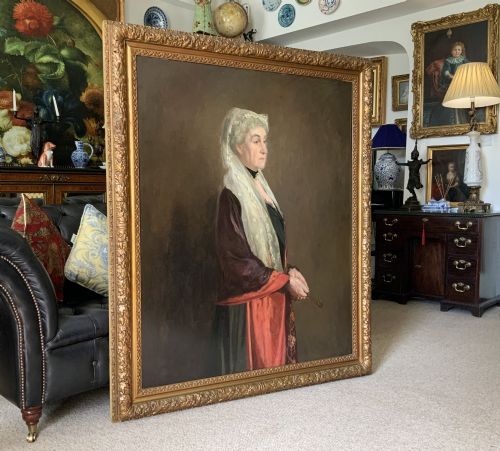
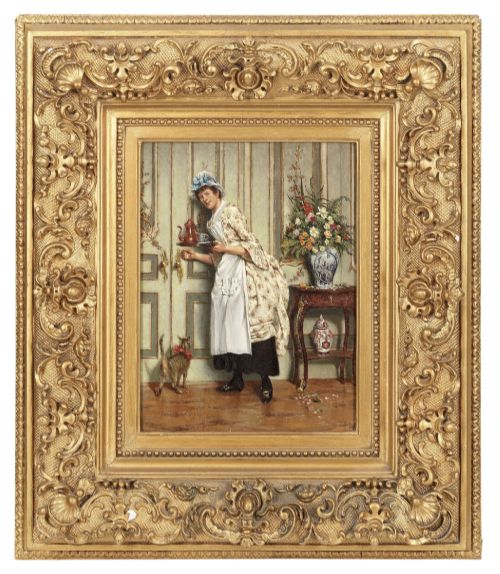
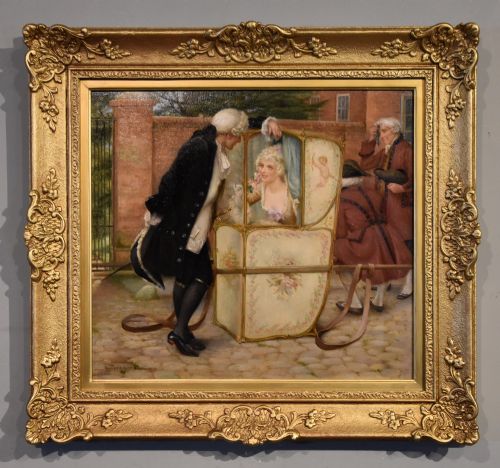
Edwardian period wall art spans figurative oil portraits, detailed watercolours, architectural lighting, and decorative mirrors from the early twentieth century. Buyers encounter a rich mix of academic art, Arts and Crafts designs, and genre paintings depicting domestic scenes and country house interiors.
Oil paintings on canvas and framed prints dominate the selection, often housed in original giltwood or polished wood frames. Smaller decorative elements like brass sconces and copper-framed mirrors also appear, reflecting the broader aesthetic movements of the era.
Materials and construction
Painters utilised oil on canvas and watercolour on paper, frequently supported by traditional wooden stretching frames. Frames often combined carved wood with applied gesso and gilt finishes to create ornate borders.
Canvases frequently star watchful family dogs keeping quiet company beside their Edwardian owners.
Distinguishing quality
The standard of execution in portraiture and genre scenes separates exceptional works from standard decorative pieces, visible in the handling of facial expressions and interior light. Masterful brushwork and signed compositions by known artists carry greater artistic weight.
The integrity of the original framing, whether carved giltwood or polished oak, influences the overall character and preservation of the artwork. Quality metalwork shows crisp casting detail in Art Nouveau brass sconces and heavy gauge construction in copper mirrors.
Stephen Samuel Lewin·Delapoer Downing·John Sanderson Wells·Ernest Higgins Rigg·J Cecil Bradshaw·Sydney Kendrick·Robert Edward Morrison·Frank Moss Bennett
The Edwardian Period Wall Art Glossary
- Genre painting
- A style of art depicting scenes from everyday life, typically involving ordinary people in domestic or outdoor settings. These works provide a fascinating social record of the period.
- Giltwood
- Wood that has been coated with a thin layer of gold leaf or gilt powder. It is commonly found on traditional picture frames and ornate mirror surrounds.
- Gesso
- A plaster-like mixture applied to wood surfaces as a base for moulding decorative details on frames. It allows for intricate relief ornamentation before gilding or painting.
- Arts and Crafts
- A design movement valuing traditional craftsmanship, simple forms, and natural materials. Pieces from this movement often feature hand-beaten metal and honest construction.
Edwardian Period Wall Art: Frequently Asked Questions
How do I hang heavy oil paintings safely?
Heavy oil portraits and framed mirrors require sturdy picture hooks screwed directly into wall studs or secure wall anchors. Using a two-point hanging system distributes the weight evenly and keeps the piece level.
Ensure the hanging wire or brackets on the back of the frame are tightly secured to the wooden structure. Period frames can be surprisingly heavy due to dense gesso and solid wood construction.
Can I mix Edwardian art with modern interiors?
Edwardian wall art brings warmth and a sense of history that contrasts well against neutral modern walls. A traditional oil portrait or Arts and Crafts mirror acts as a strong focal point in a contemporary room.
Allow enough surrounding wall space for each piece to breathe so the details of the frame and canvas can be appreciated. Lighting the artwork properly will help bridge the gap between historical pieces and modern living spaces.
How should I clean antique brass wall lights?
Dust brass sconces regularly with a dry microfibre cloth to prevent the buildup of grime. Avoid harsh chemical cleaners or abrasive polishes that can strip away the aged patina accumulated over the decades.
If cleaning is necessary, use a mild soap solution on a damp cloth and dry the metal thoroughly immediately afterwards. Preserving the natural oxidation is often preferred by collectors.
What lighting suits Edwardian wall art best?
Warm, directional picture lights mounted above paintings enhance the colours and textures of oil on canvas without causing heat damage. Position the light source to minimise glare on varnished surfaces or glass-fronted frames.
Natural daylight from a nearby window also works well, provided the artwork is protected from direct, harsh sunlight. Low-heat LED bulbs are ideal for protecting delicate watercolours and paper prints from fading.