
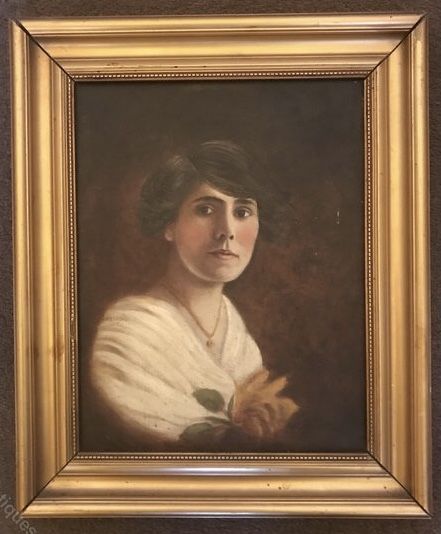


Edwardian Woman Portrait Painting
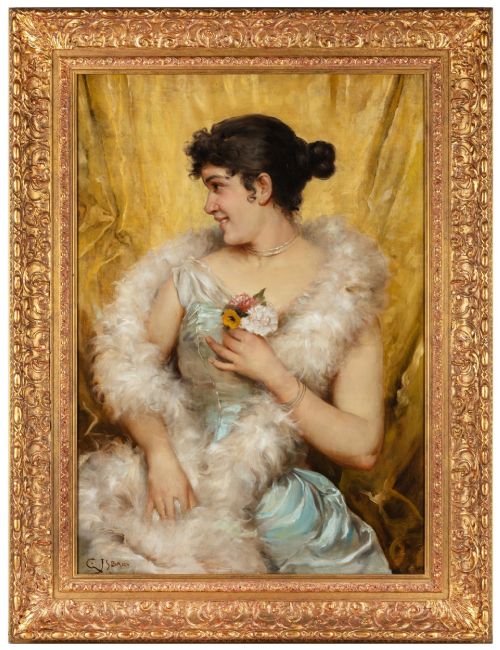
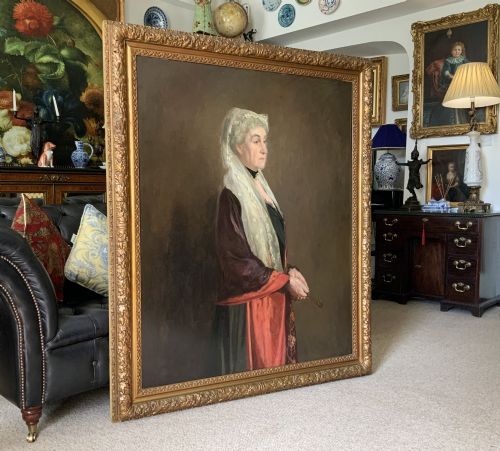
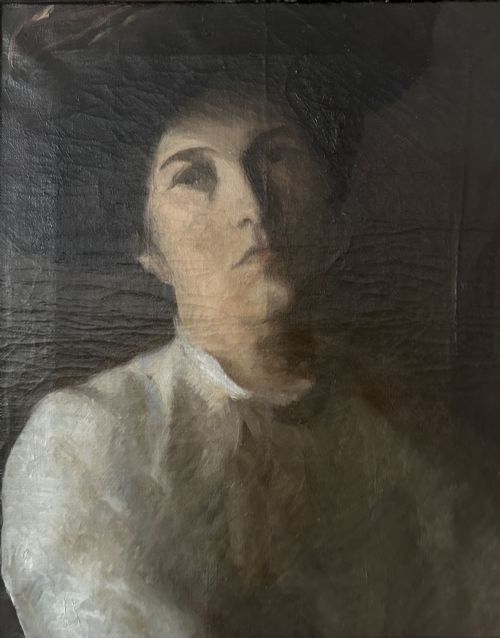
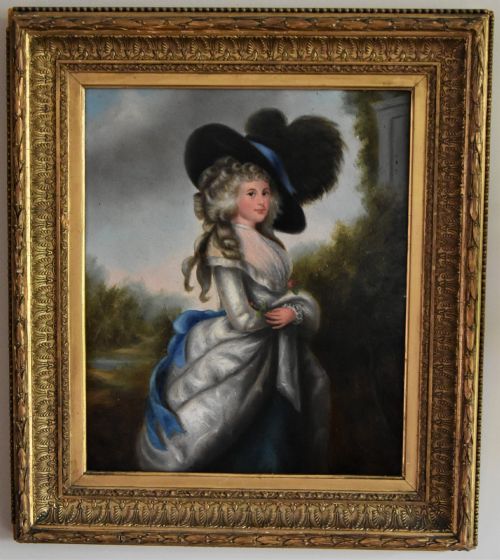
An edwardian woman portrait painting captures the elegance and character of the era through oils on canvas and delicate watercolours.
Edwardian Woman Portrait Painting
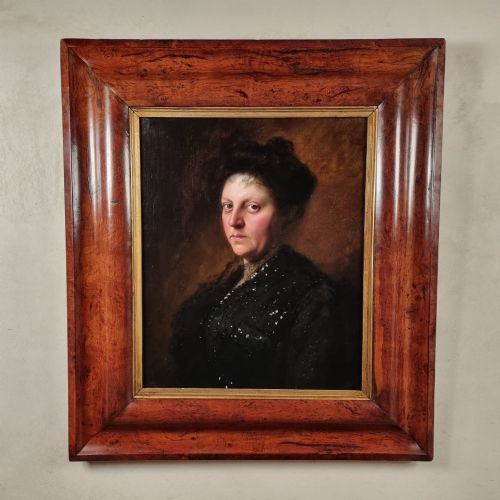
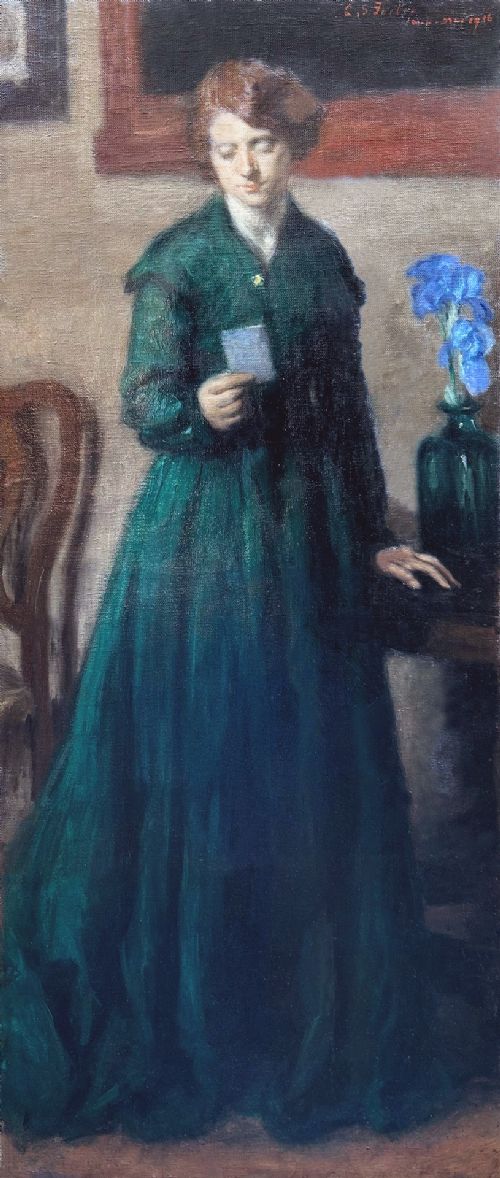
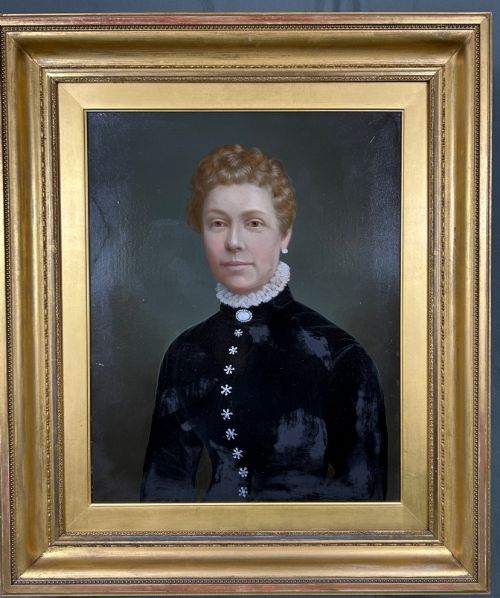
An edwardian woman portrait painting draws the eye to subjects posed in hats, evening dresses, or elaborate costume, capturing the refined aesthetic of the period. You will encounter works spanning from the late nineteenth century through the nineteen-twenties, reflecting both Edwardian and Victorian sensibilities.
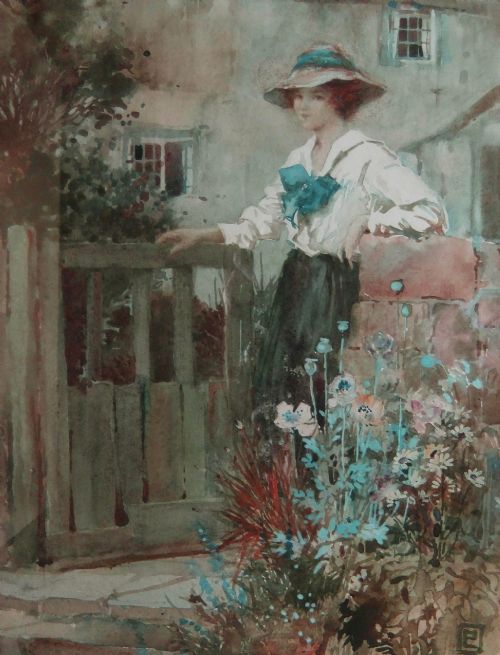
The selections available here range from small-scale miniature watercolours on paper to monumental oil paintings on canvas and board. Many pieces present individual female sitters, while others incorporate genre settings outdoors or domestic interiors alongside dogs and flowers.
Materials and execution
Artists relied primarily on oil on canvas and watercolour on paper, often working on board or mounting hand-painted miniatures in protective glass frames. Frames typically consist of wood finished with gilt or giltwood to complement the rich tones of the pigments.
Techniques range from traditional brushwork in oils to delicate washes in watercolour and detailed miniature painting. Artists utilised tinted grounds and layered glazes to render fabrics such as velvet and silk with convincing texture.
Materials represented include oil on canvas, watercolour on paper, wood, glass, and giltwood frames.
Judging quality in portraiture
Quality rests upon the artist's ability to render facial expression, hand gestures, and the fall of light across fabric with precision and life. Stronger examples display confident brushwork and balanced composition that elevate the subject beyond a mere record.
The handling of surrounding elements, such as foliage in a genre landscape or the intricate detail of a hat and lace collar, distinguishes more accomplished works. Preservation of the original canvas, paper, and giltwood frame also contributes significantly to the standing of a piece.
Susie Lassam RMS RA·Henry John Yeend King·Frank Moss Bennett·Robert Edward Morrison·Fernand Toussaint
The Edwardian Woman Portrait Painting Glossary
- Oil on Canvas
- A traditional painting medium where pigments bound in drying oil are applied to stretched fabric. This method allows for rich colour depth and textured impasto work.
- Watercolour
- A painting method where water-soluble pigments are applied to paper. It yields translucent washes that capture light effectively.
- Portrait Miniature
- A small, highly detailed painting, frequently executed on vellum, paper, or ivory and framed behind glass. These portable works demand exceptional precision from the artist.
- Genre Painting
- A depiction of aspects of everyday life, often featuring figures in domestic settings or outdoors. These scenes provide context for the sitter beyond a formal studio portrait.
- Giltwood
- Wood that has been coated with a thin layer of gold leaf or gilt powder. It is commonly found on antique frames housing fine art.
Edwardian Woman Portrait Painting: Frequently Asked Questions
How do I date an edwardian woman portrait painting?
Dating relies on costume details such as hat styles, dress silhouettes, and hairstyles, alongside signatures and framing materials. Clothing styles shifted rapidly from the S-bend silhouette of the early nineteen-hundreds to the dropped waists of the nineteen-twenties.
Examine the back of the canvas or board for handwritten inscriptions, gallery labels, or dates left by the artist. Comparing the painting technique to known works by listed artists helps narrow down the period of execution.
What is the difference between an oil and a watercolour portrait?
Oil paintings utilise pigments suspended in oil on canvas or board, offering deep colours, texture, and durability. Watercolours use water-soluble pigments on paper, producing a luminous and delicate finish.
Watercolours require protection under glass to prevent moisture damage and fading from light. Oil paintings are more resilient but still benefit from stable indoor environments away from direct sunlight.
How were these portraits used originally?
These portraits were commissioned by families to commemorate individuals, mark marriages, or record social standing. Large oil paintings traditionally hung in drawing rooms or halls as focal points of a home.
Miniatures and smaller watercolours were designed for intimate spaces or personal carriage. They served as keepsakes and tokens of affection exchanged between family members.
How should I care for an antique portrait painting?
Keep paintings away from direct sunlight, high humidity, and rapid temperature fluctuations to protect the canvas, paper, and wooden frame. Dust oil paintings gently with a soft, dry brush and avoid chemical cleaning agents.
Watercolours and miniatures must remain behind glass in sealed frames to prevent environmental degradation. Consult a professional conservator if cleaning or canvas re-tensioning becomes necessary.