


Edwardian Pepper Pot
An edwardian pepper pot brings domestic refinement to the dining table through miniature silver forms and cut glass pairings.

Edwardian Pepper Pot
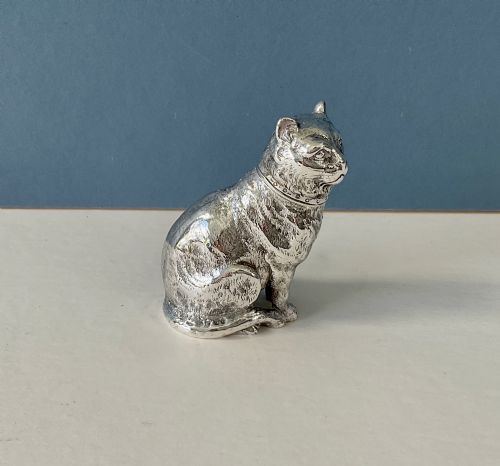
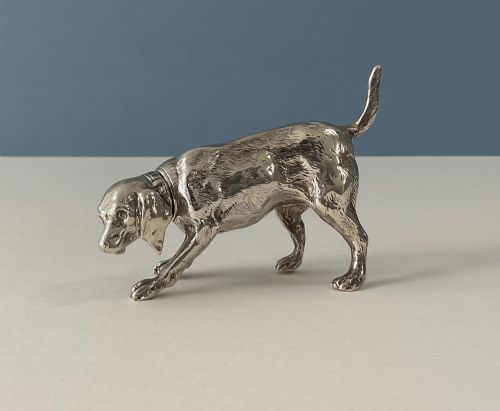
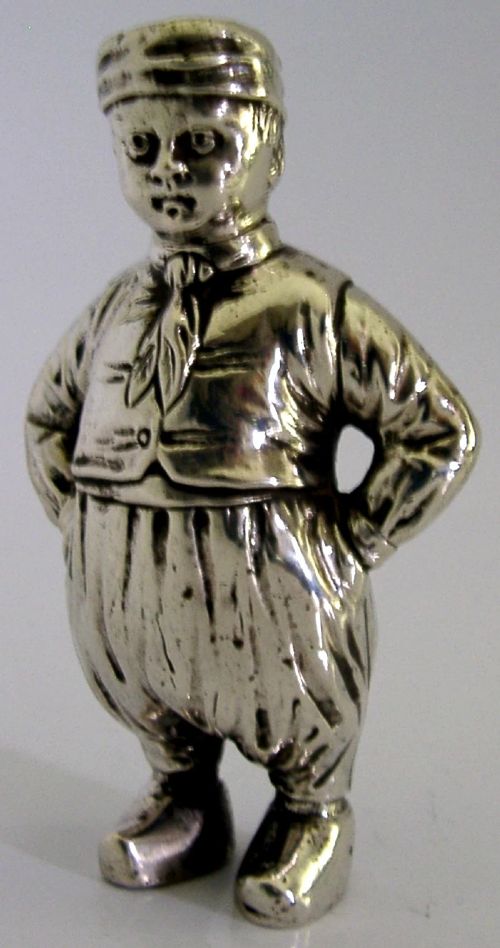
When you search for an edwardian pepper pot, you encounter small tabletop condiment containers designed to dispense ground seasoning during meals. These pieces appear as simple casters, cylindrical shakers, or playful figural models shaped like animals and soldiers.
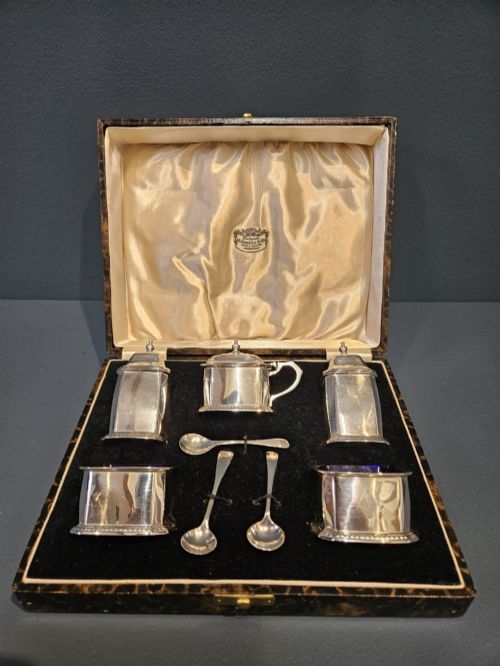
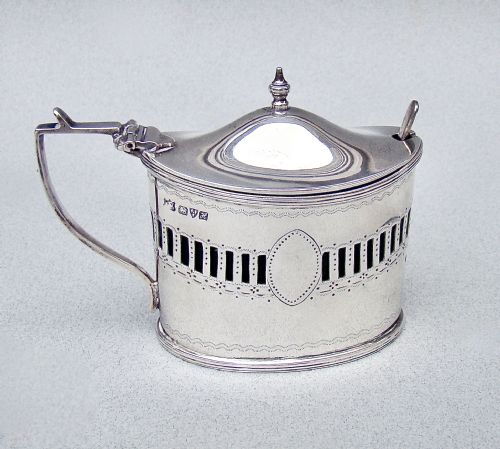
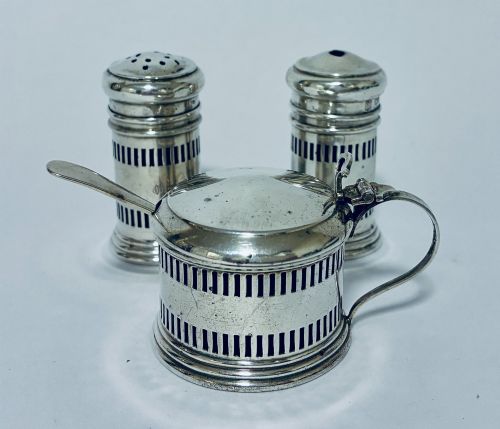
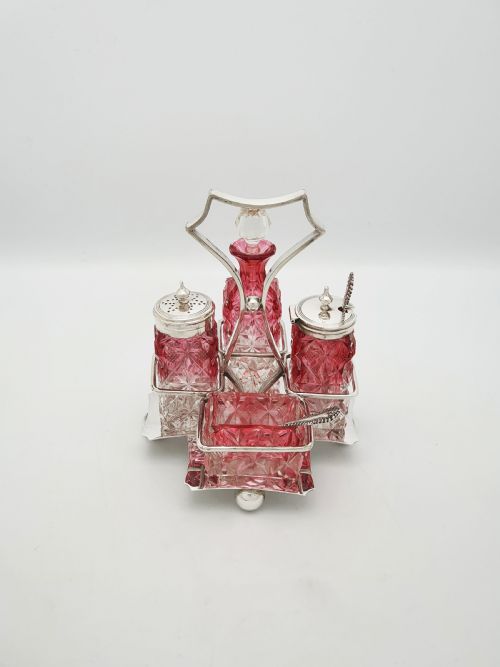
The version most commonly met on this page is the sterling silver or silver plated pepper pot originating from the early decades of the twentieth century. Alongside standalone shakers, these items often emerge as part of larger cruet sets alongside mustard pots and table salts.
Makers of the period produced both utilitarian domestic wares and whimsical novelty items that reflect the social dining habits of the era. The selection spans straightforward classical revival designs as well as highly detailed animal figures in solid silver.
How they were made
Silversmiths utilised sterling silver and silver plate over base metals, shaping sheets and casting figures by hand. Pierced lids allowed the seasoning to scatter evenly when inverted over the plate.
Cut glass bodies appeared frequently, mounted with silver collars, rims, and hinged lids to combine transparent vessels with reflective metallic mounts. Cranberry flashed glass added colour contrast to the metalwork.
Listings feature sterling silver, silver plate, and cut glass across periods spanning Victorian, Edwardian, and Art Deco styles.
What varies in quality
Quality rests upon the crispness of detail in the chasing and casting, particularly on novelty animal forms where facial expressions and textured fur define the piece. Weight and gauge of the silver also separate heavier domestic items from thinner plated alternatives.
The integrity of hallmarks, maker marks, and original threaded or push-fit lids determines the preservation level of each shaker. Intact glass liners and undamaged cut facets retain higher desirability among collectors.
Alfred Marston·Sampson Mordan·Goldsmith & Silversmith's·Bricks & Sons
The Edwardian Pepper Pot Glossary
- Cruet set
- A matched collection of condiment containers, usually holding oil, vinegar, mustard, pepper, and salt upon a small stand. These sets formed a standard centrepiece on formal dining tables.
- Pepperette
- A small shaker designed specifically for individual table service or as part of a larger condiment arrangement. The term often applies to miniature or novelty silver shakers.
- Caster
- A small container with a perforated top used for sprinkling sugar or pepper over food. Early examples typically stood on a small footed base.
- Silver plate
- A thin layer of silver fused to a base metal core, such as copper or Britannia metal, utilised to achieve the appearance of solid silver at a lower production cost.
- Pounce pot
- A small shaker used to sprinkle resin powder or cuttlefish bone dust onto parchment to dry ink before writing. These precursors share a similar perforated lid construction with pepper pots.
Edwardian Pepper Pot: Frequently Asked Questions
How do I clean antique silver pepper pots?
Clean sterling silver items gently with a soft cloth and specialised silver polish to preserve the original hallmarks and delicate chased details. Avoid abrasive cleaners that wear down thin plating or scratch the metal surface.
For pieces with glass components, remove the glass inserts before polishing the metal mounts to prevent chemical damage to the glass or any cemented joins.
Were these pepper pots used daily?
Middle and upper-class households utilised these shakers daily during formal family meals and dinner parties. They sat upon the dining table either individually or as part of a fitted cruet stand.
Over time, changing dining styles moved pepper pots from permanent table placement to kitchen use, leading many surviving antique examples to enter collector cabinets.
How can I date an edwardian pepper pot?
Examine the hallmarks stamped on the silver body or base, which typically indicate the assay office, date letter, and maker's mark. British hallmarks provide precise years for sterling silver production.
Stylistic cues such as Georgian revival motifs or novelty animal shapes also point toward the early twentieth century manufacturing period.
Are novelty pepper pots rarer than standard ones?
Novelty pepper pots modelled as animals, birds, or figures generally appear less frequently than standard cylindrical casters. Their intricate casting required specialised labour from silversmiths.
Collectors often seek out these whimsical figural designs, driving demand higher for animal shapes compared to conventional domestic tableware.