


Edwardian Painted Chest
An Edwardian painted chest brings brightness and decorative surface to a bedroom or hall, offering useful storage wrapped in period charm.
Edwardian Painted Chest
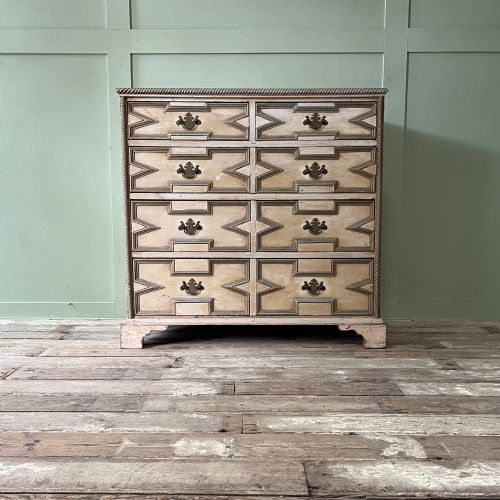
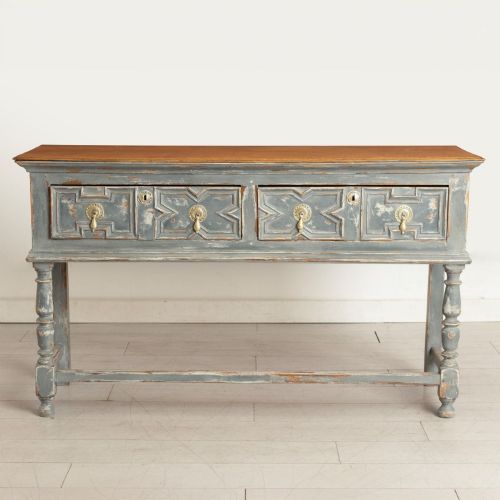
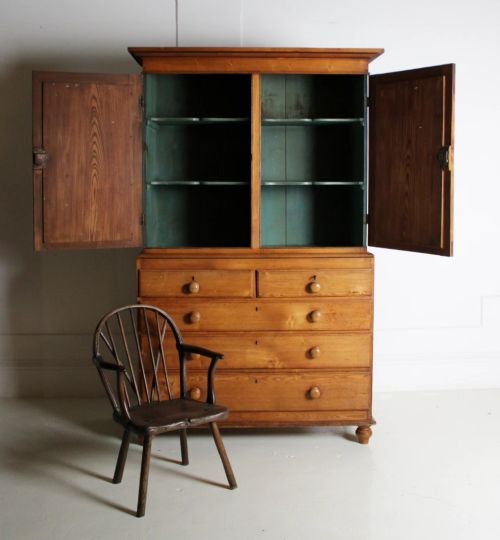
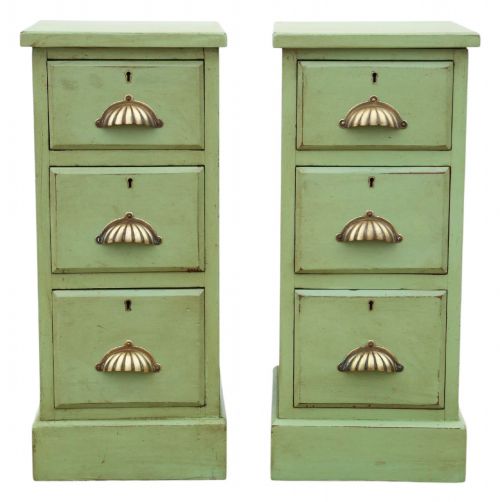
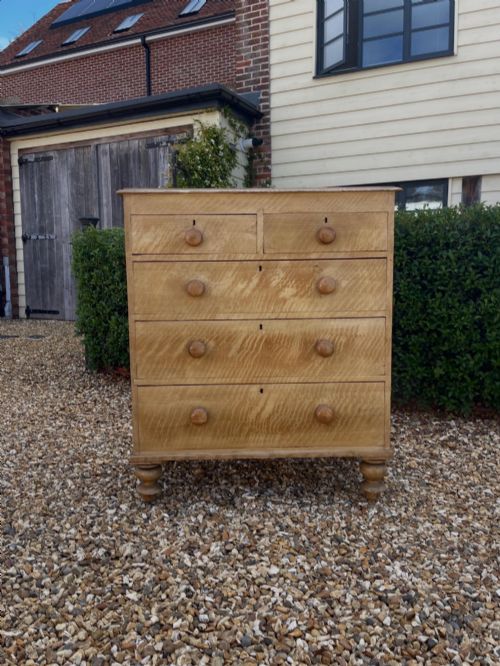
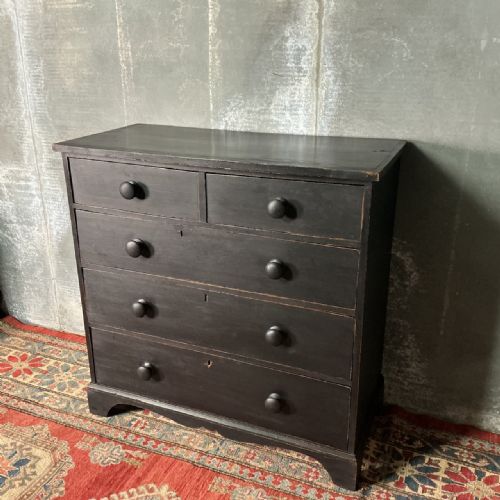
When you search for an edwardian painted chest, you encounter storage pieces combining structural timber with hand-applied surface decoration. The pieces span standard drawer chests, dressing chests, and smaller bedside variants dating around the early twentieth century and late nineteenth century.
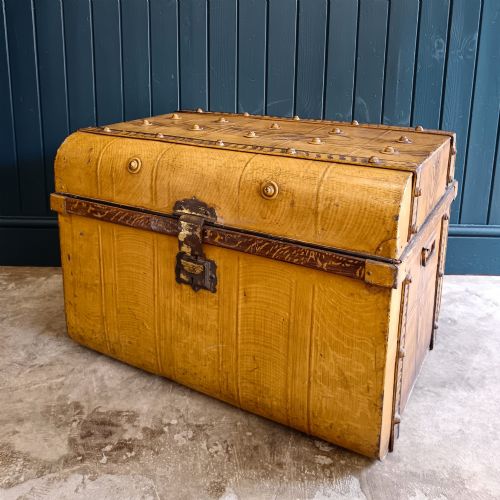
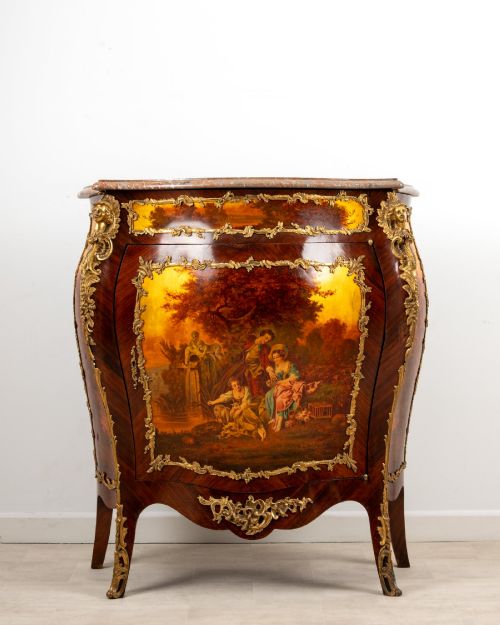
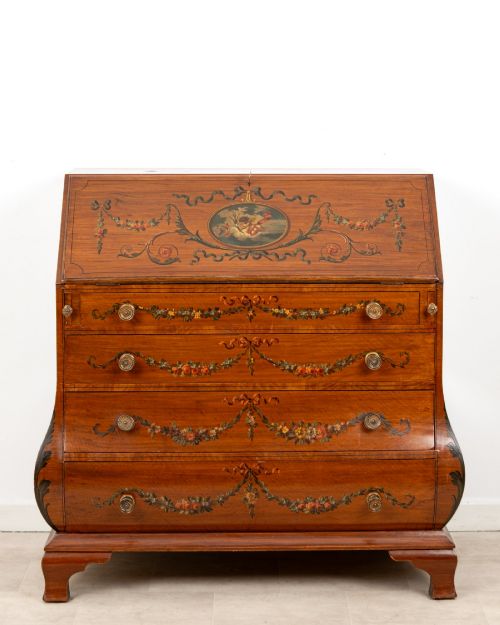
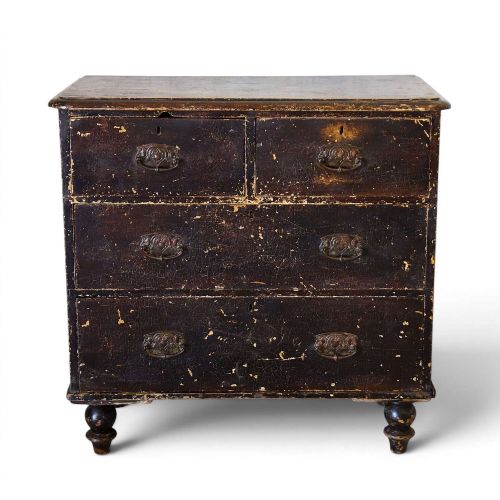
The versions most commonly met on this page combine pine or satinwood carcases with painted or lacquered finishes, sometimes reflecting Sheraton Revival elegance or Chinoiserie motifs. They range from simple pine trunks finished in scumble paint to refined satinwood desks and bureaus.
Makers and regional workshops produced these items to serve practical domestic needs while introducing colour and lightness into period interiors. Surviving examples demonstrate how decorative painted finishes transformed standard utilitarian furniture into statement pieces.
How they were made
Makers constructed the carcases using timber such as pine, ash, mahogany, and satinwood, joined with traditional cabinet-making methods. Surfaces were then prepared to receive layers of paint, lacquer, or scumble glazes.
Decorative work involved hand-painted motifs, Japanning, or Venetian scenes applied directly to the wood or metal elements. Brass handles, ormolu mounts, and leather details completed the construction.
Listings feature items built from pine, satinwood, mahogany, and ash, finished in lacquer, paint, or scumble glazes.
What varies in quality
The distinction between tiers of quality rests upon the fineness of the timber preparation and the skill evident in the painted decoration. Superior examples display intricate hand-painted details, well-figured satinwood or mahogany, and original decorative schemes that remain undisturbed by later overpainting.
Simpler pieces rely on pine structures finished with scumble glazes or plain colour coats, where the charm derives from surface patination and originality rather than academic artistic execution.
Sir Clough Williams-Ellis·Saunders and Shepherd
The Edwardian Painted Chest Glossary
- Scumble
- A translucent or semi-opaque layer of glaze manipulated over a lighter base coat to simulate wood grain or create textured patterns. It appears frequently on nineteenth-century pine furniture.
- Satinwood
- A durable, lustrous timber native to India and Ceylon, prized for its yellow-gold colour and smooth grain. It served as a favoured surface for inlaid and painted cabinet work.
- Japanning
- A European imitation of East Asian lacquerwork involving layered varnishes and decorative motifs. It gained popularity on decorative cabinets and chests during revival periods.
- Chinoiserie
- A Western decorative style interpreting Chinese artistic traditions through painted landscapes, figures, and motifs. It adorns specialised cabinets and drawer chests.
Edwardian Painted Chest: Frequently Asked Questions
How do I clean a painted chest?
Dust the surface regularly with a soft, dry cloth to prevent dirt accumulation. Avoid liquid cleaners, alcohol, or harsh detergents that might dissolve or lift original paint layers.
Test any mild conservation cleaner on a hidden area before applying it more broadly. Preserving the original dried paint surface ensures the piece retains its historic character.
Are these chests suitable for daily use?
Most pieces function well for storing clothing, linens, or general household items within a domestic setting. Drawers slide on traditional wooden runners that require occasional waxing to maintain smooth operation.
Avoid placing excessively heavy items inside older drawer bases to protect the internal framing. Environmental stability away from direct heat sources keeps the timber and paint secure.
How can I tell original paint from later decoration?
Examine the surface under magnification to check for microscopic craquelure and uniform ageing across the paint and timber. Original finishes typically show consistent wear patterns corresponding to the age of the carcase.
Modern overpainting often sits flat without integrated dust or genuine abrasion marks. The presence of scumble glazes or period varnishes under natural light helps confirm authenticity.
Where should I place an edwardian painted chest?
Position the piece away from direct sunlight and radiators to prevent wood warping and paint fading. Bedrooms, landings, and entrance halls provide ideal environments for display and storage.
Ensure the floor is level so the chest rests evenly without placing undue strain on joints. Generous clearance allows drawers and cabinet doors to open without obstruction.