
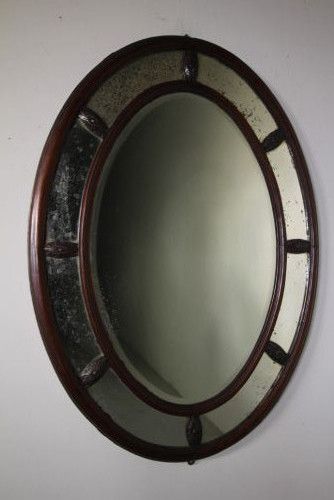
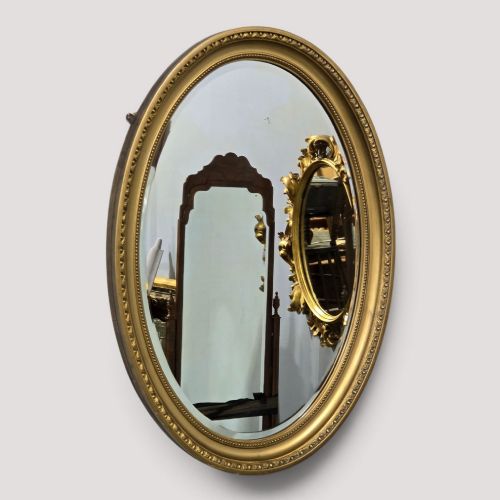
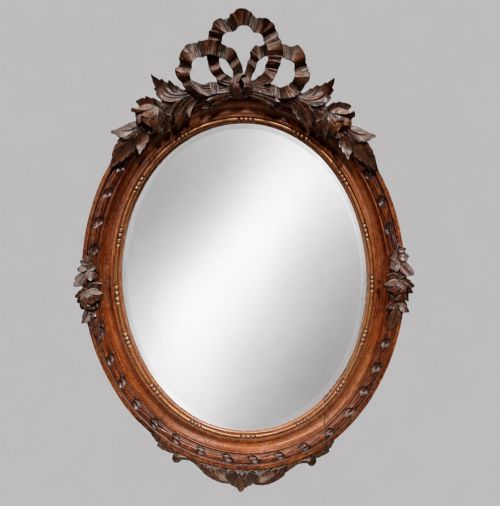
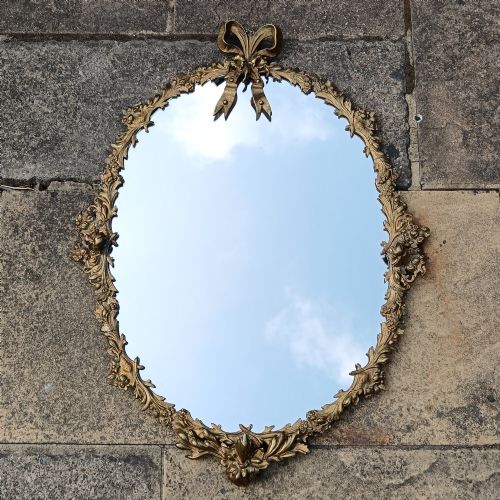




Edwardian Oval Wall Frame
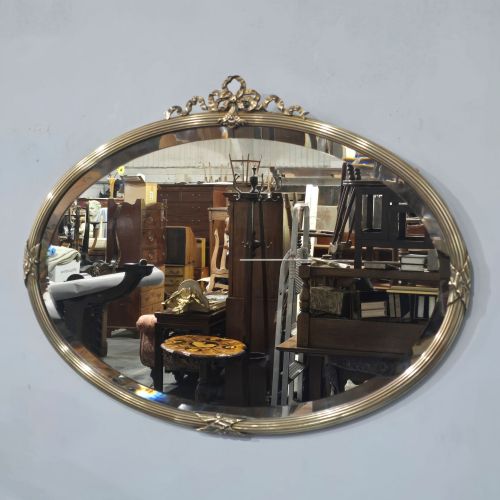
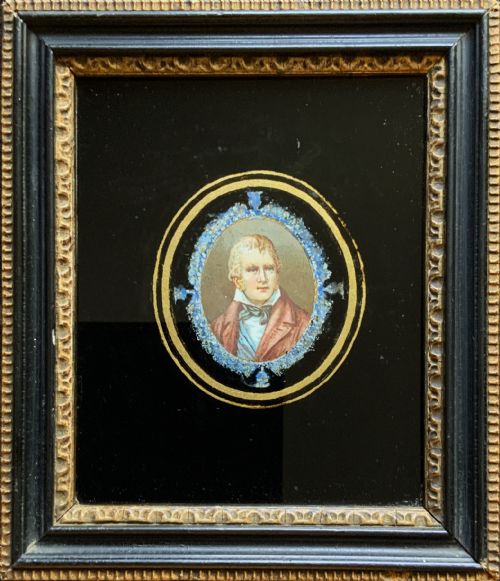
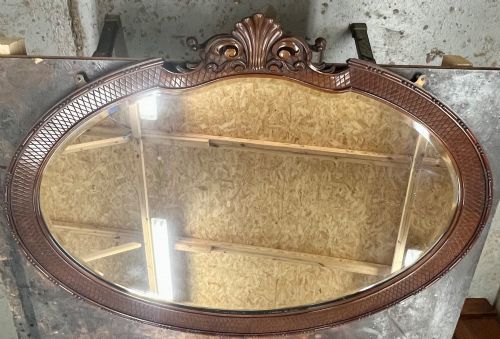
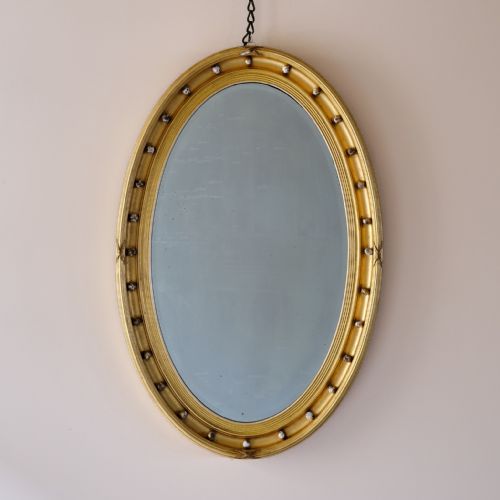
An edwardian oval wall frame brings gentle curves and period charm to a room, holding mirrors and miniature portraits alike.
Edwardian Oval Wall Frame
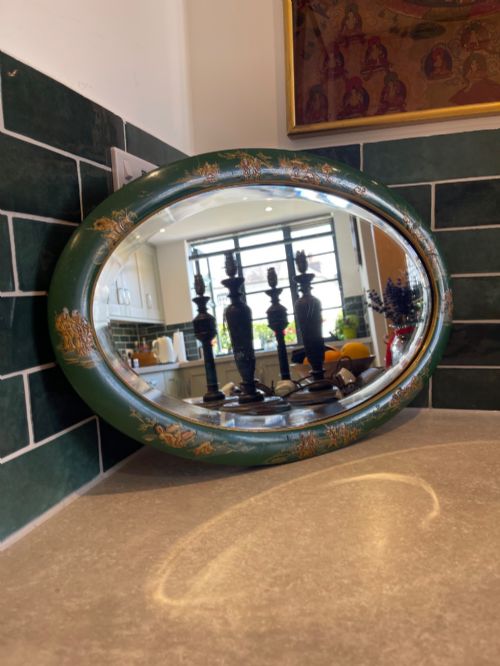
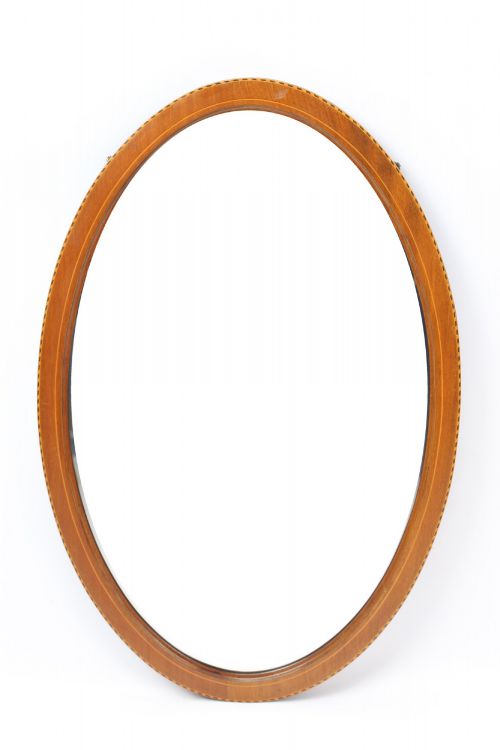
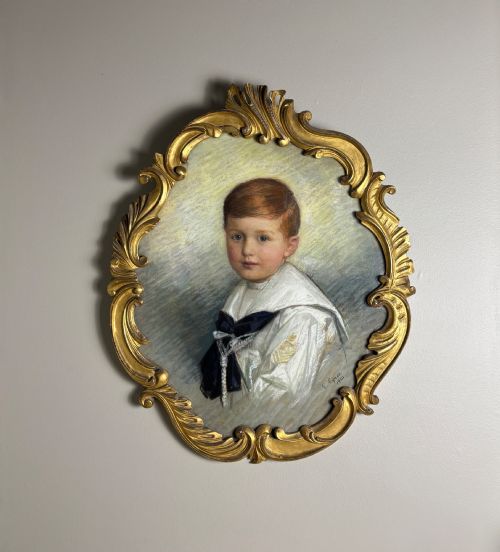
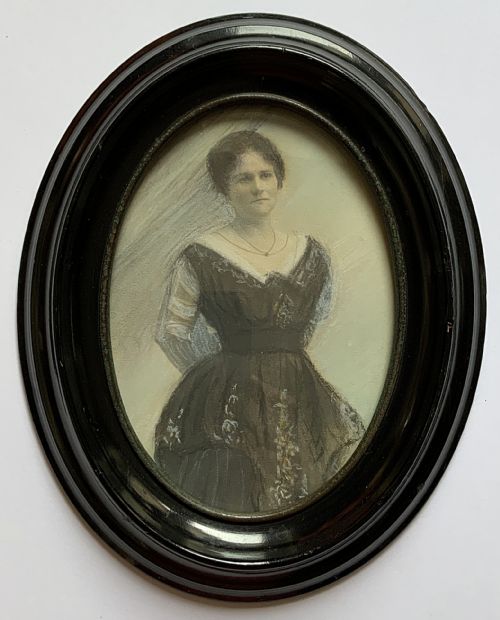
When searching for an edwardian oval wall frame, you encounter a distinct category of interior furnishings spanning wall mirrors, framed prints, and delicate miniature paintings. The pieces appearing here predominantly date from the late nineteenth and early twentieth centuries, reflecting Edwardian tastes alongside Victorian and Arts and Crafts influences.
How they were made
Carvers and cabinetmakers utilised traditional timbers such as mahogany, oak, beech, and ebonised woods to form the structural foundations of these pieces. Many frames incorporate applied gesso ornaments or delicate brass and copper sheeting shaped by hand during the Arts and Crafts era.
Gilding techniques involved the application of gold leaf over prepared gesso surfaces, whilst decorative variations included black lacquer work and hand-painted Chinoiserie motifs. Glass components frequently featured bevelled edges or original mercury plates depending on the exact period of production.
Several mirrors include painted peacocks flanking the glass, bringing a theatrical touch to domestic walls.
What varies in quality
The distinction between standard examples and superior pieces rests upon the crispness of the hand-carving and the depth of the materials utilised. Frames featuring detailed giltwood ornament, authentic period mercury glass, or documented workshop attributions demonstrate a higher grade of craftsmanship.
Condition and originality dictate desirability within this category, particularly the survival of original mirror plates, backboards, and hand-applied surface finishes. Simpler mass-produced items contrast with individually fashioned artistic pieces bearing distinct stylistic traits from makers associated with the Liberty or Glasgow School circles.
Liberty & Co·Fernand Toussaint·Susie Lassam
The Edwardian Oval Wall Frame Glossary
- Gesso
- A plaster-like material applied to wood surfaces and moulded or carved to create decorative relief patterns before gilding or painting.
- Chinoiserie
- European artistic style reflecting Chinese decorative motifs, frequently executed in lacquer and hand-painted designs on furniture and frames.
- Barbola
- A decorative ornamental technique using a plastic material made from gesso and flour, worked into floral reliefs directly onto frames.
- Mercury plate
- An early type of mirror glass backed with a tin and mercury amalgam, producing a characteristic soft reflection and subtle imperfections.
- Parcel-gilt
- A method where only specific raised portions or details of a wooden frame are partially gilded with gold leaf, leaving the dark wood visible elsewhere.
Edwardian Oval Wall Frame: Frequently Asked Questions
How do I hang an oval wall frame safely?
Heavy wooden and gilt frames require secure picture hooks fixed directly into wall studs or appropriate wall plugs to support the weight safely.
Ensure the hanging wire or original brass rings attached to the reverse are robust enough to hold the vertical tension of the frame.
Are these frames suitable for modern interiors?
The curved silhouette softens angular modern room schemes and provides an effective contrast against plain painted walls.
Positioning an oval mirror opposite a window helps circulate natural light through smaller spaces.
How can I tell an Edwardian frame from a Victorian one?
Edwardian frames often favour lighter woods, inlaid details, and more restrained neoclassical or Chinoiserie ornamentation compared to heavier Victorian counterparts.
Victorian examples frequently utilise darker ebonised finishes, heavier gesso mouldings, or more exuberant floral carvings.
What is the difference between a mirror frame and a picture frame?
Mirror frames are constructed with deeper rebates and heavier structural bracing to securely hold thicker glass plates.
Picture frames designed for watercolours or prints are lighter and usually house glazing alongside a backing board and artwork.