
Edwardian Office Antiques
Edwardian office antiques bring heavy timber and practical design to modern workspaces, offering sturdy writing desks, swivel chairs and modular bookcases built for daily use.
Edwardian Office Antiques
Edwardian office antiques comprise functional workspace furnishings designed for clerical and administrative tasks at the turn of the twentieth century. Buyers searching for edwardian office antiques typically encounter substantial timber items built to organise paperwork and correspondence efficiently.
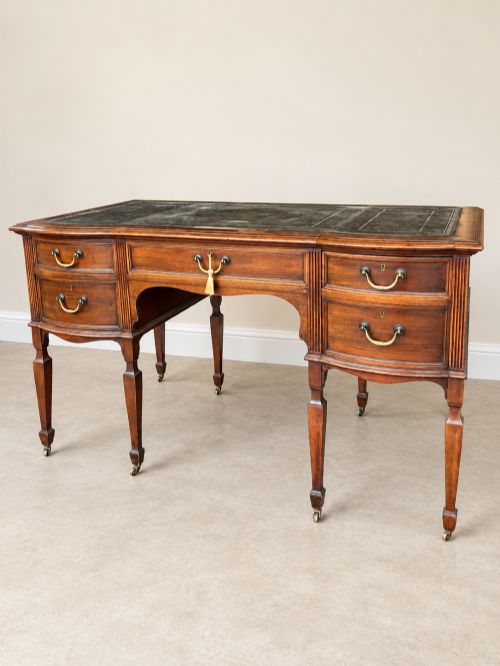
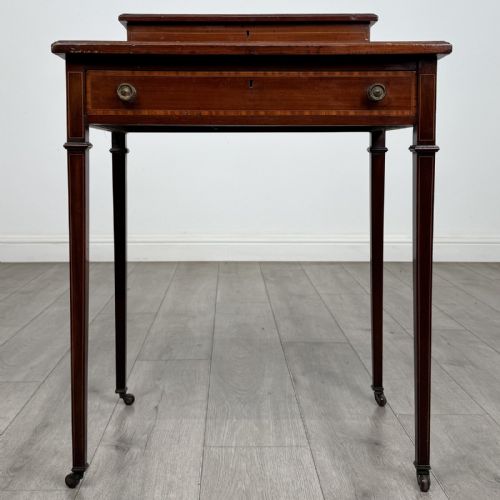
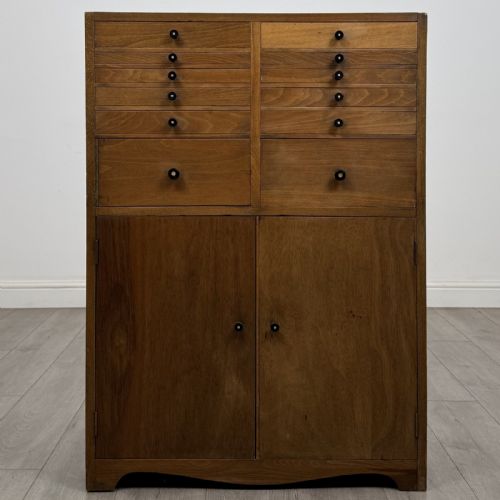
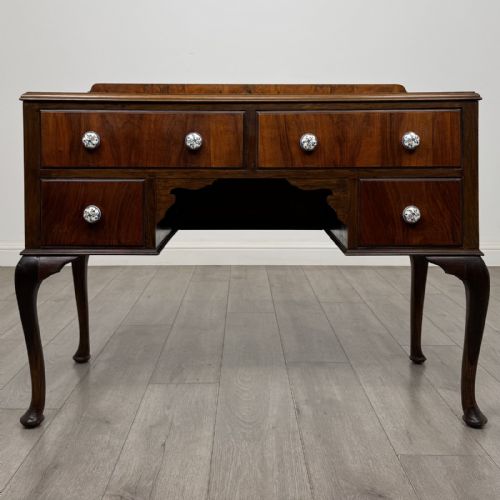
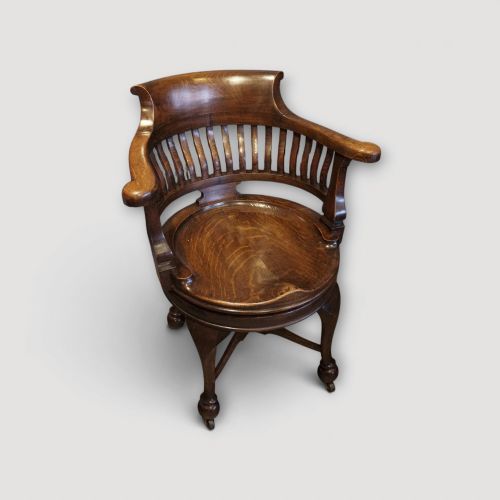
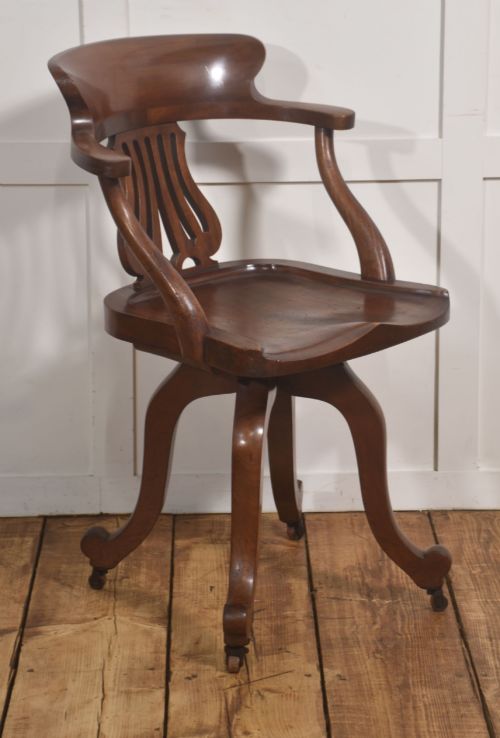
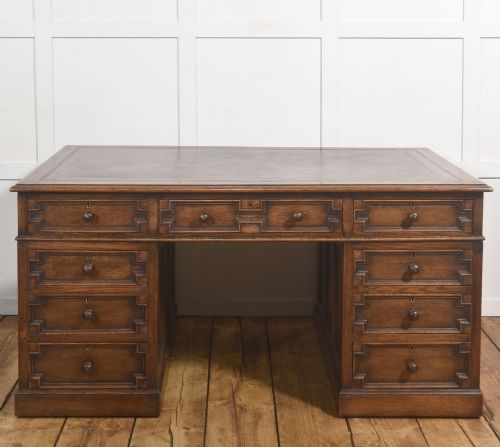
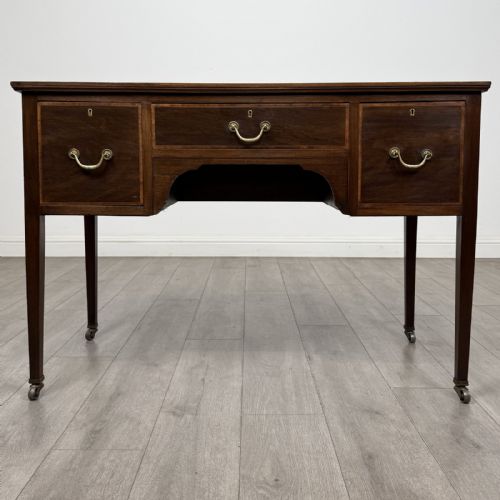
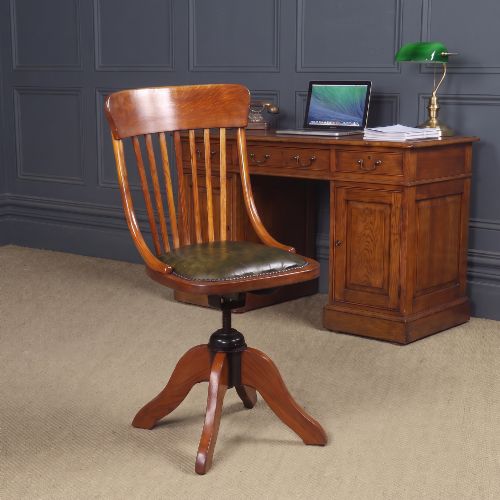
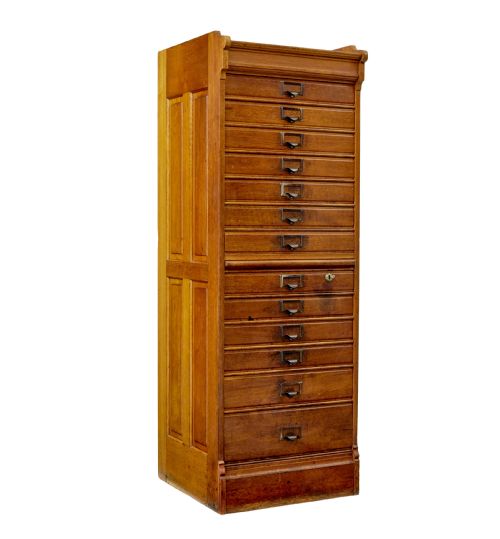
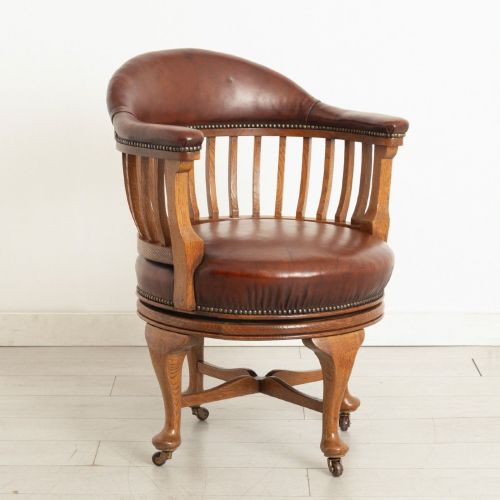
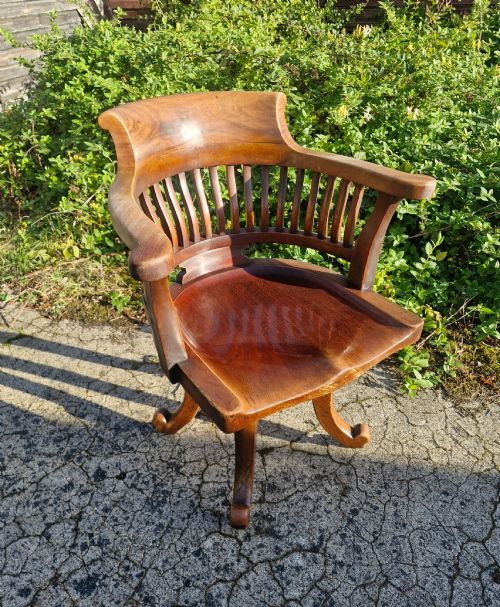
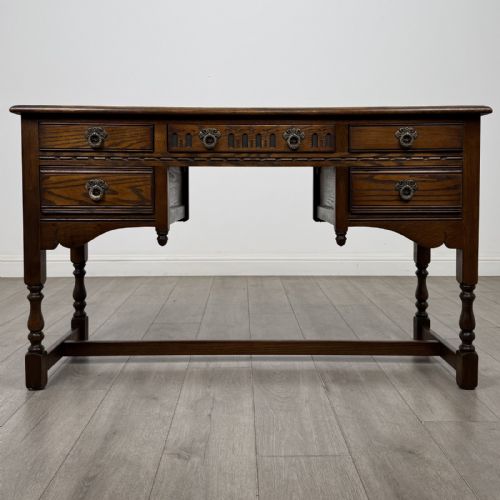
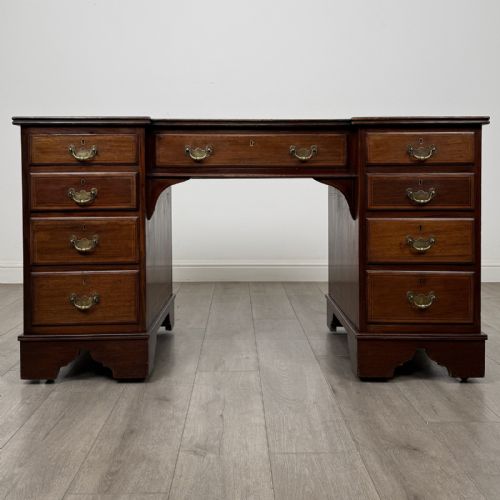
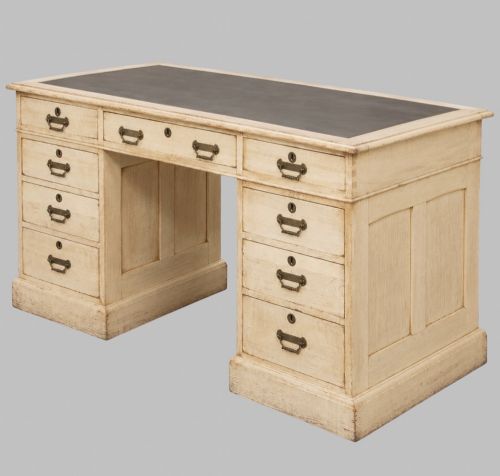
The dominant forms on this page include oak and mahogany pedestal desks, tambour front filing cabinets, and modular barrister bookcases. Seating is represented by swivel armchairs and leather-upholstered desk chairs designed for long hours at work.
While the core of the selection stems from the Edwardian period, pieces stretch from the late Victorian era through the nineteen-thirties. Accessory items such as perpetual desk calendars and wall clocks complete the workspace environment.
Materials and construction methods
Makers relied heavily on solid oak, walnut, and mahogany, frequently pairing timber frames with inset leather writing surfaces and cast brass hardware. Tambour fronts utilised narrow slats of wood glued to canvas backing to curve smoothly around cabinet tracks.
Modular furniture systems employed interlocking sections and glass doors, allowing expanding libraries to stack vertically without fastening to walls. Frame construction utilised sturdy joinery methods to withstand the heavy loads of ledgers and bound volumes.
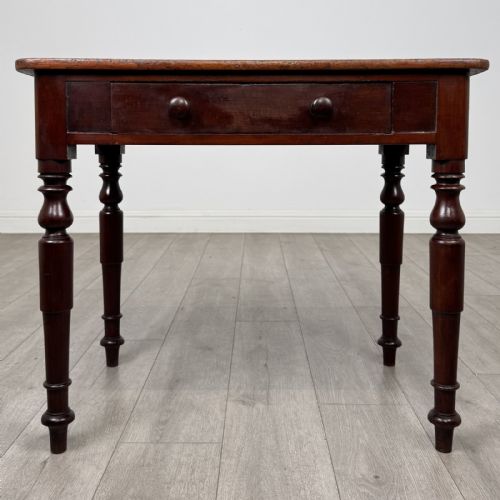
Listings feature oak, mahogany, walnut, and pine across desks, bookcases, filing cabinets, and wall clocks.
Judging quality and execution
Quality separates mass-produced administrative furniture from bespoke items commissioned through high-end cabinet makers. The presence of original handles, working tambour mechanisms, and integrated locking systems distinguishes superior pieces.
Secondary timbers and drawer linings reveal the standard of construction, where solid mahogany or oak interiors surpass soft pine. Carved pillar details and flame mahogany veneers indicate workshop production with greater attention to decorative finish.
Howard and Sons·Trollope and Sons·Edwards and Roberts·Maple and Co
The Edwardian Office Antiques Glossary
- Tambour front
- A flexible door constructed from narrow wooden slats attached to a fabric backing, sliding in a track to conceal interior shelves or filing drawers.
- Pedestal desk
- A heavy writing table supported by two vertical banks of drawers rather than simple legs.
- Globe Wernicke bookcase
- A sectional lawyer or barrister bookcase featuring glass-fronted tiers that stack vertically and lift open.
- Wellington chest
- A tall, narrow set of drawers secured by a locking side pilaster bar that fastens over the drawer edges.
Edwardian Office Antiques: Frequently Asked Questions
What is a tambour front desk?
A tambour front desk uses slats of wood on a fabric backing to slide open and closed over the writing surface.
This mechanism conceals pigeonholes and papers while saving space compared to traditional swinging doors.
How do barrister bookcases work?
Barrister bookcases consist of stacked modular wooden sections with upward-lifting glass doors.
Each tier functions independently, allowing sections to be added or rearranged as a library grows.
Are desk chairs adjustable?
Many office desk chairs from this era feature swivel mechanisms and rolling castors for mobility.
Some models include height adjustment screws or tilting mechanisms mounted on cast iron bases.
What woods were used?
Makers predominantly utilised oak, mahogany, and walnut for visible exterior surfaces.
Pine and other secondary woods appeared inside drawer boxes and cabinet backs where appearance mattered less.