

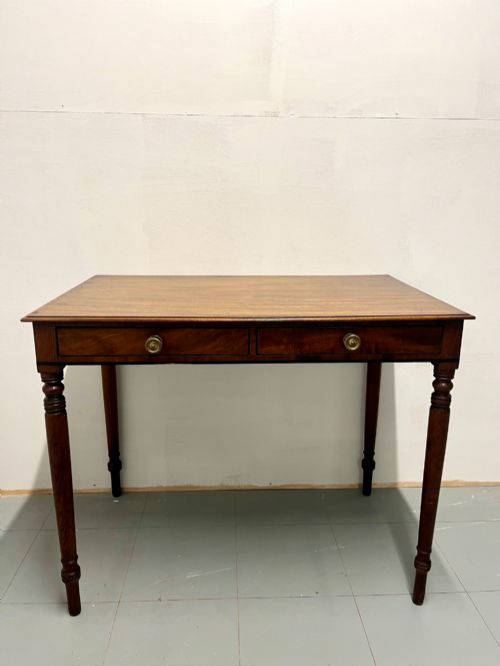
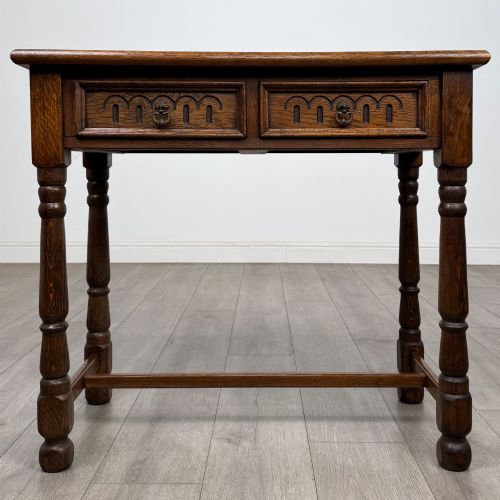
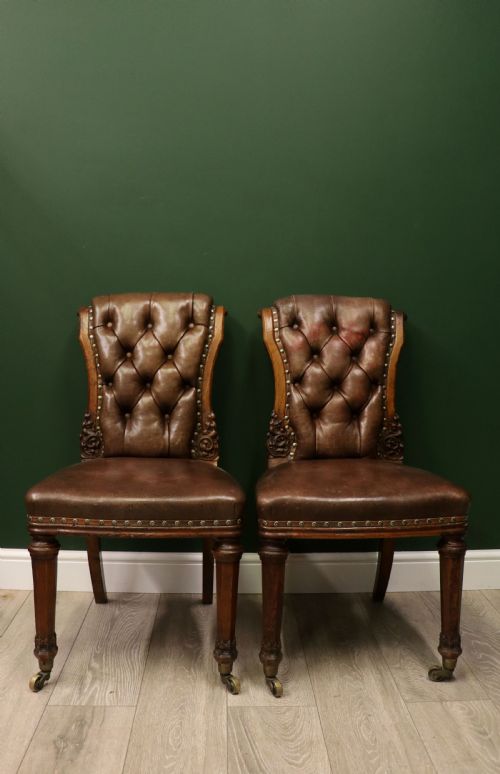
Edwardian Occasional Desk
These edwardian occasional desk pieces bring compact versatility and refined woodwork to smaller rooms.
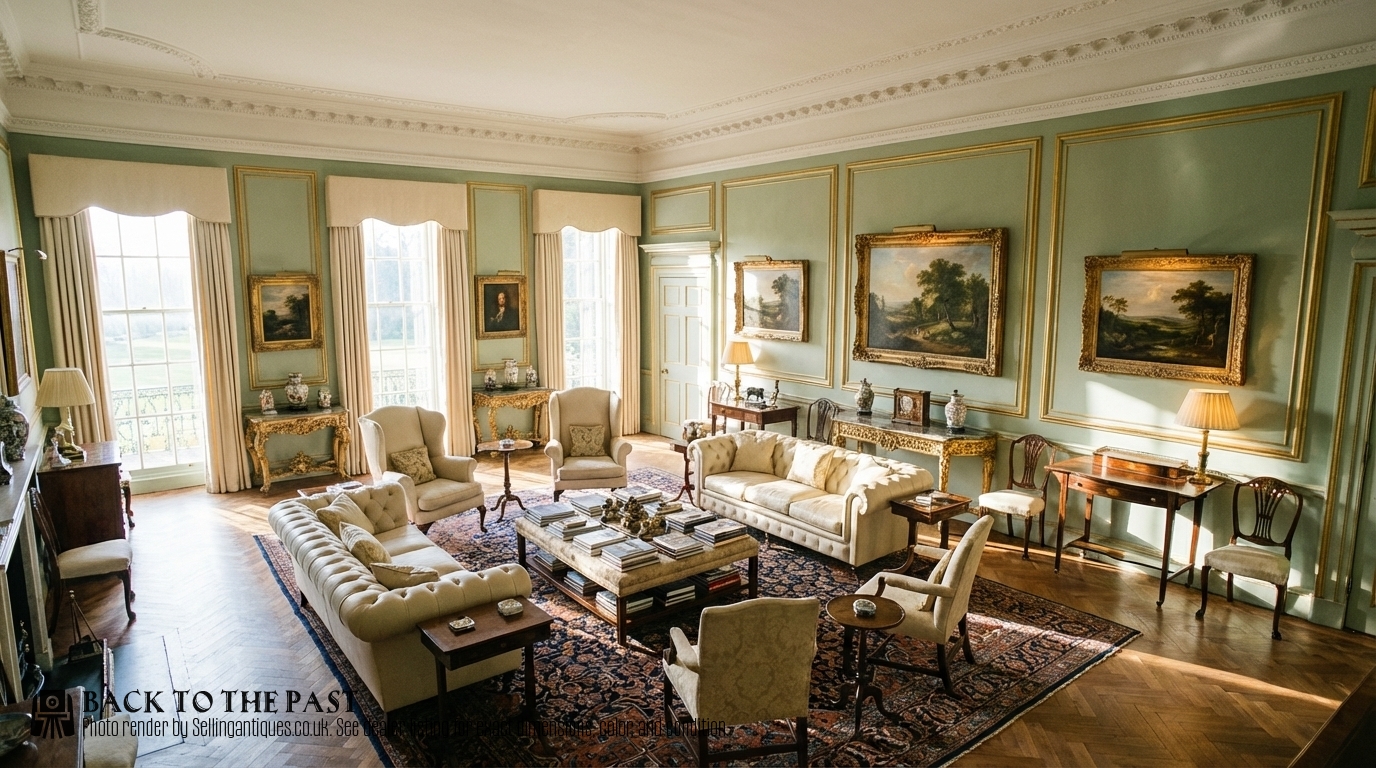
Edwardian Occasional Desk
When you search for an edwardian occasional desk, you encounter versatile writing surfaces and small tables spanning the Edwardian period, the late nineteenth century, and the early twentieth century. These adaptable pieces serve bedrooms, studies, and drawing rooms as compact writing spots or display surfaces.
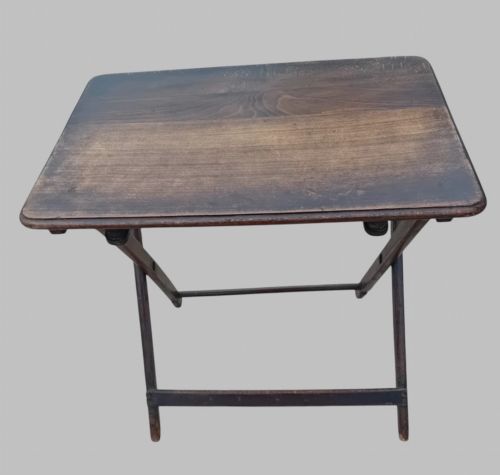
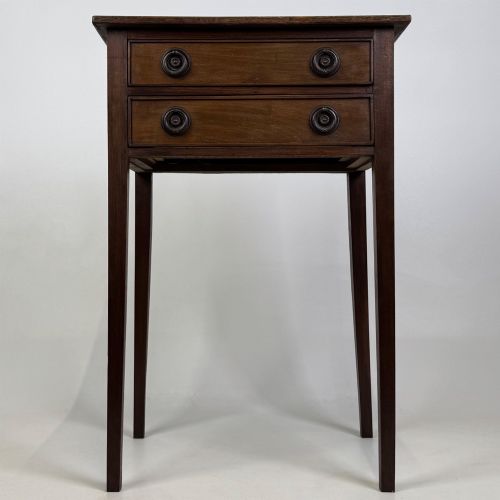
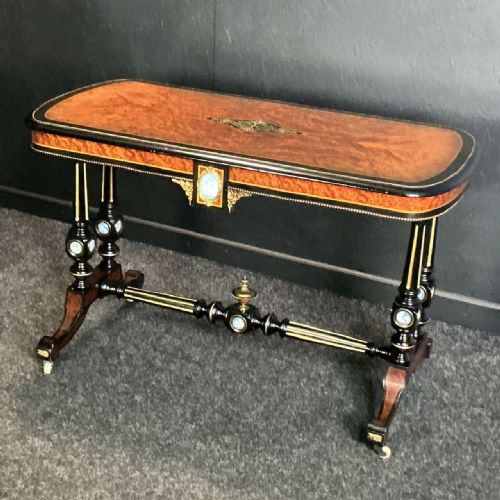
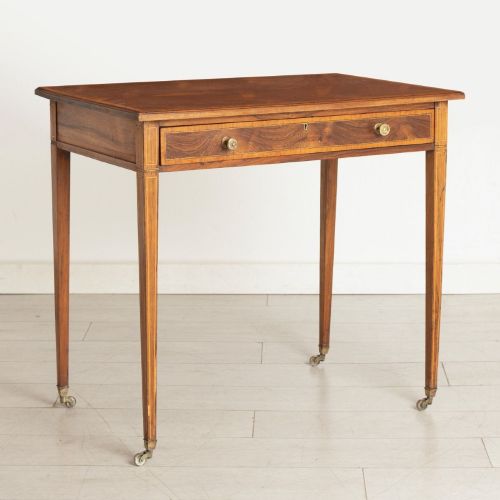
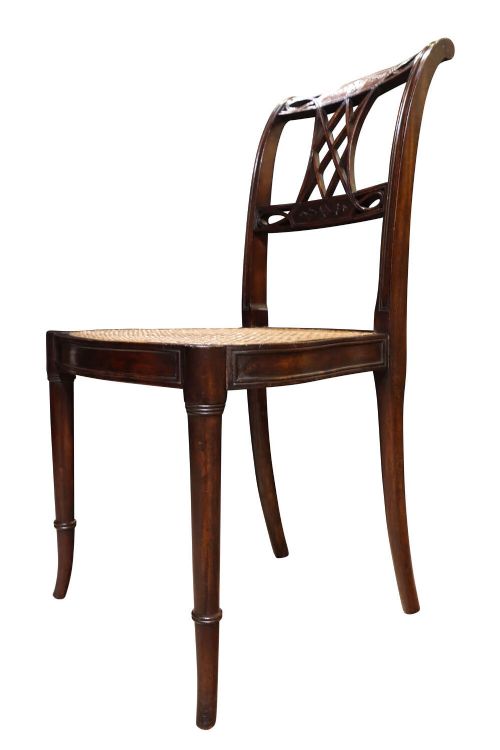
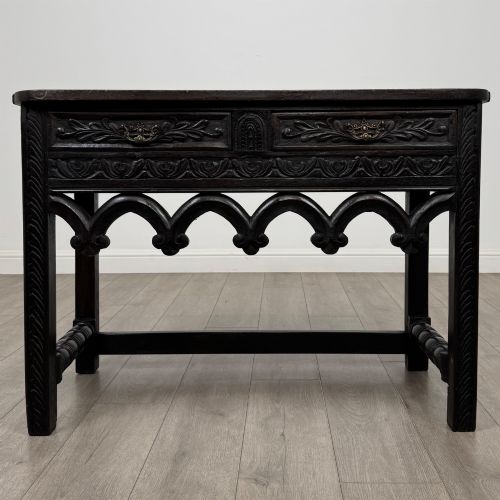
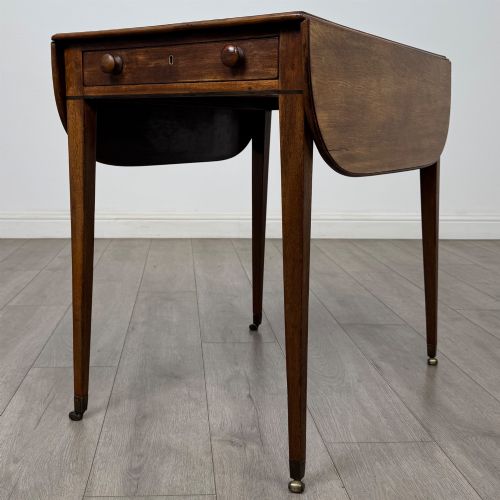
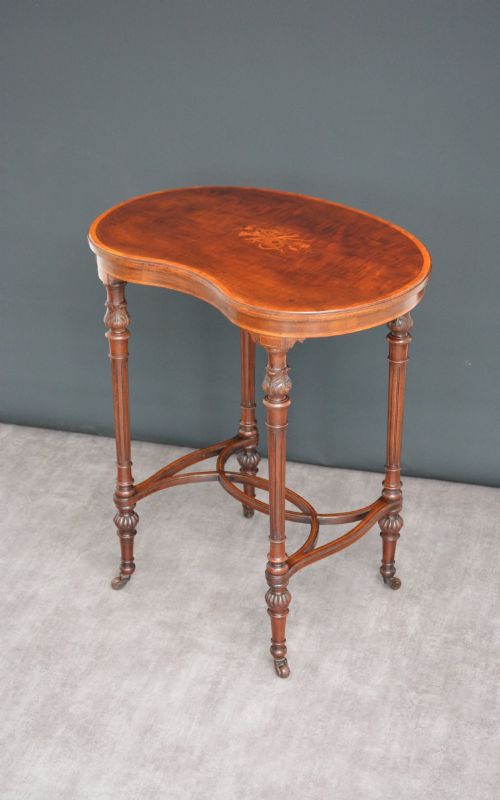
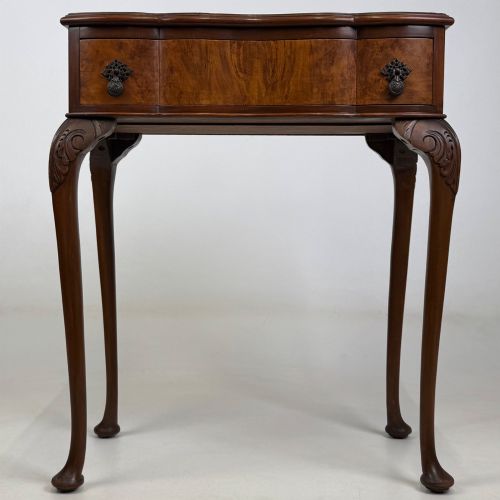
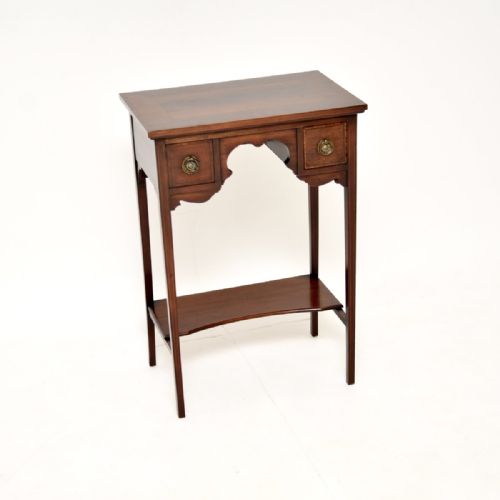
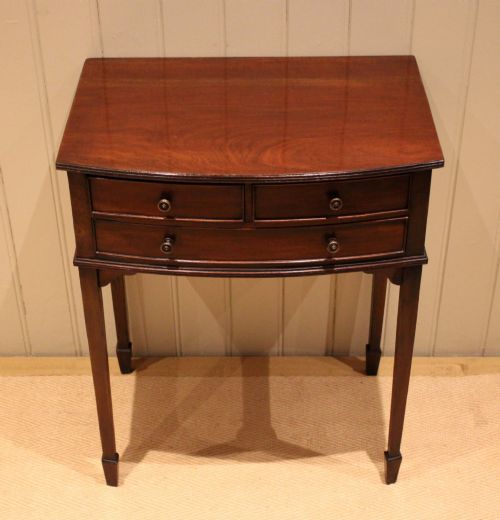
The selections on this page draw from Edwardian, Victorian, and Regency periods, utilising mahogany, satinwood, rosewood, walnut, and oak. You find forms ranging from kidney-shaped side tables and Pembroke tables to drop-leaf tables and writing tables.
Makers such as Andrew Thomson and Sons and Rowland Ward appear alongside pieces reflecting Chippendale Revival, Sheraton Revival, Art Nouveau, and Neoclassical styles. This variety reflects the eclectic tastes of the era, where designers adapted earlier historical motifs for smaller domestic spaces.
Materials and construction methods
Cabinet makers of the period relied heavily on solid mahogany and figured mahogany veneers, often enhanced with contrasting satinwood inlay, marquetry, and delicate stringing. Brass handles, castors, and hinges appear frequently on drop-leaf and writing variations.
Secondary timbers like oak and beech provide sturdy internal framing for drawers and undercarriages, while specialised work tables incorporate fitted compartments and leather writing inserts. Joinery methods combine traditional dovetailing for drawers with secure frame construction.
Listings feature mahogany, satinwood, rosewood, walnut, oak, and brass across Edwardian, Victorian, and Regency periods.
Distinguishing quality levels
The distinction between standard domestic furniture and exhibition quality pieces lies in the choice of timber figure, such as highly figured mahogany, walnut, or intricate satinwood marquetry. Superior examples exhibit precise hand-cut inlay and refined proportions rather than plain veneering.
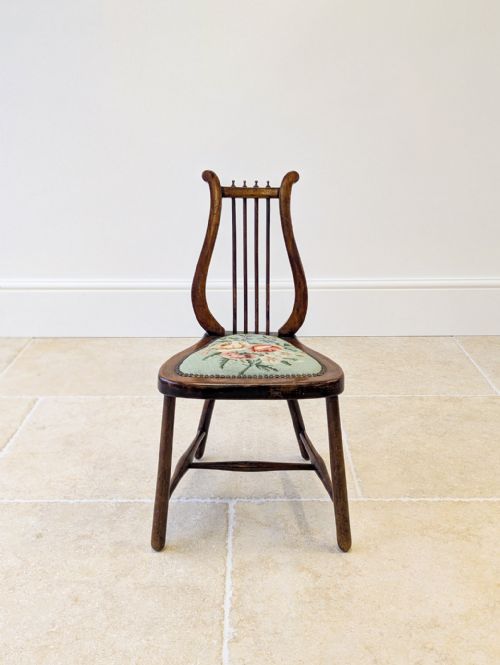
Hardware selection and secondary wood quality also separate the grades, with better pieces utilising solid brass fittings and carefully turned supports. The crispness of carved details, such as lyre backs or neoclassical motifs, demonstrates the skill of the original workshop.
Rowland Ward of London·Andrew Thomson and Sons
The Edwardian Occasional Desk Glossary
- Marquetry
- Decorative veneer patterns formed by fitting together small pieces of wood, shell, or ivory into a larger design. This technique covers tabletops and drawer fronts with floral or geometric motifs.
- Pembroke table
- A small rectangular table with two hinged drop leaves on opposing sides. It often includes a single drawer and slender legs.
- Satinwood
- A pale, hard wood with a natural sheen, prized for inlay work and cabinet making during the eighteenth and early twentieth centuries.
- Kidney-shaped table
- A desk or side table featuring a curved top resembling a kidney, designed to sit comfortably against the body when writing.
- Drop-leaf table
- A table with a fixed centre section and hinged leaves that fold down to save space when not in use.
Edwardian Occasional Desk: Frequently Asked Questions
What is an edwardian occasional desk used for?
These pieces function as compact writing surfaces, bedroom desks, or display tables for drawing rooms and studies.
Their smaller scale allows them to fit into corners or spaces where a full-sized partner desk would prove too bulky.
How do I identify Edwardian style?
Edwardian furniture often incorporates lighter timbers, delicate inlay, and revivals of Sheraton and Chippendale designs.
Cabinet makers during this era favored refined proportions and bright mahogany finishes over the heavier, darker woods of the mid-Victorian period.
Are these pieces suitable for daily work?
Many occasional desks and writing tables provide sturdy surfaces suited for laptop use or correspondence.
Check the kneehole clearance and drawer depth to ensure the piece accommodates your daily routine comfortably.
How do I care for antique wood surfaces?
Maintain the finish by applying natural beeswax periodically and avoiding direct placement near heat sources or strong sunlight.
Use coasters and felt pads to protect polish from moisture and scratches during everyday use.