


Edwardian Oak Seating
Edwardian oak seating comprises sturdy chairs, benches and stools built primarily in oak, offering honest construction and enduring utility.
Edwardian Oak Seating
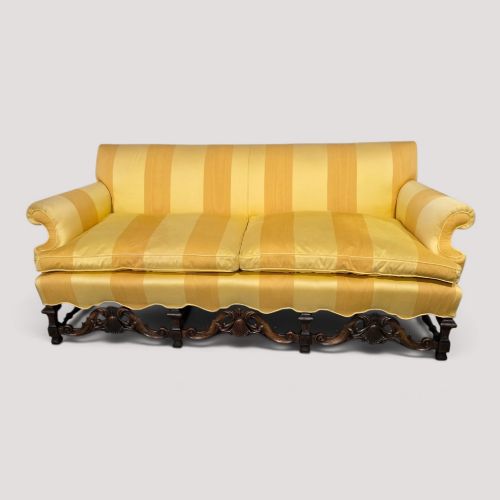
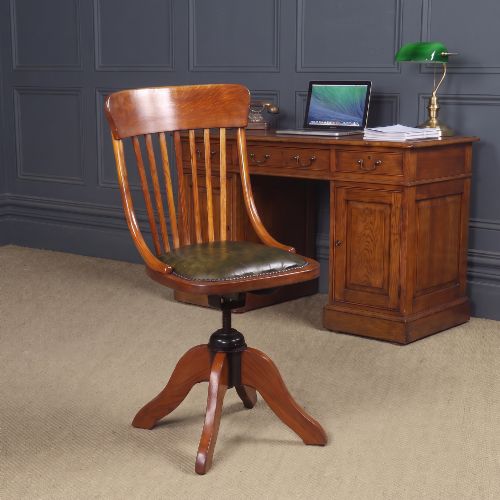
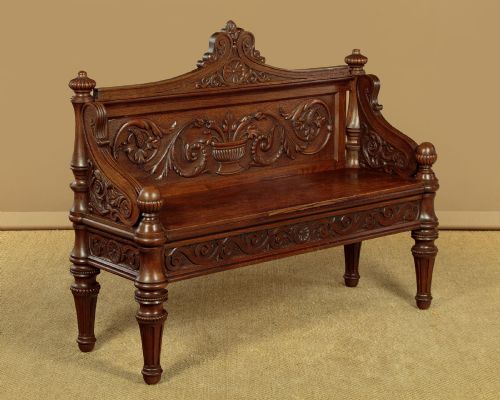
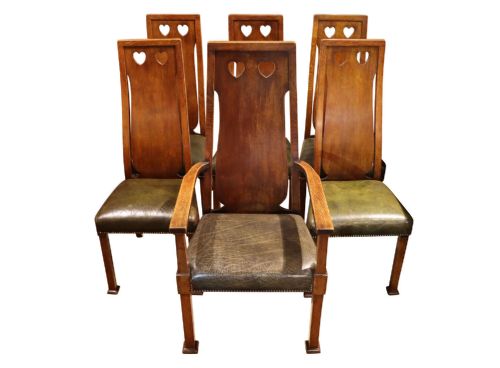
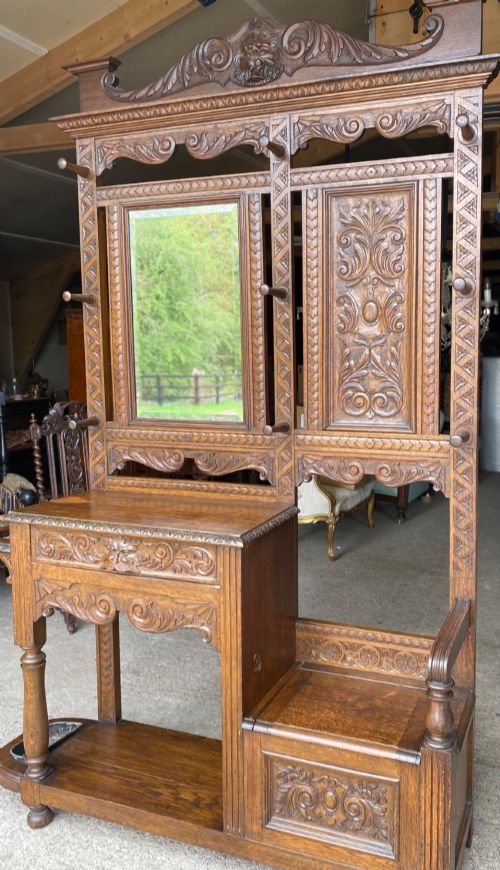
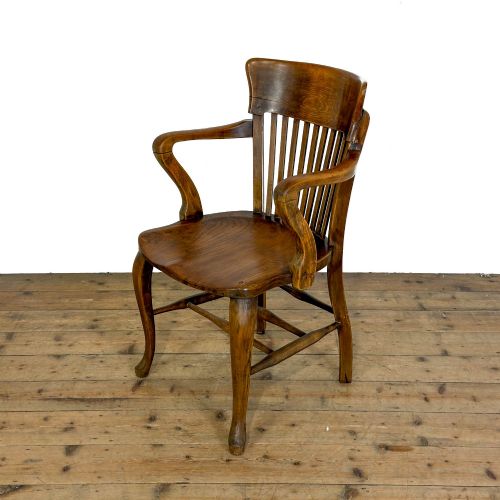
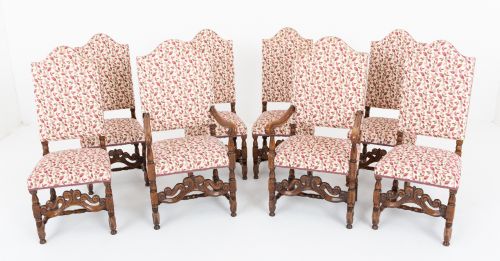
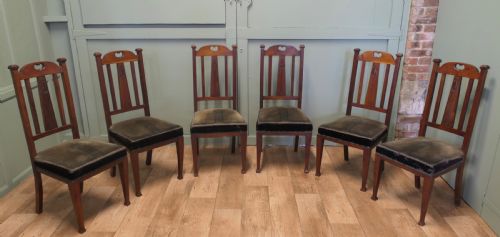
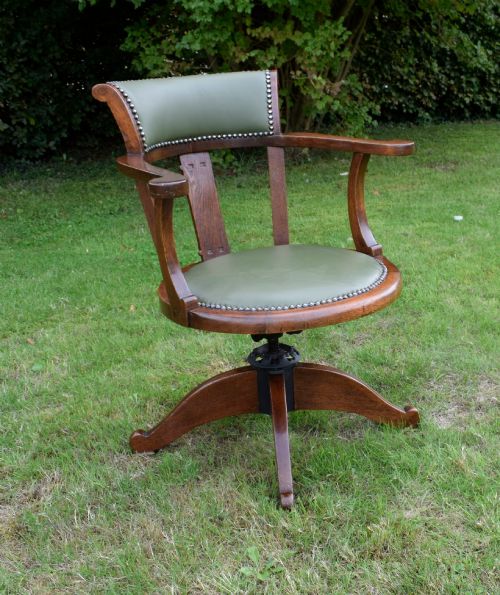
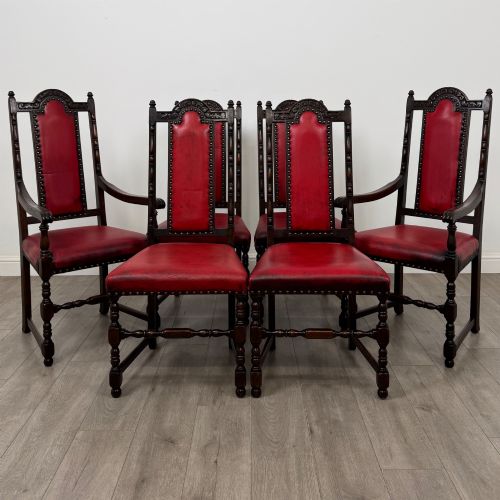
Edwardian oak seating encompasses a broad variety of practical forms designed for domestic and office environments, ranging from single armchairs and desk chairs to sets of dining chairs. When exploring edwardian oak seating, buyers frequently encounter dining chairs, hall seats, and swivel desk chairs produced around the turn of the twentieth century.
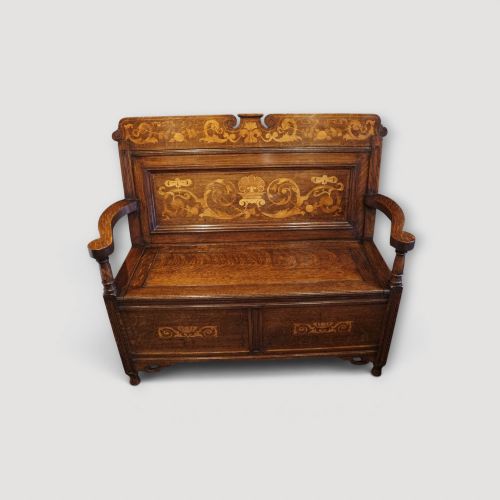
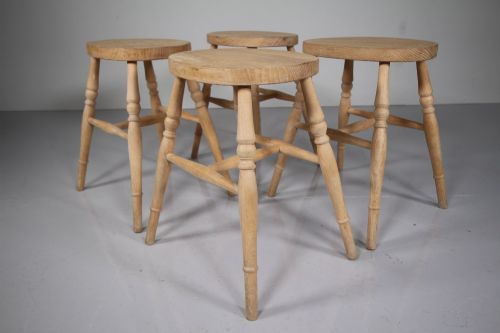
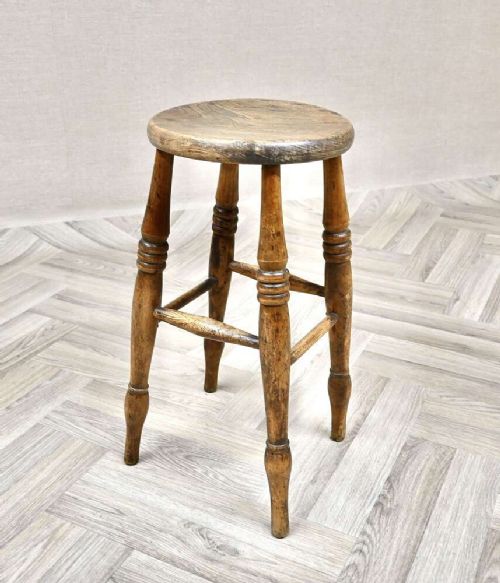
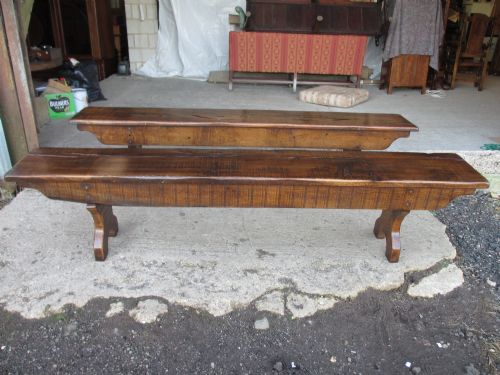
The objects span several related periods alongside the core Edwardian era, incorporating nineteenth-century survivals, Victorian pieces, and early twentieth-century examples up to the 1920s. Common object types include reclining armchairs, clerks' stools, monks benches, and refectory dining benches.
Regional and stylistic influences shape the selection significantly, drawing on English country, Scottish School, and Arts and Crafts traditions. Pieces often integrate utilitarian purposes with distinct aesthetic movements, resulting in functional furniture suited to both formal rooms and informal spaces.
Distinctions in Standard
Variations in quality stem from the integrity of the primary timber and the execution of carved or structural details. Pieces exhibiting robust joinery, such as pegged framing and well-fitted swivel mechanisms, stand apart from simpler utilitarian items.
The selection of secondary materials further differentiates examples, where high-grade leather upholstery, intact rush seating, or original brass hardware elevate a piece above standard domestic output. The harmony between utilitarian function and thoughtful design, as seen in Arts and Crafts or Scottish School iterations, determines the upper tier of the range.
Liberty Morris And Co·GIllows
The Edwardian Oak Seating Glossary
- Bergere
- An upholstered armchair featuring woven cane panels on the back and sides. This technique lightens the visual weight of the heavy oak frame.
- Monks Bench
- A multifunctional piece of furniture that converts from a bench with a solid back into a table. It provides dual utility in compact spaces.
- Rush Seat
- A seating surface woven from dried marsh rushes around a wooden frame. It yields a textured, resilient surface common in country and Arts and Crafts chairs.
- Refectory
- A long, narrow table style adapted for communal dining, frequently paired with matching oak benches or stools. The design prioritises sturdy trestle supports.
- Glastonbury Chair
- A folding armchair of medieval origin with an X-frame base and sloping panel back. Revival versions often feature carved trefoil details.
Edwardian Oak Seating: Frequently Asked Questions
How do I identify an Arts and Crafts chair?
Arts and Crafts chairs typically display exposed joinery, clean vertical lines, and a focus on the natural grain of the oak timber. They frequently incorporate woven rush seats or simple leather pads.
Unlike heavily carved Victorian styles, these pieces emphasise hand-craftsmanship and functional simplicity. Their design philosophy rejects mass-produced industrial excess in favour of traditional construction methods.
Where were hall benches placed?
Hall benches were traditionally positioned in entranceways, hallways, or vestibules to provide a convenient seat for putting on or removing footwear. Many incorporate integrated storage beneath the seat or built-in stick stands.
Their narrow proportions allowed them to fit into transitional spaces without obstructing movement. They served as a practical greeting point for visitors entering the home.
How do I care for antique oak furniture?
Antique oak furniture benefits from a stable environment away from direct sunlight and extreme temperature fluctuations, which can cause timber to split. Regular dusting with a soft, dry cloth preserves the finish.
Occasional application of appropriate wax polish maintains the moisture and natural lustre of the oak. Avoid synthetic cleaners or silicone-based products that can penetrate and degrade the wood.