




George V Stool
George v stool examples bring period seating history to life, offering collectors historic timber forms and royal commemorative designs.
George V Stool
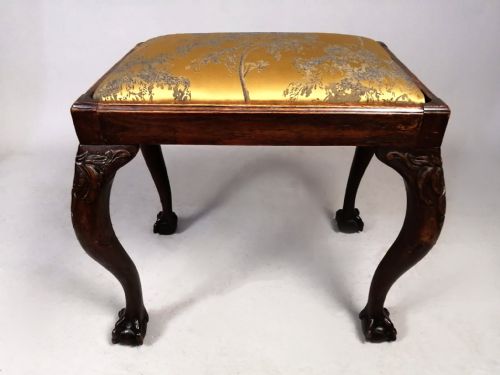
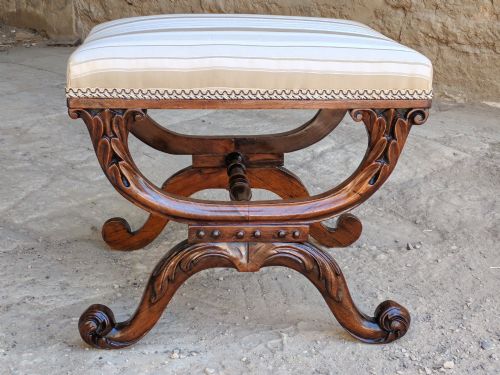
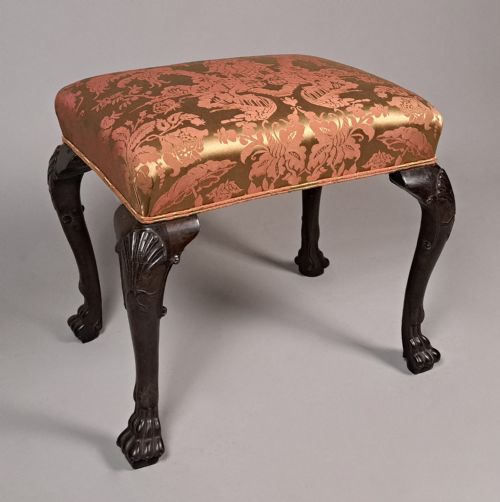
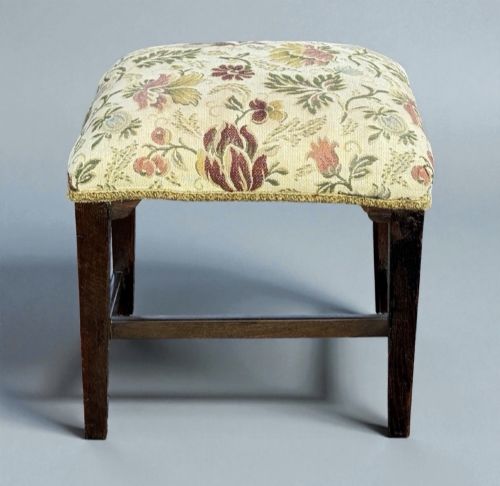
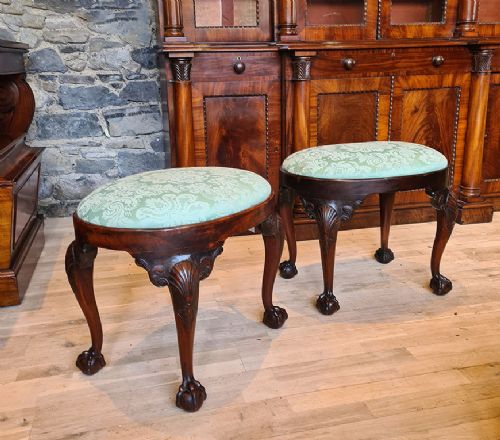
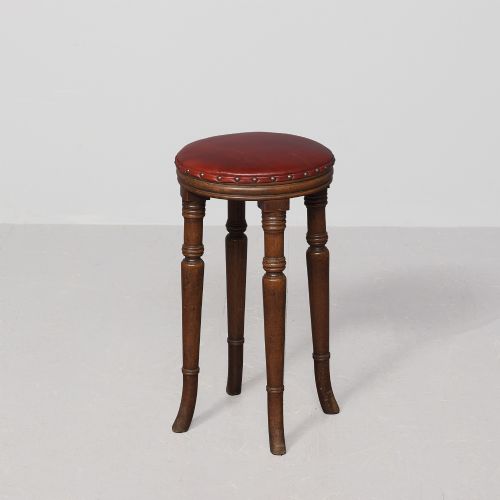
A george v stool encompasses historic seating forms linked to early twentieth century royal coronations and period revivals. Buyers seeking these pieces encounter commemorative oak seating alongside walnut and mahogany designs spanning eighteenth to twentieth centuries.
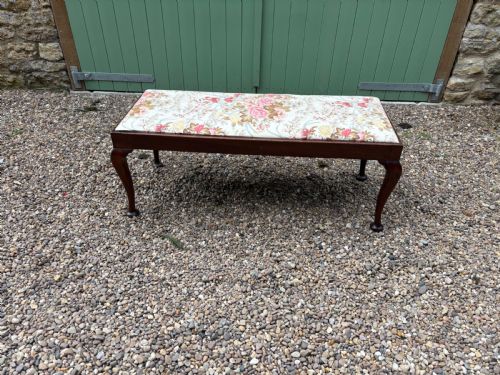
The selection ranges from low footstools and dressing stools to long benches and library steps, reflecting diverse domestic and ceremonial uses. Pieces appear in distinct styles including Georgian periods and later revivals.
Materials and construction
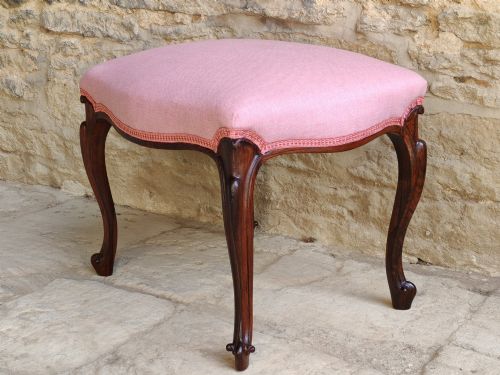
Craftsmen utilised solid timbers such as mahogany, walnut, oak, elm, and rosewood for the frames, often incorporating carved details and turned legs. Structural joinery supports the wooden forms across different periods.
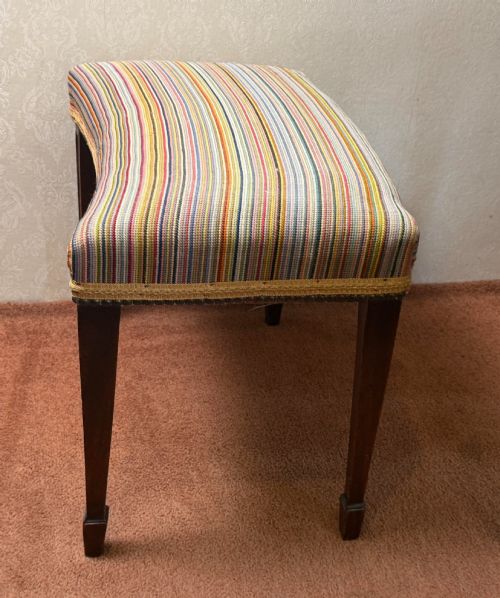
Upholstered elements feature traditional textiles including velvet, fabric, leather, and embroidered tapestry. Brass studs and buttoning frequently secure the coverings to the wooden frames.
Listings feature timbers like mahogany, walnut, oak, and rosewood paired with textile, velvet, and leather upholstery.
Assessing quality and execution
The standard of carving determines much of the distinction between pieces, with crisp execution in wood elevating certain examples. Proportions and the grace of the leg design also separate standard items from superior works.
Original upholstery materials and the integrity of the timber frame influence the standing of an item. Surviving maker signatures or specific institutional association add historical weight.
B. North & Son·Waring & Gillow·Gillows of Lancaster
The George V Stool Glossary
- Cabriole leg
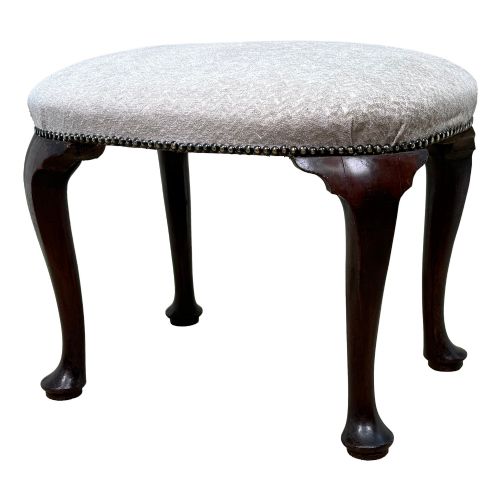
- An S-shaped furniture leg curving outward at the knee and tapering inward to an ankle. This form appears frequently on walnut and mahogany seating.
- Ottoman
- A low upholstered seat or bench without arms or back. These large pieces often serve as footrests or centre seating.
- Commode chair
- A disguised chamber pot enclosure housed within a wooden seat. Eighteenth and nineteenth century examples often resemble standard armchairs or stools.
- Tapestry
- A heavy hand-woven textile featuring pictorial designs used for seat covers. Many period stools retain needlework upholstery.
- Giltwood
- Timber coated with gold leaf or a gold-coloured finish. This treatment decorates formal ceremonial and display seating.
George V Stool: Frequently Asked Questions
What is a george v stool?
A george v stool primarily refers to commemorative seating produced for the 1911 coronation ceremonies. These oak pieces connect directly to twentieth century royal events.
Collectors also encounter broader stylistic variations associated loosely with the era, though coronation forms remain the definitive example.
How were these stools used?
Ceremonial coronation stools provided seating for attendees within Westminster Abbey during royal services. Domestic variants served various functions including footrests, piano seating, and dressing table stools.
Their sturdy timber frames accommodated frequent daily use in period libraries, drawing rooms, and bedchambers.
How do I identify the period?
Dating relies on examining the timber species, joinery techniques, and stylistic vocabulary of the frame. Eighteenth century pieces display distinct carving styles compared to later nineteenth century revivals or twentieth century commemorative items.
Maker stamps and structural hallmarks help confirm exact manufacturing eras.
Are these pieces suitable for daily use?
Solid hardwood construction ensures these stools remain structurally robust for modern interiors. Careful placement protects antique textiles and leather upholstery from excessive wear.
Maintenance involves traditional wood care and gentle cleaning appropriate for historic fabrics.