



Edwardian Novelty Pin Cushion
When you seek an edwardian novelty pin cushion, you hunt for miniature silver animals and objects that hold pins with charm and precision.
Edwardian Novelty Pin Cushion
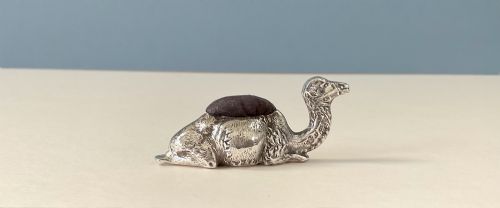
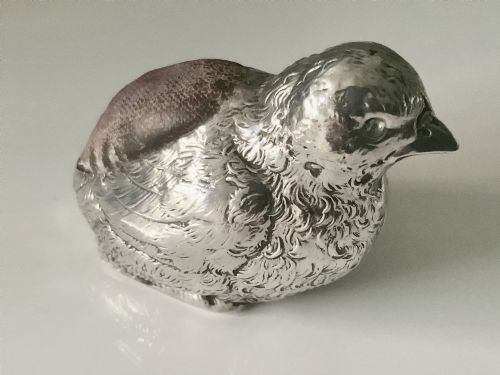
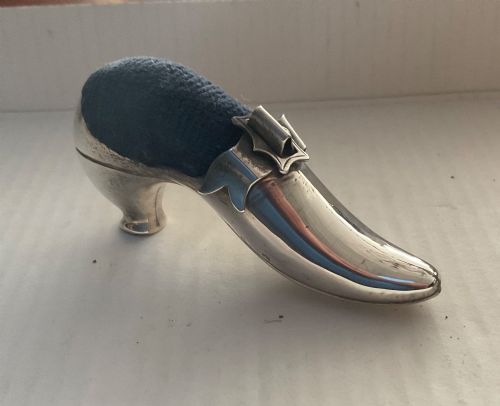
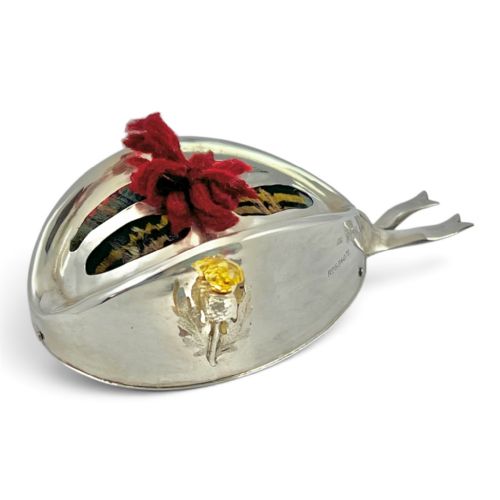
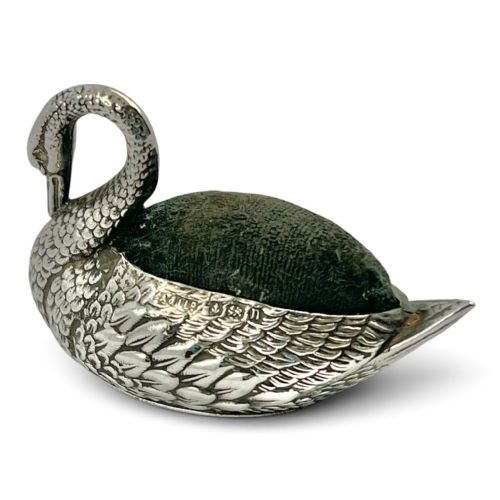
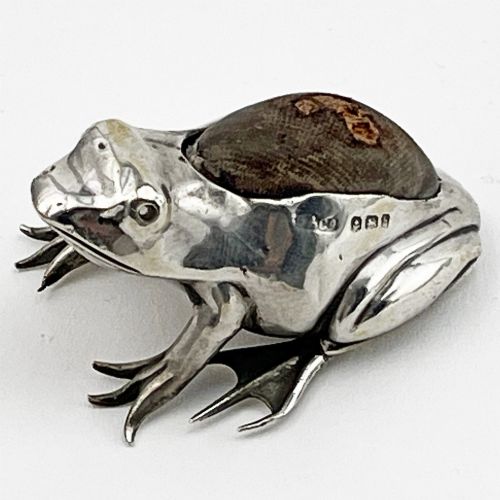
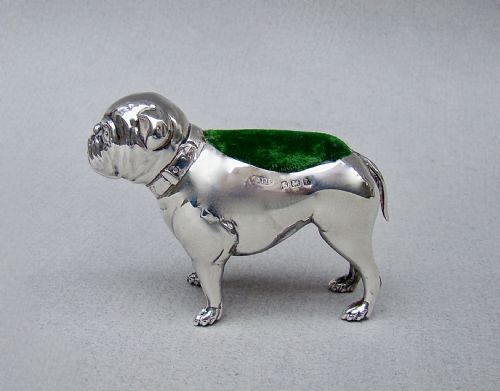
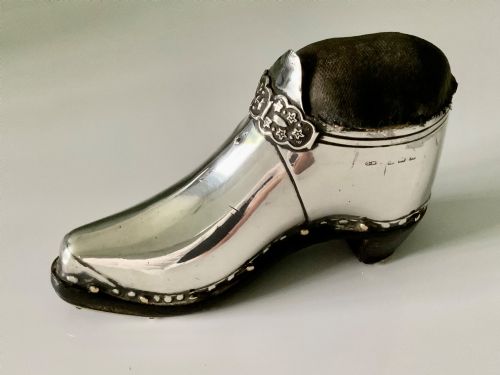
An edwardian novelty pin cushion takes the form of animals, birds, footwear, and household items fashioned in silver to hold sewing pins on dressing tables and desks. These miniature sculptures combine utility with whimsy, reflecting the Edwardian taste for decorative desk accessories.
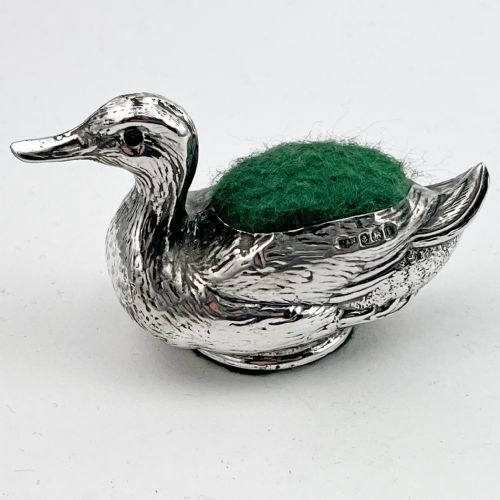
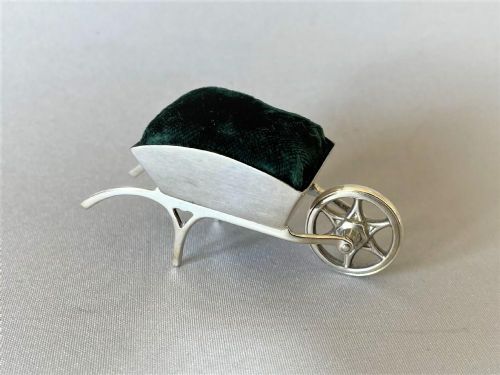
The selection centres heavily on Edwardian pieces, alongside related Victorian and George V examples. Animals such as pigs, swans, and bears dominate the forms, sitting alongside shoes, wheelbarrows, and railway lamps.
What Varies in Quality
The fidelity and sharpness of the silver chasing separate standard examples from finer works by known makers. Crisp rendering of anatomical details in animals like lions, frogs, and elephants demonstrates superior silversmithing skill.
The survival and condition of the original velvet or fabric insert heavily influence the integrity of the piece. Finer examples retain their deep-pile velvet and show minimal wear to the delicate silver hallmarks stamped on the body.
Among the menagerie of silver pigs and swans, silversmiths even fashioned tiny police officers and railway lamps to hold your pins.
Adie & Lovekin·Sampson Mordan & Co·Henry Matthews·Levi & Salaman·Sydney & Co·Munsey & Co
The Edwardian Novelty Pin Cushion Glossary
- Hallmark
- Official stamps struck into precious metals to indicate the assay office, standard of silver, and date letter. These marks help verify the period and origin of the piece.
- Chasing
- A metalworking technique where the silversmith punches and hammers the front surface to create raised decorative details. This method brings texture to feathers, fur, and clothing.
- Sterling silver
- An alloy of silver containing substantial pure silver combined with other metals to increase durability. This standard metal appears across the vast majority of these miniature silver objects.
- Velvet
- A woven tufted fabric with a dense, short pile that forms the soft cushion surface. It provides both grip for the pins and a rich texture against the polished silver.
Edwardian Novelty Pin Cushion: Frequently Asked Questions
What were edwardian novelty pin cushions used for?
These small silver pieces sat on dressing tables, sewing desks, and writing surfaces to keep pins close to hand during needlework or daily dressing. Their whimsical designs turned a utilitarian sewing tool into an engaging decorative ornament.
Ladies and gentlemen collected them as much for their decorative appeal as for practical use in managing pins and needles.
How do I identify an Edwardian silver piece?
Look for crisp hallmarks stamped directly onto the silver body or base, which indicate the assay office and the specific year of manufacture. The presence of Edwardian registry marks or date letters pointing to the early twentieth century confirms the era.
Stylistic cues, particularly the naturalistic yet playful rendering of animals and everyday objects, also point to the Edwardian period.
What animals are commonly found as pin cushions?
Pigs and swans appear with notable frequency, alongside elephants, camels, frogs, and various dogs such as bulldogs and terriers. Birds, stags, and bears also feature regularly in the metalwork.
In addition to animals, makers shaped the silver into boots, shoes, canoes, wheelbarrows, and even miniature furniture.
What materials make up the cushion part?
The soft insert typically consists of velvet, felt, or wool fabric stretched tightly over an internal core. This textile provides a secure and gentle grip for sewing pins without blunting their points.
Over decades of use, these fabric inserts occasionally show wear or replacement, making the survival of original material particularly notable.