


Edwardian Miniature Desk
An edwardian miniature desk brings compact craftsmanship to a tabletop, offering collectors small-scale writing furniture and timepieces made with genuine period materials.
Edwardian Miniature Desk
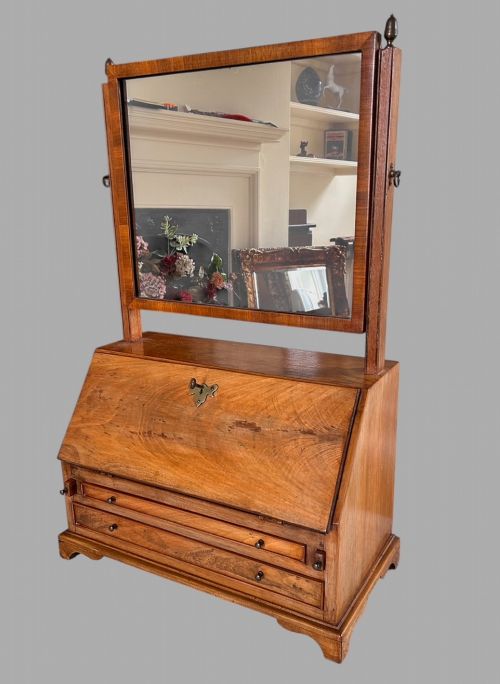
When you search for an edwardian miniature desk, you encounter small-scale items designed for domestic writing spaces and tabletops. These pieces include miniature cylinder display desks, table-top bureaus, and related diminutive furnishings from the period.
The version you are most likely to meet on this page combines compact woodwork with metal fittings or enamel work. Makers produced these items in mahogany, satinwood, and yew wood, often matching the forms of full-sized furniture.
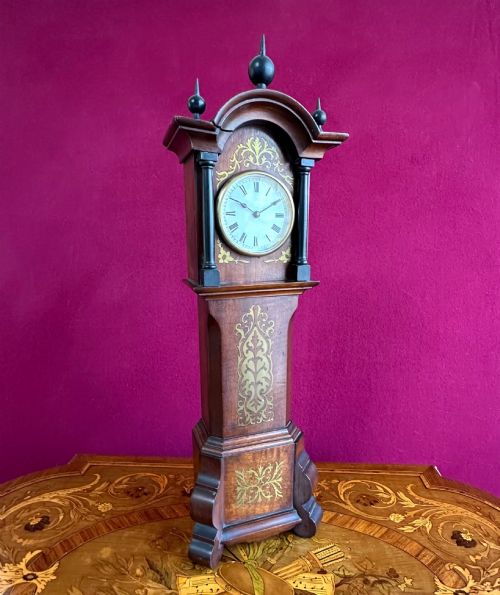
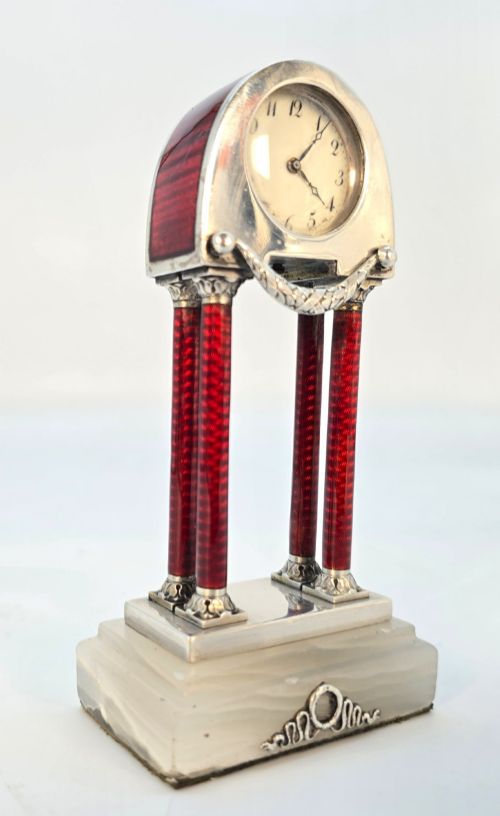
Beyond actual desks, the category expands to include miniature silver carriage clocks, timepieces, and desk accessories. These objects share the same meticulous scale and late-nineteenth to early-twentieth-century origins.
Materials and construction
Cabinetmakers utilised hardwoods such as mahogany, satinwood, and yew wood to build the structural bodies of these diminutive desks and cabinets. They incorporated velvet linings and brass hardware to finish interior compartments and hinges.
Silversmiths and metalworkers applied sterling silver, enamel, and glass to create matching carriage clocks and novelties. Techniques such as guilloche enamel work and chased silver decoration defined the decorative metal surfaces of the era.
Some miniature furniture existed solely as travelling salesman samples, allowing them to demonstrate grand cabinet designs in miniature across the country.
Evaluating craftsmanship
The distinction between standard items and superior examples lies in the precision of the miniature joinery and the integrity of the materials. Finer pieces display crisp wood veneers and well-fitted drawers that operate smoothly despite their small scale.
In metal components, quality is evident in the clarity of the silver hallmarks, the depth of chased decoration, and the preservation of enamel work. Pieces featuring signed movements by known makers or complex decorative programmes stand apart in the marketplace.
Georg Adam Scheid·J Batson And Son·Edwards And Roberts·Henry Matthews·J C Vickery
The Edwardian Miniature Desk Glossary
- Guilloche enamel
- A decorative metal technique involving precise, intricate patterns機械-engraved beneath a translucent enamel layer. This finish appears frequently on miniature timepieces and desk accessories from the period.
- Cylinder display desk
- A compact desk featuring a curved cylindrical roll-top that conceals interior writing surfaces and pigeonholes. Miniature versions replicate these functional mechanisms for tabletop use.
- Kneehole desk
- A small desk design featuring a central recess for the user's knees, flanked by pedestals of small drawers. Diminutive examples scale down this traditional office form for domestic display.
Edwardian Miniature Desk: Frequently Asked Questions
What is an edwardian miniature desk used for?
These small pieces served primarily as decorative items for affluent households, occasionally holding stamps, visiting cards, or small writing supplies. Their diminutive proportions suited them for display on larger pieces of furniture or dedicated writing tables.
Today, collectors use them as cabinet pieces to represent the fine woodworking and metalworking skills of the early twentieth century. They occupy minimal space while providing a focal point for studies or living rooms.
How do I identify an edwardian piece?
Identification relies on examining the combination of timber types, hardware styles, and any accompanying hallmarks or registration marks. Edwardian pieces often blend traditional cabinet forms with lighter woods like satinwood and refined brass fittings.
Consulting hallmarks on silver components provides precise assay office locations and dates. Stylistic cues such as Belle Epoque or early Art Nouveau influences also point firmly to this era.
Are these miniature desks functional?
Most miniature desks feature working drawers, drop-front writing surfaces, or cylindrical covers that open to reveal internal compartments. While their small scale limits practical daily writing use, their mechanical parts generally operate as intended.
Timepieces and carriage clocks within the category often retain functional clockwork movements. Buyers should check individual descriptions to confirm the working status of mechanical elements.
How should I care for wood and silver?
Preserving these items requires maintaining stable indoor humidity levels to protect delicate wood veneers and prevent timber splitting. Gentle dusting with a soft cloth keeps surfaces clean without harming historical finishes.
Silver components benefit from occasional light polishing with a non-abrasive cloth to manage tarnish. Care must be taken to avoid applying cleaning agents directly onto enamel work or fabric linings.