


Edwardian Metal Art
Edwardian metal art brings together hammered copper, polished brass and fluid pewter in domestic objects that bridge the nineteenth and twentieth centuries.
Edwardian Metal Art
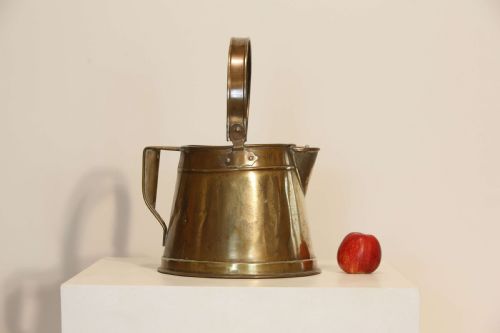
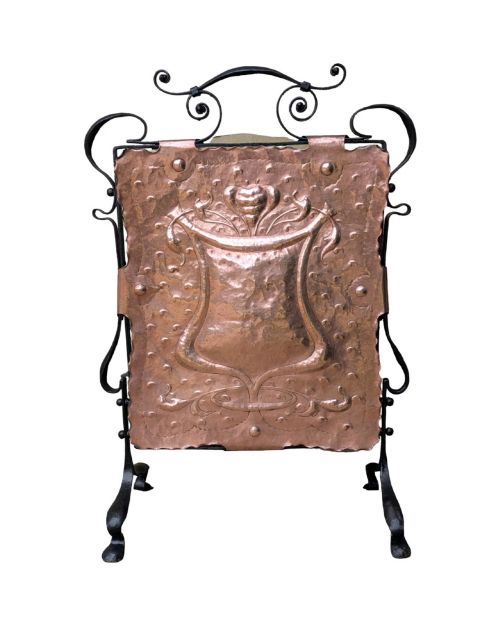
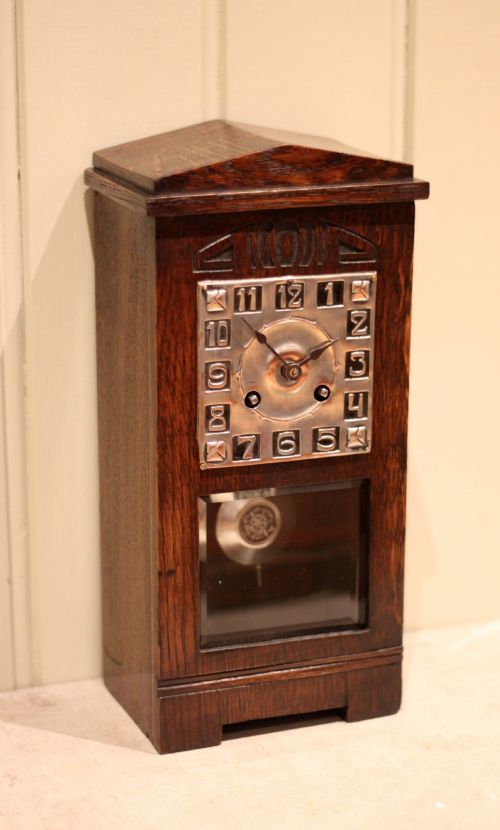
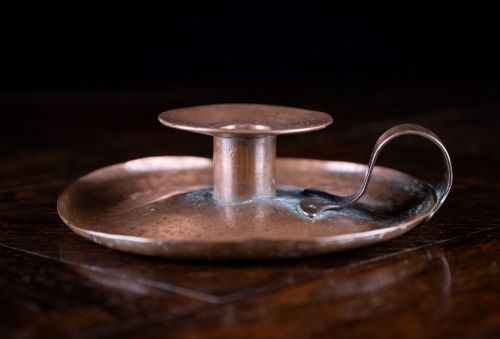
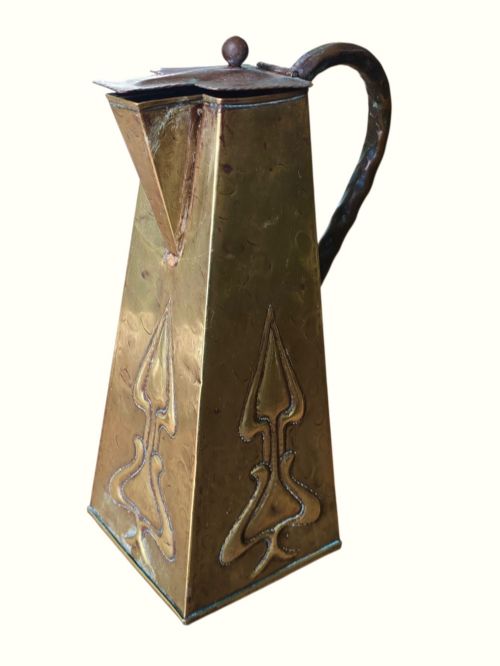
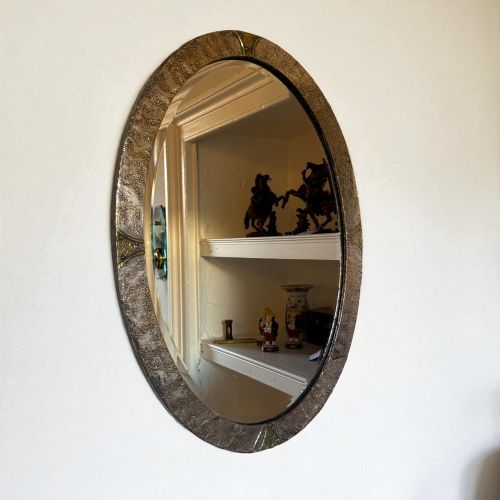
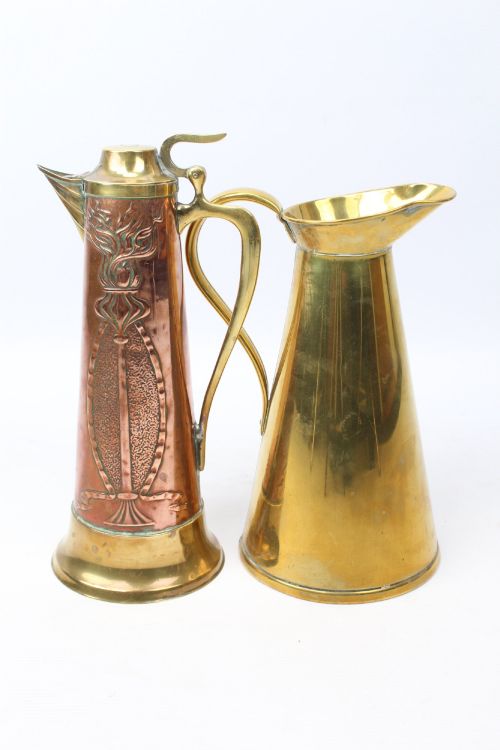
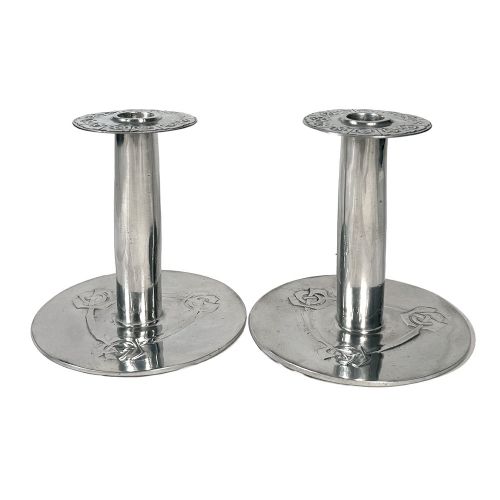
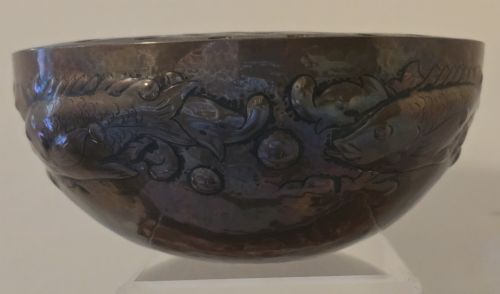
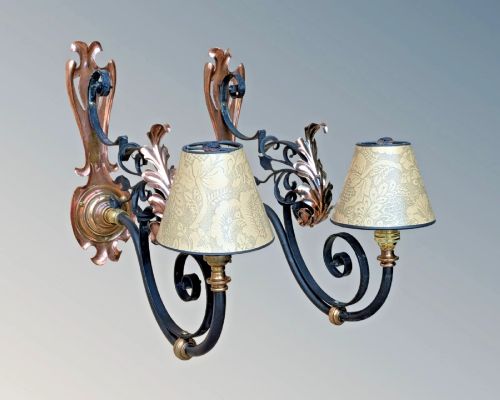
Edwardian metal art encompasses utilitarian and decorative household objects created during the early twentieth century alongside the tail end of the Victorian period. Common forms appearing in this selection include hammered copper jugs, brass candlesticks, iron fire screens and wall mirrors framed in beaten metal. Pieces often reflect the prevailing tastes of the Arts and Crafts movement and Art Nouveau style, prioritising honest craftsmanship over mass production.
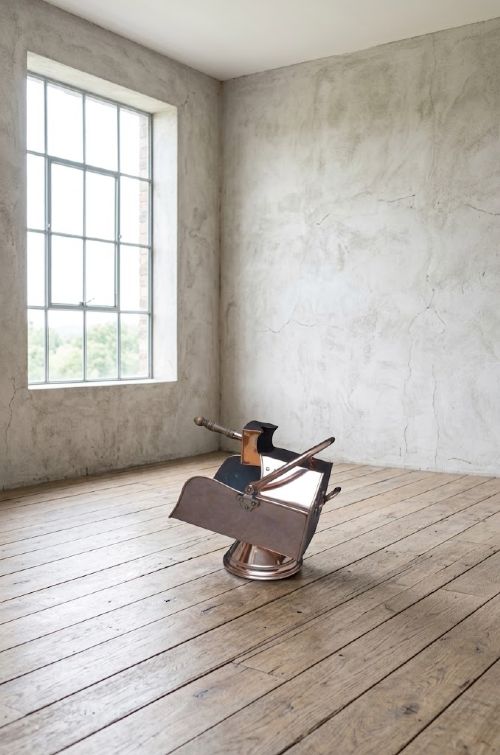
Buyers seeking these works will frequently encounter copper and brass items originating from around nineteen hundred, alongside pewter tableware and iron hearth furniture. Workshops inspired by the Arts and Crafts ethos produced items intended for everyday utility, ranging from coal scuttles to desk blotters and umbrella stands.
Materials and Techniques
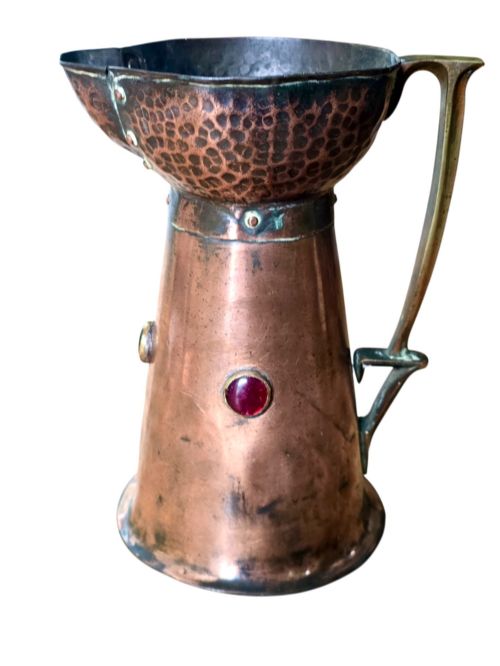
Metals such as copper, brass, pewter and wrought iron form the structural foundation of these pieces, often worked by hand using hammering, beating and casting techniques. Makers embraced visible tool marks as a hallmark of authenticity, leaving textured surfaces on copper mirrors, bowls and jugs.
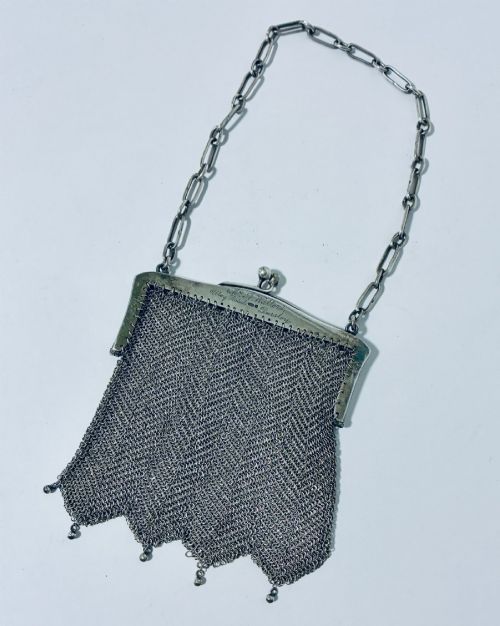
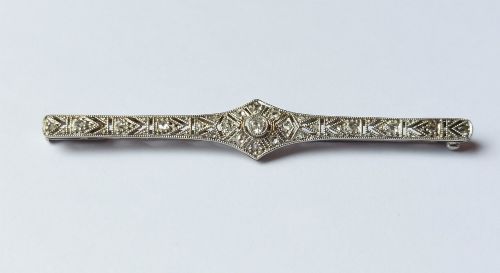
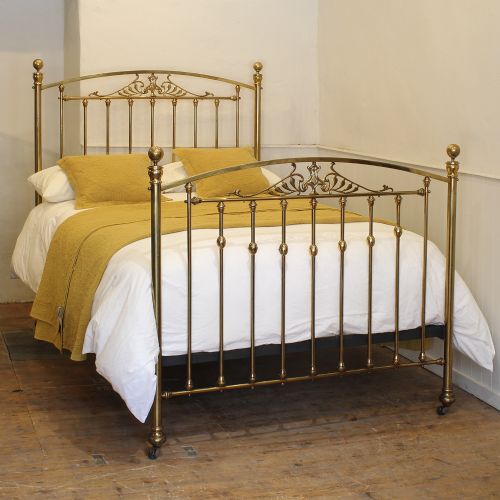
Decoration frequently incorporates cabochons, including enamel or ceramic inserts by potters like Ruskin, set directly into pewter or copper frames. Nickel plating, silver and platinum also appear on specific items like bed frames and jewellery, demonstrating a diverse material palette.
Edwardian Metal Art Retail Price Guide 2026
Typical asking prices for edwardian metal art among the pieces listed under this phrase on Sellingantiques today, from the lower quarter to the upper quarter. They describe what is for sale here now, not the wider market.
Listings feature copper, brass, pewter and wrought iron across the Victorian, Edwardian and Art Deco periods.
Judging Quality
Quality in these metal objects rests upon the crispness of the hand-beating, the integrity of construction and the presence of notable design or maker attribution. Pieces bearing specific guild origins or well-known designer signatures display superior handling of materials and more refined proportions.
The subtlety of surface patination and the quality of applied decorative details, such as securely mounted cabochons or complex pierced metalwork, distinguish finer studio pieces from standard commercial production.
William Soutter and Sons·Liberty and Co·Archibald Knox·William Hutton·Oliver Baker
The Edwardian Metal Art Glossary
- Cabochon
- A polished, convex gemstone or ceramic cabochon set without facets into metalwork. These often feature prominently on pewter and copper pieces from the period.
- Tudric
- The trade name used by Liberty and Co for their range of pewterware, frequently associated with designs by Archibald Knox and Oliver Baker.
- Arts and Crafts
- A design movement advocating traditional craftsmanship, simple forms and medieval guild styles. It heavily influences the metalwork of this era.
- Art Nouveau
- An international style characterised by organic, flowing lines and plant-inspired motifs. It appears frequently in brass and copper frames and jugs from nineteen hundred.
Edwardian Metal Art: Frequently Asked Questions
What is Edwardian metal art?
Edwardian metal art comprises decorative and utilitarian objects made from materials like copper, brass, pewter and iron around the start of the twentieth century. These pieces draw heavily on Arts and Crafts and Art Nouveau philosophies.
Items range from hearth furniture and coal scuttles to wall mirrors, candlesticks and desk accessories, showcasing hand-beaten surfaces and thoughtful design.
How do I identify Arts and Crafts metalwork?
Arts and Crafts metalwork is characterised by visible hand-beaten textures, honest construction methods and a focus on utility combined with artistic design. Look for tool marks on copper and brass surfaces.
Many pieces incorporate natural motifs, riveted joints, or decorative cabochons, reflecting a rejection of mass-produced factory ornamentation.
How should I clean antique copper and brass?
Antique copper and brass are best maintained with minimal intervention to preserve their natural historic patination. Avoid harsh chemical cleaners that strip away age.
Dusting with a soft dry cloth is usually sufficient for regular upkeep, allowing the metal to retain the warm tones developed over a century of existence.