



Edwardian Mahogany Timepiece
An edwardian mahogany timepiece brings reliable mechanical movement and rich timber cases into domestic spaces.
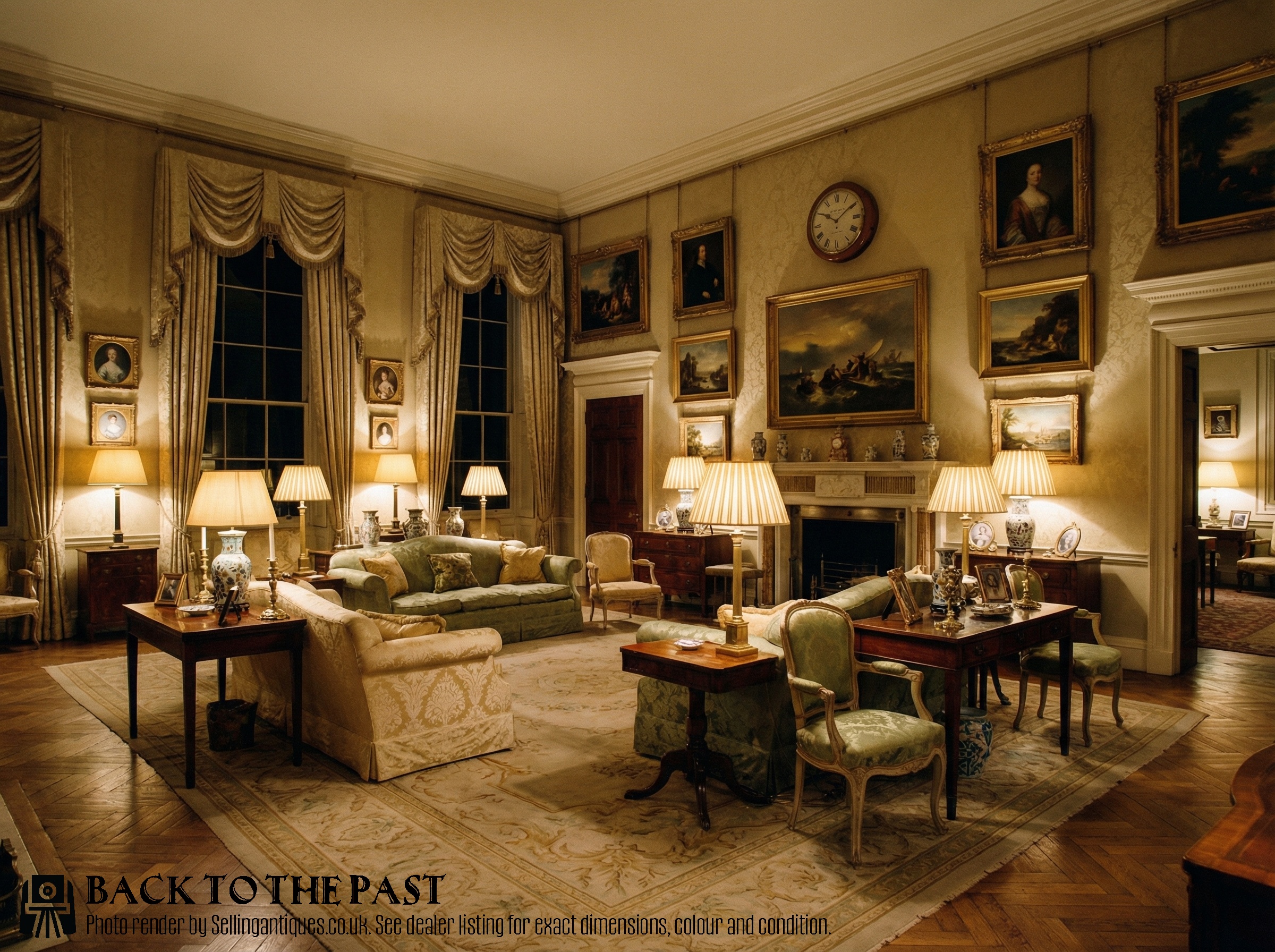
Edwardian Mahogany Timepiece
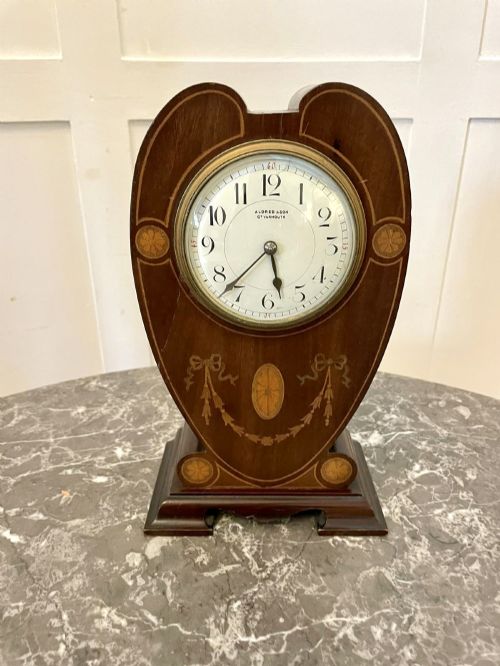
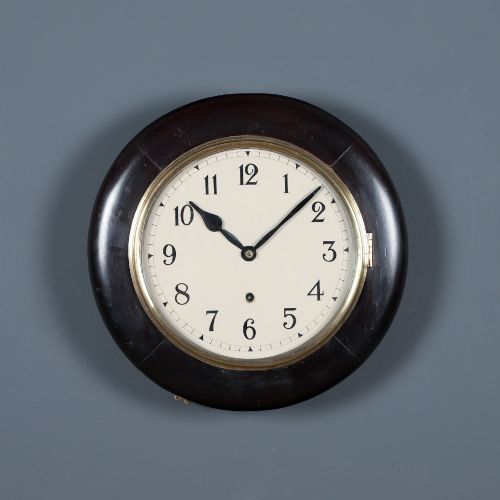
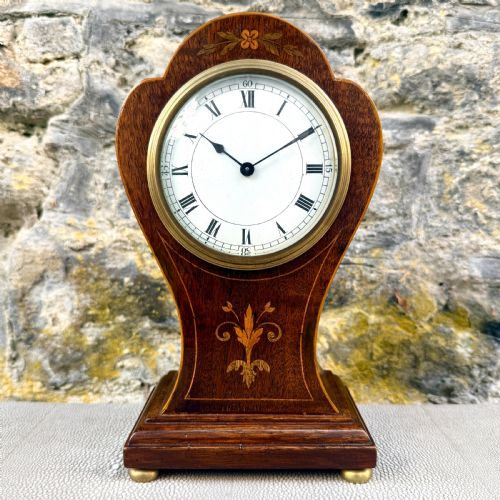
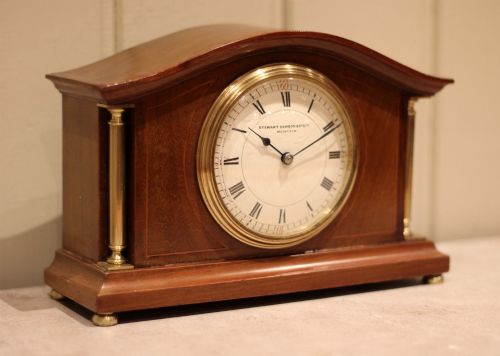
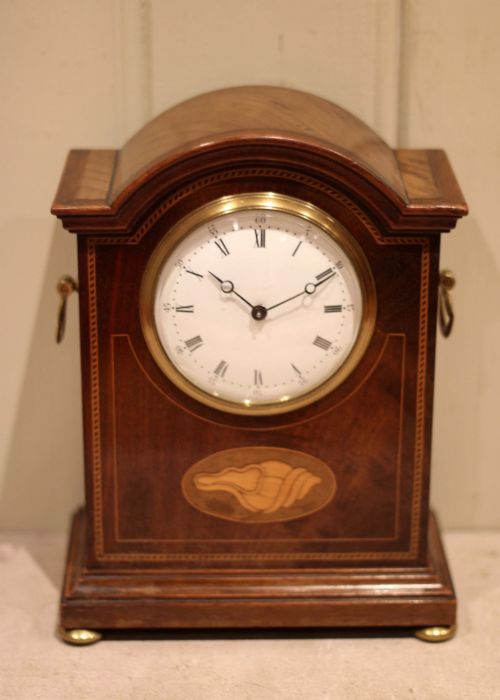
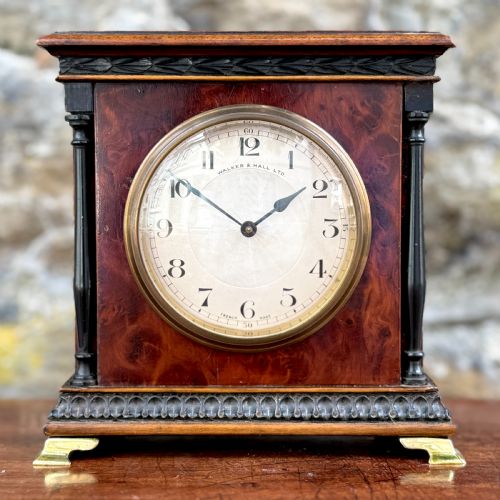
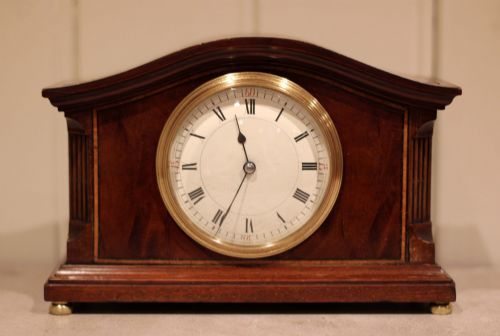
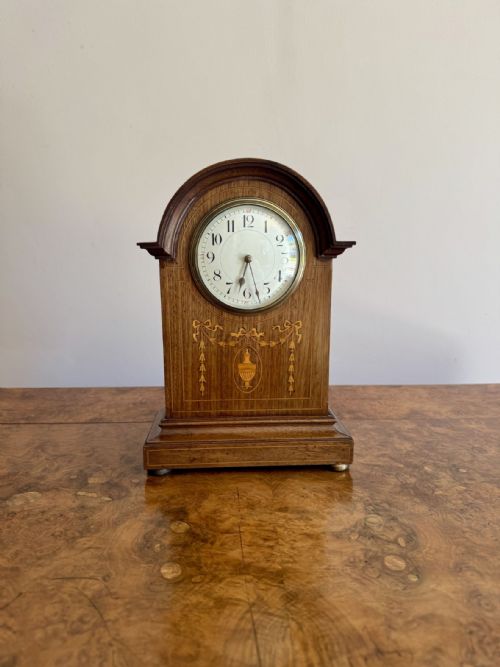
When you search for an edwardian mahogany timepiece, you encounter compact mantel clocks and wall-mounted variants designed for domestic and commercial interiors. The majority of pieces on this page stem from the Edwardian period and the early twentieth century, taking shapes such as balloon, lancet top, and architectural arch forms.
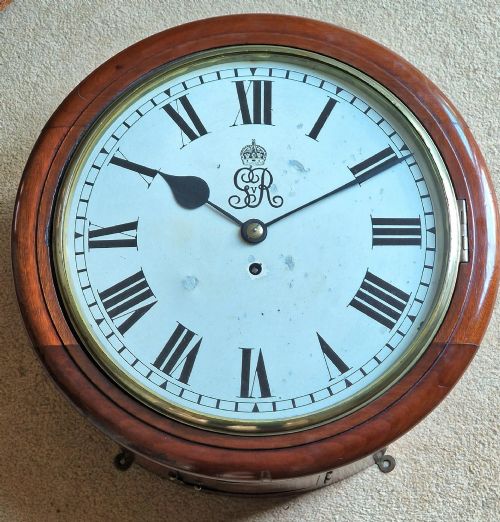
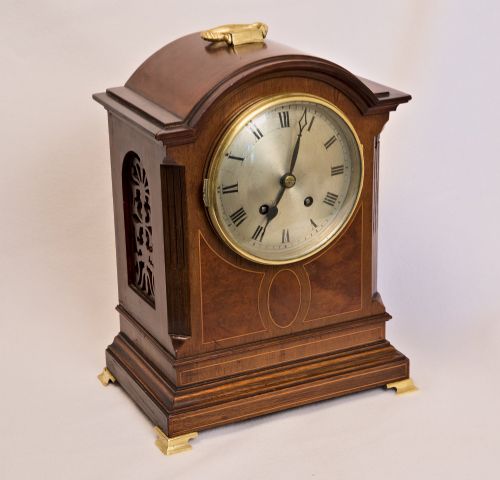
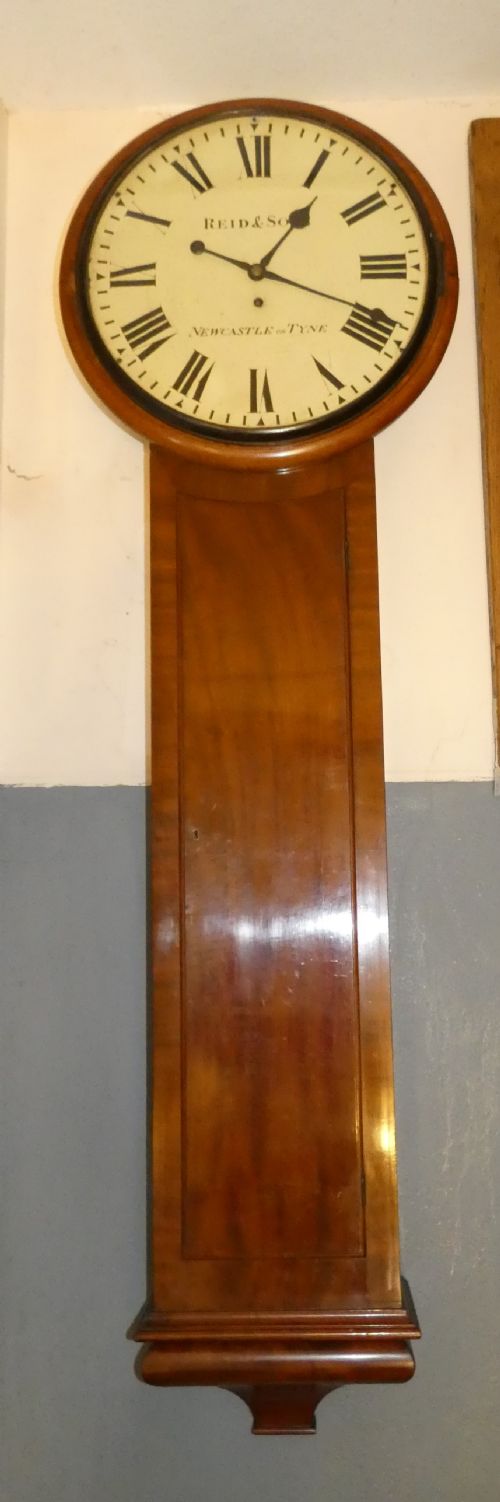
Makers utilised solid timber and veneers to produce small bracket clocks alongside larger round dial wall clocks intended for stations and offices. Alongside domestic mantel pieces, railway and military contexts contribute fusee movements and heavy bezels to the selection.
Materials and Construction
Cases combine solid mahogany with delicate satinwood inlay, brass bezels, and glazed doors protecting enamel dials. Cabinetmakers shaped the timber into lancet, balloon, and architectural outlines, often incorporating herringbone patterns and contrasting stringing into the polished surface.
Internal mechanisms rely on brass gear trains, iron components, and fusee or spring-driven movements that regulate the passage of hours. Dial faces feature painted Arabic or Roman numerals behind curved glass panels, secured by brass bezels and hinges.
Edwardian Mahogany Timepiece Retail Price Guide 2026
Typical asking prices for edwardian mahogany timepiece among the pieces listed under this phrase on Sellingantiques today, from the lower quarter to the upper quarter. They describe what is for sale here now, not the wider market.
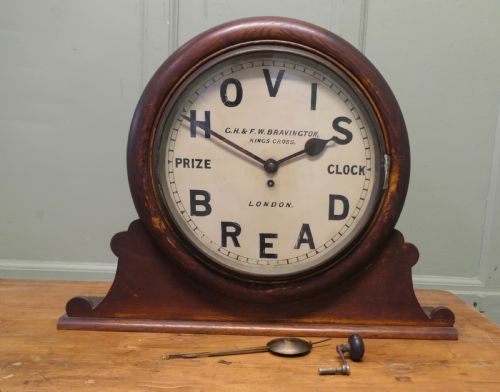
Some timepieces carry the names of historic railway companies and Hovis bakeries, reminding us they once timed the baking of bread and the running of trains.
Distinctions in Standard
The degree of refinement in cabinetwork and dial execution separates standard production items from finer workshop pieces. Subtle marquetry, balanced proportions, and crisp dial lettering distinguish superior specimens from simpler output.
Makers demonstrated skill through the precision of the timber joints, the depth of the mahogany grain, and the integrity of the brass movement. The integration of specialty veneers and delicate floral inlay indicates a higher tier of domestic timekeeping.
G.H.& F.W. Bravington London·Walker and Hall·Winterhalder & Hofmeier·Anglo Swiss Watch Co.·Balbiani BROOKLEY·Edward Hannam London·Palmer and Co.
The Edwardian Mahogany Timepiece Glossary
- Timepiece
- A clock that measures and indicates the time without a striking mechanism. These movements focus purely on the progression of hours and minutes.
- Fusee
- A conical pulley used in mechanical clocks to maintain an even pull on the gear train as the mainspring unwinds. This mechanism ensures consistent timekeeping accuracy across the power reserve.
- Bracket clock
- A portable household clock originally designed to sit on a wall bracket or table. Examples often feature brass carrying handles and glazed side panels.
- Drop dial
- A wall-mounted clock featuring an extended wooden case below the circular dial to accommodate a pendulum. Railway companies and schools favoured this layout for legibility in large rooms.
- Inlay
- Pieces of contrasting wood, such as satinwood, fitted into the surface of the mahogany case to form decorative patterns. This technique defines much of the Edwardian decorative vocabulary.
Edwardian Mahogany Timepiece: Frequently Asked Questions
How do I wind an edwardian mahogany timepiece?
Insert the appropriate winding key into the dial arbor and turn it gently until you feel resistance. Avoid over-winding to protect the delicate internal mainspring from damage.
Ensure you support the clock case with one hand while operating the key with the other. Regular, careful winding keeps the brass gear train functioning smoothly over time.
Where should I place a mantel clock?
Position your clock on a stable, level surface away from direct sunlight, radiators, and draughts. Flat mantelpieces, sideboards, and study desks provide suitable domestic environments.
Checking that the surface does not vibrate prevents the pendulum or balance wheel from losing its rhythm. Stable placement ensures the mechanical movement keeps accurate time.
How do wall clocks attach securely?
Wall-mounted pieces utilise internal mounting brackets or rear hanging loops designed to bear the weight of the timber case and brass movement. Fasten your fixings directly into solid wall studs or use appropriate wall anchors.
Allow the drop dial or regulator to hang vertically without tilting to ensure the escapement operates correctly. Correct alignment prevents the pendulum from striking the inside of the case.
What maintenance do these movements require?
Keep the exterior mahogany case polished with appropriate beeswax and clean the glass face with a dry cloth. Professional cleaning and lubrication of the brass gear train every few years preserves the internal components.
Avoid using liquid cleaners near the enamel dial or painted numerals. Routine care protects both the timber veneer and the historic mechanism.