





Edwardian Mahogany Chair Pair
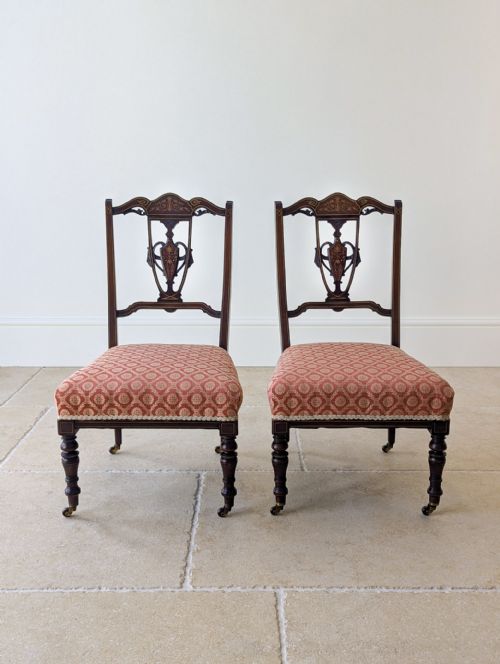
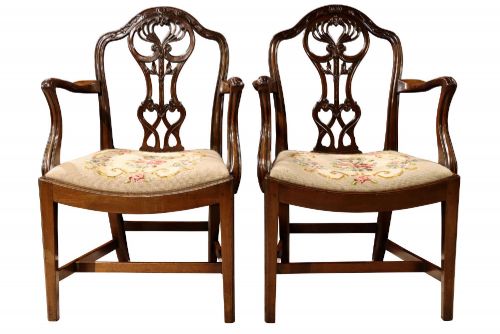
When hunting an edwardian mahogany chair pair, you find matching seats crafted for formal parlours, libraries and drawing rooms.
Edwardian Mahogany Chair Pair
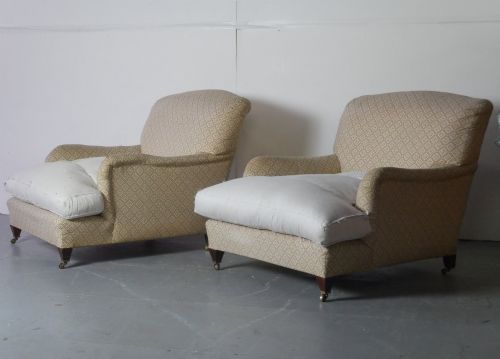
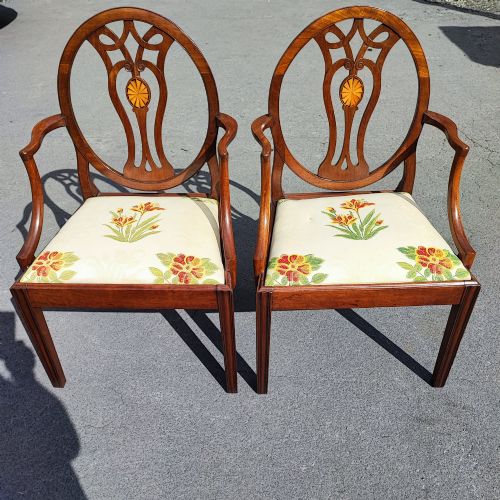
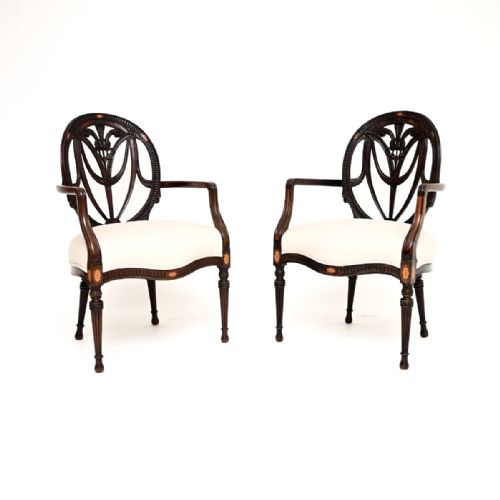
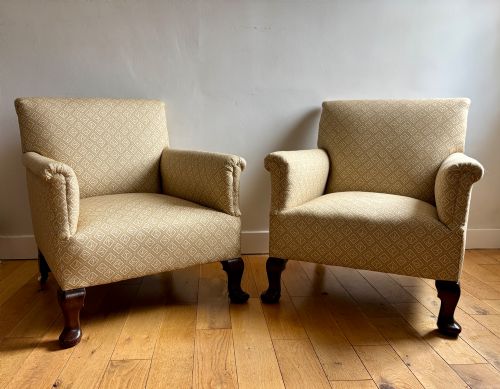
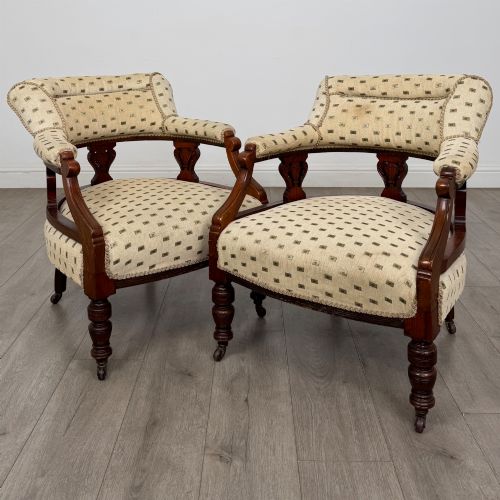
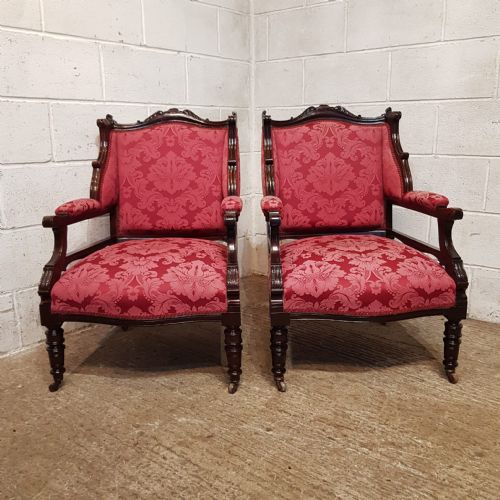
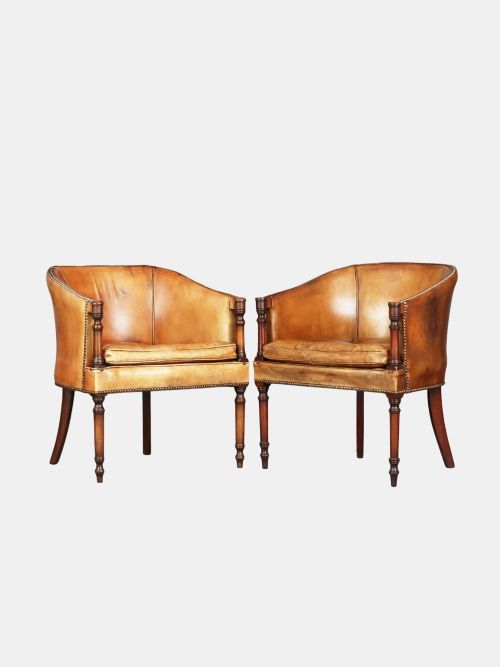
An edwardian mahogany chair pair brings symmetrical seating into a home, reflecting the refined tastes of the early twentieth century and late nineteenth century. Buyers searching this phrase encounter various forms, including open armchairs, tub chairs, corner seats and compact salon designs.
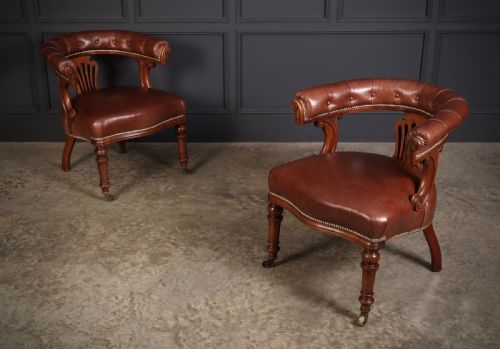
The Edwardian examples dominate the selection, alongside items from the Victorian era and occasional Regency interpretations. These seats served multiple domestic functions, functioning equally well as bedroom furnishings, library reading seats or formal drawing room conversation pairs.
Most pieces appear in matching sets of two, though similar pairs and matched configurations also emerge from the archive records. The craftsmanship aligns closely with revival aesthetics, drawing heavily on Sheraton and Chippendale idioms.
Materials and construction
Solid mahogany forms the structural foundation of these frames, often selected for its rich grain and durable qualities. Cabinet makers enhanced the timber using contrasting satinwood inlay, decorative stringing and delicate marquetry motifs.
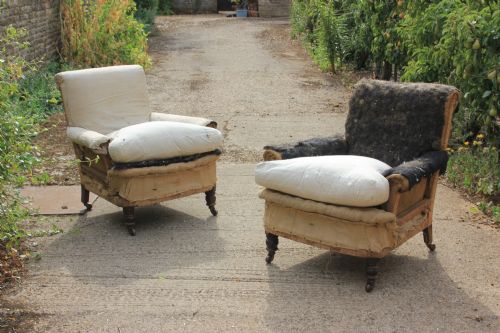
Upholstery materials vary from utilitarian leather and heavy velvet to fine silk, textured fabric and woven cane panels. Brass castors frequently support the legs of library and club models, allowing smooth movement across floor coverings.
Listings feature mahogany, brass, leather, satinwood inlay and velvet across various domestic seating forms.
Factors determining quality
Superior examples display crisp hand-carving and precise wood inlay without gaps or misalignment in the decorative banding. The complexity of the frame geometry, such as curved tub backs or intricate pierced splats, signals higher workshop standards.
Original upholstery materials and maker stamps elevate the standing of a pair among collectors. Frame rigidity and the condition of the underlying joinery dictate the endurance of each seat.
Whytock and Reid·Harrods London
The Edwardian Mahogany Chair Pair Glossary
- Carver armchair
- A dining chair fitted with arms, traditionally placed at the head of a table or used as an occasional seat. These items feature prominently in formal room layouts.
- Tub chair
- An upholstered seating form where the back rail curves continuously around to form enclosed armrests. This shape offers deep, enclosed comfort.
- Inlay
- A decorative technique where contrasting woods or metals are fitted flush into the primary mahogany surface. Satinwood is frequently employed for this contrasting work.
- Bergere
- An enclosed armchair with woven cane panels set into the wooden frame. This French-inspired style gained widespread popularity during the Edwardian period.
- Corner chair
- A seat designed to fit into the corner of a room, featuring a diagonal orientation and a curved back rail supported by multiple posts.
Edwardian Mahogany Chair Pair: Frequently Asked Questions
Where were these chairs placed?
Homeowners positioned these matched seats in drawing rooms, bedrooms and libraries for social gatherings or quiet reading.
Pairs often flanked fireplaces or stood near writing desks to maintain visual symmetry within the interior scheme.
How do I distinguish Edwardian from Victorian pieces?
Edwardian frames generally exhibit lighter proportions and more delicate inlay work compared to heavier Victorian counterparts.
Victorian examples frequently rely on dense carving, heavier wood dimensions and darker finishes rather than bright satinwood highlights.
Are these seats comfortable for daily use?
Many library and tub variants offer deep cushioning and supportive armrests designed for extended sitting.
Formal salon and side models prioritise upright posture and decorative presence over deep padding.
What is a matched pair?
A matched pair consists of two separate chairs sharing identical dimensions, timber, and decorative motifs brought together later.
Unlike pieces built simultaneously from the same workshop batch, matched examples display very close stylistic harmony.