




Edwardian Low Armchair
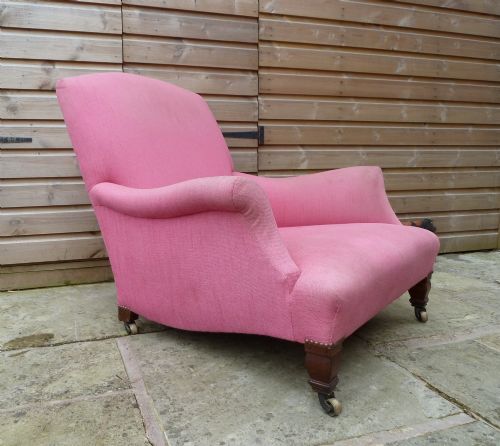
An edwardian low armchair brings a deep, relaxed seat and tailored upholstery to a parlour, bedroom or sitting room.
Edwardian Low Armchair
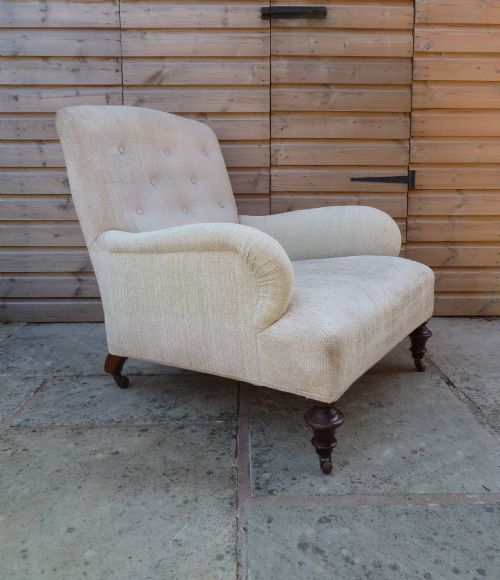
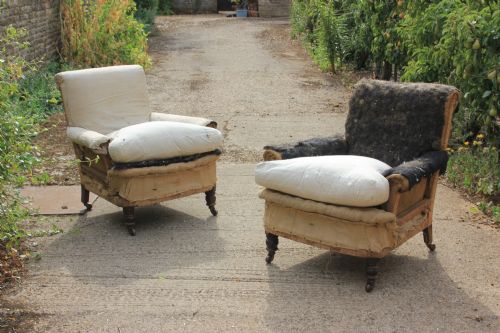
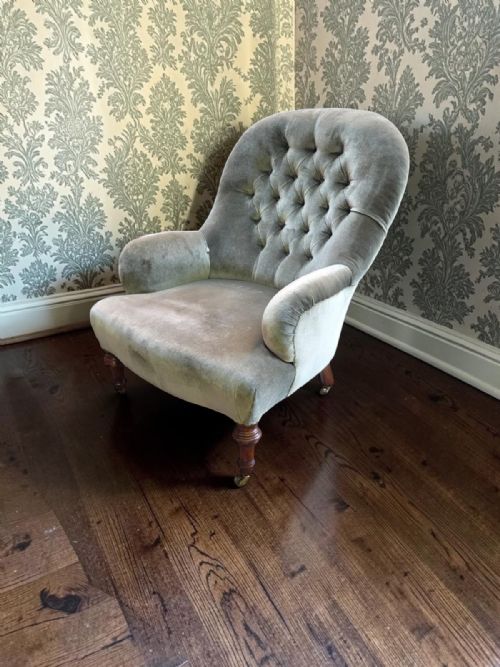
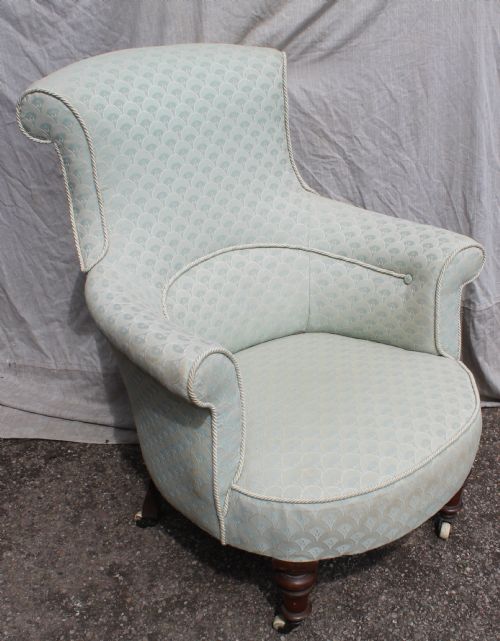
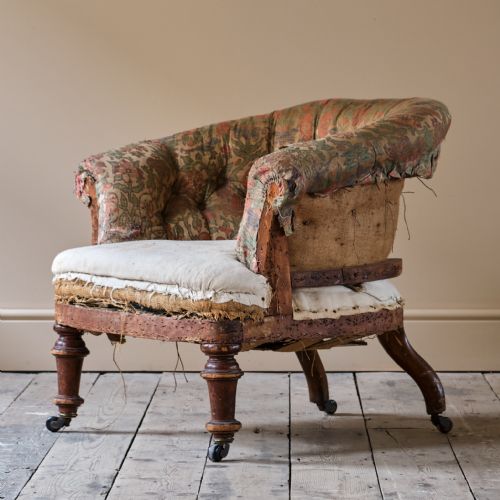
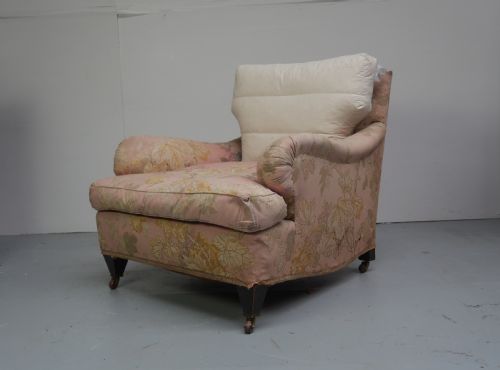
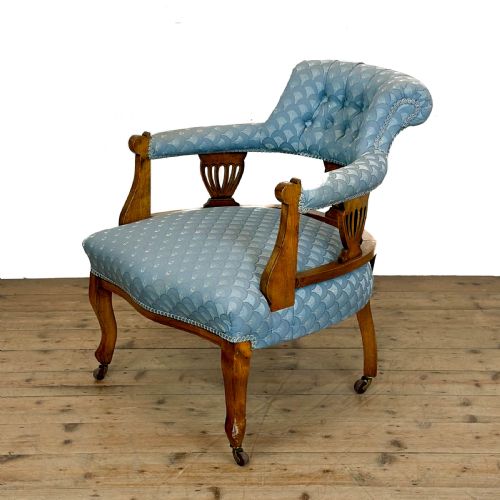
The search for an edwardian low armchair encompasses deep-seated club chairs, button-backed occasional seating, and open-arm salon pieces originating primarily from the late nineteenth and early twentieth centuries. These designs range from substantial English country house seating to compact bedroom and slipper chairs tailored for lower seating heights.
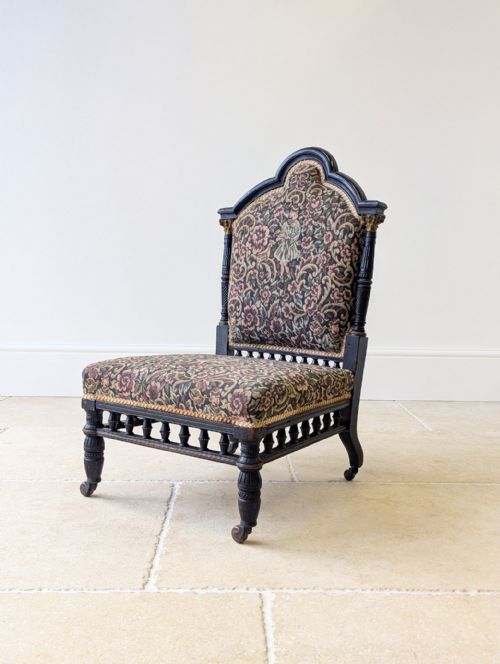
The pieces appearing on this page span the Victorian and Edwardian eras, with specific examples drawing upon Aesthetic Movement, Arts and Crafts, and early vernacular traditions. Makers and workshops of the period produced both large upholstered lounge chairs and smaller wood-framed seating suited to domestic drawing rooms.
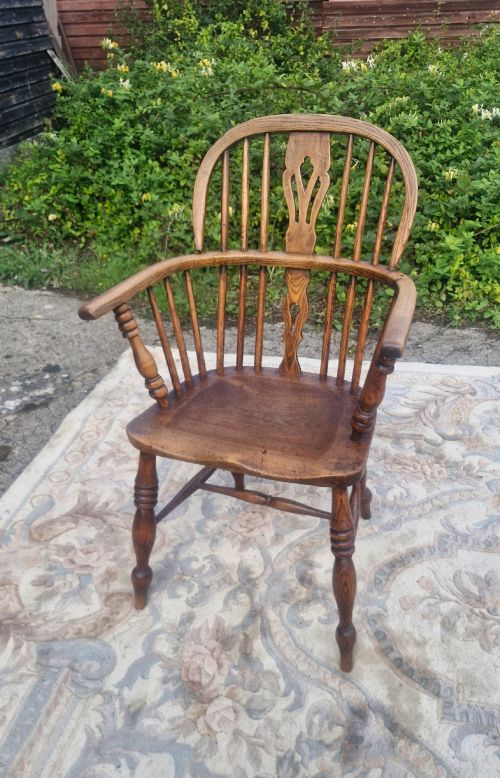
Examples frequently exhibit stylistic influences associated with prominent makers like Howard and Sons or Morris and Company, alongside traditional Windsor and tub-back configurations. Buyers encounter both thoroughly sprung easy chairs intended for lounging and lighter occasional chairs with exposed mahogany, oak, or rosewood frames.
Materials and construction
Frames rely on sturdy timbers such as mahogany, oak, beech, and hardwood, providing a rigid structural skeleton for both exposed-wood chairs and fully upholstered frames. Workshops employed traditional joinery techniques to ensure stability, particularly in load-bearing legs, arm supports, and carved details like claw and ball feet.
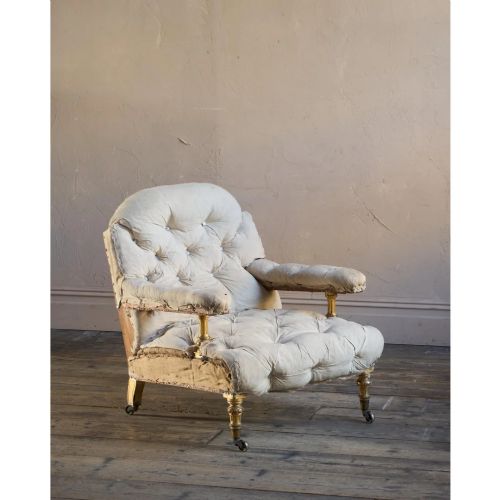
Upholstered versions utilise traditional stuffing materials housed beneath layers of fabric, velvet, calico, or leather, often secured with deep buttoning. Decorative and structural textiles range from plain cottons to patterned carpets and specialised William Morris prints, while some variants incorporate rush seating or cane bergere panels.
One particularly plush nineteenth-century club armchair arrives upholstered in a genuine Ushak Turkey carpet.
Assessing construction and finish
Quality rests upon the integrity of the underlying timber frame and the depth of the upholstery build, where solid hardwoods and robust internal springing distinguish superior lounge seating from lighter occasional pieces. The crispness of carved wooden details, such as cabriole legs or claw and ball feet, indicates the level of craftsmanship applied to the frame.
The standard of finishing in the textiles, buttoning, and edge piping reveals the care taken during upholstery. Original maker stamps, such as those from established London workshops, elevate the standing of a piece by confirming its provenance.
Howard and Sons·Liberty Morris and Co·Whytock and Reid·Hampton and Sons·Waring and Gillow·Gillow
The Edwardian Low Armchair Glossary
- Bergere
- A closed-arm armchair with cane or wicker work panels on the back and sides. This French-inspired form gained popularity in various British revivals.
- Button back
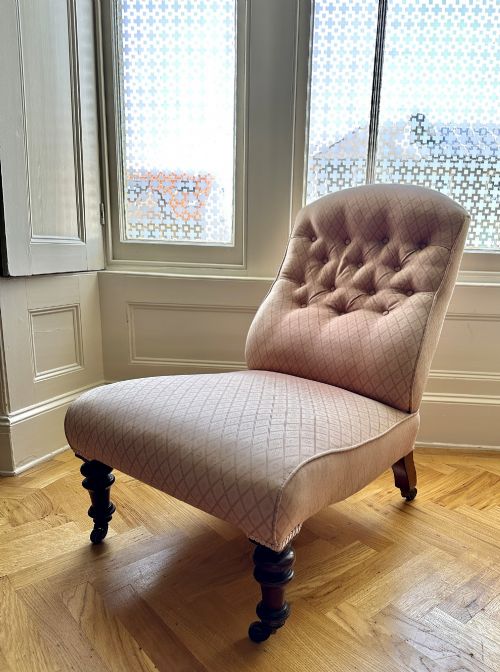
- An upholstery technique where indentations are formed by pulling stitches through the padding and securing them with buttons. This secures the internal stuffing and creates a distinct geometric pattern.
- Slipper chair
- A low-seated upholstered chair originally designed for bedrooms to assist with putting on footwear. These pieces sit close to the floor and usually lack arms.
- Tub chair
- An armchair featuring a rounded back that wraps continuously into low arms, resembling the shape of a half barrel. This form offers an enclosed and supportive seat.
- Rush seat
- A seating surface woven from dried marsh grasses around a wooden frame. It provides a flexible and durable platform found on traditional country chairs.
Edwardian Low Armchair: Frequently Asked Questions
What defines an edwardian low armchair?
An edwardian low armchair is characterised by a reduced seat height and generous proportions designed for relaxed lounging. These seats often feature deep springing and upholstered frames suited to country house interiors.
Such chairs balance comfort with compact dimensions, making them adaptable to bedrooms, studies, and drawing rooms. Their profiles range from heavy club seating to light occasional chairs.
How do I identify a Howard and Sons style chair?
Charmes in the Howard and Sons style typically display deep, comfortable seat dimensions paired with low rolled arms and robust internal springing. Many carry traditional ticking undercovers or stamped markings on the castors and frame.
Original pieces from this firm or its followers prioritized uncompromised comfort, often upholstered in heavy monogrammed ticking or imported carpets before receiving final top covers.
Where were low armchairs used historically?
These low-slung seats served multiple domestic functions, from fireside lounging in drawing rooms to dressing tasks in bedrooms. Their reduced height encouraged a relaxed posture suited to reading or conversation.
In larger country houses, pairs of low upholstered chairs flanked fireplaces, while smaller slipper and nursing variants occupied private chambers.
Are these chairs suitable for daily use?
Solid hardwood frames and traditional coil-spring construction make many period armchairs robust enough for contemporary seating. Their durable build allows them to handle regular daily use in modern living spaces.
Buyers frequently update the top fabric while retaining the original internal webbing and springs, ensuring the seating remains comfortable and structurally sound.