






Edwardian Letter Cabinet
An edwardian letter cabinet sits on the desk to hold correspondence and writing materials in mahogany, oak or walnut.
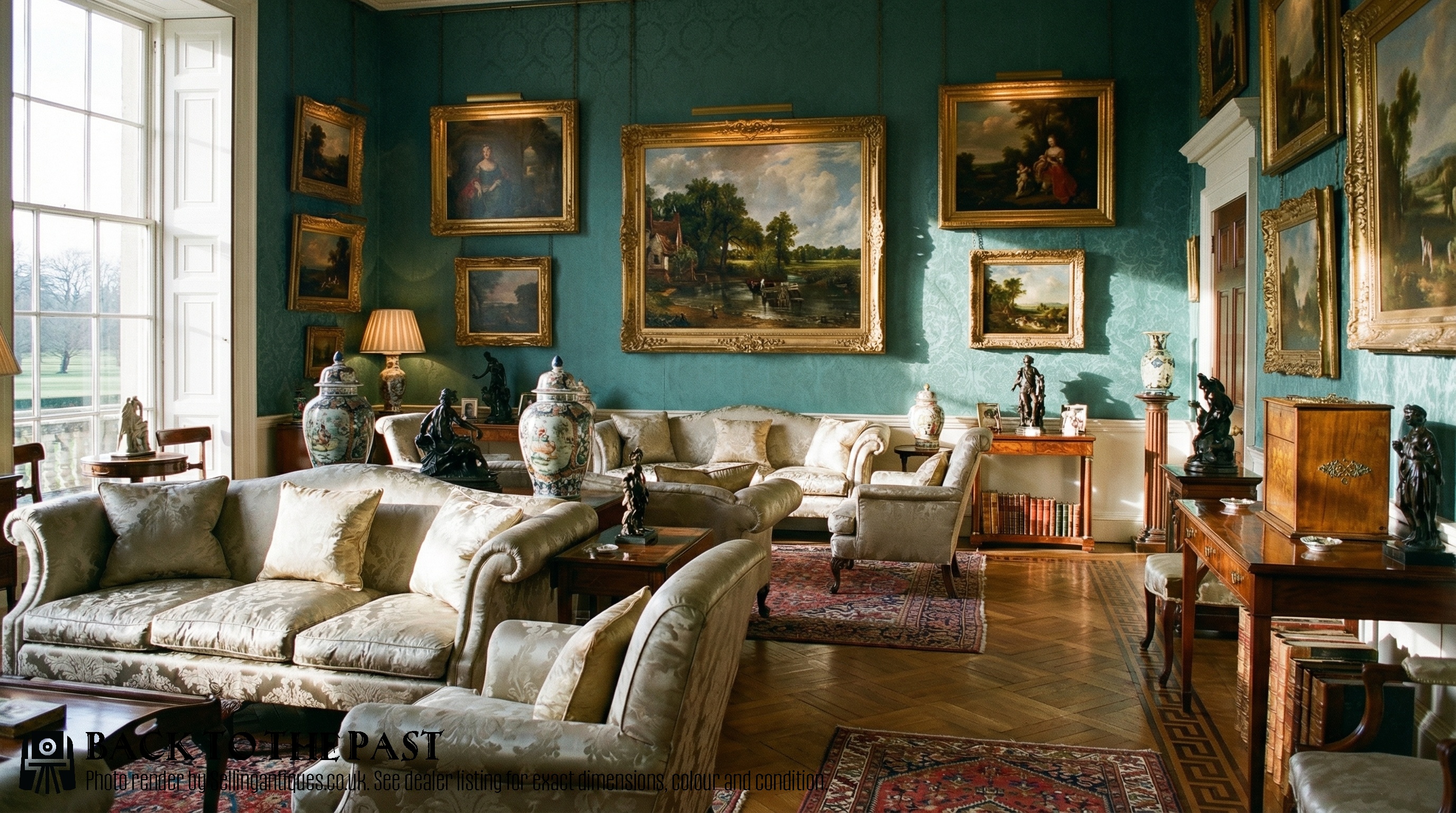
Edwardian Letter Cabinet
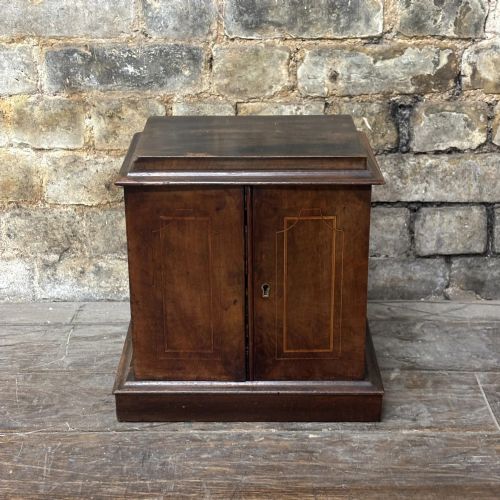
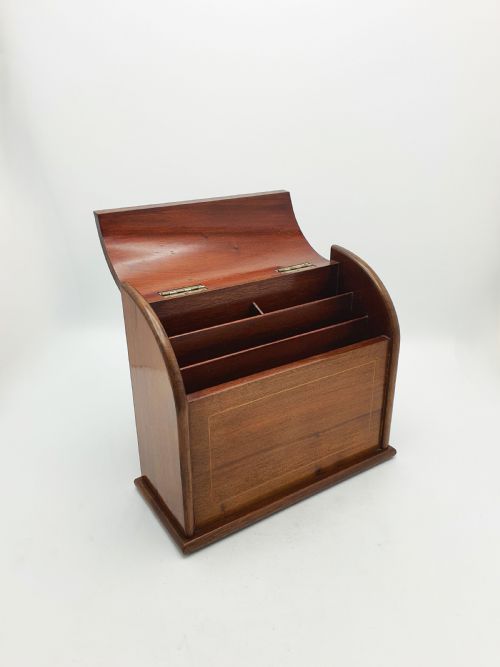
An edwardian letter cabinet groups together desk accessories designed to organise correspondence and writing materials in the home or office. These pieces take forms such as stationery boxes, fall-front desks, and wall-mounted letter boxes originating primarily from the Edwardian period and the broader nineteenth century.
Functionality defines these desk accessories, which were built to keep incoming and outgoing mail sorted before the widespread use of electronic communication. Their survival reflects the durable construction applied to everyday desktop items of the period.
Materials and Construction
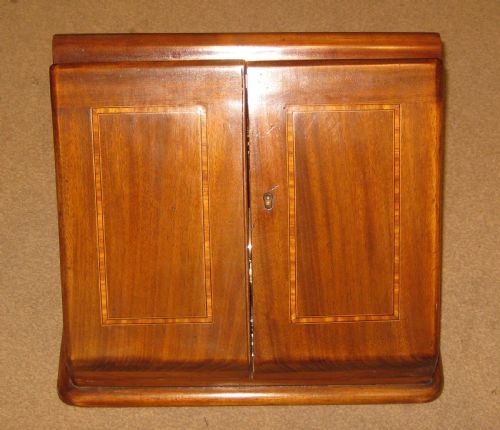
Makers utilised solid timbers such as oak and mahogany as the primary structural bodies for these cabinets, frequently applying walnut and satinwood for contrasting visual effect. Boxwood inlay and brass mounts appear across the pieces to accent handles, hinges, and designated letter slots.
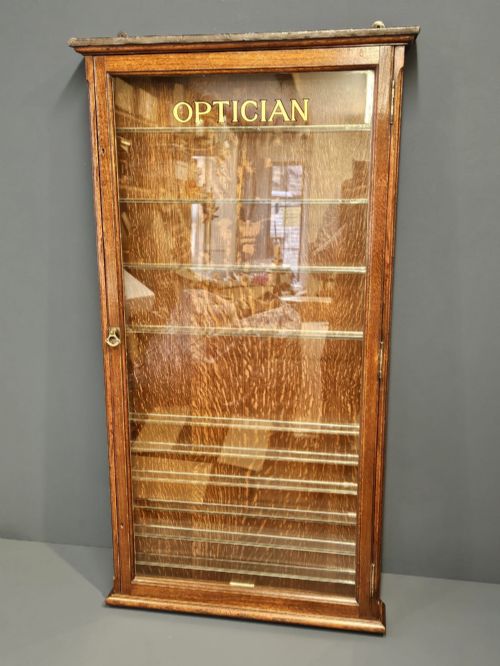
Joinery methods of the period involved tight box construction, dove-tailed drawers, and hinged mechanisms designed to withstand daily desk use. Glass panels and brass letter plates were integrated into specific wall-mounted and display formats to allow visibility of contents.
Edwardian Letter Cabinet Retail Price Guide 2026
Typical asking prices for edwardian letter cabinet among the pieces listed under this phrase on Sellingantiques today, from the lower quarter to the upper quarter. They describe what is for sale here now, not the wider market.
Listings feature oak, mahogany, walnut, and satinwood across periods from the 1860s to the 1920s.
Markers of Quality
The standard of timber selection and complexity of internal organisation set individual pieces apart. Superior examples incorporate fitted compartments, patent filing mechanisms like Amberg systems, and precise boxwood stringing rather than plain surfaces.
Hardware details such as cast brass handles, fitted ink bottles, and operational date mechanisms elevate the craftsmanship of a cabinet. The integration of specialty woods like satinwood or walnut marks the upper range of these desktop furnishings.
Fry’s Chocolate·Rowntree’s Chocolates·Amberg
The Edwardian Letter Cabinet Glossary
- Stationery Cabinet
- A desktop box with internal divisions designed to hold writing paper, envelopes, and related correspondence items. These cabinets often feature fall fronts or hinged lids.
- Desk Tidy
- A compact desktop accessory that combines compartments for letters, pens, and inkwells into a single unit. They keep working surfaces clear of loose papers.
- Fall Front
- A hinged panel that folds downward to reveal a writing surface or the interior compartments of a cabinet. This mechanism allows quick access to stored letters.
- Marquetry
- Decorative woodwork where pieces of veneer are applied to a structure to form detailed patterns or pictures. It appears frequently on the surfaces of Edwardian and Victorian boxes.
- Inkstand
- A tray or stand holding one or more ink bottles alongside pen rests and sometimes an integrated letter box. They formed an essential part of nineteenth century writing desks.
Edwardian Letter Cabinet: Frequently Asked Questions
What is an edwardian letter cabinet?
An edwardian letter cabinet is a small wooden box or chest designed to hold envelopes, paper, and incoming or outgoing mail on a desk or table. They provide partitioned interior space to keep correspondence organised.
Most examples date from the late nineteenth and early twentieth centuries, constructed in oak or mahogany with hinged lids or drop fronts.
How were letter boxes used?
These boxes received daily correspondence, keeping letters secure and sorted before they were answered. Wall-mounted versions served households to collect post centrally.
Desk variants kept writing materials close at hand for household correspondence and business administration.
How do I date these cabinets?
Dating relies on timber choices, construction techniques, and stylistic clues such as inlay patterns or patent stamps. Oak and mahogany are dominant across Victorian and Edwardian examples.
Patent names like Amberg point to specific late nineteenth and early twentieth century filing innovations.
Where should I place a cabinet?
These pieces fit naturally on top of desks, sideboards, or console tables where they continue to hold stationery or mail. Wall-mounted variants can be hung near entryways.
Their compact size allows them to function as decorative storage on flat surfaces throughout the home.