




Edwardian Leather Reading Chair
An Edwardian leather reading chair is a comfortable, sturdy seat built for long hours with a book, combining period craftsmanship with practical domestic use.
Edwardian Leather Reading Chair
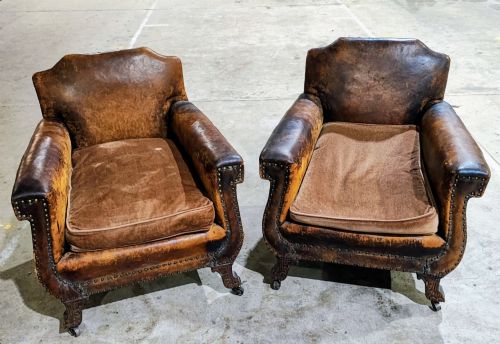
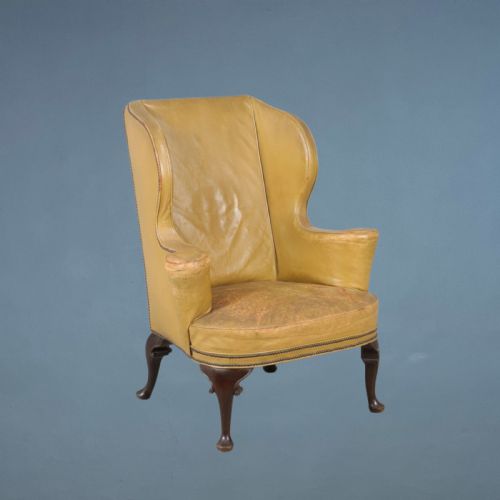
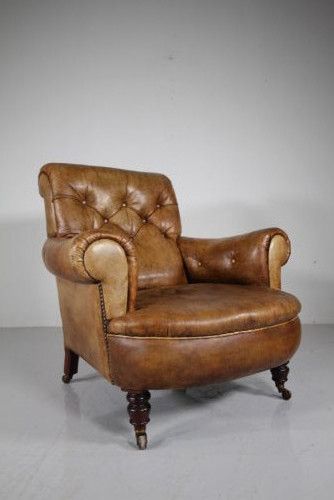
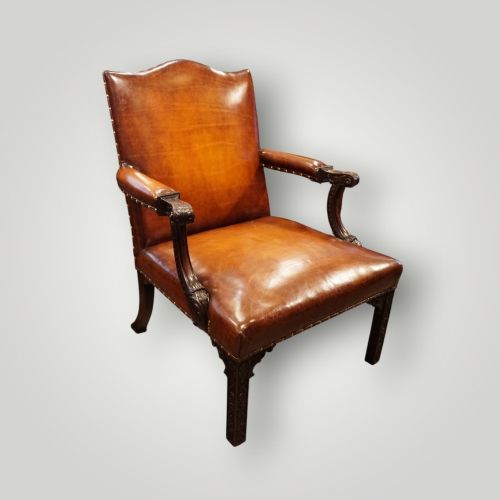
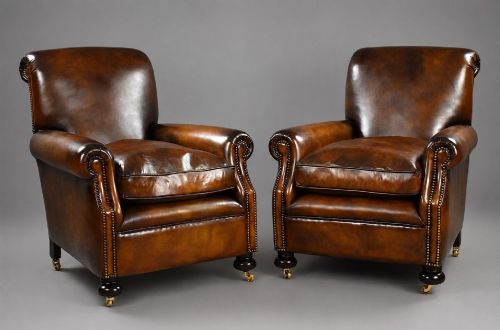
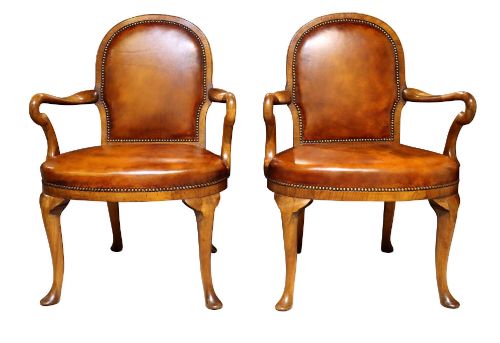
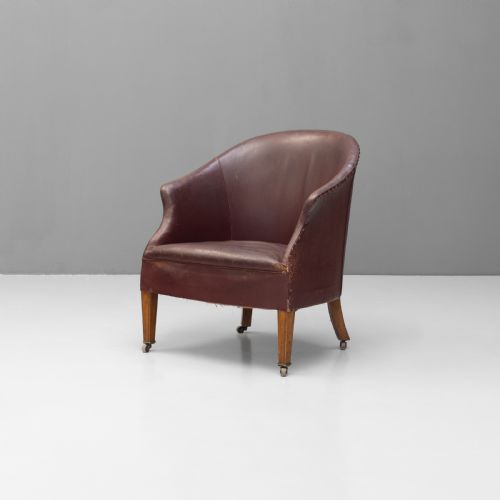
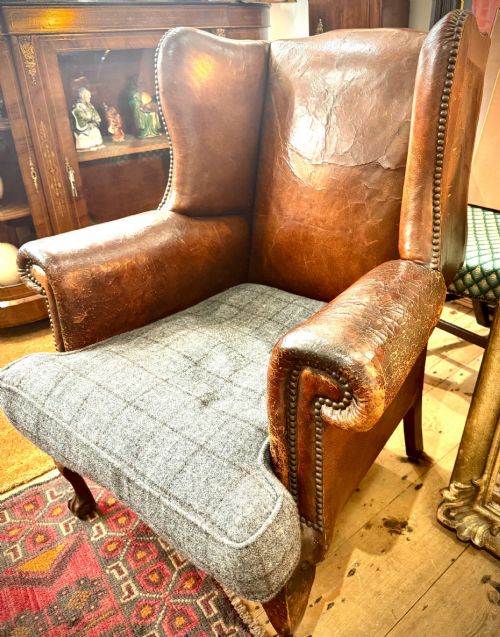
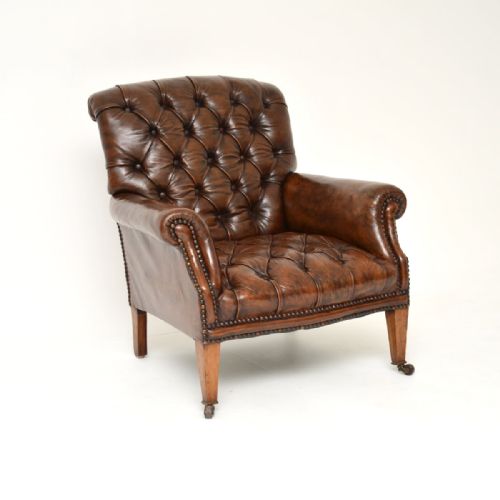
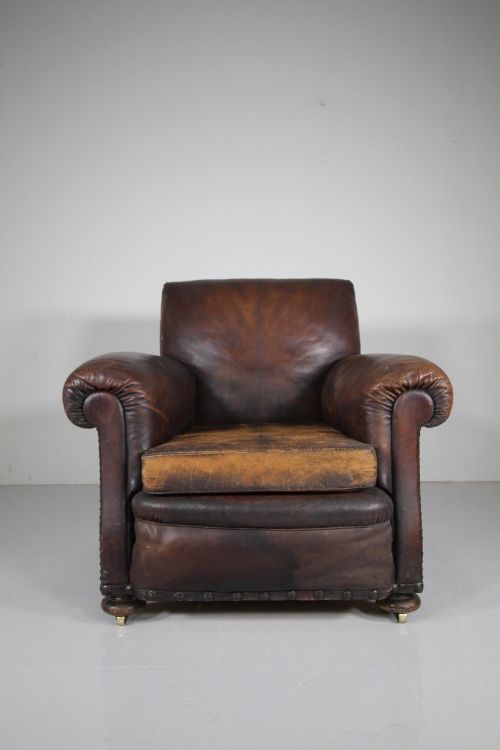
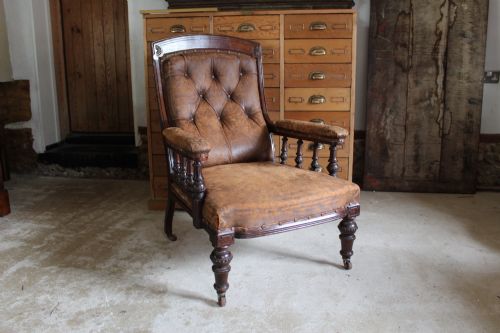
When you search for an edwardian leather reading chair, you encounter a variety of substantial armchairs designed for studies, libraries, and sitting rooms. The selection ranges from compact club chairs to larger wingbacks and library models produced around the turn of the twentieth century.
While the search targets the Edwardian era, the evidence shows pieces spanning the nineteenth and early twentieth centuries, including Victorian, Regency, and William IV examples. These chairs share a focus on supportive seating, often featuring low profiles, upholstered arms, and sturdy wooden frames suited for sustained reading.
How They Were Made
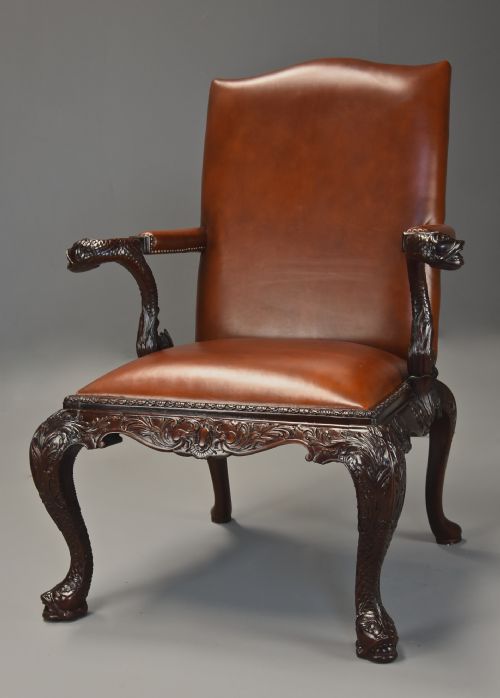
Makers built the frames of these chairs using hardwoods such as mahogany, oak, and walnut, frequently incorporating carved details, turned feet, or caning alongside the structural timber. Brass elements often appear in castors, tacks, or adjustable mechanisms on specialised library and metamorphic designs.
The primary upholstery material is leather, sometimes hand-dyed or finished in shades like oxblood and faded green. Traditional stuffing and webbing beneath the hide provide the deep, supportive bounce expected in a nineteenth or early twentieth-century library seat.
Some nineteenth-century readers needed clever engineering, resulting in fully adjustable metamorphic armchairs that doubled as library steps.
What Varies in Quality
The distinction between ordinary and exceptional examples lies in the integrity of the timber frame and the depth of the carving. Chairs featuring substantial mahogany or walnut with crisp detailing command greater attention than plainer oak or generic wood frames.
The treatment of the leather itself defines the upper tier of quality. Hand-dyed hides that have aged gracefully with natural patination outshine replacement upholstery or heavily corrected surfaces, preserving the tactile character intended by the original maker.
Gillow·J Foot And Son·John Ward
The Edwardian Leather Reading Chair Glossary
- Bergère
- An enclosed upholstered armchair with wooden frames where the sides are frequently filled with cane or wicker work. This French-inspired form offers a lighter visual weight while retaining solid structural support.
- Gainsborough chair
- A wide, open-armed armchair with a padded seat and back, standing on short legs. This eighteenth-century revival style is typically executed in mahogany with brass tacks.
- Club chair
- A deep, heavily upholstered armchair designed for relaxed lounging. These seats usually feature low backs and broad arms wrapped in durable leather.
- Metamorphic chair
- A convertible piece of furniture that transforms into a step ladder, chaise, or reclining seat. These mechanical designs often incorporate brass adjustments and specialised hardware.
- Wingback armchair
- A seat featuring high side panels attached to the arms and back to block drafts from fireplaces. This traditional form is frequently upholstered in hand-dyed hide for library use.
Edwardian Leather Reading Chair: Frequently Asked Questions
How do I spot an Edwardian reading chair?
Edwardian reading chairs generally date from the early twentieth century and display lighter proportions than their heavy Victorian predecessors. They often combine mahogany frames with smooth leather upholstery and simpler decorative carving.
Look for turned wooden feet and understated framing that prioritize comfort and domestic utility over grand architectural statements. Examining the underframe and materials helps confirm the period of manufacture.
Were these chairs used only in libraries?
While frequently termed library chairs, these seats served across studies, parlours, and smoking rooms. Their durable leather upholstery made them practical for heavy daily use.
Many examples were built specifically for reading, convalescing, or writing desks, adapting to various domestic spaces depending on the household's needs.
How should I care for vintage leather?
Vintage leather requires gentle cleaning and periodic conditioning to prevent the hide from drying out. Avoid harsh chemical cleaners and keep the material away from direct heat sources.
Applying a specialist wax or leather balm preserves the natural suppleness and maintains the historical patina accumulated over the decades.