



Edwardian Japanese Painting
These pieces of edwardian japanese painting bring together export craftsmanship and early twentieth-century decorative taste for any room.
Edwardian Japanese Painting
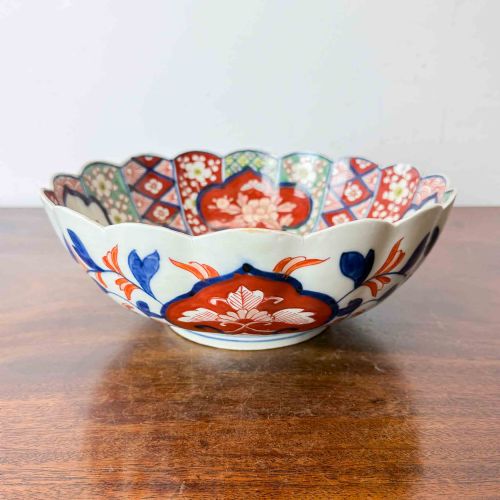
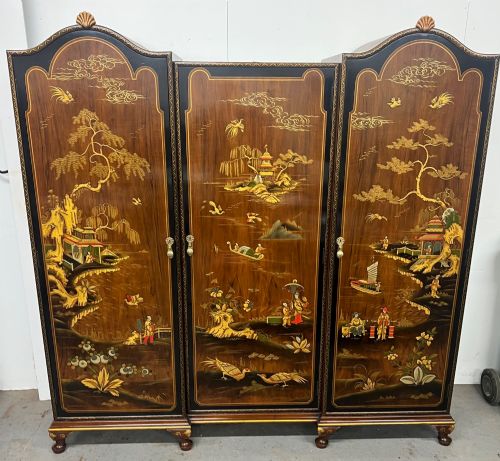
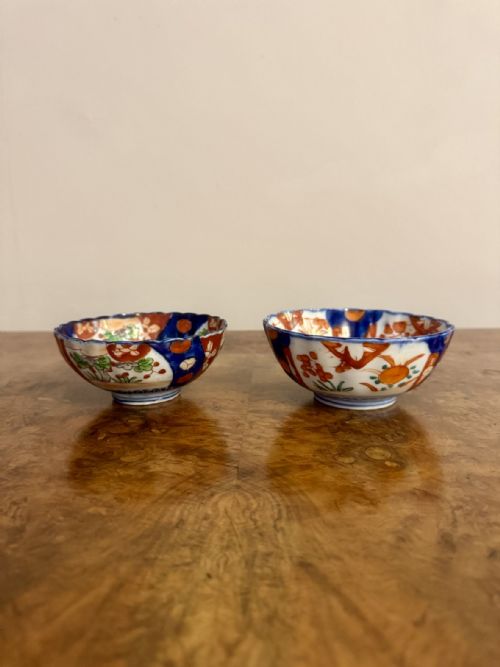
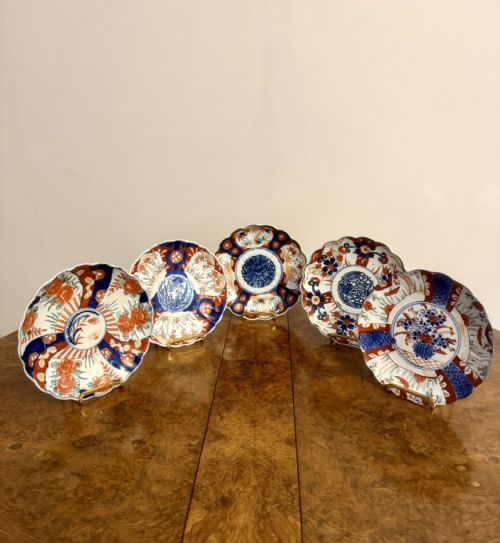
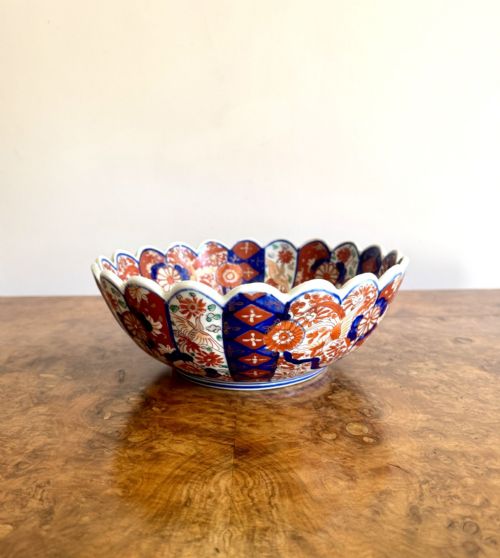
When you search for edwardian japanese painting, you encounter works that bridge eastern motifs and British interior design of the period. The selection on this page centres on silk paintings alongside related export items such as Imari porcelain, Satsuma ware, and lacquer cabinets.
These items reflect a strong Victorian and Edwardian fascination with Asian aesthetics, often blending Japanese painting techniques with domestic European furniture forms. You will find decorative bowls, vases, and cabinets alongside the paintings themselves, capturing a distinct period style.
How they were made
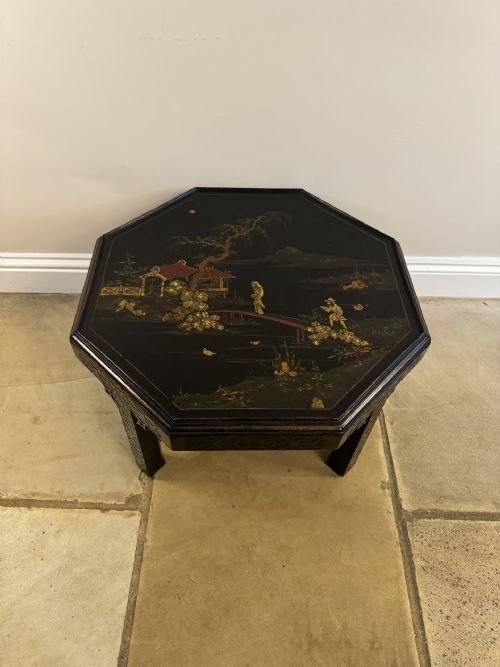
The physical objects rely on traditional material combinations such as silk mounted for painting, glazed porcelain with hand-applied enamel, and wooden frames or cabinets finished in black lacquer with gilding. Gold leaf frequently highlights details on both ceramics and painted surfaces.
Makers utilised techniques passed down through generations, applying delicate brushwork to silk and firing intricate Satsuma and Imari patterns at high temperatures. Lacquered pieces involved multiple layers of sap or resin, polished and detailed with gold leaf or brass mounts.
Some clocks wear green lacquer just to remind everyone that even time management needs a proper outfit.
What varies in quality
The distinction between ordinary and exceptional edwardian japanese painting items lies in the precision of the brushwork and the depth of the materials. Superior painted works on silk display exceptionally fine lines and careful composition, while lesser examples show hurried execution.
In associated decorative objects, quality reveals itself in the crispness of the enamel work, the stability of the lacquered surfaces, and the integrity of any carved wooden stands. Stronger pieces maintain their original gilding and structural firmness without heavy restoration.
Maples and Co·Kinkozan Kyoto
The Edwardian Japanese Painting Glossary
- Imari
- A style of Japanese export porcelain decorated in underglaze blue, iron red, and gold. It was widely imported into Britain during the late nineteenth and early twentieth centuries.
- Satsuma ware
- A type of earthenware from Japan characterised by a ivory-coloured, crackle glaze and elaborate polychrome enamel and gilt decoration.
- Chinoiserie
- A European artistic style reflecting Chinese and broader East Asian artistic influences, popular in furniture and interior decoration during the Edwardian period.
- Lacquer
- A durable finish applied to wood using natural resin, often decorated with gold leaf or painted scenes in the Asian export tradition.
- Mon
- A Japanese emblem or crest used to decorate traditional items, frequently found on Satsuma ceramics.
Edwardian Japanese Painting: Frequently Asked Questions
How do I care for silk paintings?
Keep painted silk away from direct sunlight to prevent fading of the delicate pigments. Maintain a stable room humidity to protect the fabric fibres from becoming brittle.
Avoid touching the painted surface directly with bare hands. Frame the work behind conservation glass if it is not already protected.
Are these pieces purely decorative?
Most items originating from this aesthetic movement served functional roles in Edwardian homes, from wall art and mantel clocks to cabinets and small tables. They were acquired to display refined taste.
While paintings were purely visual, items like lacquer cabinets and bowls combined utility with ornamental appeal. They integrate easily into modern living spaces today.
How do I identify Satsuma ware?
Look for a distinctive creamy, crackled glaze covering the earthenware body. This surface acts as a canvas for densely detailed painted scenes involving figures and gold highlights.
High-grade examples often feature maker seals or family crests on the underside. The weight is typically lighter than heavy porcelain.
What defines the Edwardian period style?
Edwardian design often reinterpreted earlier tastes, embracing both revival styles and international influences like Japanese art. Lighter woods and refined decorative accents replaced heavier Victorian aesthetics.
Items from this era balance formal elegance with practical domestic use. The incorporation of painted silk and lacquer reflects an outward-looking global trade.