



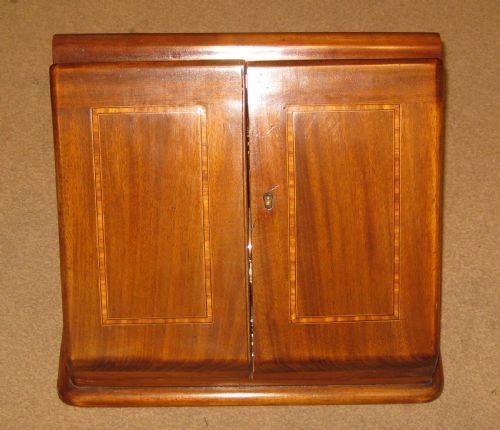


Edwardian Inlaid Stationery Box
These Edwardian inlaid stationery boxes keep correspondence organised in style.
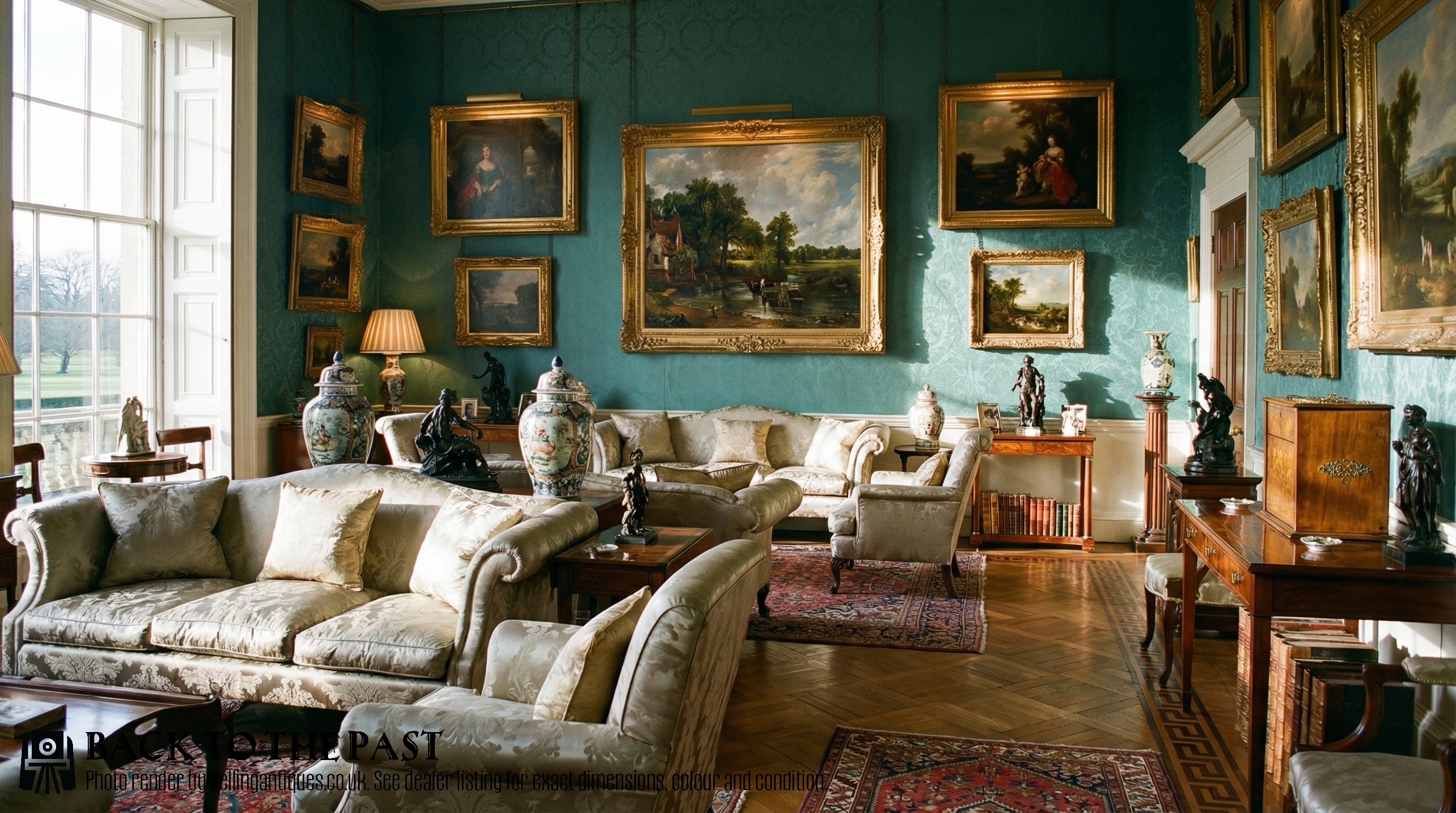
Edwardian Inlaid Stationery Box
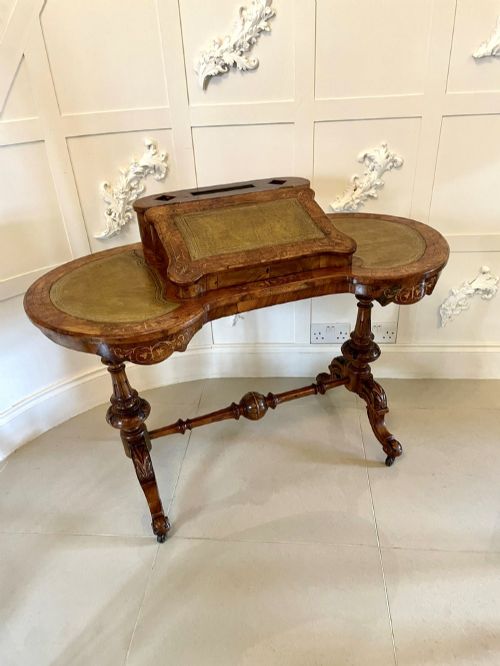
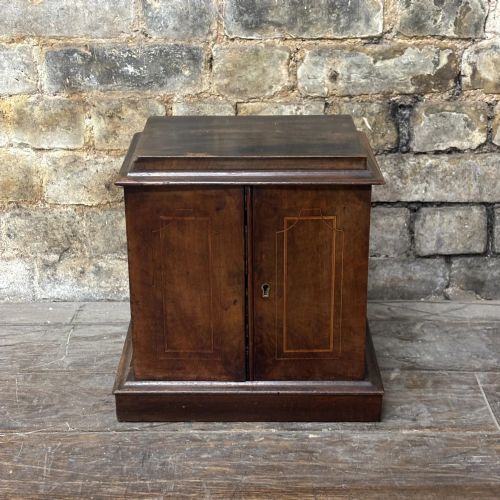
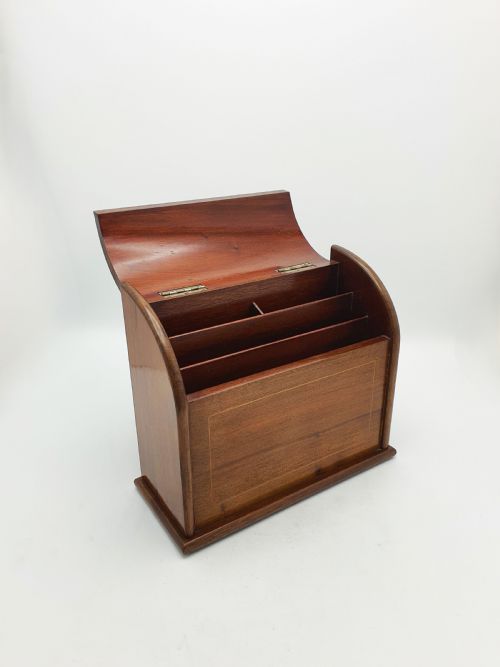
An edwardian inlaid stationery box sits upon a desk to hold letters, papers, and envelopes. The pieces seen here include stationery cabinets, hinged-lid desk tidies, and correspondence boxes.
Most examples date from the Edwardian period or around 1900, alongside related Victorian forms in mahogany, rosewood, and walnut. Makers built them for domestic studies and writing rooms.
While some take the form of simple hinged-lid boxes, others open to reveal fitted interior compartments. Anglo Indian and campaign variants also appear among the selections.
How they were made
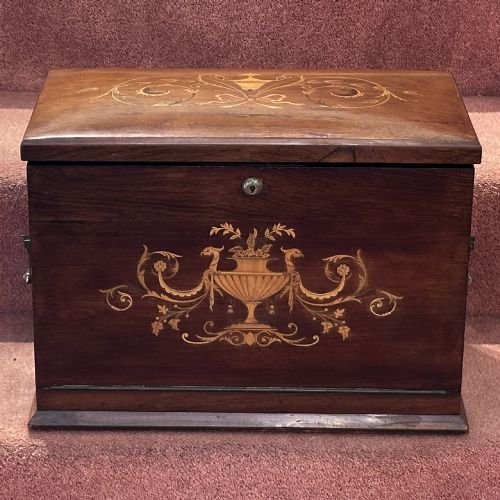
Carpenters constructed the carcasses primarily in mahogany, rosewood, and walnut, often applying satinwood, boxwood, and marquetry inlay to the surfaces. Brass handles, hinges, and lock escutcheons frequently provide metal contrast.
More elaborate pieces utilise papier-mache and lacquer, while others incorporate mother-of-pearl details. Cabinet makers combined fine timber veneers with solid framing to achieve structural stability.
Edwardian Inlaid Stationery Box Retail Price Guide 2026
Typical asking prices for edwardian inlaid stationery box among the pieces listed under this phrase on Sellingantiques today, from the lower quarter to the upper quarter. They describe what is for sale here now, not the wider market.
Object forms range from standard stationery cabinets and writing slopes to campaign correspondence boxes.
What varies in quality
The precision and intricacy of the marquetry and inlaid details set finer boxes apart from simpler utilitarian versions. Richness of timber grain and depth of polish distinguish better examples.
Original brass hardware and intact internal dividers elevate the desirability of a piece. Superior construction ensures lids align correctly and hinges operate smoothly.
The Edwardian Inlaid Stationery Box Glossary
- Stationery cabinet
- A desktop box designed specifically to hold writing paper and envelopes upright. These often feature sloping tiered interiors.
- Marquetry
- Decorative veneer work forming pictures or geometric patterns using various coloured woods. Craftsmen applied this to the exterior lids and doors.
- Writing slope
- A hinged box that opens to form an angled desk surface for writing letters. Interiors typically contain pen trays and inkwell compartments.
- Desk tidy
- A compact desktop accessory intended to organise mail, pens, and small desk items. They usually feature open partitions rather than enclosed drawers.
- Campaign box
- Portable furniture built for travel, featuring recessed brass handles and robust construction. These pieces were designed to withstand movement.
Edwardian Inlaid Stationery Box: Frequently Asked Questions
What fits inside an edwardian inlaid stationery box?
These boxes hold folded letters, envelopes, and correspondence paper within their internal partitions and tiers.
Larger cabinets accommodate blotters and stamps alongside daily post.
How do I maintain the wood polish?
Dust the exterior gently with a dry, soft cloth to prevent surface scratching.
A light application of traditional wax polish helps preserve the finish of the mahogany or rosewood.
Where should I place a stationery box?
Position the box on a sturdy desk, bureau, or console table in a study or living space.
Keep the timber away from direct sunlight and strong heat sources to prevent warping.
How do I distinguish Edwardian boxes from Victorian ones?
Edwardian boxes often display lighter satinwood inlay and refined marquetry reflecting Sheraton revival tastes.
Victorian pieces frequently utilise heavier rosewood or walnut timbers with bolder ornamentation.