




Edwardian Historical Artwork
Edwardian historical artwork brings notable subjects and past events to life through period oil paintings and watercolours.
Edwardian Historical Artwork
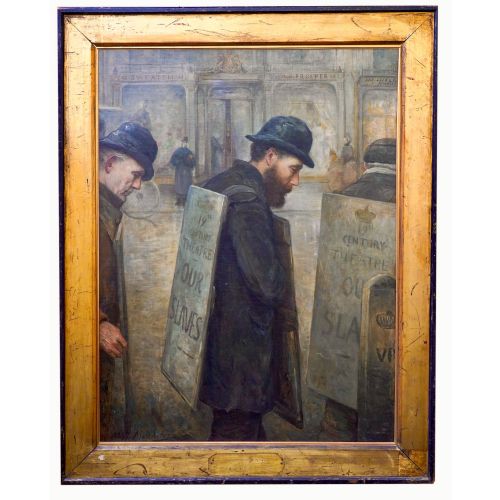
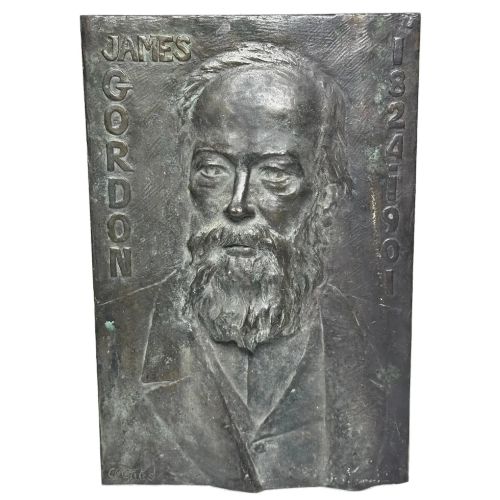
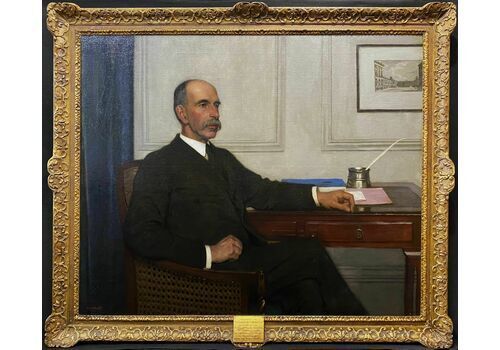
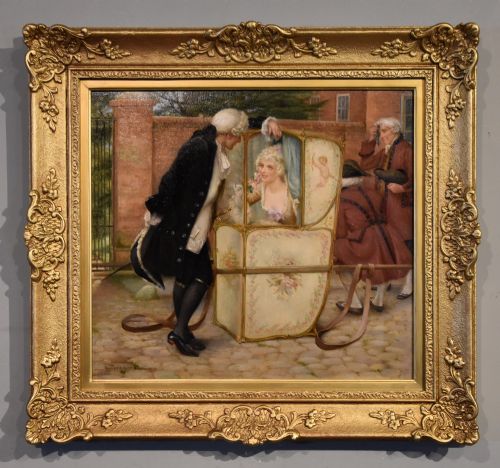
Edwardian historical artwork captures significant figures, maritime scenes, and narrative events through fine art mediums. Buyers seeking edwardian historical artwork encounter framed portraits, maritime views, and genre paintings spanning multiple creative traditions.
Originating largely from the nineteenth century through the early decades of the twentieth century, these works reflect academic art, British impressionism, and realism. Maritime subjects, topographical views, and historical genre scenes dominate the available forms.
Materials and techniques
Artists relied primarily on oil on canvas and watercolour pigment applied to paper or board. Many pieces incorporate gilt and gold leaf within framing and surface detailing.
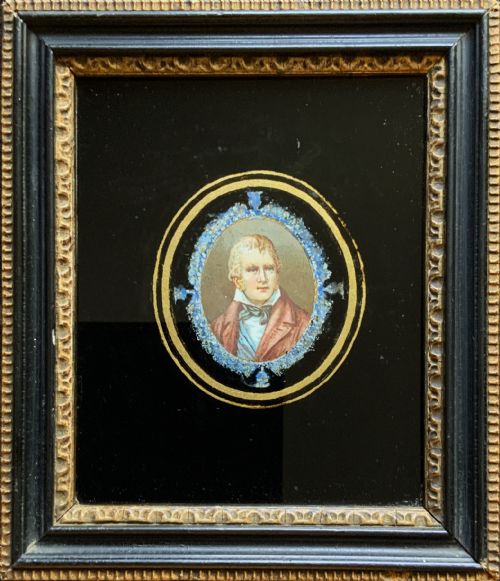
Substrates include wood panels and heavy paper stock, often housed behind glass within traditional wooden frames such as Hogarth mouldings. Hand-painted portrait miniatures demonstrate precise brushwork on delicate supports.
One historical portrait preserves an afternoon snooze by the fireside.
Distinctions in quality
Quality rests upon the skill of brushwork, compositional control, and the handling of light and narrative detail. Masterful academic drawing and nuanced portraiture elevate specific examples above standard decorative output.
The condition of the pigment, stability of the canvas or board, and originality of the period frame influence the standing of each piece. Documented provenance and artist signatures further distinguish the finest works.
Felix Stone Moscheles·Harold Knight·Delapoer Downing·Charles Napier Hemy·Frank Moss Bennett·Frank Wood·Henry Spernon Tozer·Herbert John Finn·Bertram Priestman·Arthur David Mccormick
The Edwardian Historical Artwork Glossary
- Genre painting
- A representation of aspects of everyday life by subjects from ordinary life. These works often depict domestic interiors or historical narrative moments.
- Topographical view
- A detailed drawing or painting that accurately records a specific geographical location or landmark. Such pieces serve as visual records of harbours and cities.
- Watercolour pigment
- Colour ground with a water-soluble binder for use on paper. This medium allows for transparent washes and fine illustrative detail.
- Gilt
- A thin layer of gold applied to wood or metal frames and surfaces. It provides a reflective finish that enhances the presentation of the artwork.
- Miniature painting
- A small-scale portrait executed with meticulous precision. These works frequently capture sitters in costume or historical dress.
Edwardian Historical Artwork: Frequently Asked Questions
What subjects appear in these artworks?
Subjects range from maritime views and naval scenes to domestic genre pieces and formal portraiture. Historical figures and military themes also feature prominently.
Artists documented both everyday life and notable personages, preserving social history through careful observation and academic training.
How should these paintings be framed?
Most works retain their original wood or gilt frames, which complement the period aesthetic. Maintaining these enclosures preserves the historical integrity of the piece.
When framing watercolours, ensure the paper remains protected behind glass away from direct sunlight to prevent fading.
How do I identify an edwardian piece?
Edwardian works typically date from the early twentieth century and often exhibit signatures, dates, or biographical framing details. Stylistic markers include academic realism and British impressionist influences.
Subject matter often reflects the artistic conventions and historical interests prevalent during the Edwardian era.
Where were these paintings created?
Many pieces originate from British studios, coastal colonies, and academic institutions. Artists frequently travelled to capture specific harbours, landscapes, and urban centres.
Works associated with groups like the Newlyn School reflect regional artistic movements rooted in specific British locales.