


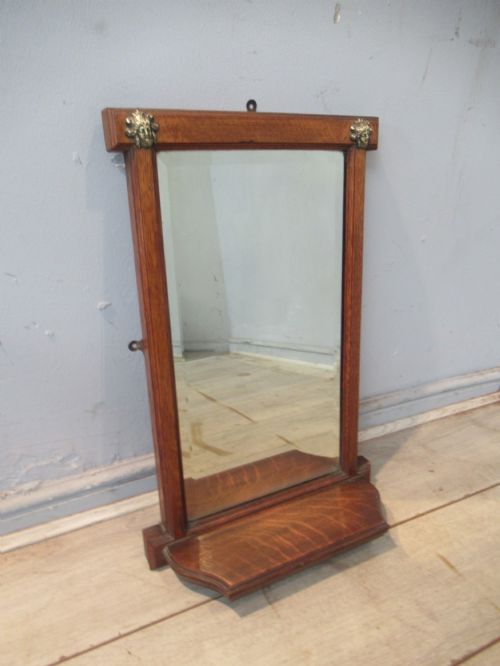


Edwardian Hanging Shelf
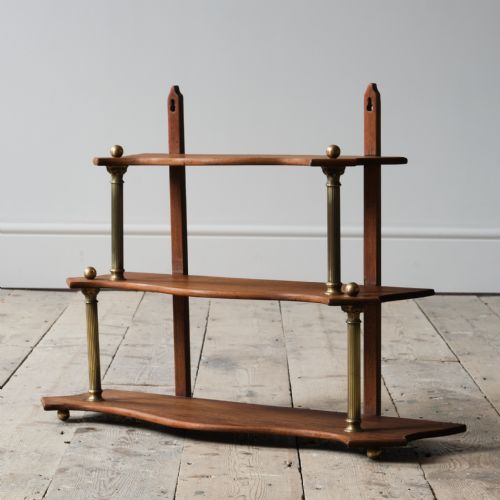
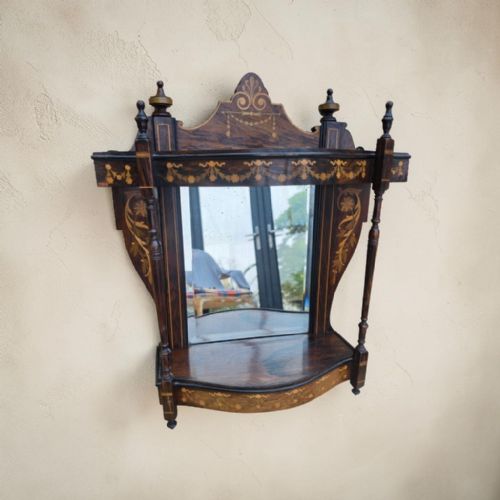
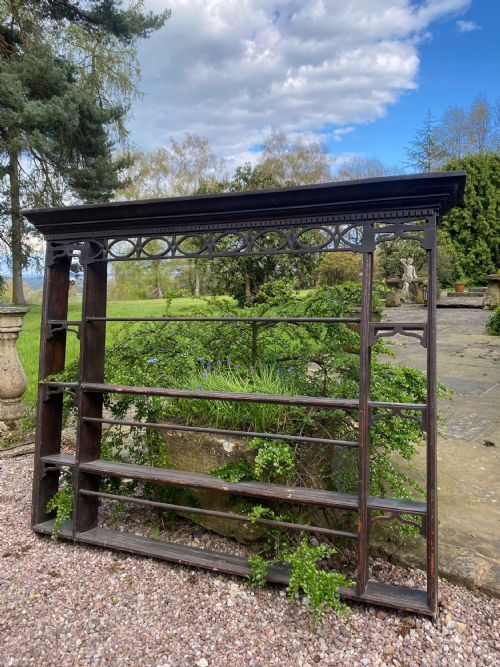
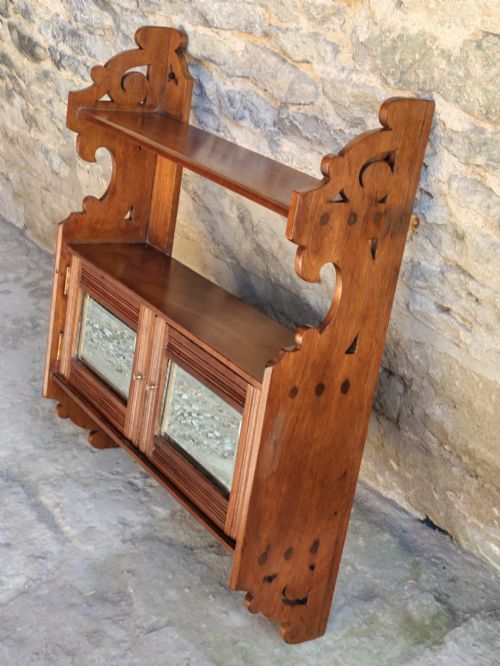
These edwardian hanging shelf pieces offer compact wall storage, combining timber and glass to display small belongings.
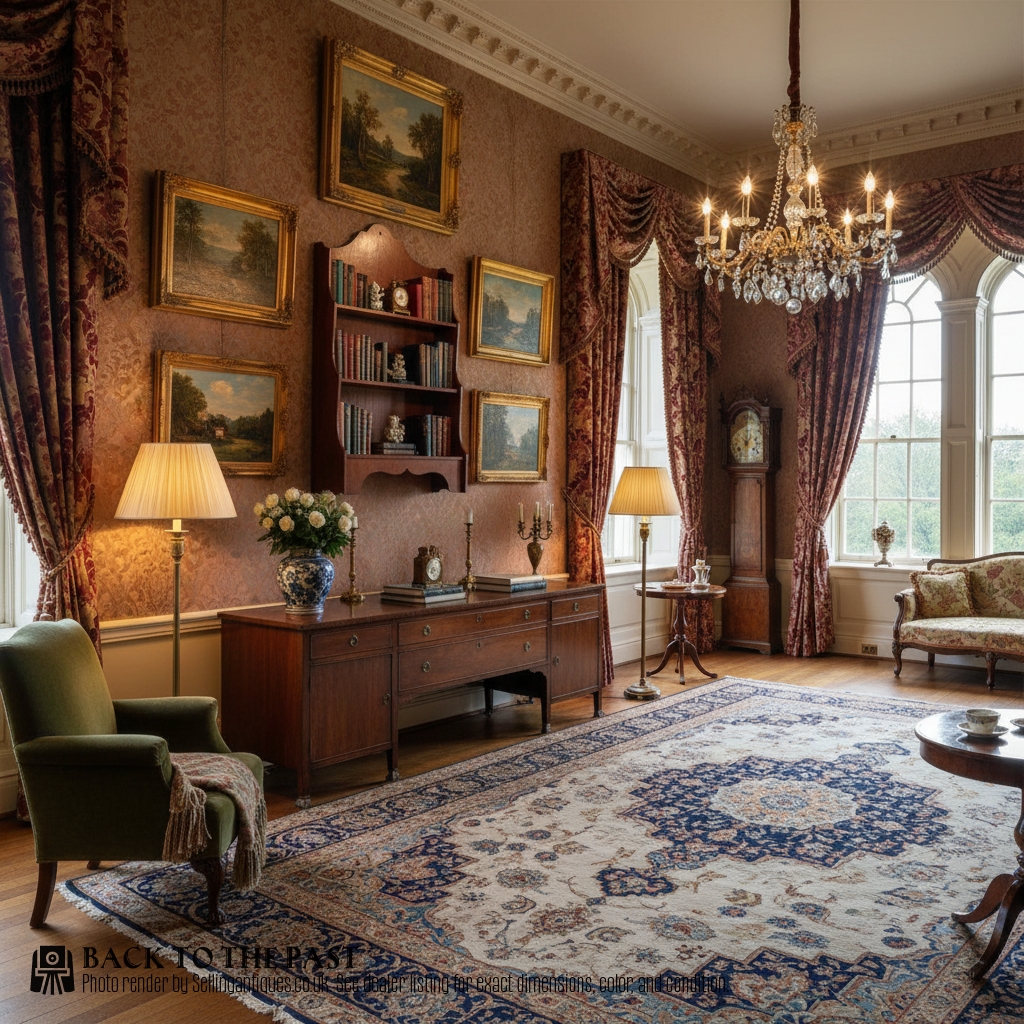
Edwardian Hanging Shelf
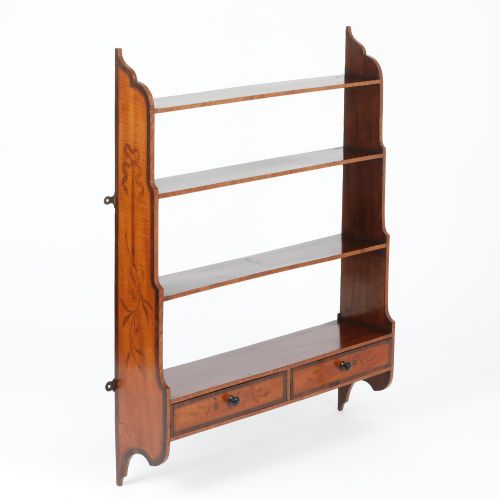
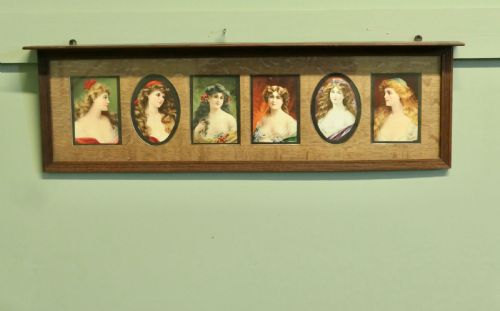
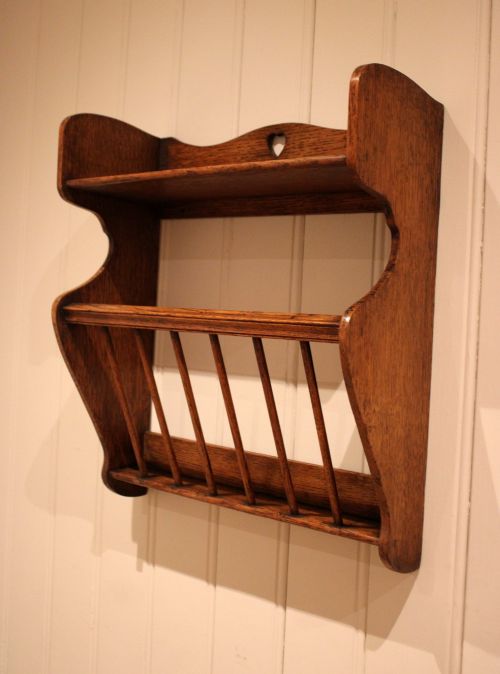
An edwardian hanging shelf provides compact wall storage, bringing timber tiers and display space to hallways, bedrooms, and parlours without consuming floor space. These wall-mounted pieces often incorporate mirrors, small cupboards, or plate racks alongside open shelving.
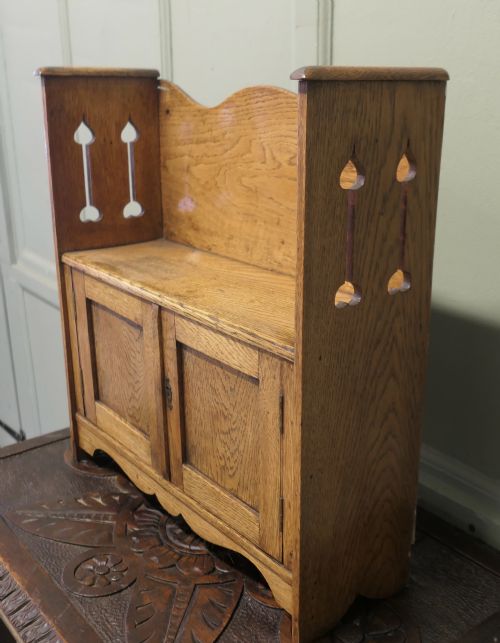
While specific examples date from the Edwardian era, the listings on this page span styles from Victorian and Regency periods to Arts and Crafts designs. The most common forms are mahogany or oak wall shelves, often featuring delicate inlay work or small display cabinets.
Buyers look for these items to organise books, ceramics, and small collectibles in smaller rooms. Their variety ranges from plain functional bookshelves to ornate mirrored cabinets with brass fittings.
Materials and construction
Cabinet makers utilised dense hardwoods such as mahogany, oak, walnut, and satinwood to construct these wall units, ensuring stability for suspended display. Boxwood inlay frequently appears on Edwardian and late Victorian pieces, adding contrasting linear detail to the timber surfaces.
Brass brackets, hinges, and galleries provide structural support and functional closure, while glass panels protect contents in cabinet versions. Painted finishes also occur, alongside carved wooden details typical of Arts and Crafts and Aesthetic Movement workshops.
Listings feature mahogany, oak, satinwood, and walnut timbers alongside brass fittings and boxwood inlay.
Assessing quality and craftsmanship
Quality in an edwardian hanging shelf rests on the selection of timber veneers, the precision of boxwood inlay, and the integrity of the joints. Superior pieces demonstrate clean joinery and well-fitted doors or mirrors that operate smoothly within their frames.
The choice of hardware distinguishes standard production from finer examples. Solid brass galleries, original mirror plates with honest ageing, and well-cast hinges elevate a piece beyond basic utilitarian wall storage.
John Moyr Smith·Arthur Simpson
The Edwardian Hanging Shelf Glossary
- Inlay
- A technique where pieces of contrasting wood, such as boxwood, are inserted into depressions in the primary timber surface to form decorative patterns.
- Whatnot
- A set of open shelves standing on legs or mounted to a wall, designed for displaying ornaments and small objects.
- Arts and Crafts
- A design movement valuing handcraftsmanship, simple forms, and natural materials over mass-produced ornamentation.
- Gallery
- A low railing or raised edge around a shelf, often made of brass or turned wood, to prevent items from sliding off.
- Aesthetic Movement
- A late nineteenth-century style emphasising visual and decorative qualities over narrative or moral themes in design.
Edwardian Hanging Shelf: Frequently Asked Questions
How do I hang a heavy wall shelf safely?
Secure the shelf directly into wall studs or use appropriate masonry fixings depending on your wall construction.
Ensure the mounting brackets or hanging loops on the back of the timber frame can support the combined weight of the unit and its contents.
Can these shelves hold heavy books?
Most hanging shelves are designed for lighter volumes, decorative plates, or small collectibles rather than heavy folios.
Check the depth of the shelves and the strength of the wall fixings before loading them with dense books.
How do I clean antique mahogany timber?
Dust the wood regularly with a soft, dry cloth to prevent dirt accumulation.
Apply a quality beeswax periodically to nourish the mahogany and maintain its natural lustre without using silicone-based polishes.
What is the difference between Edwardian and Victorian shelves?
Victorian pieces tend to feature darker, heavier timbers and more ornate, imposing carved details.
Edwardian versions often display lighter satinwood or mahogany woods, brighter inlaid decoration, and a more restrained aesthetic.