


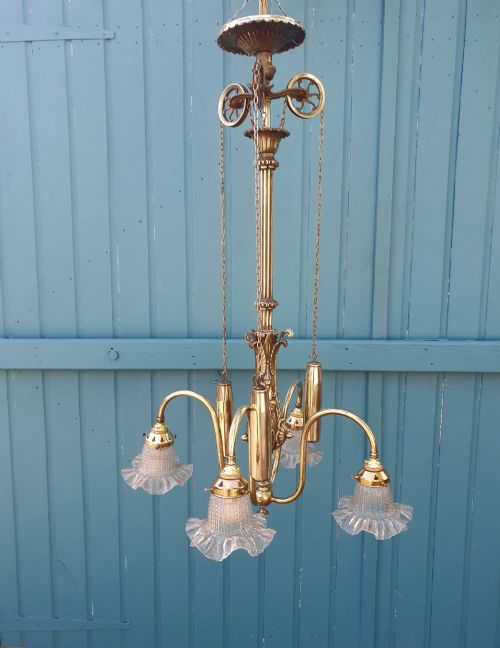
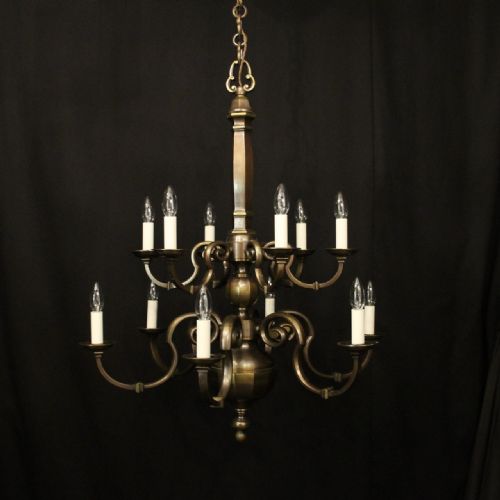
Edwardian Hanging Lamp
An edwardian hanging lamp brings domestic warmth and clear illumination to a hall or room, combining sturdy metalwork with moulded or cut glass.
Edwardian Hanging Lamp
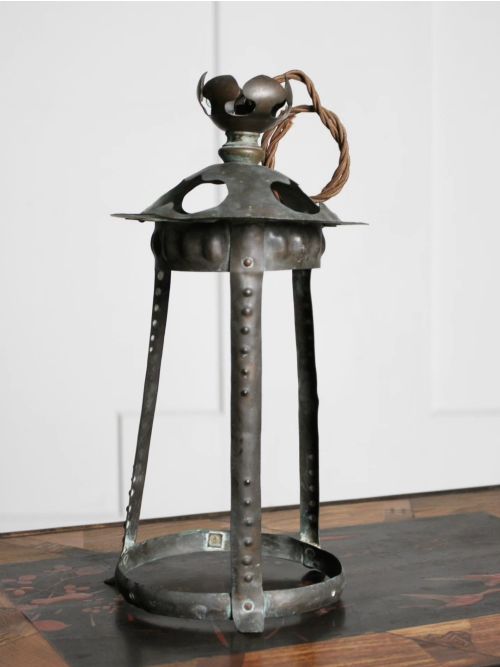
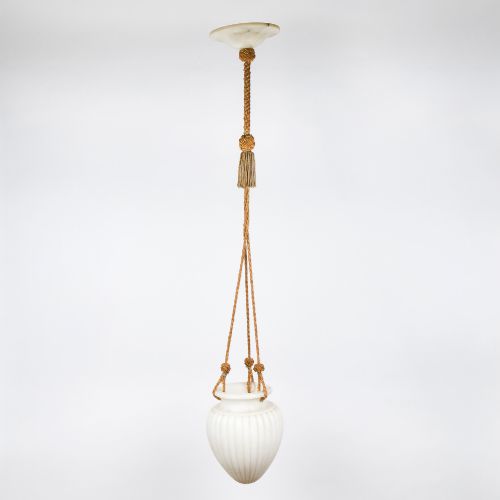
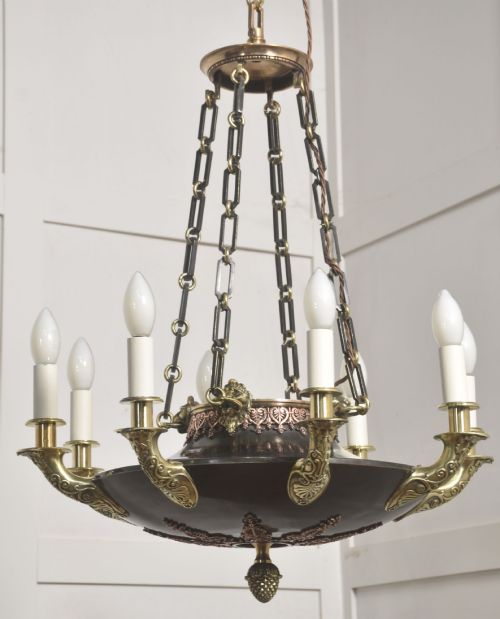
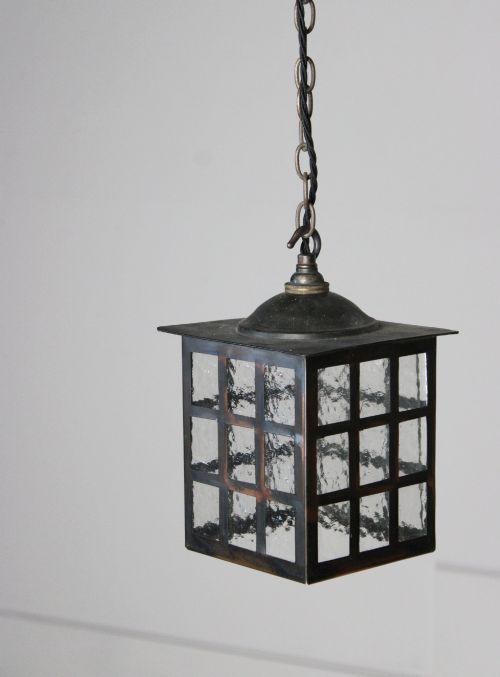
The search for an edwardian hanging lamp reveals a variety of ceiling fixtures designed to light period interiors from the late nineteenth and early twentieth centuries. These pieces encompass lanterns, chandeliers, and single pendant lights suspended from brass, copper, or bronze frameworks.
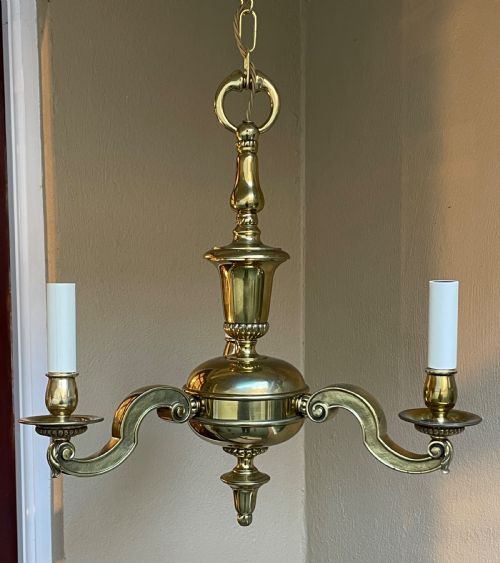
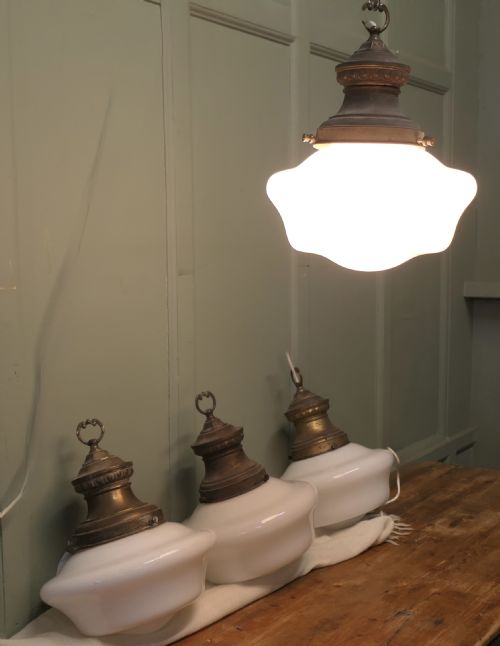
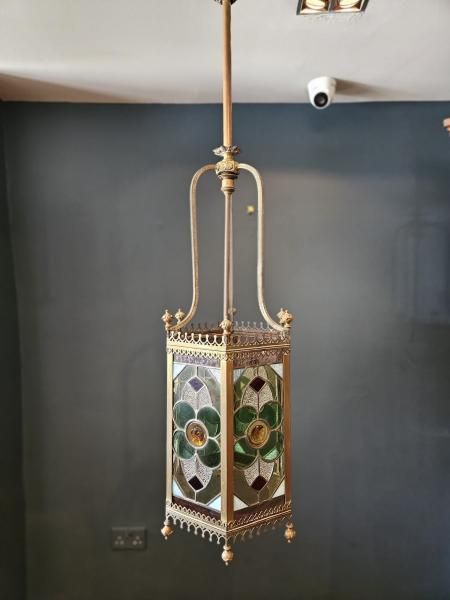
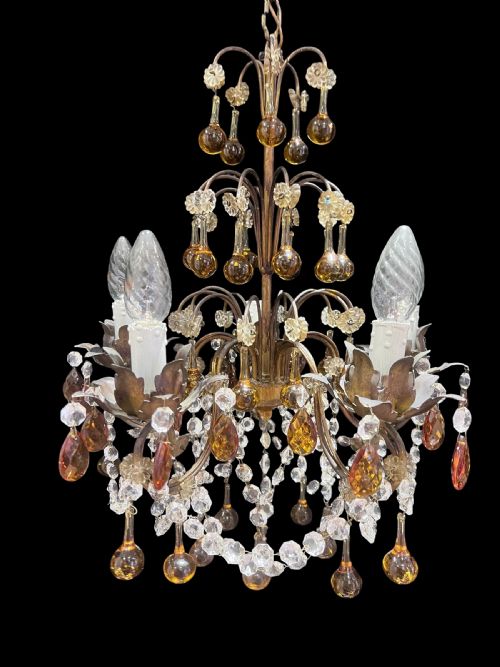
Most examples originate from the Edwardian era itself, alongside pieces from adjacent Victorian and 1920s periods. Forms range from simple glass shades to multi-branch brass chandeliers and hall lanterns fitted with bevelled or prismatic glass panels.
Makers utilised diverse stylistic influences, producing utilitarian industrial designs as well as decorative items featuring Art Nouveau curves, Arts and Crafts hand-stitched elements, and French revival details.
Assessing quality and craftsmanship
Quality rests upon the weight and finish of the metal components, distinguishing heavy cast brass and chased bronze from lighter pressed sheet metal. Finer pieces display crisp casting detail and robust mechanical parts like rise-and-fall pulleys.
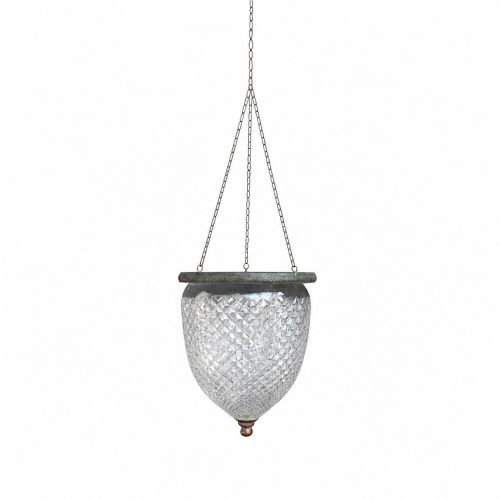
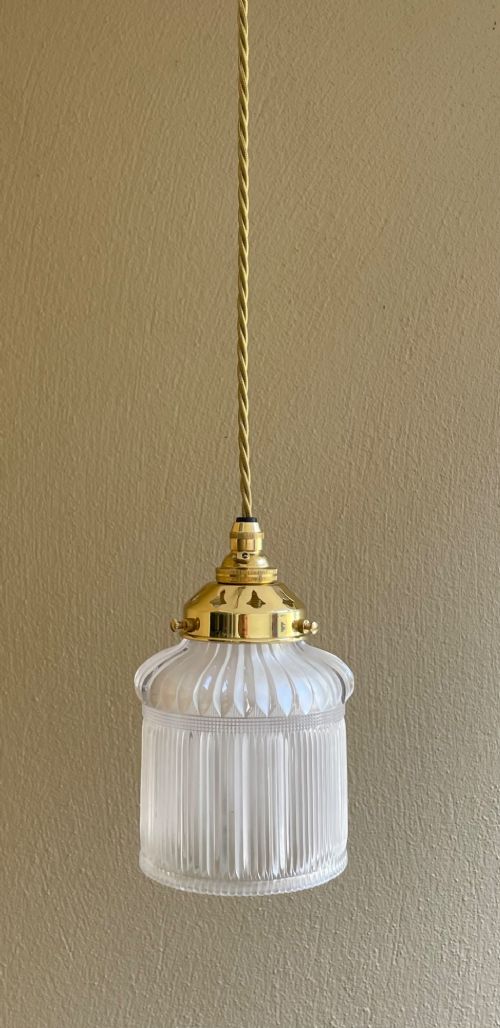
The integrity and type of glass elevate an individual lamp, where thick hand-cut crystals, prismatic Holophane glass, and undamaged opaline shades represent superior manufacturing standards compared to plain pressed alternatives.
The inventory combines utilitarian industrial pendants with decorative Art Nouveau and Arts and Crafts lighting fixtures.
G.E.C
The Edwardian Hanging Lamp Glossary
- Plafonnier
- A ceiling light fixture that sits flush or close to the ceiling surface. These often feature decorative glass bowls held by metal mounts.
- Holophane
- A brand of scientific prismatic glass designed to direct and diffuse light evenly while reducing glare. These shades display distinctive exterior ribs.
- Opaline glass
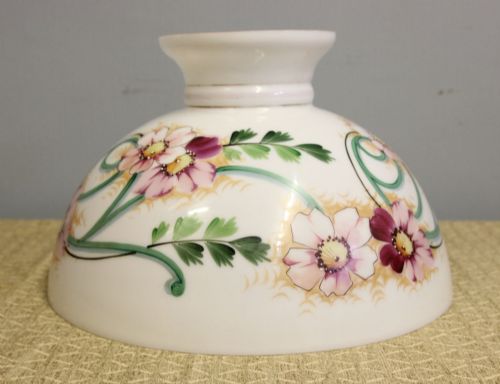
- A milky, semi-translucent glass type popular for soft light diffusion. It often appears in white or pale pastel shades on Edwardian shades.
- Rise and fall
- A mechanical pulley system allowing the hanging lamp to be adjusted in height. This mechanism was common in oil and early electric ceiling fittings.
- Hall lantern
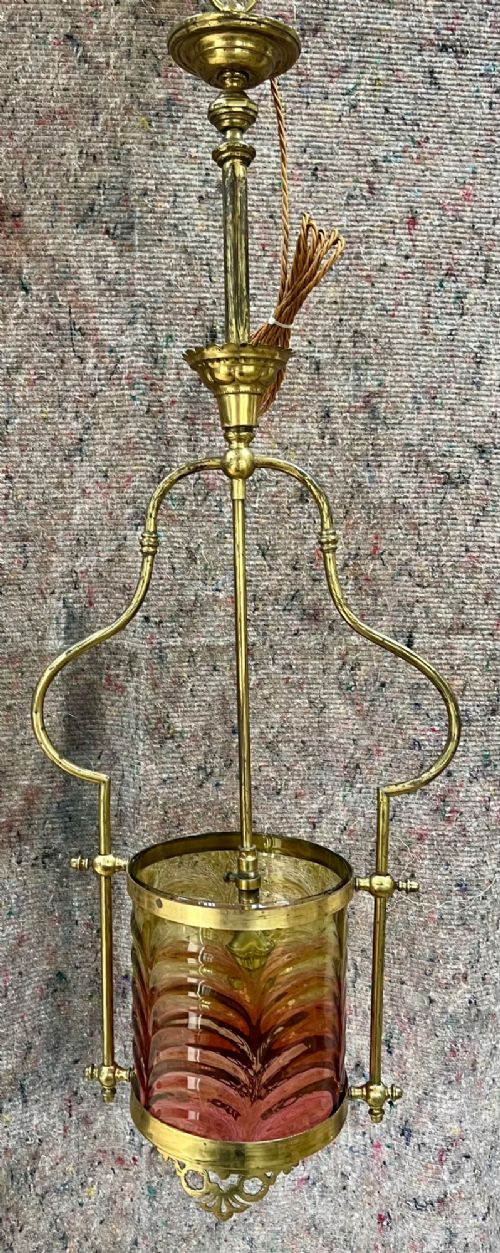
- An enclosed glass and metal light fixture designed specifically for entrance halls and corridors. They frequently feature hinged access doors and decorative top crowns.
Edwardian Hanging Lamp: Frequently Asked Questions
How do I hang a heavy brass chandelier safely?
Suspension requires fixing directly into ceiling joists using a substantial ceiling hook and metal chain rated for the weight of the bronze or brass frame.
Professional electrical installation ensures the internal wiring matches modern standards while preserving the antique metal components.
What is the difference between an oil lamp and an electric conversion?
Original pieces often retain burners such as the Hinks system alongside fuel fonts intended for paraffin before being adapted for modern bulbs.
Conversions allow these historic glass and metal shades to function safely in contemporary homes without altering their external appearance.
Where should I place a hall lantern?
These enclosed copper or brass fixtures suit narrow entranceways, corridors, and high-ceilinged stairwells where downward illumination is essential.
Their glass panels protect the bulb from drafts while casting decorative patterns onto surrounding walls.
How do I identify an Edwardian piece from a Victorian one?
Edwardian designs generally favour lighter proportions, simpler brass frames, and cleaner lines influenced by early twentieth-century tastes.
Victorian equivalents frequently incorporate heavier cast brass, more ornate ornamentation, and darker bronze finishes.