


Edwardian Hand Painted Plate
When you handle an edwardian hand painted plate, you meet master painters working on porcelain and bone china with gold leaf.
Edwardian Hand Painted Plate
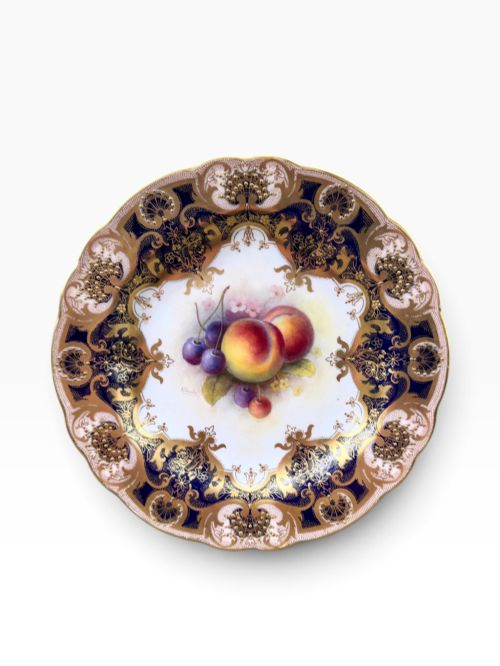
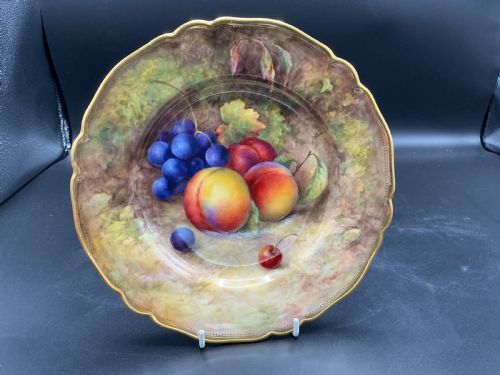
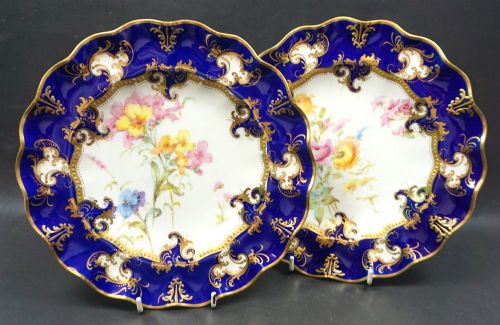
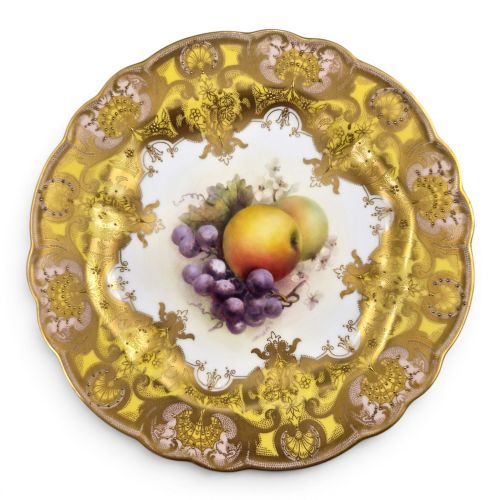
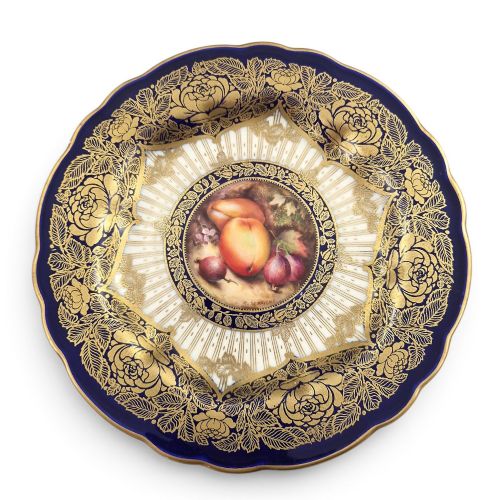
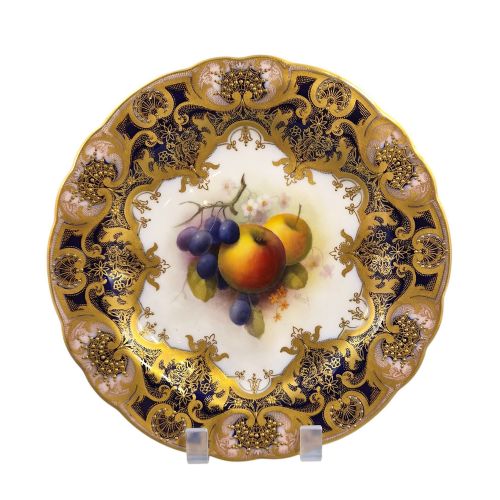
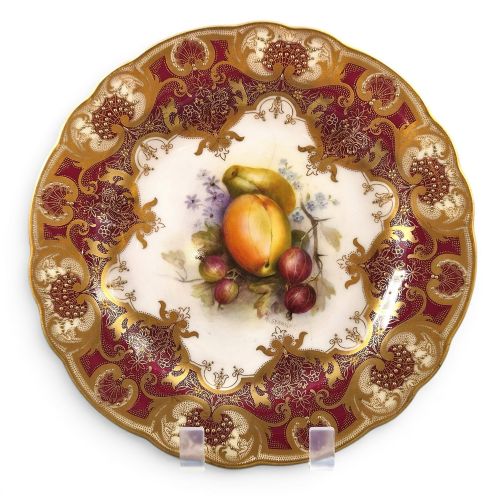
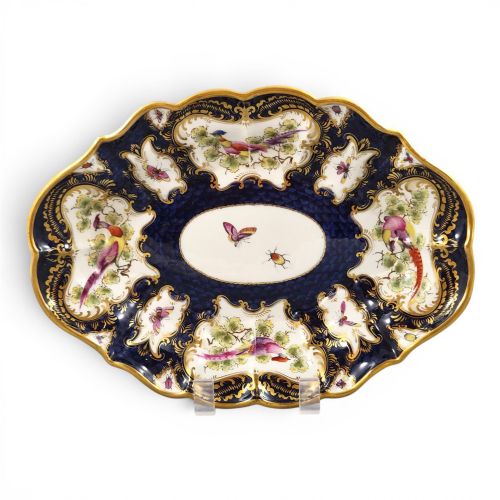
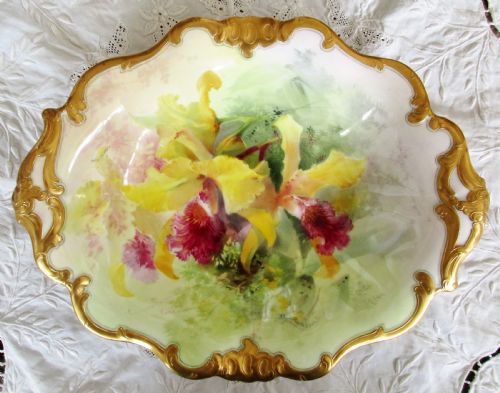
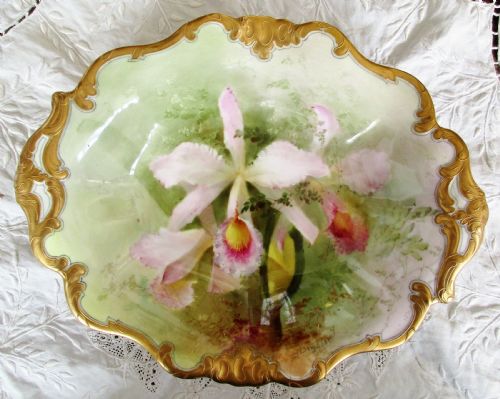
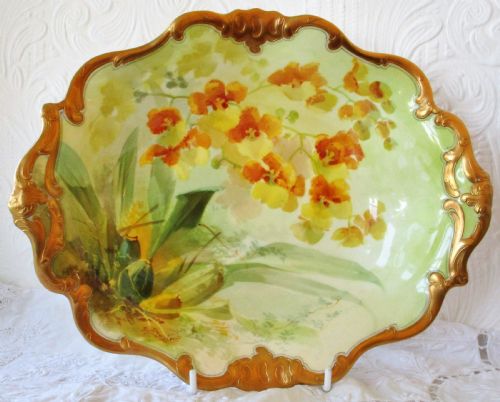
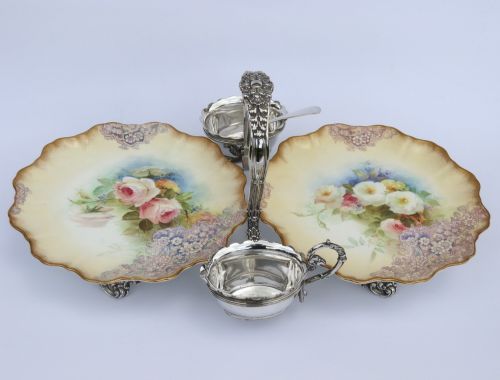
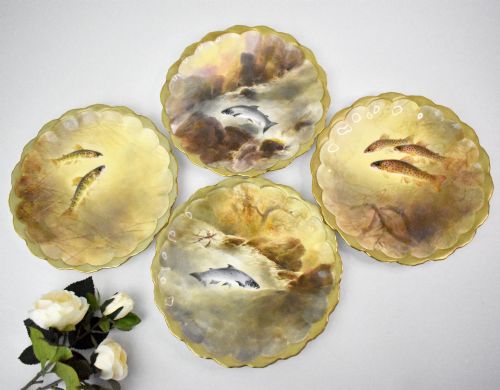
An edwardian hand painted plate represents a period of skilled ceramic decoration, most frequently seen here in cabinet plates and decorative dishes bearing floral, fruit, bird or fish subjects. These pieces span the Edwardian era alongside adjacent dates from nineteen hundred through to the mid-twentieth century.
Collectors encounter prominent porcelain manufactories such as Royal Worcester, Royal Doulton, Royal Crown Derby, Coalport and Wedgwood. The forms range from standard cabinet plates and shaped dishes to soup dishes and dessert sets.
Many examples display artist signatures from notable painters of the period, recording individual hand-painted artistry on porcelain and bone china bodies.
How they were made
Makers utilised porcelain and bone china as the primary canvas for delicate brushwork, applying enamel colours by hand. Gilding, gold leaf and tooled gilt provide rich borders and accents around the central painted scenes.
Specialised techniques include cobalt blue scales, pierced edges and shaped rims that require careful kiln firing. Skilled artists painted botanical studies, ornithology and fruit directly onto the glazed ceramic surface before final firing.
Listings feature porcelain, bone china, enamel and gold leaf across periods from nineteen hundred to nineteen fifty.
What varies in quality
The standard of an edwardian hand painted plate rests upon the identity of the artist and the complexity of the painted subject. Signed works by recognised painters command distinct attention compared to standard factory decoration.
The application of gold leaf, the intricacy of tooled gilding and the weight of the porcelain body define the upper tier of the range. Complete sets or matched pairs also elevate the standing of the pieces within cabinet displays.
Royal Worcester·Royal Doulton·Royal Crown Derby·Coalport·Wedgwood·Grainger and Co·Walker and Hall·Doulton Burslem
The Edwardian Hand Painted Plate Glossary
- Cabinet plate
- A decorative ceramic plate intended for display in a cabinet rather than for dining use. These pieces often feature elaborate hand-painted scenes and gilt borders.
- Bone china
- A type of soft-paste porcelain containing bone ash, known for its high strength, chip resistance and translucency. It served as a common base for fine Edwardian painting.
- Gilt
- A thin layer of gold applied to the surface of the porcelain. Tooled gilding involves incising patterns into the gold surface for added texture and reflection.
- Enamel
- Vitreous coloured glass fused to the ceramic surface during firing. It provides the vibrant pigment used for botanical and figurative details.
- Imari
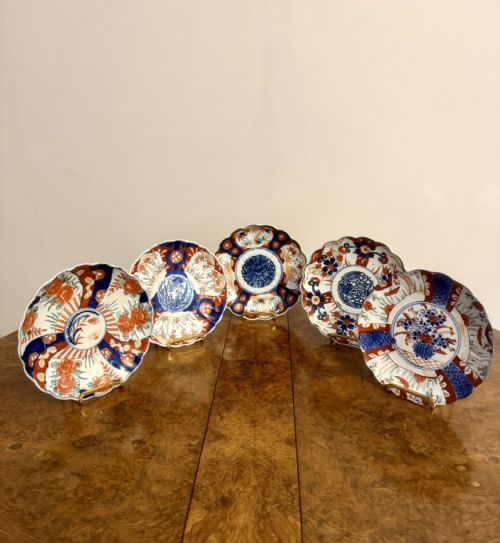
- A traditional Japanese style of ceramic decoration characterised by underglaze blue and iron red, with additional gold highlights. European factories frequently imitated this palette.
Edwardian Hand Painted Plate: Frequently Asked Questions
How do I display a cabinet plate?
Cabinet plates are designed primarily for display rather than everyday dining use. Sturdy wall mounts or specialist plate stands allow you to exhibit them safely in cabinets or on shelves.
Ensure the display method supports the weight of the porcelain securely without obscuring the painted borders or gilt edges.
Were these plates used for food?
While dessert sets and soup dishes saw practical service, many pieces catalogued as cabinet plates were created strictly for visual display. The delicate hand-painted enamel and gold leaf on these items can wear with active use.
Gentle cleaning with a soft cloth preserves the painted surface and the surrounding gilding over time.
How do I identify the artist?
Many fine pieces feature signature marks painted directly onto the face of the ceramic or stamped initials on the reverse. Painters such as Richard Sebright or Charles Baldwyn often signed their fruit and bird studies.
Maker marks on the underside help date the manufacture, though the artist signature points to the specific hand behind the artwork.
What periods do these plates cover?
The pieces span the Edwardian era and surrounding decades, incorporating dates from nineteen hundred through the nineteen twenties and thirties up to nineteen fifty. Factory backstamps often provide specific date codes.
Stylistic shifts move from ornate neo-rococo details to distinct Art Nouveau and Art Deco influences in later years.