
Edwardian Hallway Table
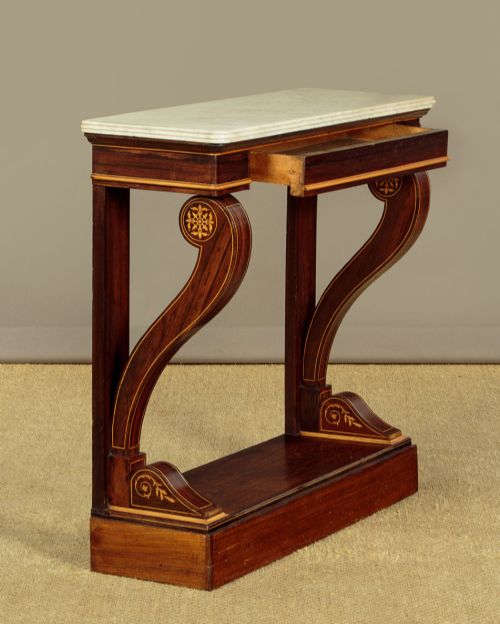
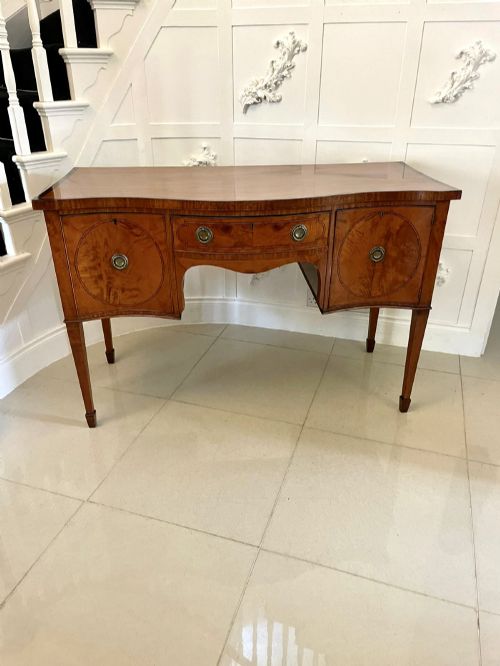
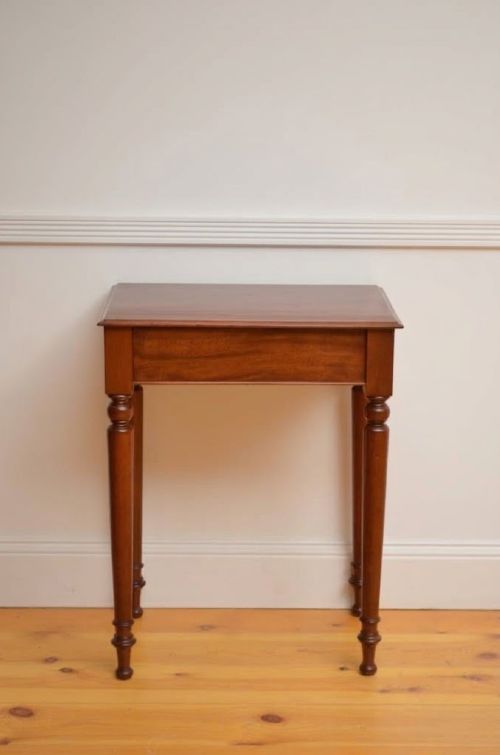
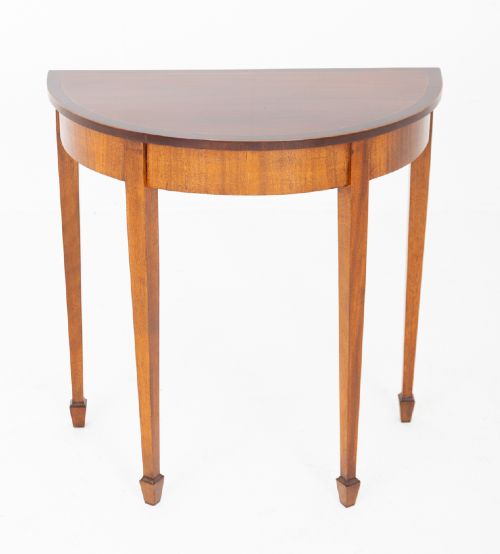
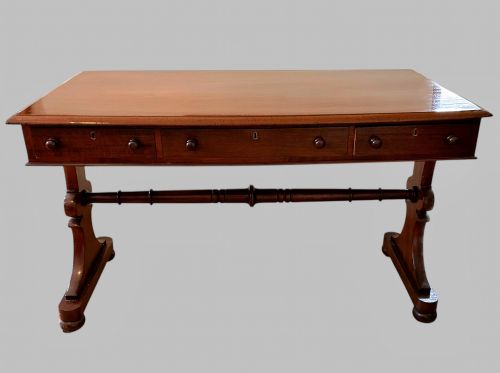
An edwardian hallway table brings practical elegance and compact proportions to an entrance hall, offering a surface for letters and keys.
Edwardian Hallway Table
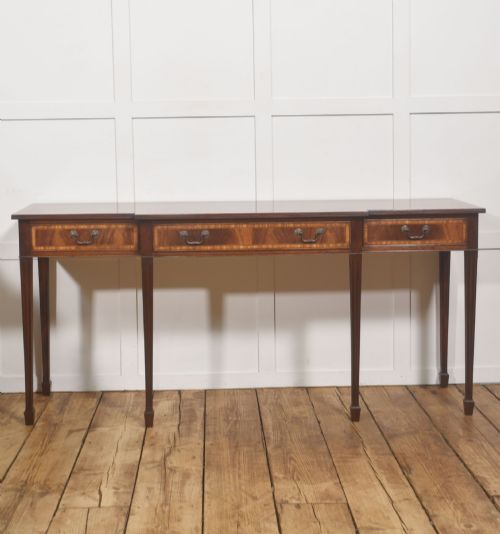
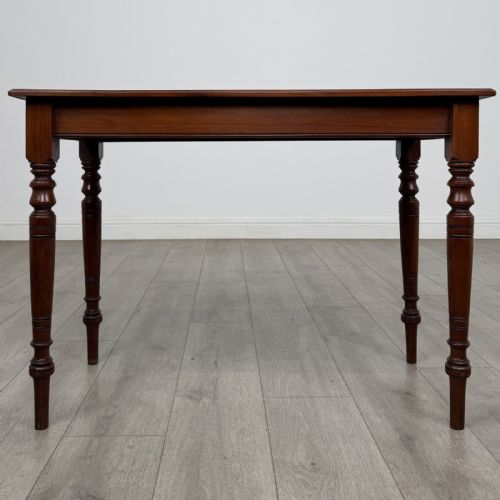
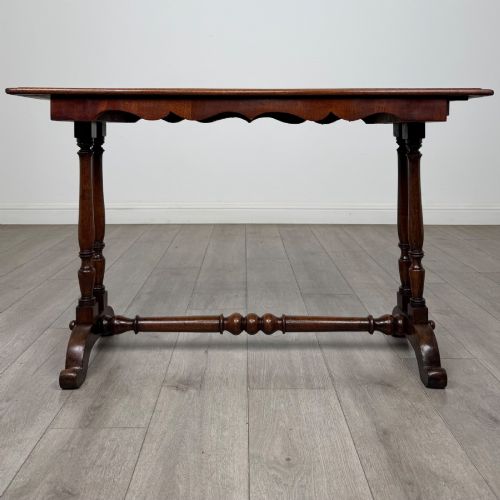
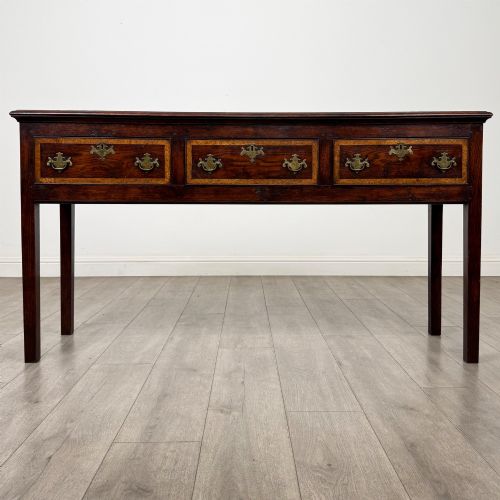
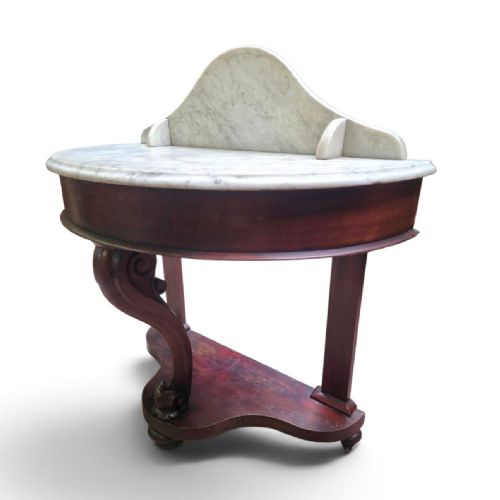
When searching for an edwardian hallway table, buyers encounter a variety of narrow furniture designed specifically for transit spaces and narrow rooms. The selections span console tables, side tables, and compact sideboards that fit neatly against a wall without obstructing the passage.
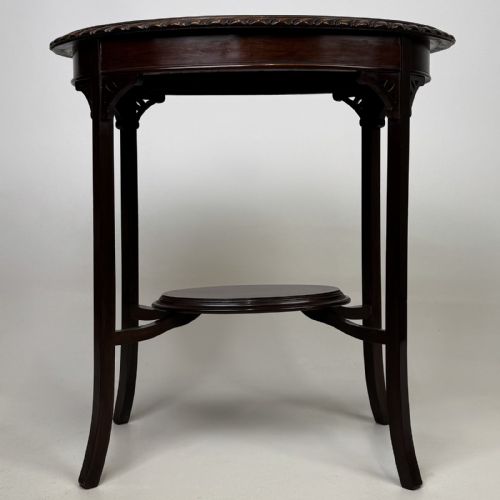
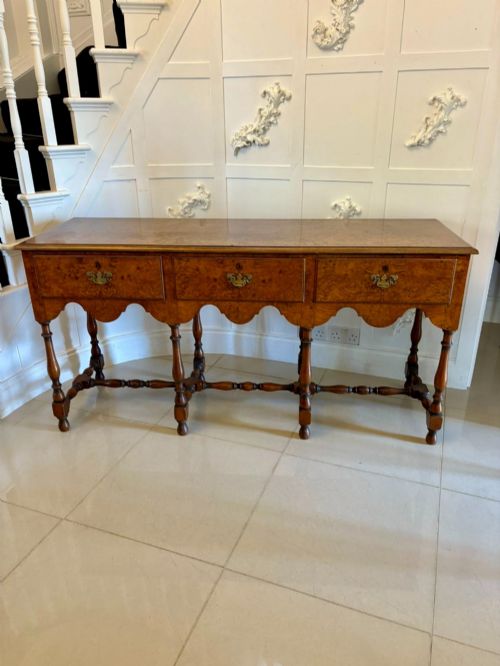
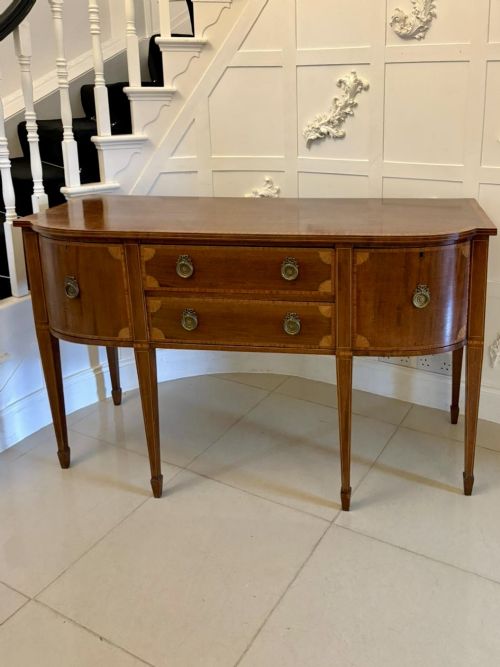
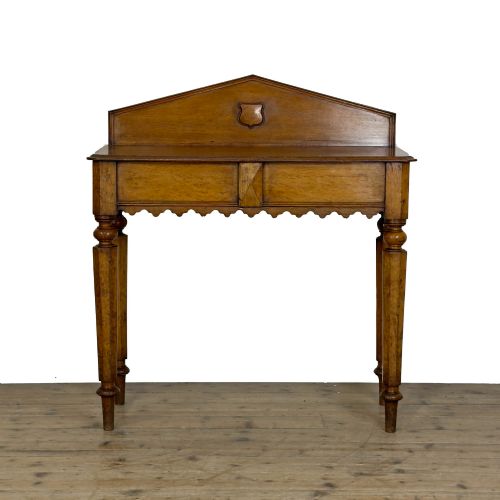
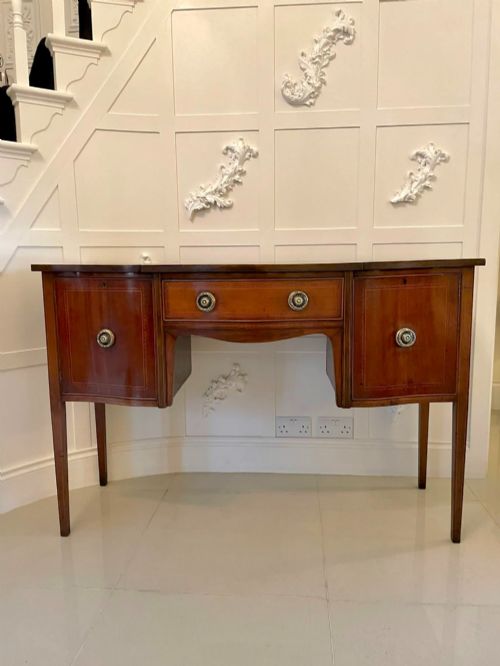
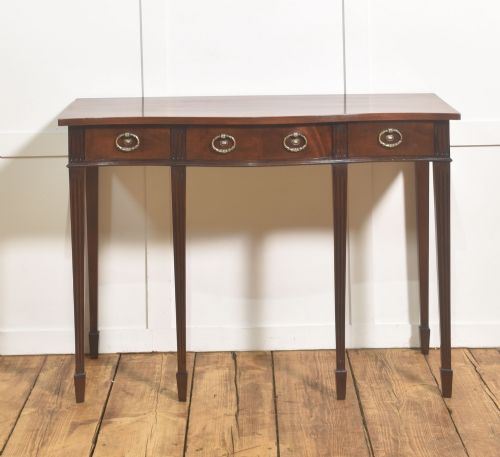
The period production draws heavily on mahogany and oak, often featuring satinwood crossbanding, wood inlay, or burr walnut surfaces. These pieces balance utilitarian storage, such as drawers or pot boards, with refined details like serpentine shapes and gadrooned edges.
While the primary focus remains on pieces from the Edwardian era, related items from the late Victorian period and the early twentieth century frequently appear alongside them. These items share similar space-saving proportions and timber constructions suited to traditional entryways.
Distinctions in Quality and Craftsmanship
The refinement of the timber selection dictates much of the distinction between standard examples and finer works. Highly figured mahogany, burr walnut, and intricate satinwood inlay elevate a piece beyond basic utility.
Proportion and execution of detail set superior items apart. Crisp carving on edges, well-fitted drawers, and balanced serpentine or bow fronts reflect the skill invested by the cabinetmaker during construction.
Listings combine Edwardian items with Victorian and early twentieth-century pieces, utilising mahogany, oak, walnut, and marble.
Druce and Co·Merryweather and Sons·M D Miller and Sons
The Edwardian Hallway Table Glossary
- Console Table
- A table designed to stand against a wall, frequently secured to it or supported by front legs.
- Satinwood Crossbanding
- A border technique where thin strips of yellowish satinwood are applied across the grain of the main timber to frame a panel or top.
- Gadrooned Edge
- A carved decorative moulding featuring repetitive convex curves, often ornamenting the rim of a tabletop.
- Pot Board
- An open lower shelf fitted beneath a dresser base or sideboard, traditionally used for storing earthenware and heavy kitchen vessels.
- Serpentine Shape
- A front profile that curves outward in the centre and inward towards the ends in a continuous undulating line.
Edwardian Hallway Table: Frequently Asked Questions
Where should I place an edwardian hallway table?
These narrow tables suit entrance halls, corridors, and landings where floor space is limited. Their shallow depth allows them to sit flush against a wall without blocking doorways.
They function well beneath a mirror or coat rack, providing a convenient drop zone for daily items while maintaining an orderly appearance in the passage.
How do I care for a polished mahogany surface?
Maintain the finish by dusting regularly with a soft, dry cloth and avoiding silicone-based sprays that build up residue over time. Keep the timber away from direct heat sources and strong sunlight to prevent fading and drying.
Applying a traditional beeswax periodically nourishes the wood and preserves the natural lustre of the antique polish.
What is the difference between a console and a side table?
Console tables traditionally sit flat against a wall and historically relied on wall brackets for additional stability, though most freestanding variants now possess sturdy legs. Side tables are self-supporting and designed to stand freely beside seating or along any room perimeter.
In modern usage, both terms often describe similar narrow profile furniture suitable for hallways and reception spaces.
How can I distinguish Edwardian pieces from Victorian ones?
Edwardian furniture generally exhibits lighter proportions, simpler lines, and brighter satinwood or mahogany veneers influenced by revived Georgian tastes. Victorian pieces often display heavier timbers, darker finishes, and more robust carving.
Cross-period crossover remains common, as late nineteenth-century workshops often anticipated the lighter aesthetics that defined the early twentieth century.