


Edwardian Gothic Chairs
Edwardian gothic chairs combine ecclesiastical gravity with domestic utility, offering solid timber construction and pointed arch detailing that anchors a room.
Edwardian Gothic Chairs
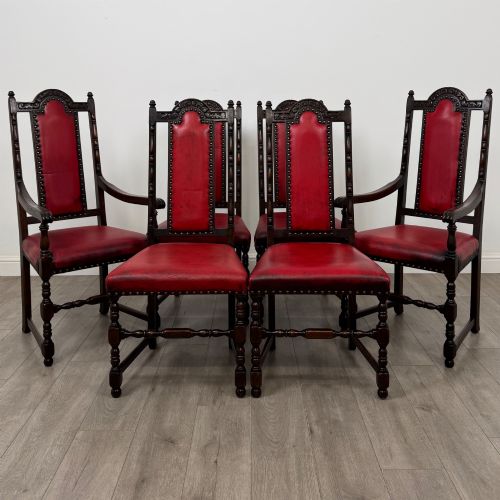
When you search for edwardian gothic chairs, you encounter seating that channels medieval architecture and ecclesiastical design into domestic forms, spanning dining chairs, armchairs, and hall chairs. The material record shows solid timber construction, predominantly oak, reflecting the revivalist tastes of the period.
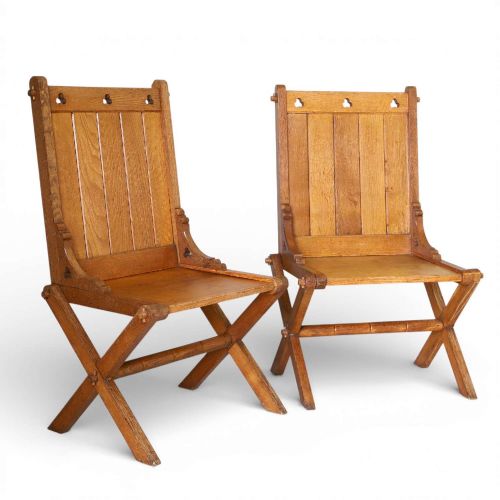
You are most likely to meet oak dining sets and ecclesiastical styles featuring high backs and trefoil details from the early decades of the twentieth century. These pieces draw heavily on earlier nineteenth-century revival movements, incorporating Jacobean and Arts and Crafts influences alongside traditional Gothic pointed arches.
How they were made
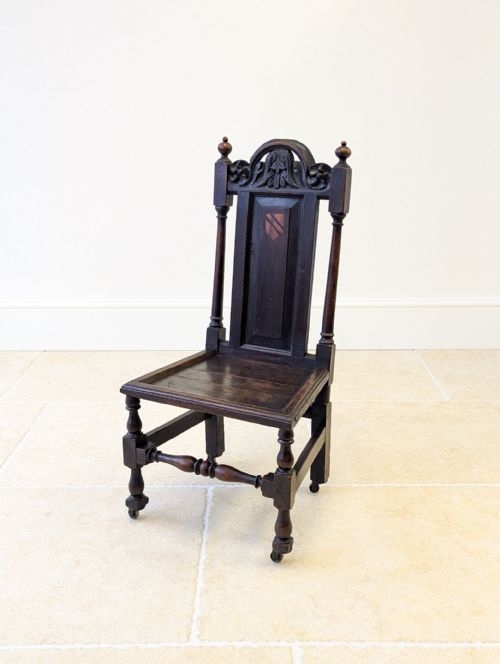
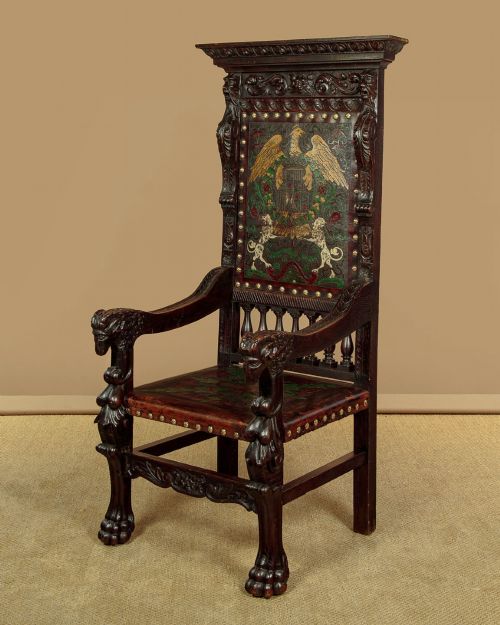
Makers constructed these chairs primarily using solid oak and mahogany, shaped with traditional joinery and reinforced for domestic or ecclesiastical use. Timber was frequently carved by hand to produce the deep mouldings and heraldic motifs characteristic of the style.
Upholstered elements typically involved leather or heavy fabric, sometimes secured with brass studding or buttoning to complement the dark woods. Inlaid details in satinwood or contrasting timbers occasionally appear on lighter decorative pieces.
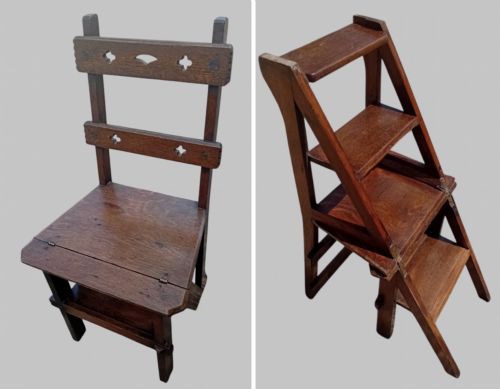
One versatile chair secretly turns into library steps, proving Victorians loved furniture that could perform parlour tricks.
What varies in quality
The distinction between standard commercial production and finer work lies in the depth and crispness of the carving and the selection of the timber. Dense, well-figured oak with hand-finished linenfold or tracery panels commands greater attention than simple machine-cut mouldings.
Structural integrity also separates examples, particularly in the joinery of high-backed hall chairs and church seating that endured heavy daily use. Original leather upholstery and intact brass detailing elevate the integrity of a surviving set.
Liberty & Co·Charles Bevan·Lambs of Manchester
The Edwardian Gothic Chairs Glossary
- Gothic Revival
- An architectural and decorative style drawing inspiration from medieval ecclesiastical design, featuring pointed arches and vertical emphasis. This aesthetic defines the overarching character of these chairs.
- Trefoil
- A graphic ornament composed of three overlapping rings or lobes, frequently carved into the backs of church and hall chairs. It echoes medieval stone tracery windows.
- Metamorphic
- Describing furniture designed to transform from one form into another, such as a chair that converts into library steps. These versatile pieces combine utility with clever engineering.
- Ecclesiastical
- Pertaining to the Christian church, describing furniture originally produced for places of worship or styled to mimic church furnishings. Such pieces often display severe lines and religious motifs.
Edwardian Gothic Chairs: Frequently Asked Questions
Where were these chairs used?
These chairs were produced for domestic dining rooms, hallways, and ecclesiastical settings such as churches and vestries.
Their sturdy timber construction suited public spaces as well as substantial homes adopting revivalist interior decoration.
How do I date them?
Dating relies on examining the timber, construction methods, and stylistic crossover between Victorian revivalism and Edwardian production.
Makers often combined Gothic tracery with Arts and Crafts simplicity during the early twentieth century, distinguishing them from mid-nineteenth-century prototypes.
Are they comfortable for daily use?
Most variants offer an upright seating position dictated by their high wooden backs and architectural styling.
Upholstered versions with leather pads provide softer seating, while wooden hall chairs function best as occasional or accent pieces.
How do I care for the oak?
Maintenance requires keeping the timber away from direct heat sources and sudden humidity changes to prevent splitting.
Feeding the wood with a traditional wax polish preserves the dark patina and protects the carved surfaces over time.