
Edwardian Golden Oak Drawers
Edwardian golden oak drawers bring warm grain and sturdy utility into a room, offering practical storage with distinct period character.
Edwardian Golden Oak Drawers
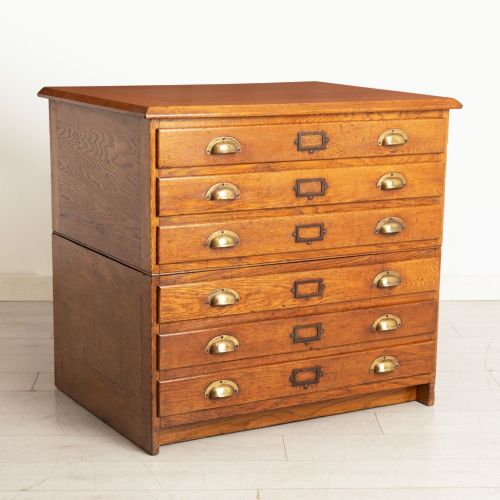
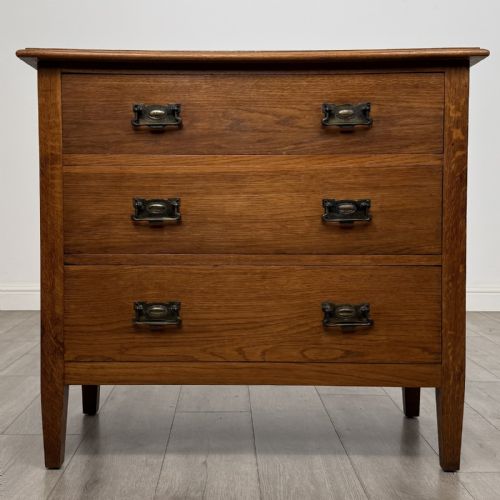
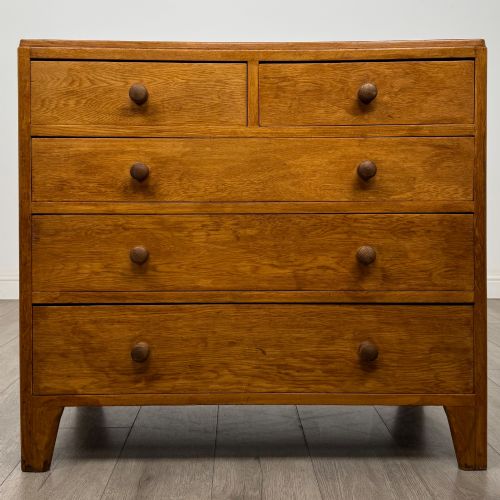
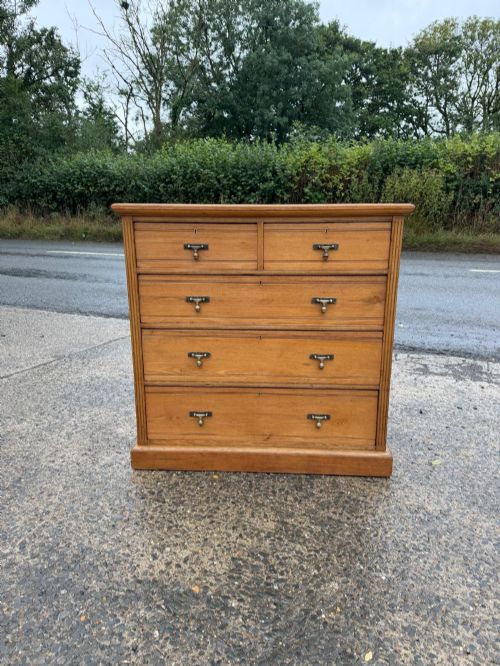
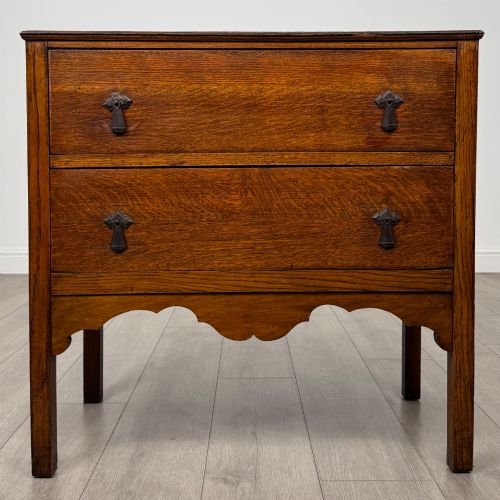
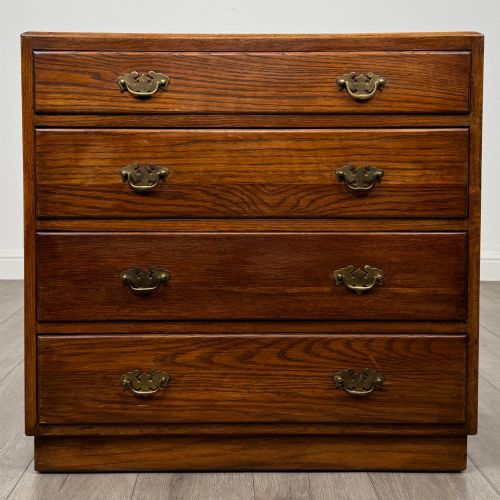
Edwardian golden oak drawers primarily comprise chests of drawers, desks, and filing cabinets originating from the Edwardian period and adjacent eras. These pieces display the characteristic honeyed tones of golden oak timber, selected for domestic and office use.
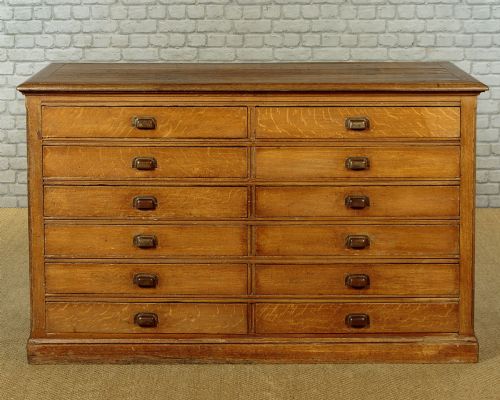
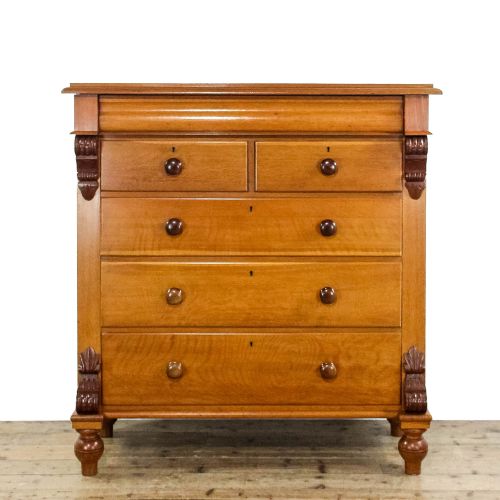
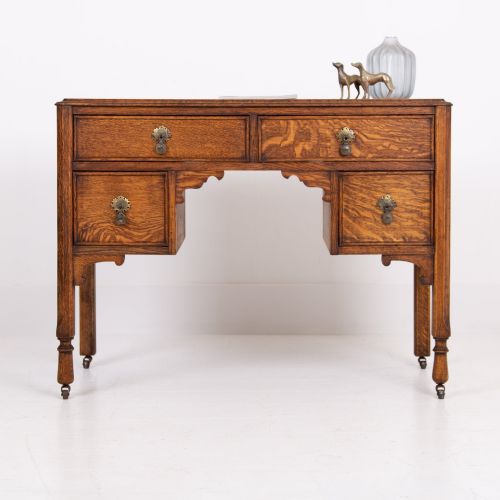
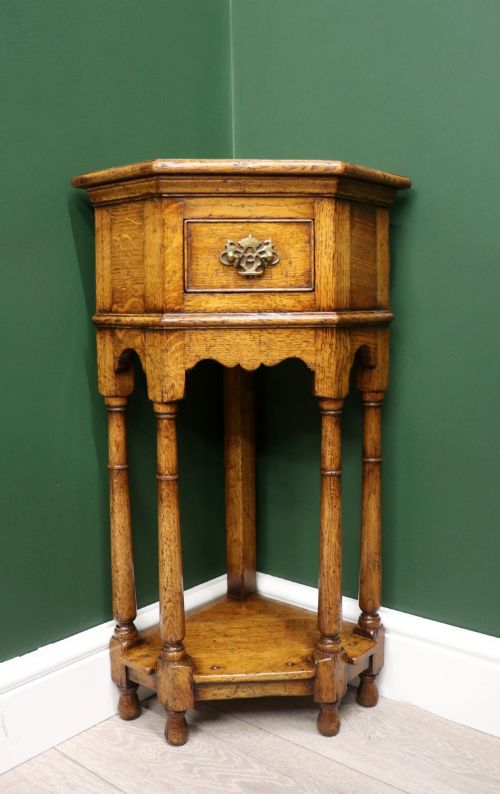
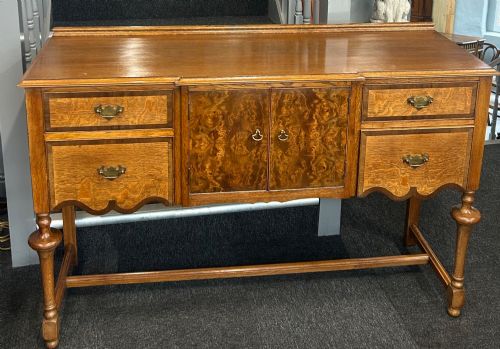
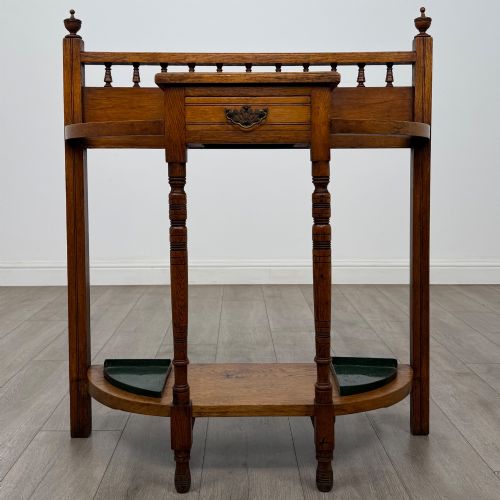
The version most commonly met on this page is the chest of drawers, often featuring raised galleries or traditional configurations such as two short drawers over three long ones. Alongside standard chests, buyers encounter specialised forms like banks of drawers, hall stands, and writing tables.
Makers and designers of the time applied styles ranging from straightforward Edwardian utility to Arts and Crafts simplicity and Art Nouveau curves. The resulting furniture balances honest construction with the approachable warmth of golden oak.
What varies in quality
Quality rests in the selection of the timber and the integrity of the construction, distinguishing standard utility items from pieces by notable makers. Selected golden oak displays a more consistent and lively grain pattern across the front drawers.
Execution of details such as raised galleries, original brass hardware, and cabinetmaker labels elevates a piece. Better examples maintain structural rigidity and smooth drawer operation without relying on modern replacement parts.
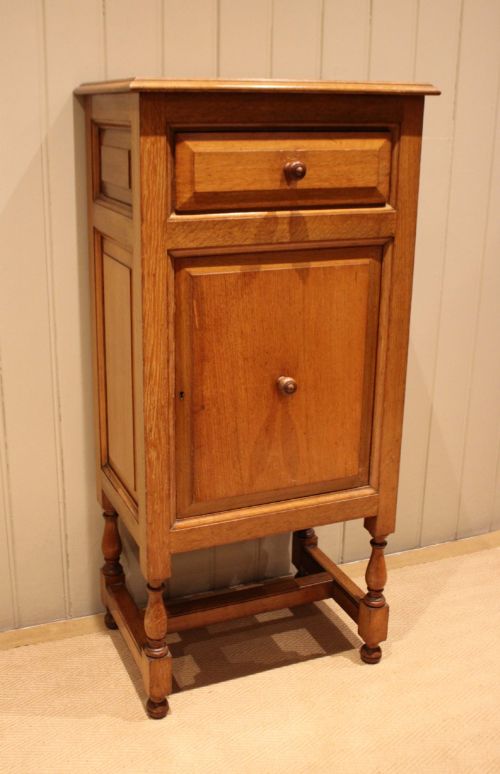
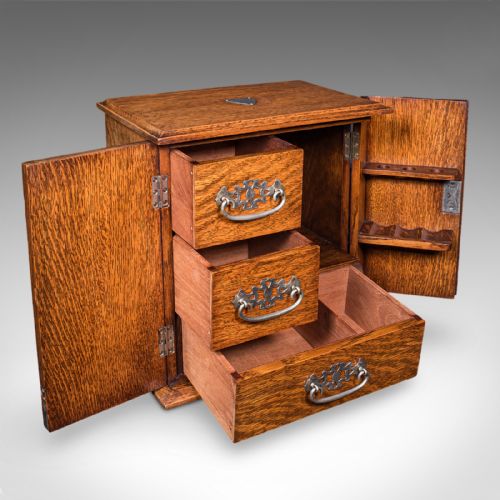
Listings feature items spanning the Victorian, Edwardian, and mid-twentieth-century eras, constructed primarily from oak, brass, and glass.
Harris Lebus·Heals·George Walton·Jenners
The Edwardian Golden Oak Drawers Glossary
- Golden oak
- A bright, warm shade of oak timber popular in furniture production around the turn of the twentieth century. It highlights the natural medullary rays of the wood.
- Raised gallery
- A low decorative upstand fixed to the top rear or sides of a chest of drawers or desk. It prevents items from sliding off the surface.
- Bank of drawers
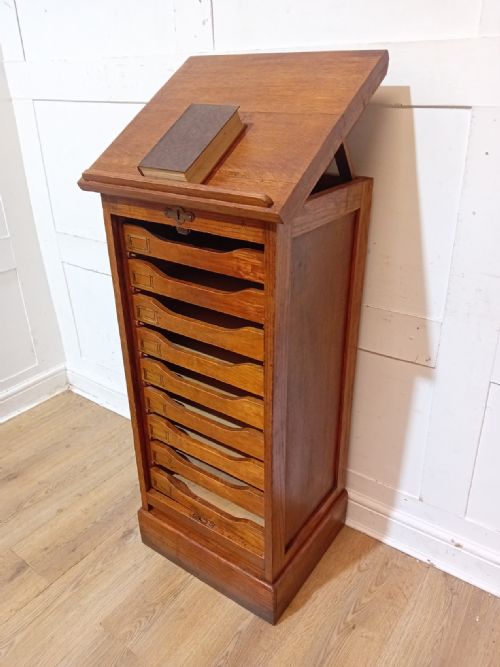
- A tall or multi-tiered stack of numerous small drawers designed for filing, sorting, or haberdashery. These units prioritise modular storage capacity.
- Arts and Crafts
- A design movement valuing handcraft, plain surfaces, and honest construction over mass-produced ornamentation. Pieces from this tradition often feature exposed joinery.
- Compactum
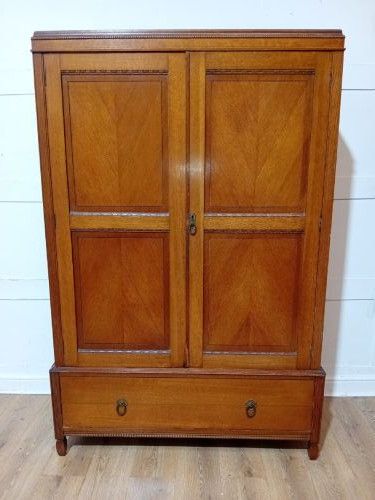
- A multi-functional wardrobe or storage combination designed to hold various garments and accessories within a single footprint. They frequently incorporate internal drawers and hanging space.
Edwardian Golden Oak Drawers: Frequently Asked Questions
How do I care for golden oak drawers?
Keep wooden furniture away from direct heat sources and sudden humidity shifts to prevent timber splitting or warping. Apply a suitable wax polish periodically to nourish the grain and protect the surface from daily wear.
Avoid using harsh chemical sprays or abrasive cloths that can strip the historic polish. A soft, dry duster is usually sufficient for regular maintenance.
Are these drawers suitable for modern bedrooms?
These pieces offer generous proportions and sturdy storage capacity that suit contemporary clothing weights and bedroom layouts. The warm tone of golden oak mixes easily with both painted walls and neutral interiors.
Measuring available floor space and ceiling clearance helps ensure a comfortable fit alongside modern beds and wardrobes. Drawer depths generally accommodate folded garments and linens without difficulty.
What is a raised gallery top?
A raised gallery is an integrated wooden barrier attached to the back or edges of the top surface. It served a practical purpose in Edwardian rooms by keeping papers or objects secure.
This feature adds architectural height and visual interest to a standard chest of drawers. It distinguishes flat tabletops from those designed with specific organisational utility in mind.
How can I tell an Edwardian piece from a Victorian one?
Edwardian furniture often displays lighter golden oak tones and simpler, less cluttered lines compared to earlier Victorian designs. Cabinetmakers in the Edwardian era frequently drew inspiration from Arts and Crafts principles or lighter revival styles.
Victorian pieces tend to use darker finishes and heavier mouldings, reflecting the tastes of the nineteenth century. Examining the hardware and internal secondary woods also helps clarify the likely period of manufacture.