
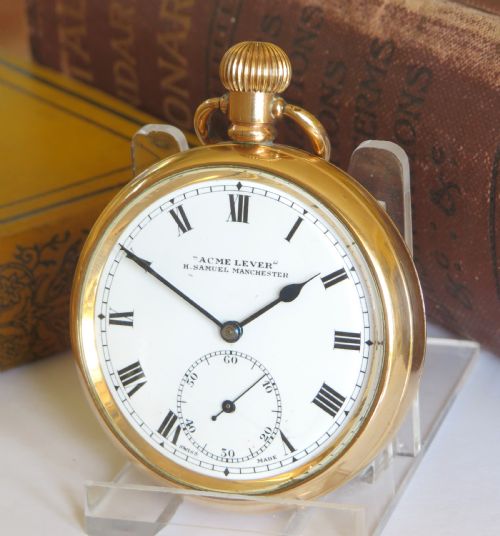
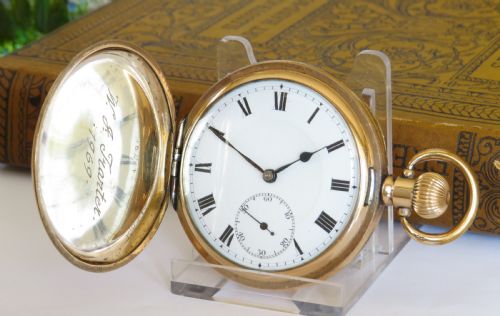
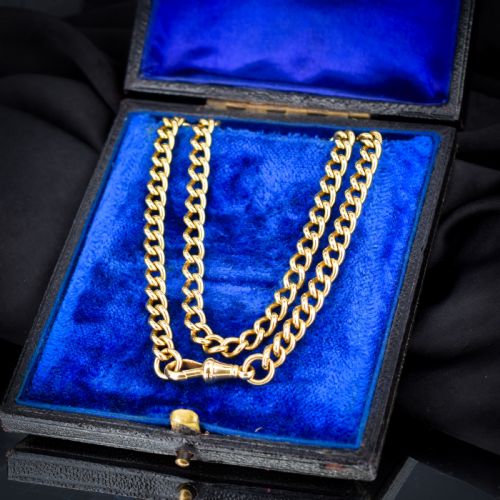
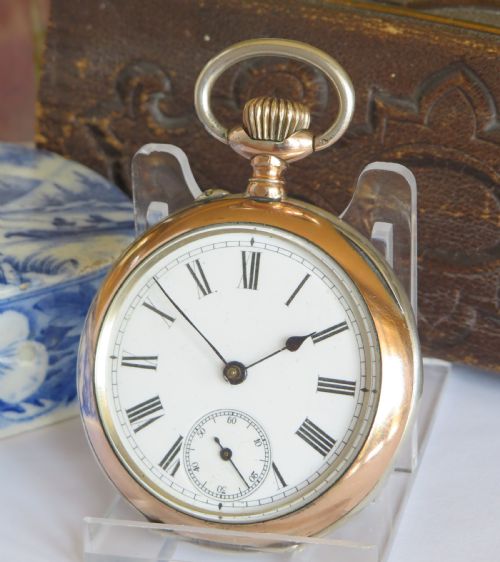
Edwardian Gold Fob Watch
An Edwardian gold fob watch brings pocket timekeeping and wearable adornment together in one compact piece.
Edwardian Gold Fob Watch
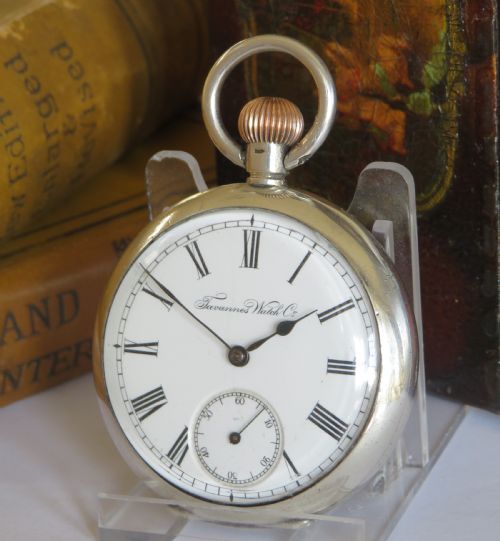
An edwardian gold fob watch is a portable timepiece designed to be carried in a waistcoat pocket or suspended from a chain, emerging from an era defined by precise mechanical movements and refined personal accessories. When searching for this phrase, buyers encounter small pendant watches alongside complete pocket watch assemblies paired with decorative seals and charms. The pieces met most frequently on this page span the early decades of the twentieth century, often fashioned in solid nine-carat yellow or rose gold.
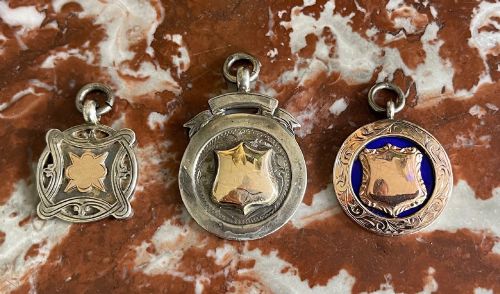
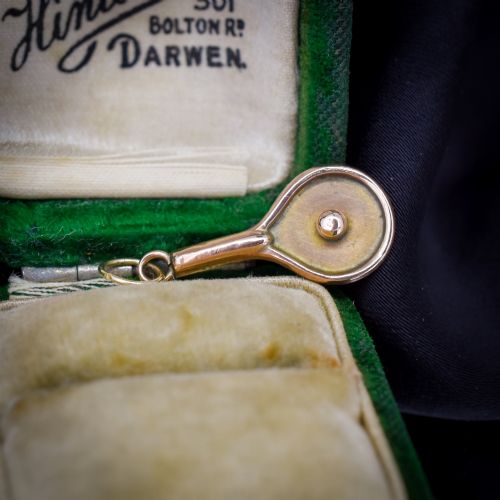
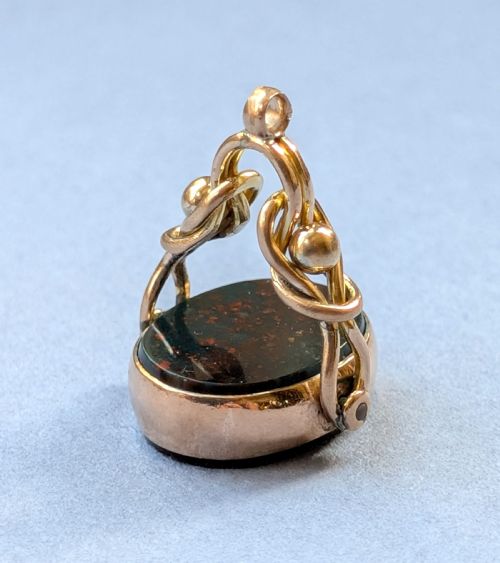
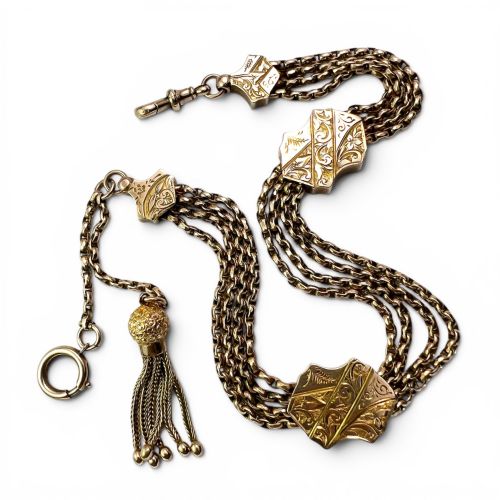
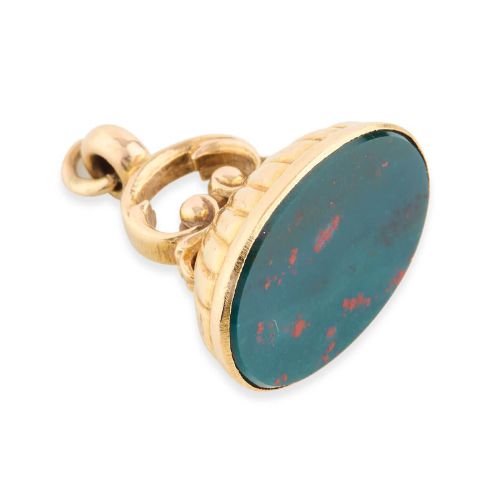
Beyond standard timepieces, the category encompasses related vestments such as albert chains, swivel fobs, and spinning pendants set with hardstones like bloodstone. These items reflect the sartorial habits of the period, where utility and ornamentation met on the watch chain. Surviving examples demonstrate the close relationship between the watch itself and the pendant hanging from its tether.
How They Were Made
Makers constructed these watch cases and fobs using nine-carat gold, rose gold, and durable rolled gold or gold plate over a base metal core. Enamel work frequently added colour to dials and decorative backs, while glass protected the delicate watch faces. Stones such as bloodstone were shaped and polished to form the rotating panels of spinning fobs.
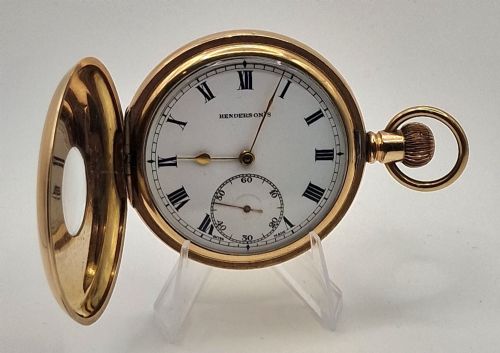
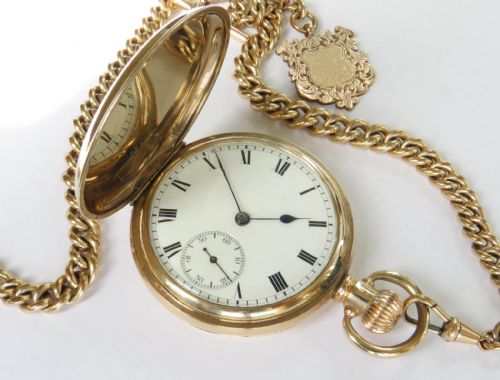
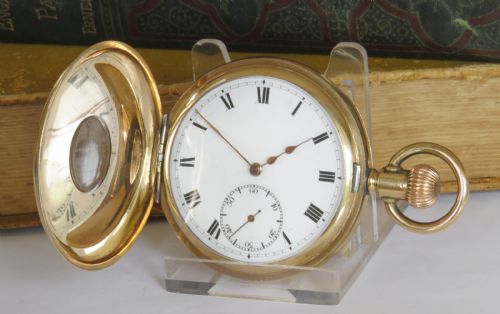
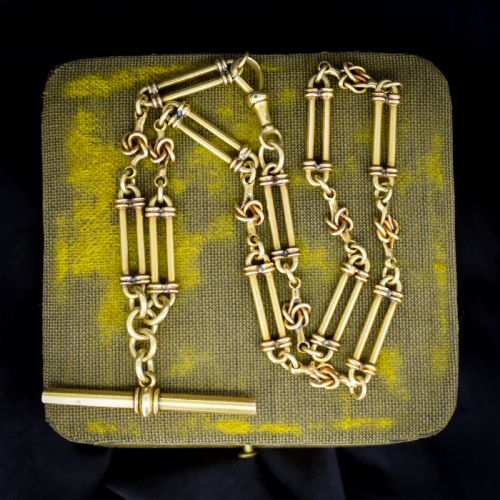
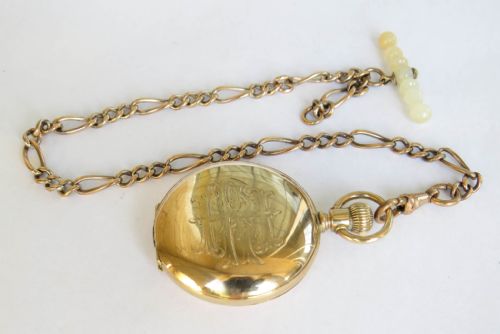
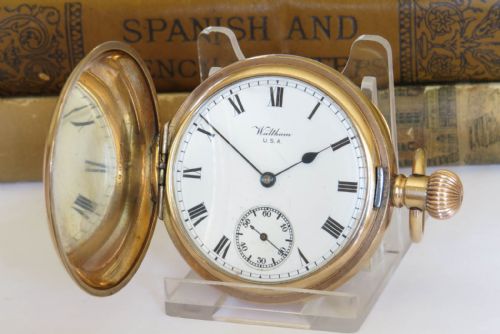
Mechanical construction relied on lever movements housed within full hunter or half hunter cases, which required button wind mechanisms to tension the mainspring. Chains accompanying these watches utilised trombone, curb, and albertina links, connected securely by dog clips and T-bars.
Listings feature 19th Century, Victorian, Edwardian, and Art Deco eras alongside materials including enamel, steel, and gold plate.
What Varies in Quality
The distinction between tiers rests on the weight of the gold used in the case and chain, alongside the complexity of the watch movement inside. Solid nine-carat and eighteen-carat gold pieces occupy a higher category than gold-plated or rolled metal alternatives.
Finishing details also divide the range, from plain polished cases to items featuring intricate engraving, inset hardstones, and multi-jewelled Swiss movements that retain their operational status.
Waltham·Elgin·Tavannes·Hebdomas·Langendorf
The Edwardian Gold Fob Watch Glossary
- Full hunter
- A pocket watch featuring a solid metal spring-loaded cover that protects the glass dial. Pressing the crown opens the case to reveal the time.
- Half hunter
- A pocket watch case with a small glass aperture or opening in the outer cover, allowing the wearer to view the hands without fully opening the watch.
- Albert chain
- A heavy watch chain attached to a waistcoat buttonhole by a T-bar, named after Prince Albert. It secures both the pocket watch and dangling fobs.
- Spinning fob
- A pendant mounted on a swivel axis featuring two or three distinct faces, often combining engraved metal with polished stones like bloodstone.
- T-bar
- A short transverse bar attached to the end of a watch chain. It slips through a waistcoat buttonhole to anchor the chain securely.
Edwardian Gold Fob Watch: Frequently Asked Questions
How do I wind an edwardian gold fob watch?
Most of these timepieces employ a crown wind mechanism where the knob at the top is turned clockwise until resistance is felt.
Care must be taken not to over-wind the mainspring, as antique mechanisms require a gentle touch to preserve their internal components.
Can I wear an edwardian gold fob watch daily?
Regular wear is possible provided the watch receives proper handling and periodic servicing by a specialist in antique horology.
Due to their delicate mechanical nature and historical value, many owners choose to reserve them for special occasions rather than heavy daily use.
What is the difference between a fob and a watch?
The watch is the timekeeping instrument itself, while the fob is the ornamental pendant or seal suspended from the watch chain.
In period dress, the fob hung at the end of the albert chain as a decorative counterweight and stamp.
How do I identify a solid gold case?
Hallmarks stamped inside the case interior indicate the purity of the metal, such as nine-carat or eighteen-carat gold standards.
Rolled gold and plated items typically display different stamps denoting the manufacturing method rather than precious metal assay marks.