



Edwardian Gold Diamond Drops
Edwardian gold diamond drops combine delicate precious metals with old cut stones, offering a timeless elegance that collectors and wearers prize for evening events.
Edwardian Gold Diamond Drops
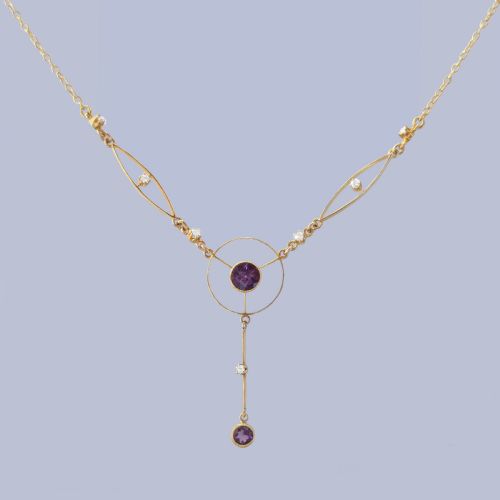
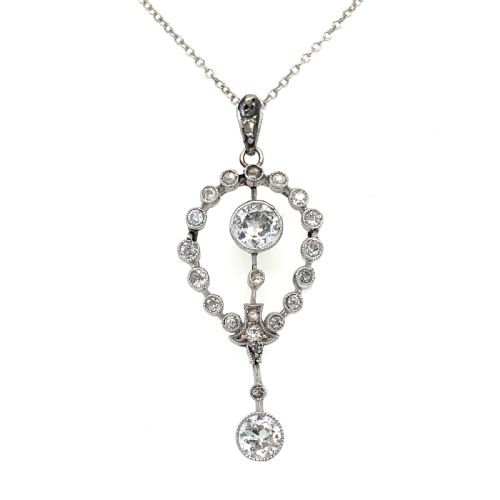
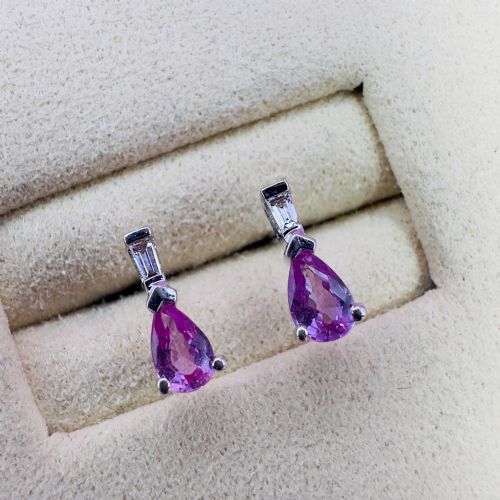
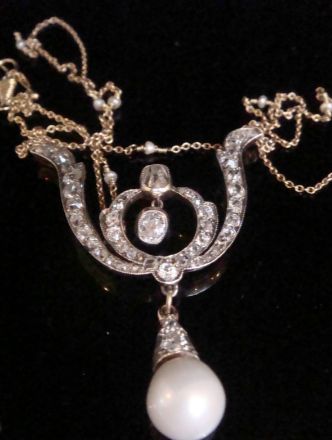
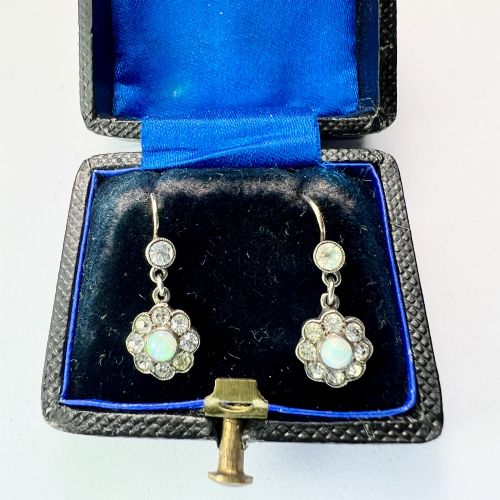
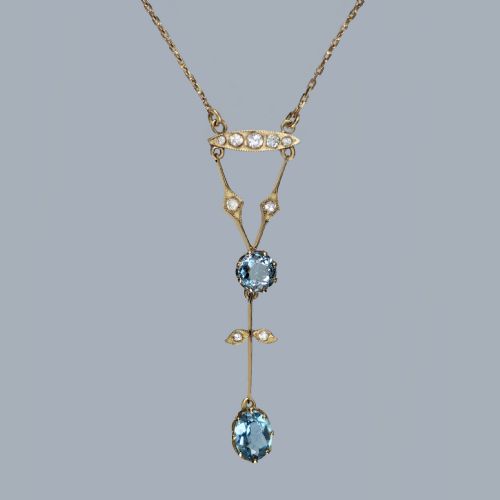
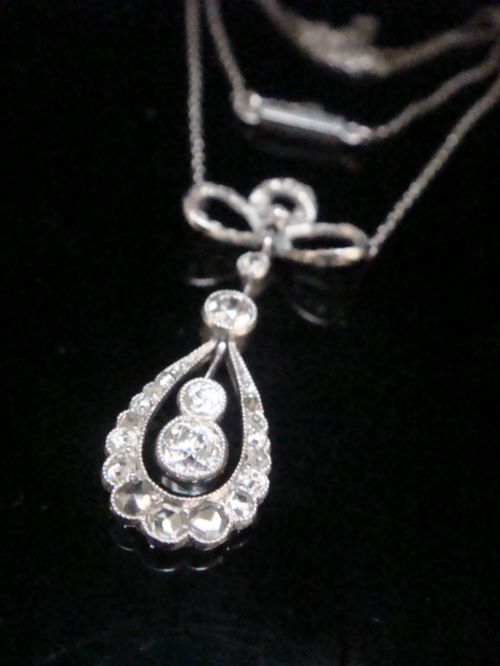
Earrings and pendants form the majority of these listings, often incorporating articulated drops that catch the light with every movement. Forms range from simple geometric drops to intricate foliate and bow motifs.
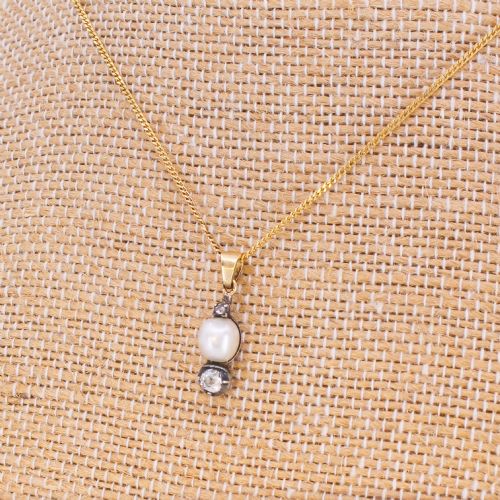
Yellow gold, white gold, and platinum serve as the primary backdrops for these gems, frequently paired with silver settings on the face to brighten the stones. Pearls, aquamarines, and opals frequently accompany the diamonds.
Materials and Techniques
Goldsmiths utilised varying purities of yellow and white gold, alongside platinum and silver, to construct lightweight yet secure mountings for fragile stones. Silver toppings on gold or platinum frames allowed jewellers to set diamonds against a bright white surface.
Old cut and rose cut diamonds dominate these pieces, shaped by hand rather than modern machinery to produce softer, deeper flashes under candlelight. Fine claw settings and detailed millegrain edges secure these stones while adding delicate textural borders.
Some drops incorporate hidden articulation points designed to make the diamonds quiver with the subtlest heartbeat.
Separating the Ranges
Quality in these drops rests upon the harmony of the design and the proportion of the stones relative to the metalwork. Master jewellers balanced substantial central gems with minute supporting diamonds without letting the mounting overpower the sparkle.
The finesse of the metalwork, particularly hand-pierced gallery work and crisp millegrain detailing, distinguishes superior items from standard production pieces. Original fastenings and intact settings further elevate the standing of an individual drop.
Knoll and Pregizer
The Edwardian Gold Diamond Drops Glossary
- Old cut
- A vintage diamond cutting style characterised by a small table, high crown, and open culet, designed to catch candlelight rather than harsh electric illumination.
- Millegrain
- A decorative technique featuring a row of tiny raised metal beads along the edge of a setting, common in early twentieth-century jewellery.
- Lavalier
- A pendant necklace featuring a central stone or drop suspended below a smaller motif, popularised during the Edwardian period.
- Rose cut
- A diamond cut with a flat base and a domed top covered in triangular facets, resembling an unopened rosebud.
- Collet
- A band of metal that holds a gemstone in place by encircling its girdle.
Edwardian Gold Diamond Drops: Frequently Asked Questions
What defines Edwardian drop earrings?
Edwardian drop earrings typically feature old cut diamonds set in platinum or white gold, often utilising pierced foliate designs and millegrain borders to create a light, lace-like appearance.
These pieces hang gracefully below the earlobe, designed to sway with movement and catch the ambient light of evening gatherings.
How do I care for antique diamond drops?
Antique diamond drops require gentle cleaning with warm soapy water and a soft brush, avoiding harsh ultrasonic cleaners that can loosen old settings or damage accompanying softer gems like pearls or opals.
Store them individually in lined boxes to prevent the metal and stones from scratching neighbouring pieces during storage.
Can I wear these drops daily?
While durable, antique pieces benefit from mindful wear due to their delicate construction and older setting techniques. Occasional checks by a jeweller ensure the tiny claws and millegrain edges remain secure.
Avoiding exposure to harsh chemicals, perfumes, and vigorous physical activities helps preserve the integrity of the gold and silver mountings.
How do I distinguish Edwardian from Art Deco drops?
Edwardian drops lean towards organic curves, floral motifs, bows, and garlands, employing delicate platinum and silver-topped gold wirework. Art Deco pieces shift sharply towards rigid geometric lines, symmetry, and stylised abstraction.
Examining the underlying metal structure and secondary stones like aquamarines or sapphires often clarifies the transition between these two overlapping eras.