


Edwardian Globe
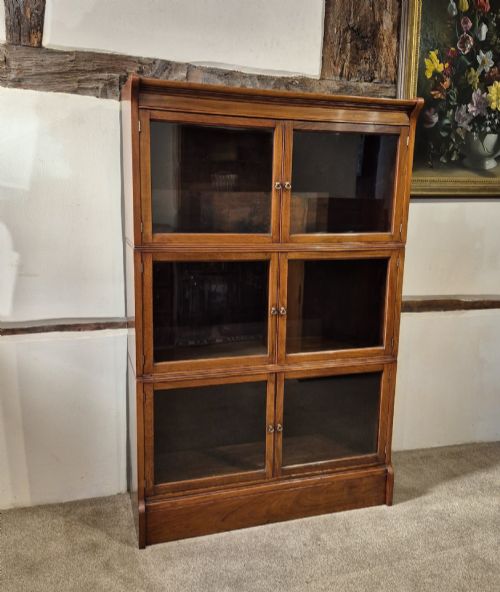
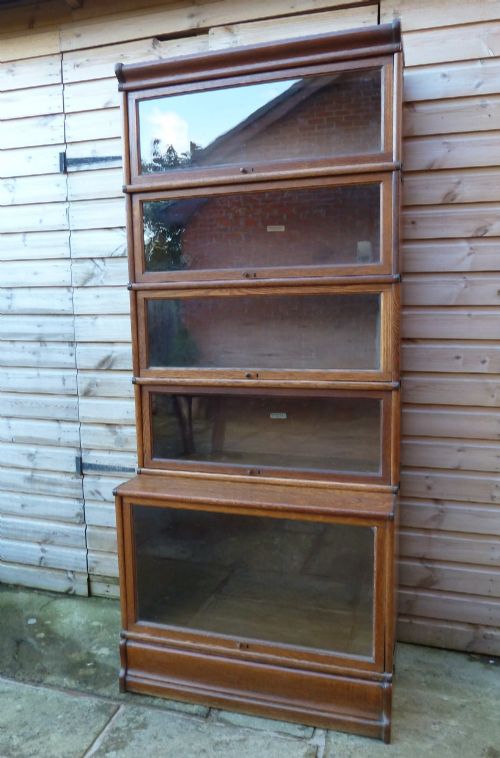
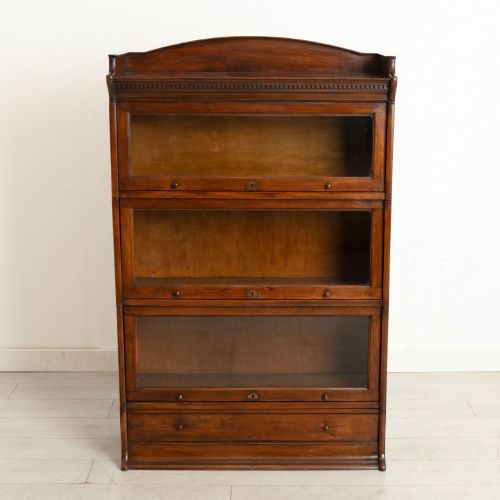
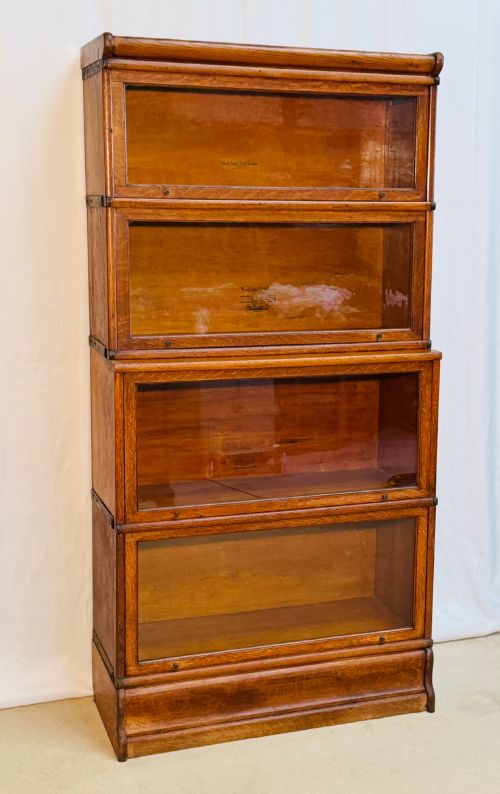
Edwardian globe pieces encompass terrestrial globes and the sectional stacking bookcases bearing that famous maker name, prized for practical organisation and historical charm.
Edwardian Globe
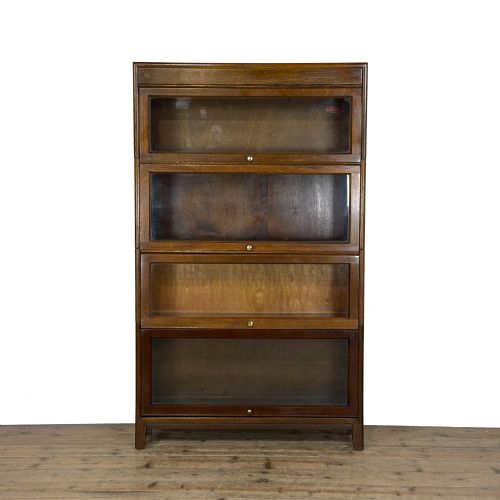
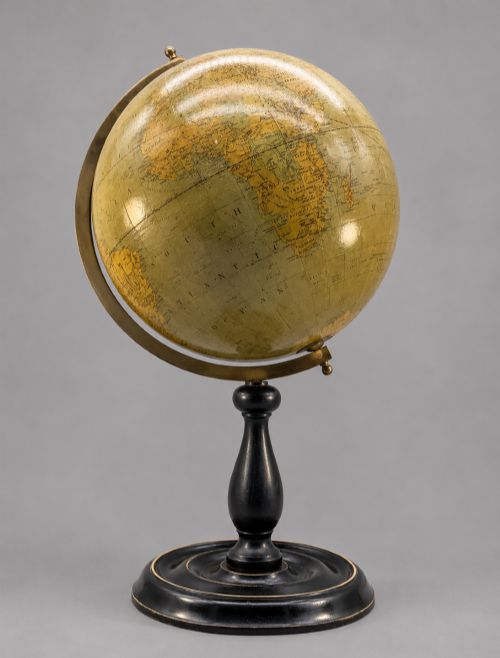
When you search for an edwardian globe, you encounter terrestrial mapping mounted on stands alongside the iconic sectional stacking bookcases associated with the period. The geographical globes range from table top versions to larger terrestrial specimens printed on paper maps.
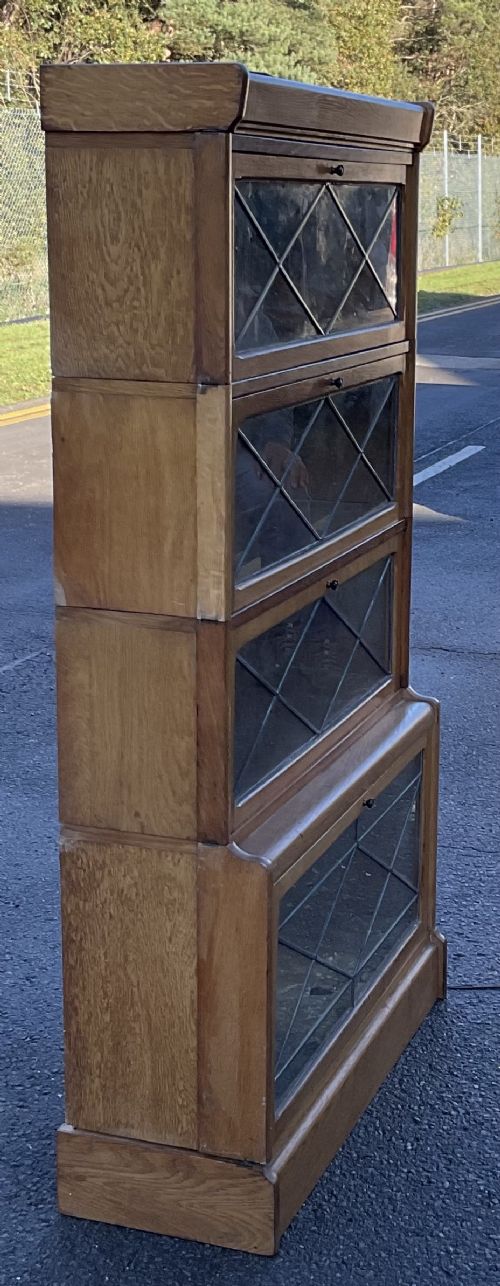
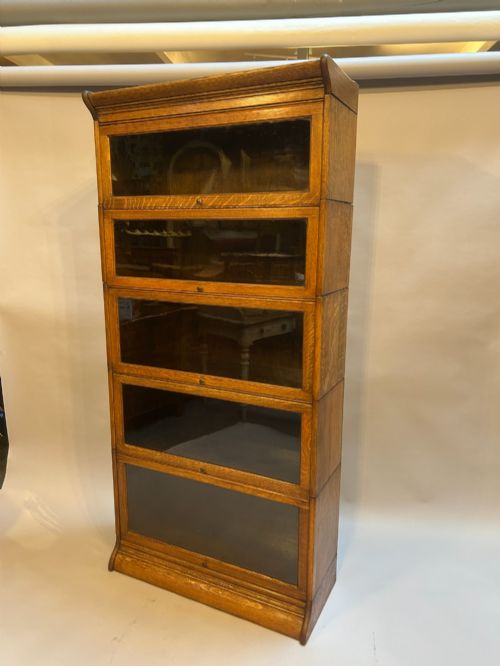
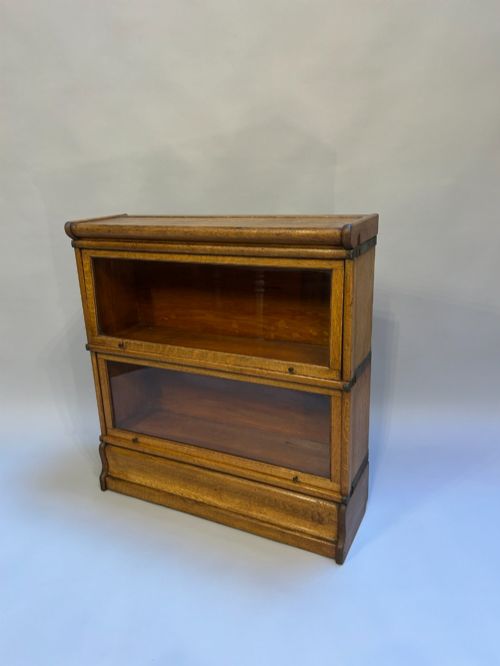
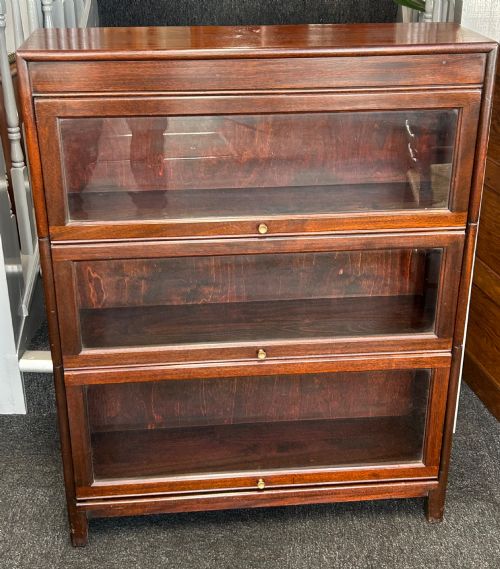
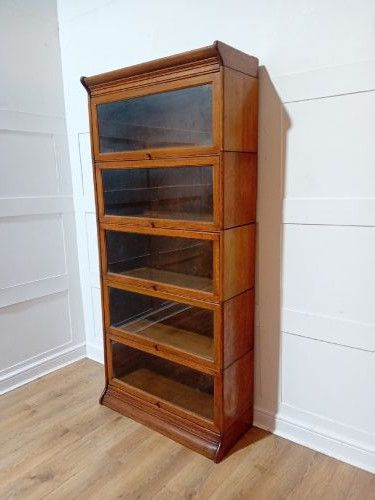
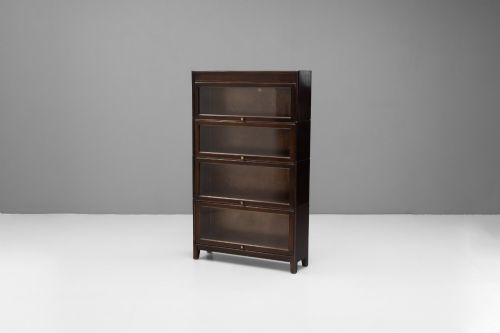
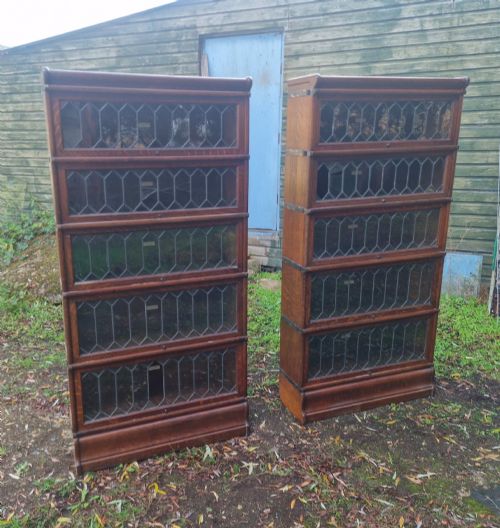
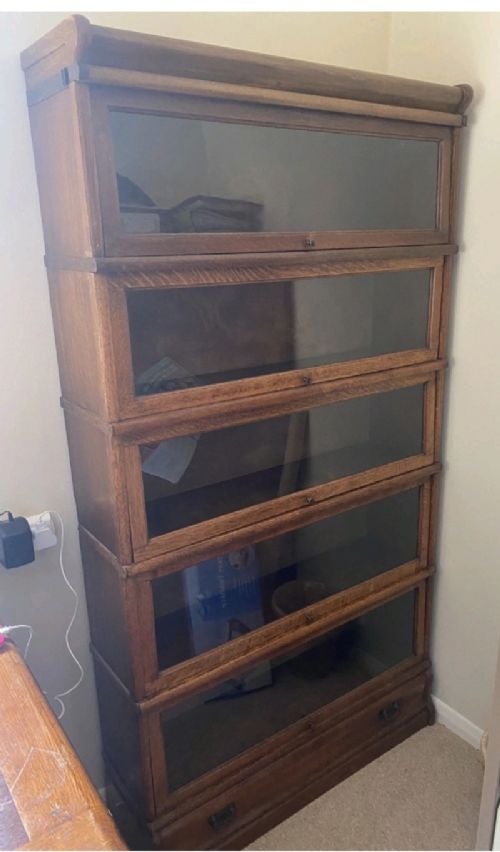
The bookcases that share this terminology, specifically the Globe Wernicke system, dominate the selection with modular tiers designed to protect volumes behind glazed glass doors. These oak and mahogany cabinets reflect the functional demands of early twentieth-century offices and libraries.
The material evidence spans pieces dated from the Edwardian era alongside adjacent 1900, 1910, and 1920 decades. Most examples concentrate on utilitarian forms intended for domestic or professional workspace organisation.
Materials and construction
Makers utilised solid oak and mahogany for the carcass construction of modular bookcases, incorporating brass hardware for connecting mechanisms and drawer pulls. Glass panels feature heavily in the sectional doors, sometimes rendered with leaded detailing.
Geographical globes combine printed paper gores applied to spherical plaster or composite cores, mounted on brass or metal meridians and wooden stands. Ebonised wood and base metals appear supplementary across specific hardware components.
Edwardian Globe Retail Price Guide 2026
Typical asking prices for edwardian globe among the pieces listed under this phrase on Sellingantiques today, from the lower quarter to the upper quarter. They describe what is for sale here now, not the wider market.
Even pocket watches make an appearance in the wider catalogue, proving that early makers named Globe had their fingers in many time zones.
What separates the finest examples
The distinction between ordinary and superior pieces rests upon the crispness of the cartographic printing on globes and the integrity of the stacking mechanism on modular furniture. Original maker stamps, such as authentic Globe Wernicke or Lebus marks, elevate an example above unmarked alternatives.
Timber selection dictates visual hierarchy, where well-figured quarter-sawn oak or rich mahogany displays superior grain depth compared to utility grades. Smooth operation of the lifting glass doors and matching multi-section configurations define the upper tier of quality.
Gunn Furniture·Lebus·Globe Wernicke·Minty
The Edwardian Globe Glossary
- Terrestrial globe
- A spherical model of the Earth displaying landmasses, oceans, and political boundaries. These objects served educational and decorative purposes in Edwardian interiors.
- Sectional bookcase
- A modular piece of furniture composed of stacked, individually enclosed shelf units with upward-lifting glass doors. This design allows the shelving to grow with a library collection.
- Gore
- A tapering wedge-shaped strip of paper printed with cartographic details. Multiple gores are precision-applied to cover the spherical surface of a globe.
- Quarter-sawn oak
- Timber cut radially to the growth rings, producing a distinctive silver-grain flake pattern. This cut provides enhanced stability for furniture construction.
Edwardian Globe: Frequently Asked Questions
What is an edwardian globe bookcase?
An edwardian globe bookcase refers to modular sectional shelving systems produced by makers such as Globe Wernicke during the early twentieth century.
These cabinets feature independently lifting glass-fronted tiers designed to protect books while allowing the furniture to be stacked or expanded vertically.
How do I identify a Globe Wernicke bookcase?
Authentic units typically bear maker stamps on the interior timber or metal brackets, alongside standardised modular dimensions.
The distinct stacking mechanism relies on individual pigeon-tail or interlocking side strips rather than a single tall vertical frame.
Are map globes from this period accurate?
Geographical globes reflect the geopolitical boundaries, colonial territories, and place names current during the Edwardian era.
Cartographers updated geographical details to match contemporary discoveries and imperial holdings of the early twentieth century.
How should I care for wooden stacking cases?
Maintain the timber by applying traditional beeswax periodically to nourish the grain and protect the original polished finish.
Avoid placing modular cabinets in direct sunlight or near heat sources to prevent the wood and leaded glass framing from warping.