

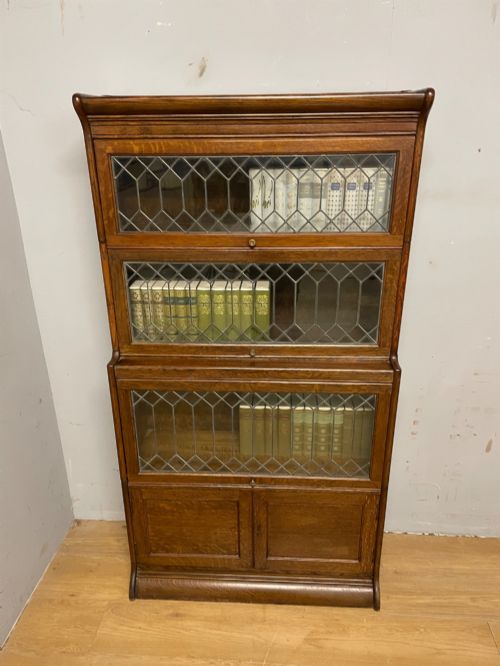
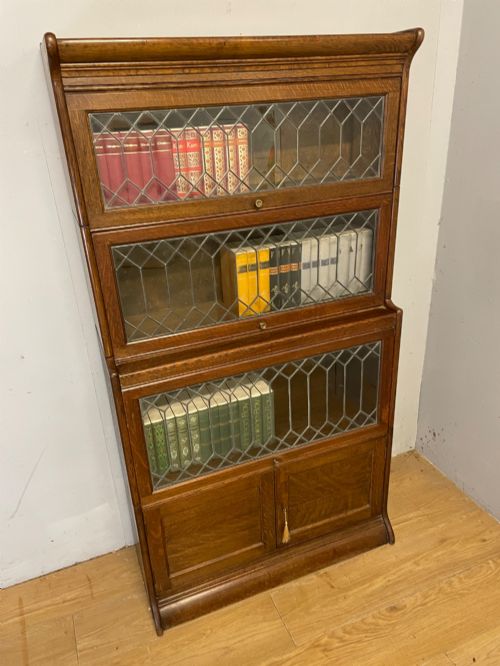
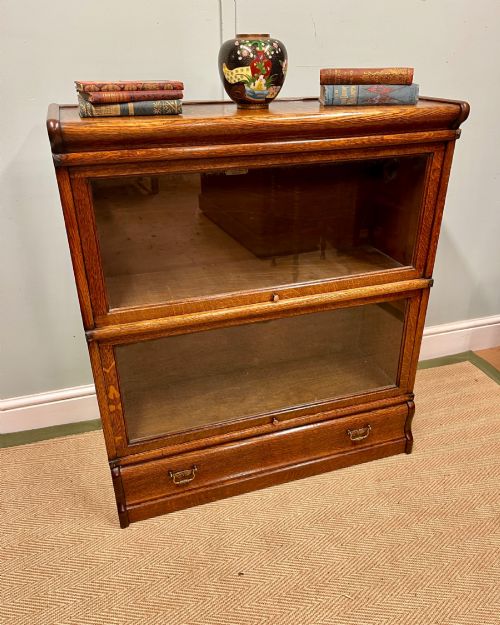
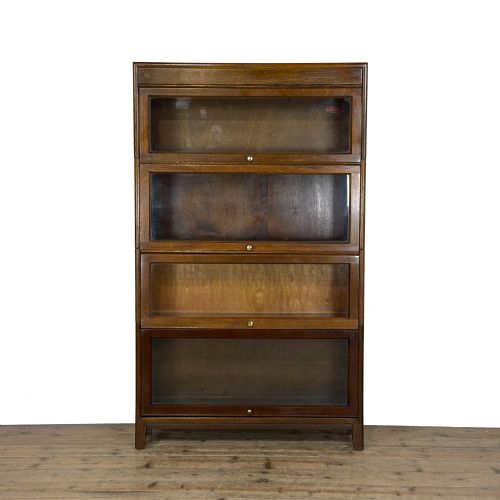
Edwardian Globe Wernicke Cabinet
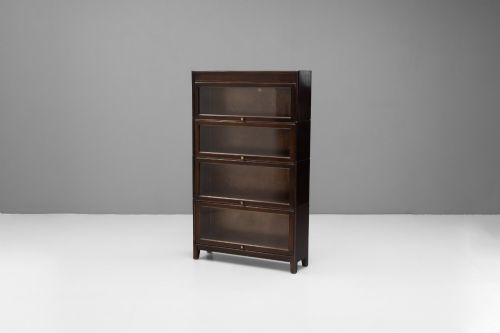
An Edwardian globe wernicke cabinet offers modular storage with glazed stacking tiers, combining practical office utility with period charm.
Edwardian Globe Wernicke Cabinet
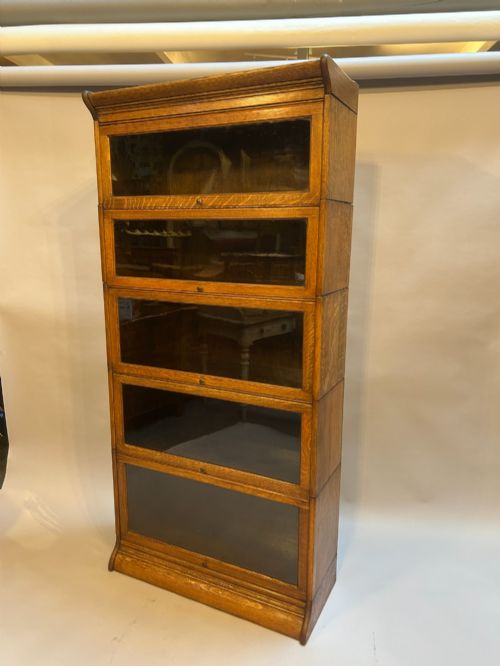
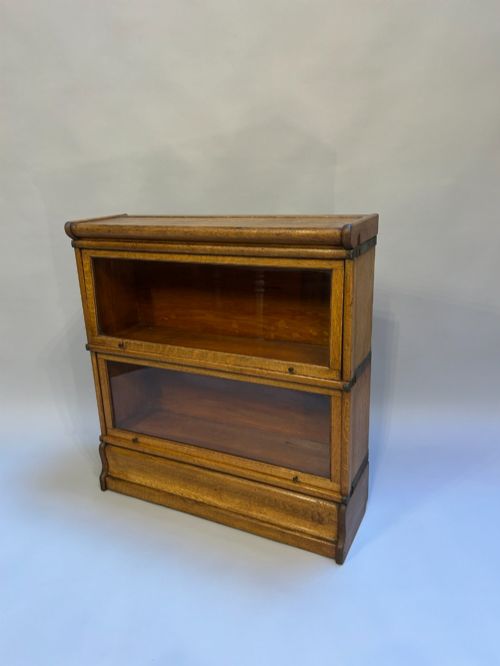
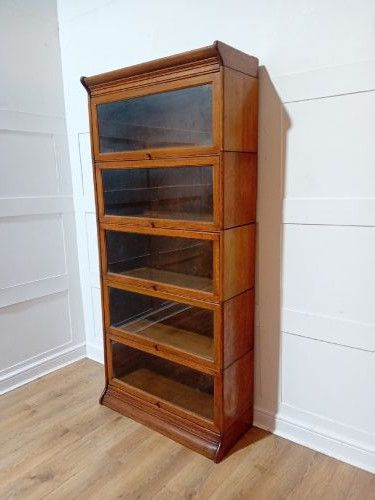
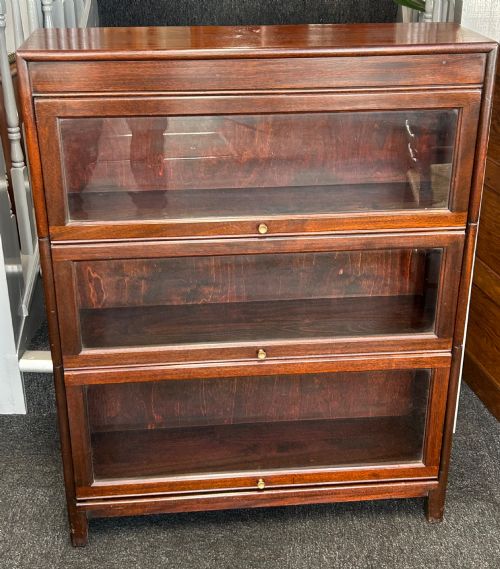
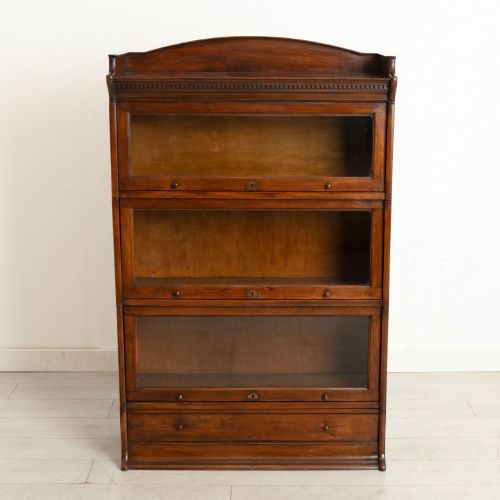
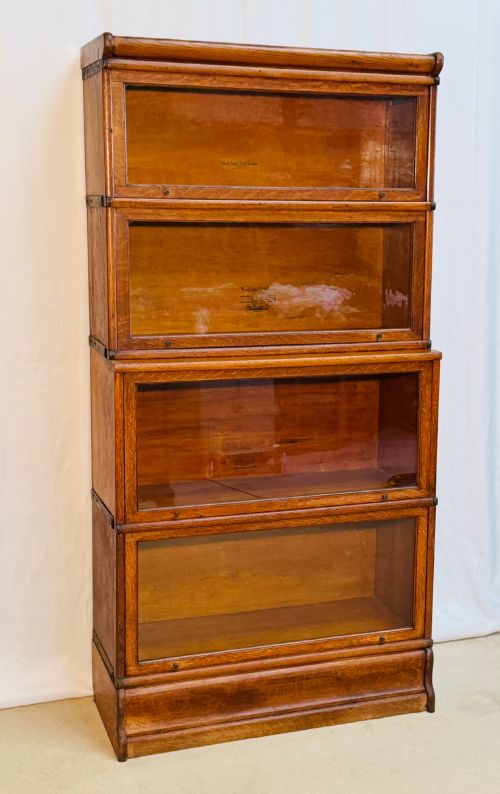
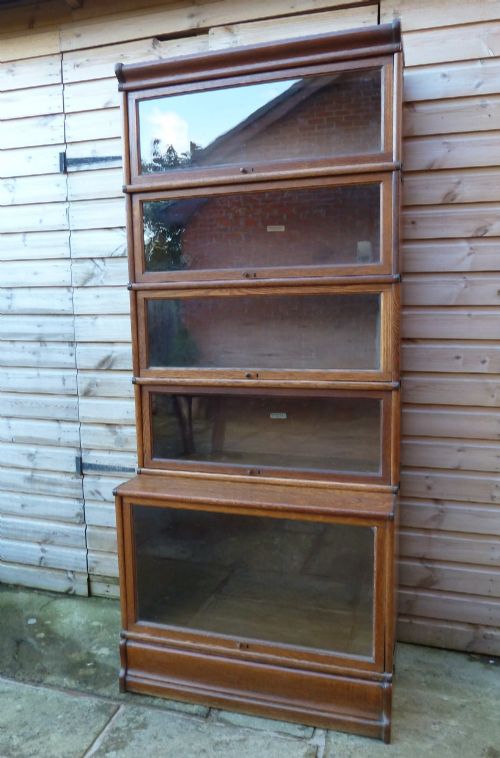
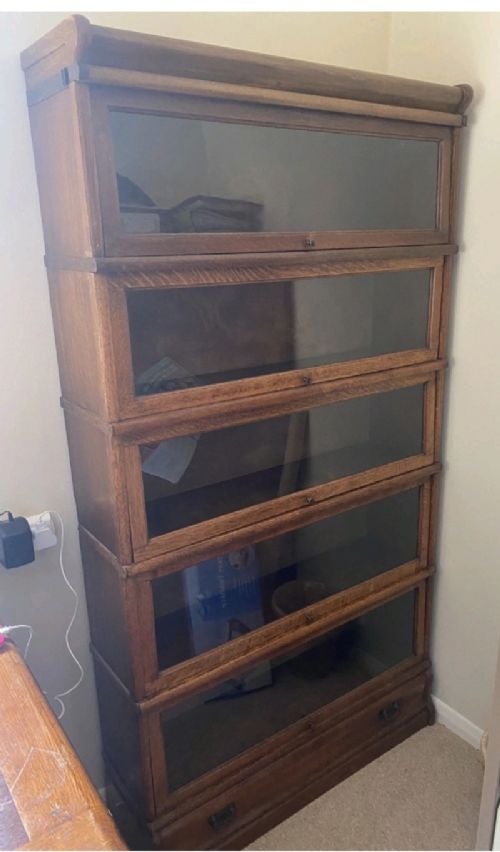
When you search for an edwardian globe wernicke cabinet, you encounter sectional bookcases designed to protect volumes behind individual glass doors. These pieces date primarily from the Edwardian period through to the nineteen thirties, encompassing stacking office furniture and domestic barrister bookcases.
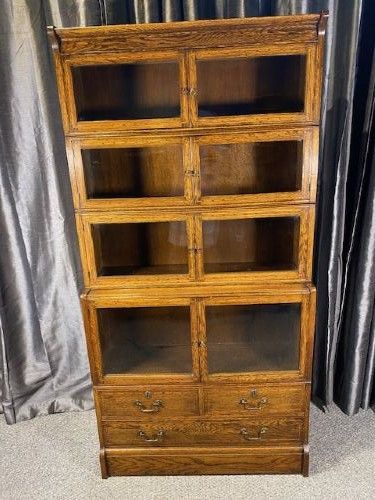
The format relies on modular tiers that stack together, frequently topped with a cornice and grounded on a plinth or a base fitted with a drawer. Oak and mahogany form the predominant woods across these listings, occasionally detailed with leaded glass or inlay work.
How they were made
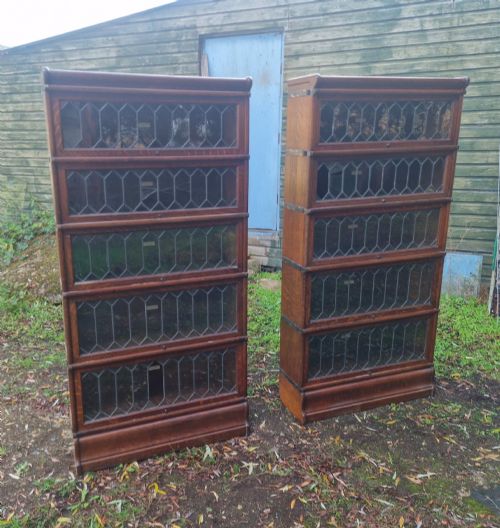
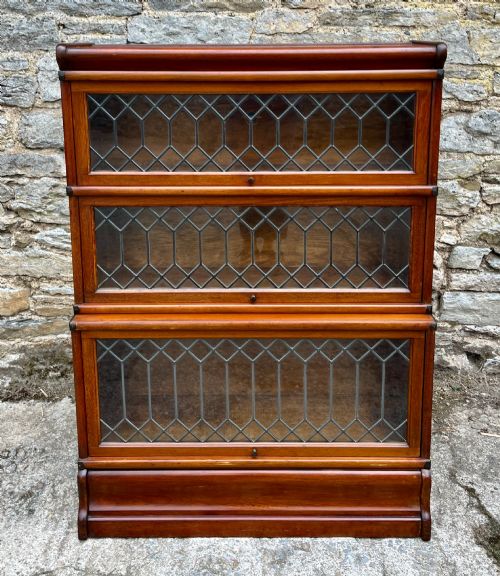
The construction utilises solid oak or mahogany formed into distinct modular sections, each integrated with a lifting glass door mechanism. Brass hardware connects and secures the tiers, while leaded glass appears on specific glazed panels for decorative effect.
Makers such as Globe Wernicke, Lebus, Minty and Gunn engineered these elastic bookcases so individual tiers could separate for transport. The finish relies on traditional polishing techniques that highlight the grain of the golden oak or rich mahogany.
Edwardian Globe Wernicke Cabinet Retail Price Guide 2026
Typical asking prices for edwardian globe wernicke cabinet among the pieces listed under this phrase on Sellingantiques today, from the lower quarter to the upper quarter. They describe what is for sale here now, not the wider market.
Modular configurations range from single base drawer combinations up to tall six section stacking barrister bookcases.
What varies in quality
Quality rests upon the selection of timber, whether solid mahogany or figured oak, and the complexity of the stacking configuration. Height matters, with five or six tier variations and matched pairs demanding particular attention from collectors.
Refinements such as leaded glass panes, inlaid woodwork, and functioning base drawers elevate specific examples above standard utility office furniture. The integrity of the original mechanical door lifts also separates utilitarian pieces from finer specimens.
Globe Wernicke·Lebus·Minty·Gunn·AMYL
The Edwardian Globe Wernicke Cabinet Glossary
- Globe Wernicke
- The pioneering manufacturer of sectional stacking bookcases, though the name is commonly applied to similar modular office furniture of the period. Their patented elastic system allowed users to add tiers as libraries grew.
- Barrister bookcase
- A portable sectional cabinet designed for legal professionals to transport books safely without unpacking the shelves. Each tier encloses the volumes behind a glass door that lifts and slides inside the top of the compartment.
- Sectional bookcase
- Modular office or library furniture built from independent stacking tiers that lock together vertically. This design provides flexibility in arrangement and makes heavy bookcases easier to move.
- Leaded glass
- Small panes of glass held together by lead cames to form geometric or decorative patterns within cabinet doors. This technique adds an Arts and Crafts aesthetic to the cabinet facade.
- Cornice
- The moulded horizontal projection that crowns the top of the stacking bookcase. It provides a finished architectural look above the uppermost shelf tier.
Edwardian Globe Wernicke Cabinet: Frequently Asked Questions
How do sectional bookcase tiers separate?
Each tier rests upon the one below it, secured by side clips or simple gravity within the interlocking wooden frame. Lifting the top section allows individual shelves to be pulled apart during transport.
This modular design meant offices and homes could expand their shelving vertically by simply adding another glass fronted tier.
What is the difference between oak and mahogany versions?
Oak examples usually display prominent grain patterns, sometimes finished in a golden tone typical of early twentieth century office furniture. Mahogany variants offer a smoother, darker reddish brown surface often associated with more formal domestic interiors.
Both timbers provide the structural rigidity required for stacking multiple heavy tiers loaded with books.
How do I date an edwardian globe wernicke cabinet?
Dating relies on maker stamps, patent marks, and structural traits recorded from the Edwardian era through the nineteen twenties and thirties. Oak and leaded glass configurations frequently align with Arts and Crafts influences popular around nineteen ten.
Simpler utilitarian office variants often emerge from the subsequent decade as production expanded to meet corporate demand.
Can I use these cabinets for modern books?
Standard tiers accommodate most novels and reference books, though internal shelf heights vary between four and six section models. Measuring the depth and vertical clearance of individual tiers ensures larger volumes fit comfortably behind the glass doors.
The protective glass keeps dust away from valuable or fragile editions while keeping titles visible.