




Edwardian Glazed Showcase
An edwardian glazed showcase brings light and order to small treasures, turning everyday surfaces into private galleries.
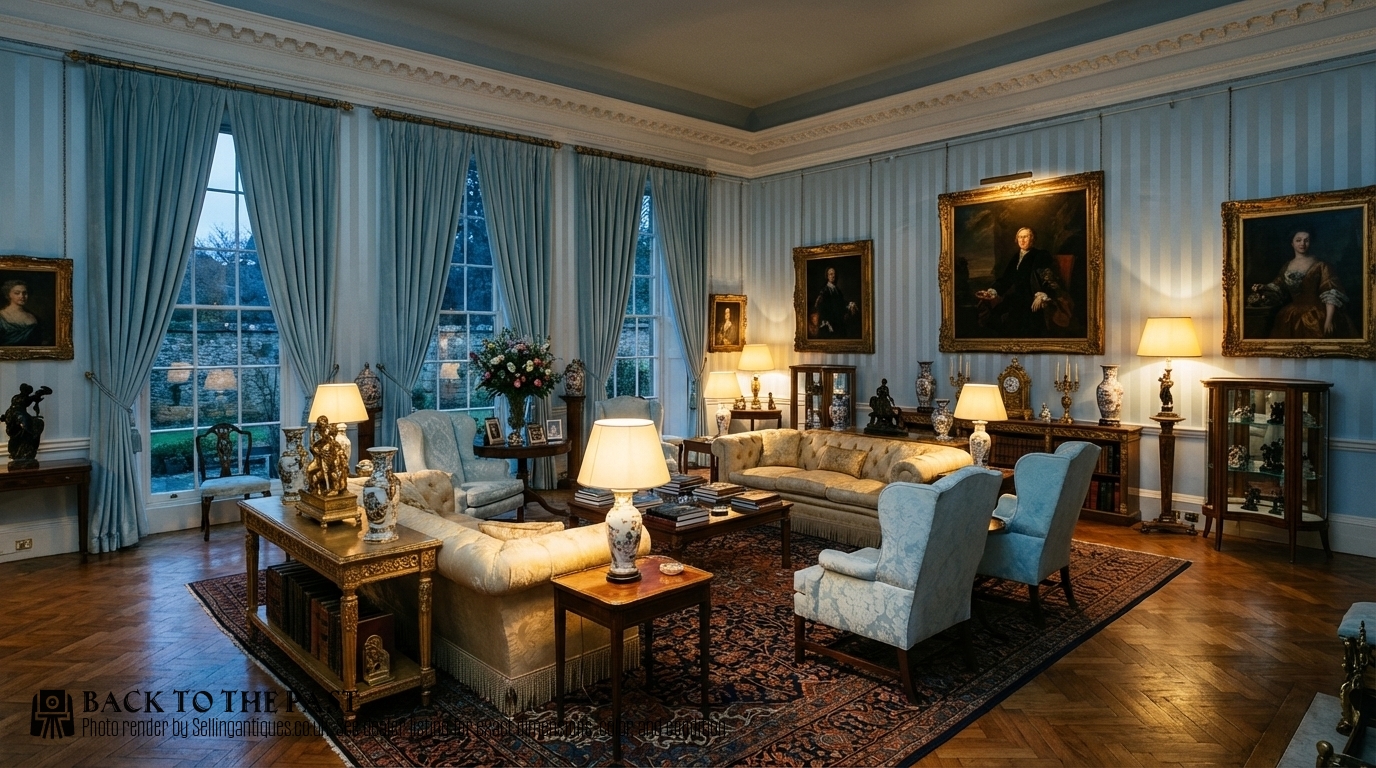
Edwardian Glazed Showcase
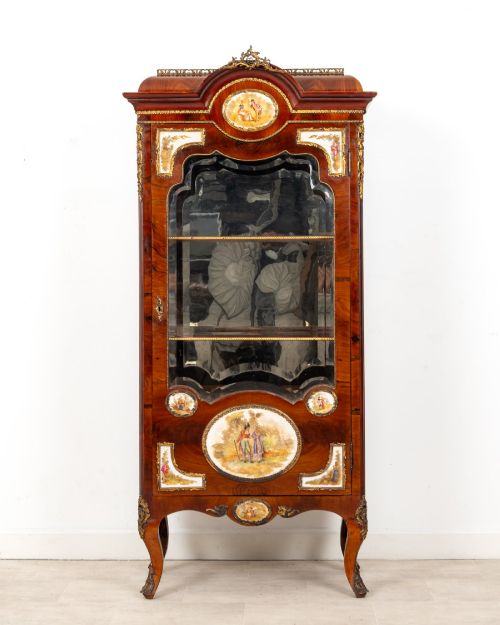
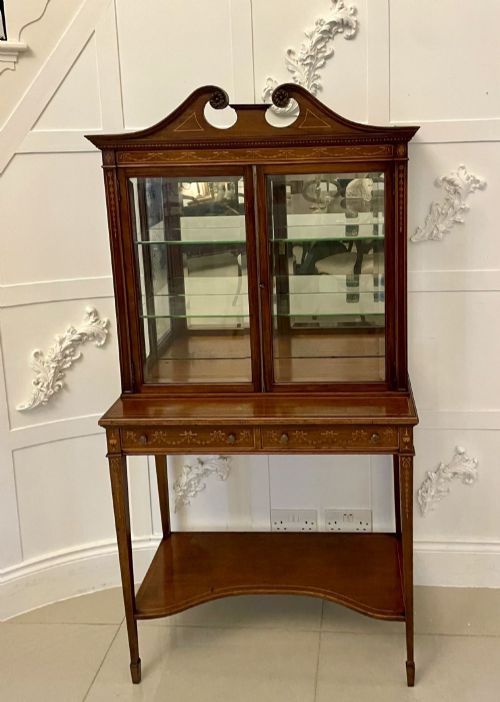
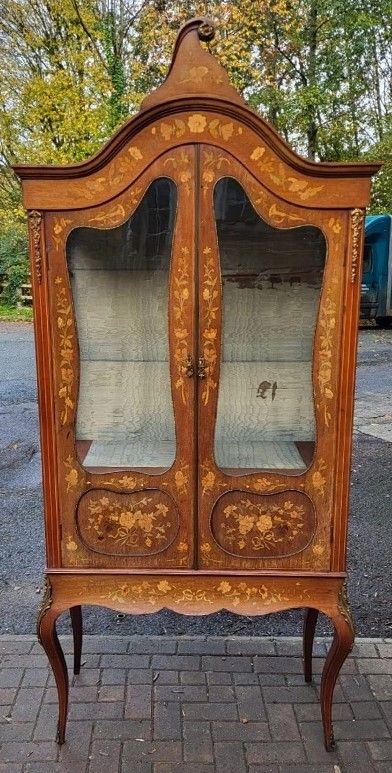
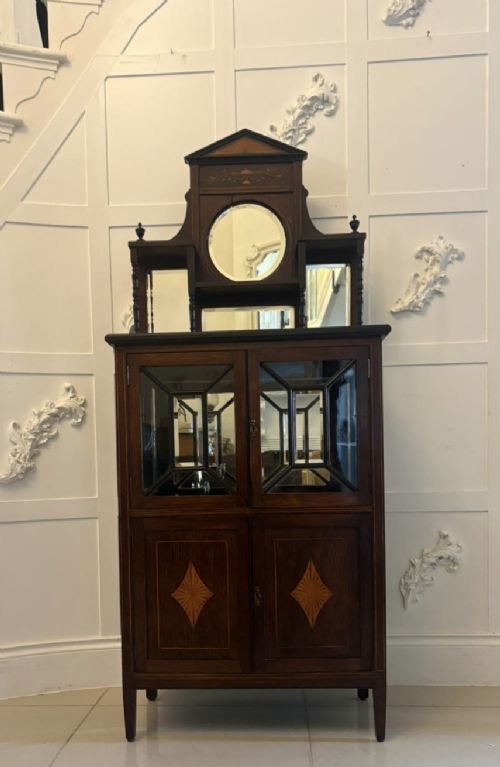
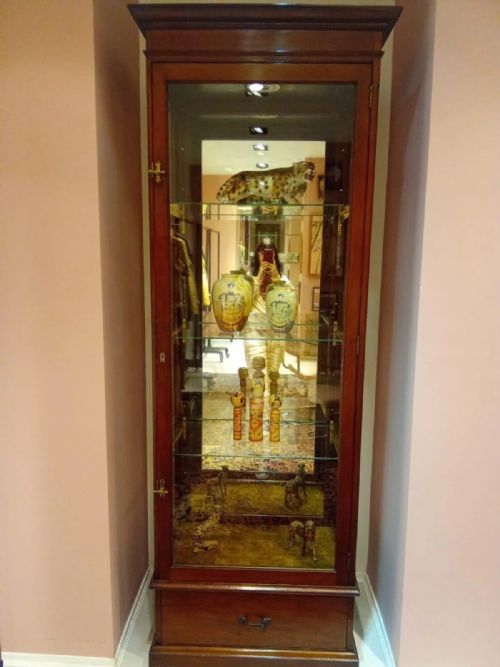
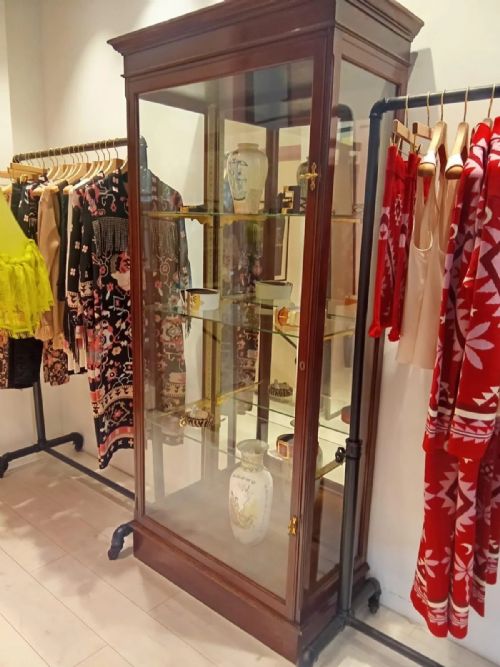
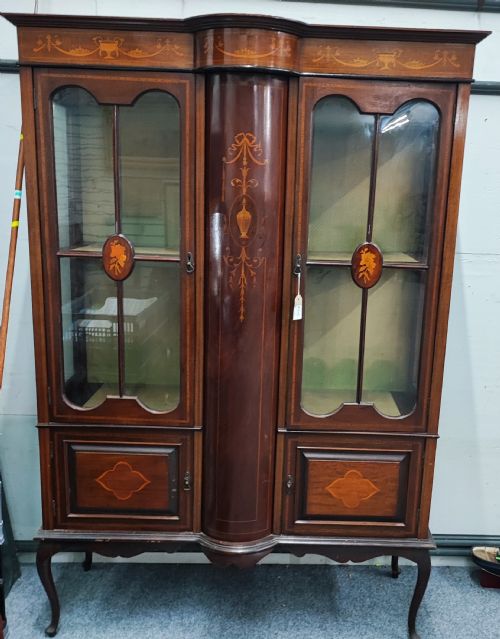
An edwardian glazed showcase satisfies a demand for domestic and commercial display, ranging from intimate countertop vitrines to tall freestanding cabinets designed to hold porcelain, silver and curiosities. You will frequently encounter mahogany and satinwood pieces bearing delicate floral marquetry or stringing, alongside sturdy oak shop fittings.
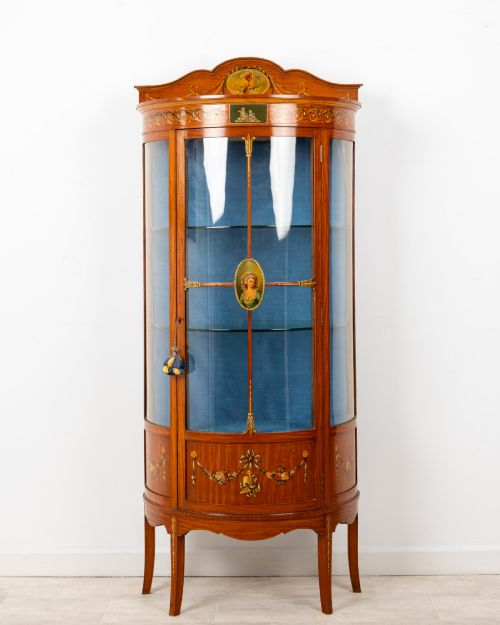
The forms span countertop display cases, table cabinets, bijouterie tables with glazed tops, and wall-mounted units. Many domestic examples employ satinwood crossbanding or bow fronts, while commercial variants serve apothecaries, confectioners and general merchants with adjustable shelving and sign-written advertisements.
Materials and Construction
Makers utilised solid and veneered timbers including mahogany, satinwood, walnut and oak, shaping curved frames and applying marquetry or brass mounts. Glass panels were secured within rebated wooden mouldings, often backed by mirrors or lined with fabric and velvet to reflect light through the interior.
Commercial and domestic cases required robust joinery to support heavy plate glass and adjustable glass shelves, while countertop units incorporated brass hinges, locks and drop handles. Table cabinets and bijouterie pieces relied on tight joints and secure glass lids to protect delicate contents from dust and handling.
Listings feature glass, mahogany, brass, satinwood, fabric, mirror, velvet and oak across diverse display forms.
Distinctions in Quality
The upper tier of these pieces reveals itself in the crispness of the inlay, the selection of figured timber veneers such as burr walnut or flame mahogany, and the elegance of proportions. Superior examples integrate bronze or brass hardware and original bevelled glass without distortion.
Simpler commercial or vernacular items prioritise functional durability over ornament, displaying plainer timbers and simpler brasswork. The refinement of the glazing bars and the integration of mirror backs or fabric linings mark the difference between standard utility and fine cabinet-making.
James Hicks·Fry's
The Edwardian Glazed Showcase Glossary
- Bijouterie table
- A low display table with a glazed top and a shallow compartment beneath for jewellery, medals and small valuables. These pieces often stand on slender tapered legs.
- Marquetry
- Decorative woodwork in which thin slices of various coloured woods are fitted into a veneer panel to form pictures or geometric patterns. Edwardian iterations frequently employ floral motifs.
- Crossbanding
- A narrow strip of veneer applied across the grain of the main surface to form a contrasting border. This technique frames drawer fronts, table tops and cabinet doors.
- Apothecary cabinet
- A specialist storage and display unit originally utilised by chemists for medicines and small goods. They often feature multiple small drawers alongside glazed doors.
Edwardian Glazed Showcase: Frequently Asked Questions
What fits inside a countertop display cabinet?
Countertop cabinets suit smaller collectibles, pocket watches, silver spoons and ceramics. Their shallow depth keeps items visible at a glance.
Commercial variants house retail goods, while domestic versions organise personal collections safely behind glass.
How do I clean the interior mirrors?
Interior mirrors require gentle dusting with a soft, dry cloth. Avoid spraying liquids directly onto the glass to protect the surrounding wooden frame and mirror backing.
Use a minimal amount of glass cleaner applied to a cloth rather than the surface itself.
Are the shelves adjustable?
Many display cabinets feature adjustable wooden or glass shelves supported by brass clips or wooden racks. This allows the interior height to accommodate taller pieces of porcelain or silver.
Earlier or simpler models may have fixed shelving secured directly into the cabinet carcase.
How do I distinguish Edwardian from Victorian styles?
Edwardian showcases generally exhibit lighter timbers, satinwood crossbanding and a more restrained neoclassical or Sheraton Revival aesthetic. They favour brightness and delicate stringing.
Victorian cabinets tend to use heavier walnut or mahogany with darker finishes, deeper carving and more robust proportions.