




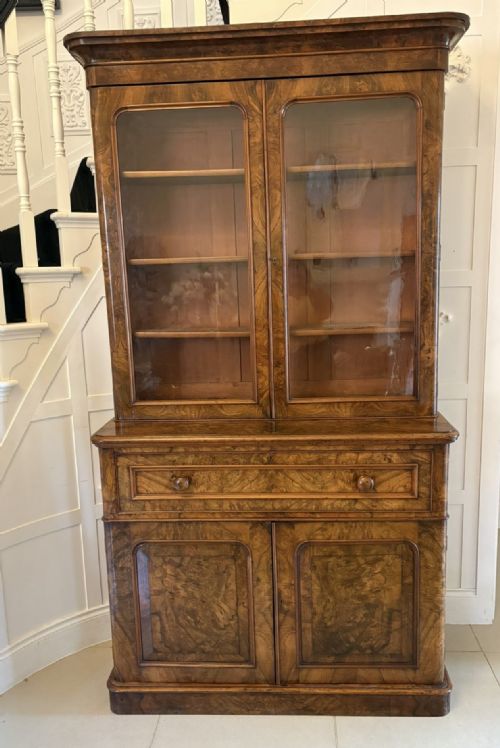

Edwardian Glazed Bureau Bookcase
An edwardian glazed bureau bookcase combines a writing desk and a display cabinet, offering practical storage and refined period charm for the home.
Edwardian Glazed Bureau Bookcase
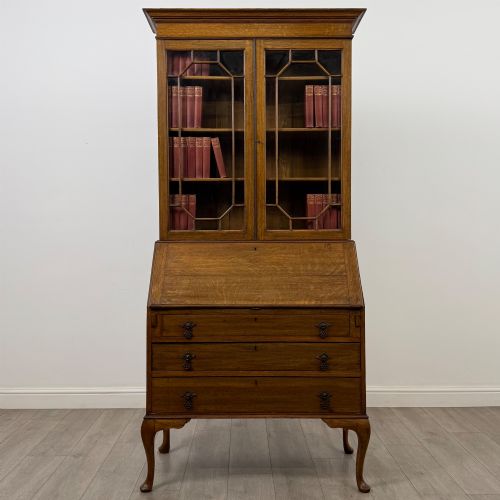
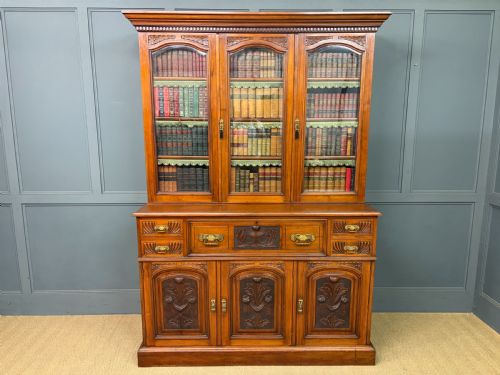
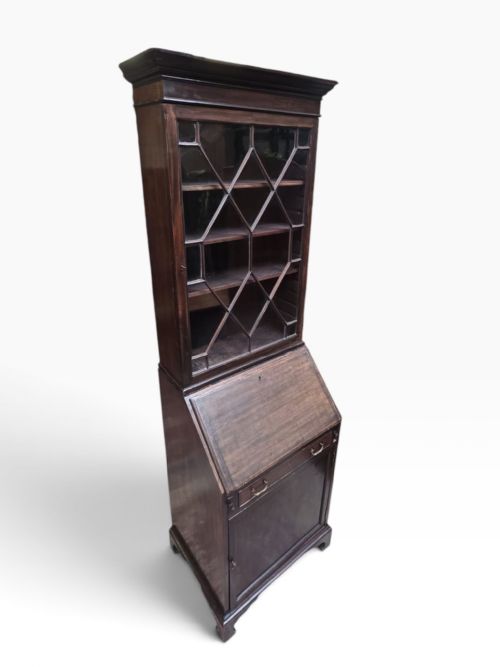
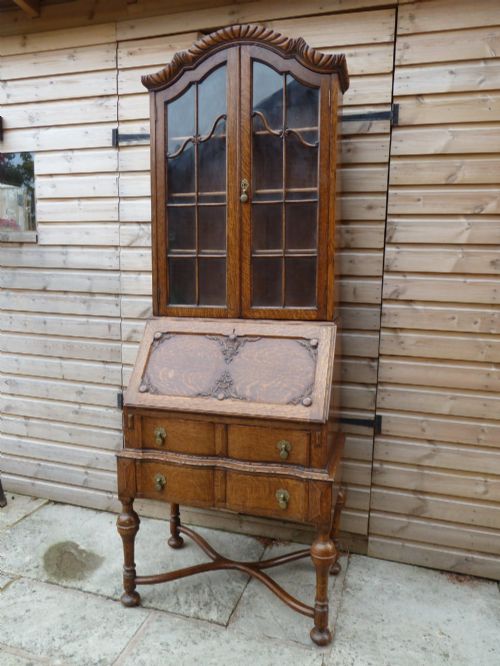
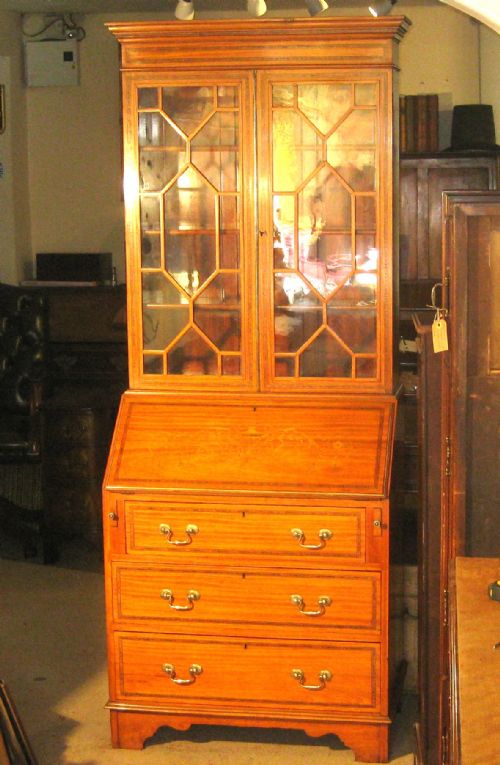
When searching for an edwardian glazed bureau bookcase, collectors encounter tall case furniture combining a sloping or fitted writing flap above drawers with upper glass-fronted shelving. These pieces typically feature mahogany or oak construction, often enhanced with satinwood inlay or astragal glazing bars.
While the core form stems from earlier Georgian and Victorian precedents, the Edwardian examples focus on lighter timbers and refined proportions. Many variations incorporate drop-front writing compartments alongside internal pigeonholes and small drawers.
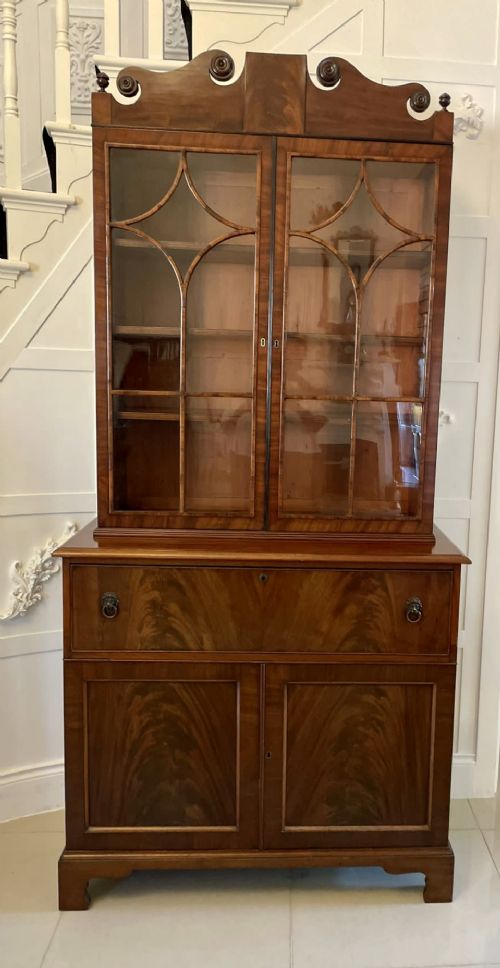
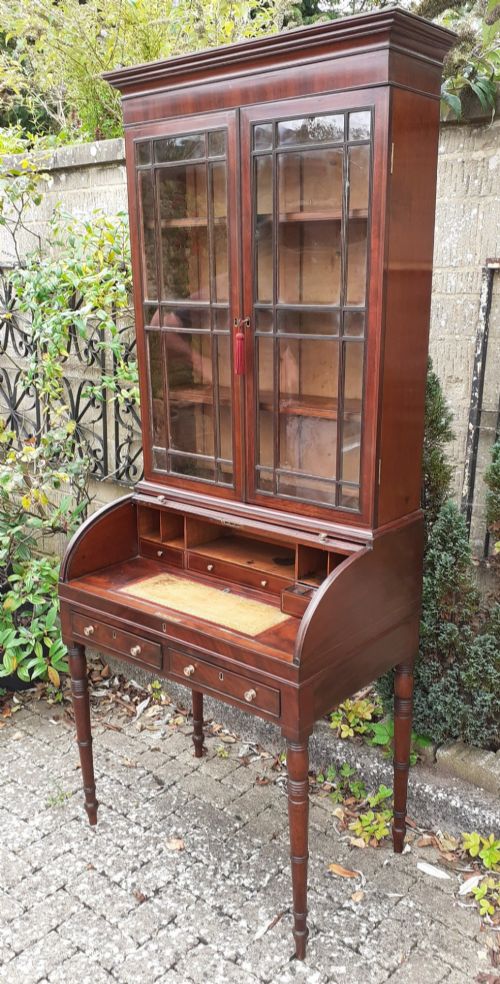
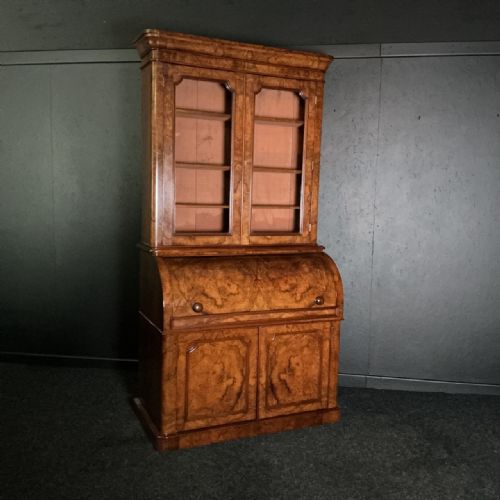
Beyond the standard Edwardian interpretations, related forms like secretaire bookcases and cylinder desks appear within the selection. These pieces serve similar functional needs while displaying diverse regional cabinet-making traditions.
Materials and construction methods
Cabinet-makers relied primarily on solid mahogany and oak carcasses, frequently applying figured veneers or contrasting satinwood inlay to the exterior surfaces. Brass hardware secures the drawers, writing drops, and internal fittings.
Glazing relies on individual glass panes held within wooden frames or delicate astragal bars, while specialised desks incorporate internal mechanisms for cylinder rolls and folding writing surfaces.
Some Edwardian bureau bookcases cleverly conceal secret miniature drawers behind pigeonhole arches for hiding love letters.
Distinguishing quality across pieces
Quality rests upon the selection of timber veneers and the precision of the inlay work, where finer pieces display balanced grain matching and intricate marquetry. Structural integrity in the sliding mechanisms and folding writing flaps also separates standard workshop output from exceptional examples.
The joinery of the glazed upper doors and the delicacy of the wooden astragal bars indicate the skill of the original maker. Original brass handles and fitted interior compartments further elevate the standing of a piece.
Tudor and Burrey Shrewsbury·Maple and Co·Gillows·Harris Lebus
The Edwardian Glazed Bureau Bookcase Glossary
- Astragal glazing
- Wooden bars dividing glass panes within a door. These intricate strips form geometric patterns across the upper bookcase section.
- Secretaire
- A writing drawer containing a drop front and internal pigeonholes. This fitting conceals the writing surface within a standard drawer line.
- Satinwood inlay
- Contrasting light wood inserted into darker timber surfaces. It creates decorative borders and floral motifs on cabinet doors and writing flaps.
- Bureau
- A desk featuring a sloping lid that opens to reveal small drawers and compartments. It forms the lower writing base of the combination cabinet.
- Cylinder desk
- A writing desk with a curved rolling wooden shutter. This mechanism conceals the writing surface and interior fittings when closed.
Edwardian Glazed Bureau Bookcase: Frequently Asked Questions
How do I use a bureau bookcase daily?
Drop the writing flap to create a functional surface for correspondence or laptop use while storing books behind the upper glass doors.
Keep the interior organised using the built-in pigeonholes and small drawers provided within the desk section.
How do I distinguish Edwardian pieces from Victorian ones?
Edwardian examples generally favour lighter timbers, satinwood inlay, and more restrained proportions compared to heavier Victorian walnut and mahogany.
Look at the overall aesthetic, as Edwardian cabinet-makers frequently drew upon Sheraton Revival styles for a brighter appearance.
Are writing heights comfortable for modern writing?
The drop-front writing surface sits at a traditional standing or chair height designed for historical seating.
Ensure you pair the desk with a suitably low chair to maintain a comfortable posture during extended writing tasks.
How should I care for the glass and timber?
Clean the glass panes using standard non-abrasive window solutions and dust the timber surfaces with a soft, dry cloth.
Avoid placing the bookcase in direct sunlight or near heat sources to protect the polished mahogany, oak, and satinwood veneers.