







Edwardian Glass Top Table
When you search for an edwardian glass top table, you find pieces designed to showcase small treasures beneath clear glass.
Edwardian Glass Top Table
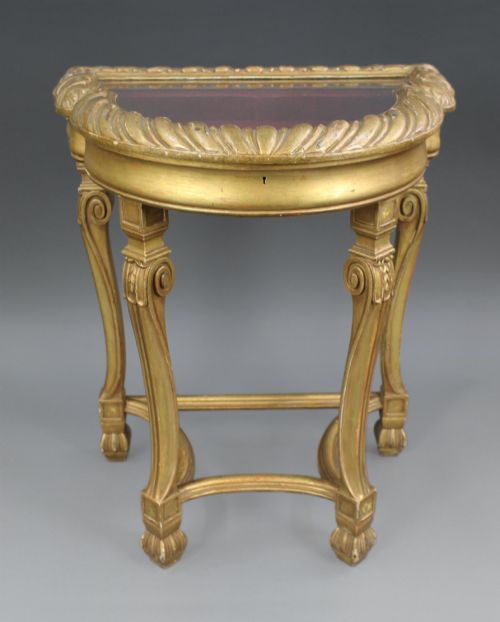
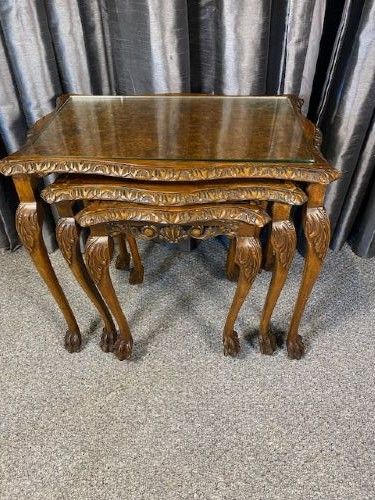
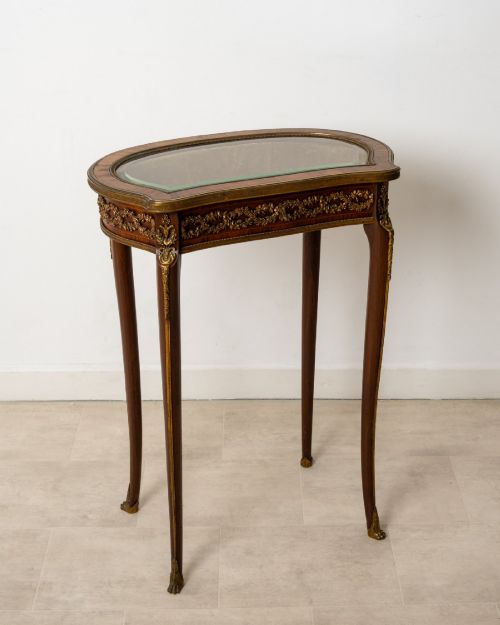
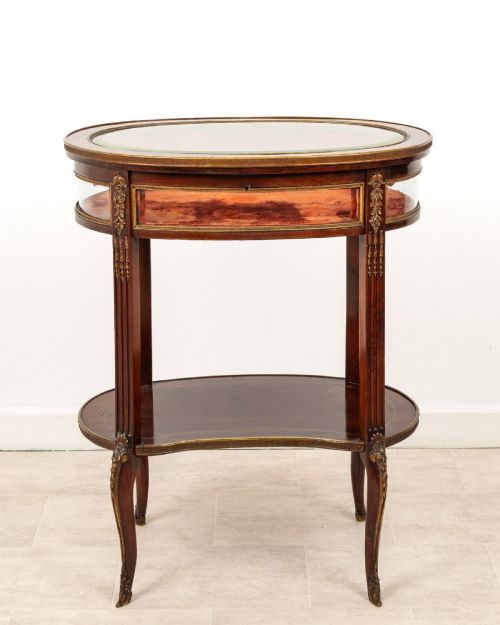
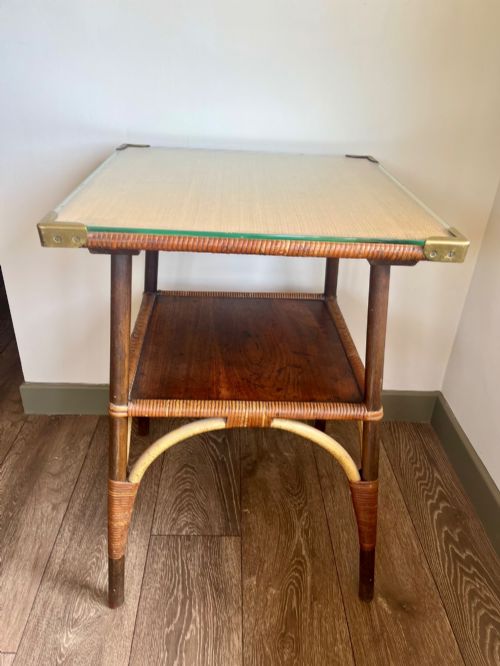
An edwardian glass top table typically takes the form of a bijouterie display table or glazed cabinet, engineered to protect and exhibit delicate items.
The materials most frequently encountered on this page combine timber structures with clear or bevelled glass panels.
Origins span the Edwardian era alongside adjacent periods including Victorian, Art Deco and George V, bringing various regional aesthetics to the form.
How They Were Made
Cabinet makers utilised solid timbers like mahogany and satinwood, frequently employing fine inlay work to articulate the surfaces.
Glazing techniques incorporated bevelled plate glass set into hinged or fixed frames, sometimes accented with brass, ormolu mounts or sterling silver details.
Edwardian Glass Top Table Retail Price Guide 2026
Typical asking prices for edwardian glass top table among the pieces listed under this phrase on Sellingantiques today, from the lower quarter to the upper quarter. They describe what is for sale here now, not the wider market.
Listings feature items incorporating glass, mahogany, sterling silver, brass and velvet across Edwardian, Art Deco and Victorian periods.
What Varies in Quality
Distinctions in standard arise from the precision of the timber joinery and the subtlety of any satinwood inlay or floral marquetry.
The weight and clarity of the glass top, alongside the integration of original brass hinges and mounts, separate standard examples from finer works.
Henry Clifford Davis·Barnsley and Co·Dryad Leicester
The Edwardian Glass Top Table Glossary
- Bijouterie table
- A small display table with a glazed top and compartment designed for holding jewellery and trinkets. These pieces allow collectors to view small objects safely.
- Satinwood
- A lustrous, yellow-brown hardwood utilised for decorative stringing and intricate inlay work on cabinet furniture. It provides a bright contrast to darker timbers.
- Ormolu
- Gilded bronze mounts applied to furniture for decorative enrichment. The technique adds metallic lustre to timber frames.
- Bevelled plate
- Glass with an angled edge polished around the perimeter. This treatment catches the light and adds depth to the viewing surface.
- Guilloche
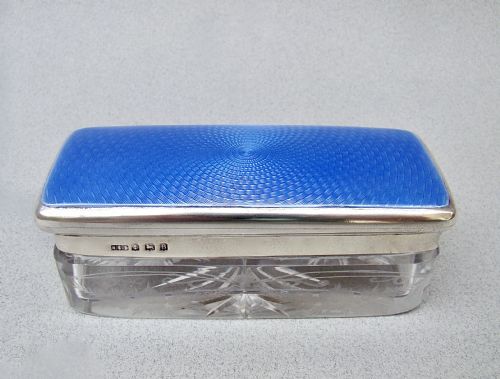
- A mechanical engraving technique producing precise, intricate recurring geometric patterns. It often appears beneath translucent enamel on decorative accessories.
Edwardian Glass Top Table: Frequently Asked Questions
What is an edwardian glass top table used for?
These tables served primarily as display furniture in drawing rooms and boudoirs for exhibiting collections of small valuables, fans or letters.
The glass top protected delicate possessions from dust while allowing guests to inspect items without handling them.
How do I clean the glass top safely?
Maintenance requires mild glass cleaner applied to a soft cloth rather than directly onto the frame, preventing moisture from reaching the timber.
Care must be taken around inlaid surfaces and metal mounts to avoid chemical residue accumulation.
Are these tables suitable for everyday use?
While structurally sound, antique display tables function best when placed away from heavy traffic and direct sunlight to protect aged wood and linings.
Lighter items remain appropriate for storage inside the glazed compartments.
How do I distinguish Edwardian from Victorian tables?
Edwardian examples tend to display lighter mahogany frames with restrained satinwood inlay and airier proportions compared to earlier designs.
Victorian pieces often utilise heavier timbers and more exuberant ornamentation.