





Edwardian Glass Cups
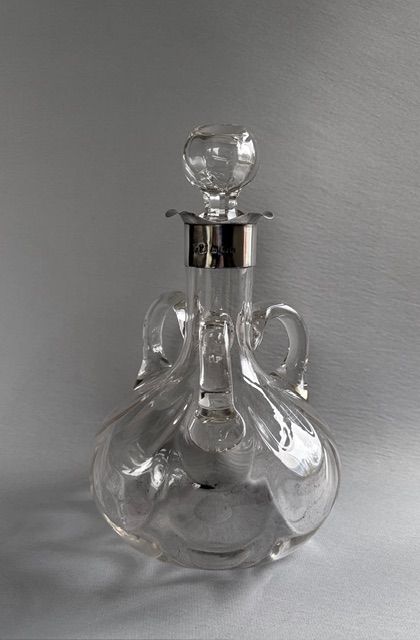
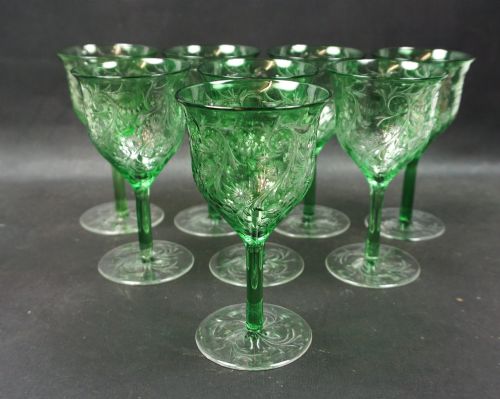
These Edwardian glass cups span intaglio engraved wine glasses, travelling spirit flasks and heavy crystal measures crafted for the discerning Edwardian drinker.
Edwardian Glass Cups
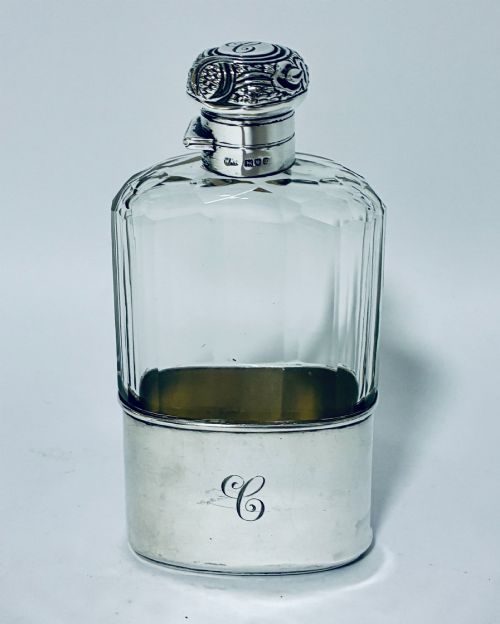
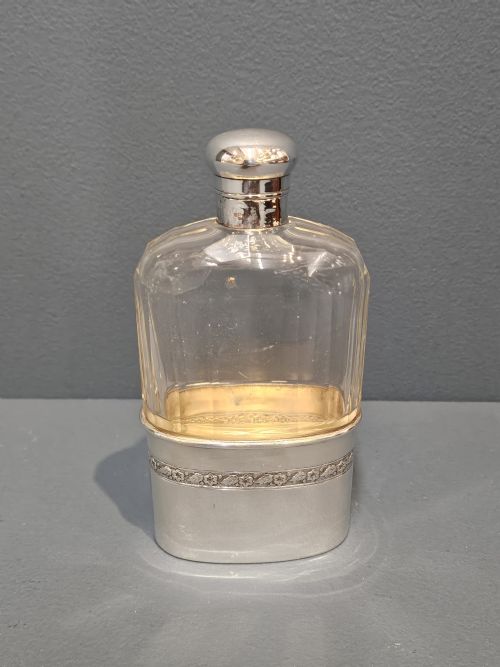
When you search for edwardian glass cups, you uncover a varied selection of drinking vessels and portable barware dating from the late nineteenth century into the early decades of the twentieth century. The forms range from sets of Bristol green wine glasses and cordial sets to silver-mounted cut glass hip flasks with collapsible cups.
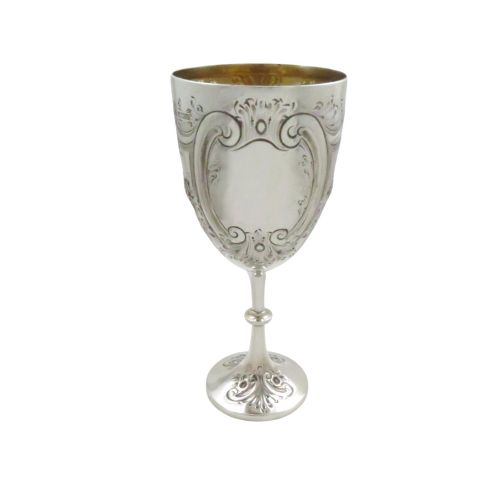
The objects frequently bridge domestic dining and outdoor pursuits, encompassing commemorative goblets, medical kits, and novelty silver tot cups alongside traditional glassware. English and continental workshops dominate the selection, often pairing heavy lead crystal or cut glass with sterling silver and leather.
How they were made
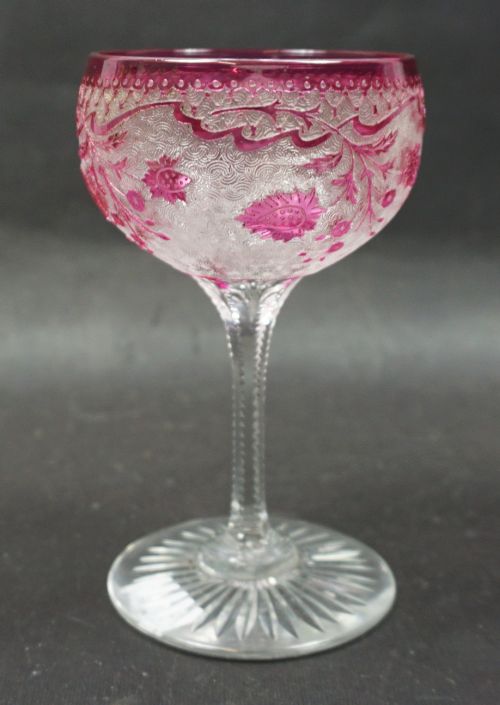
The pieces rely on the combination of blown or moulded glass with precious metals and leatherwork, utilising techniques like intaglio engraving and cameo work to pattern the vessels. Sterling silver and silver plate form protective mounts, collars, and drinking cups for portable flasks.
Cut glass and lead crystal provide the body for many drinking vessels, while crocodile leather casings add durability and texture to travel items. Hallmarks and maker stamps frequently ground the metal components to specific English assay offices and active years.
Edwardian Glass Cups Retail Price Guide 2026
Typical asking prices for edwardian glass cups among the pieces listed under this phrase on Sellingantiques today, from the lower quarter to the upper quarter. They describe what is for sale here now, not the wider market.
Some travel flasks ingeniously conceal a collapsible silver cup right inside the base, ready for an impromptu field dram.
What varies in quality
Quality rests upon the crispness of the glass cutting, the depth of the intaglio engraving, and the weight of the crystal. Sets that remain complete show uniform clarity and matching hallmarks across every component.
The calibre of the metalwork distinguishes standard pieces from exceptional examples, noting particularly the thickness of the sterling silver mounts, the integrity of leather casings, and the precision fit of collapsible cups.
Stevens and Williams·Baccarat·Asprey London·W A Ellwick Ltd·George Ernest Hawkins
The Edwardian Glass Cups Glossary
- Intaglio
- A technique of sinking the design below the surface of the glass by cutting or engraving. It creates a subtle, tactile relief pattern.
- Tyg cup
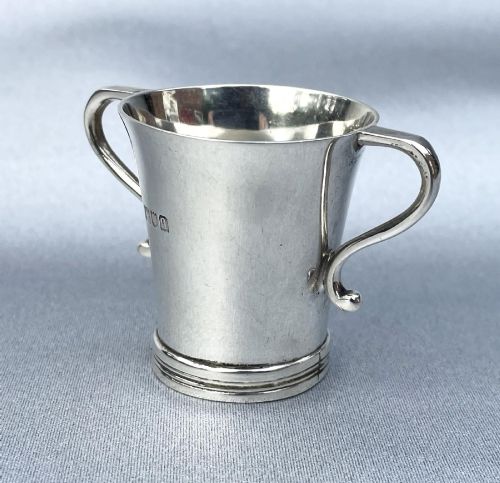
- A large drinking vessel featuring multiple handles designed for communal passing. Edwardian examples often combine cut glass bodies with solid silver rims.
- Tot cup
- A small, portable drinking measure intended for spirits. These often feature novelty silver construction or fitted travelling cases.
- Lead crystal
- Heavy, high-clarity glass containing metal oxide that increases brilliance and refractive index. It forms the foundation for many cut glass flasks and goblets.
- Cameo glass
- A vessel formed of two or more distinct layers of coloured glass fused together, where outer layers are carved away to reveal a contrasting design.
Edwardian Glass Cups: Frequently Asked Questions
What defines an Edwardian glass cup?
These items encompass wine glasses, cordial sets, and glass-bodied flasks produced around the Edwardian period. They frequently incorporate cut glass, lead crystal, or intaglio engraving.
Many examples feature sterling silver mounts or leather casings suited for travel or formal dining. The designs reflect the social habits and manufacturing standards of the early twentieth century.
How do I care for antique glass?
Wash these pieces gently by hand in warm water using mild soap, avoiding harsh scrubbing or dishwashers. Sudden temperature changes can crack historical glass.
Keep silver mounts polished with a soft cloth while protecting adjacent glass surfaces. Store delicate crystal and stemware securely away from edge vibrations.
Were these cups meant for travel?
Many examples, particularly those featuring leather casings and silver cups, were designed specifically for hunting, shooting, or travelling. They allowed the owner to carry spirits securely while on the move.
Domestic sets such as cordial glasses and wine goblets remained on the dining table or sideboard. Both categories showcase the period's preference for portable luxury.
How do I identify the period?
Silver components often bear hallmarks indicating the assay office and date letter, providing a precise year of manufacture. Stylistic cues such as Belle Epoque motifs or George V commemoratives also help date the items.
Glass manufacturing techniques and weight further separate Edwardian production from later reproductions or earlier Victorian wares.