


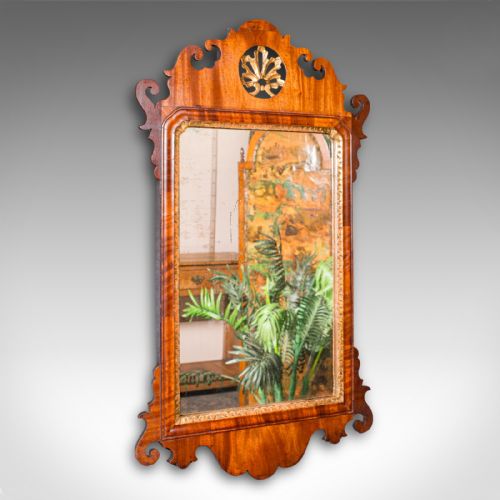


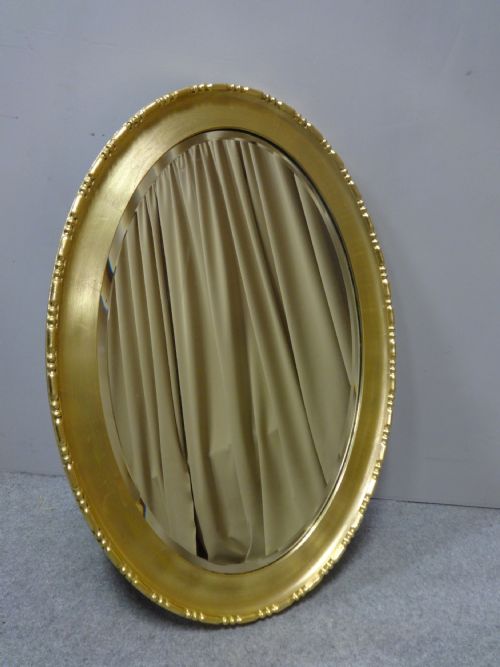
Edwardian Gilt Dressing Mirror
An edwardian gilt dressing mirror brings warmth and reflective light to a room, combining period form with gilded surfaces.
Edwardian Gilt Dressing Mirror
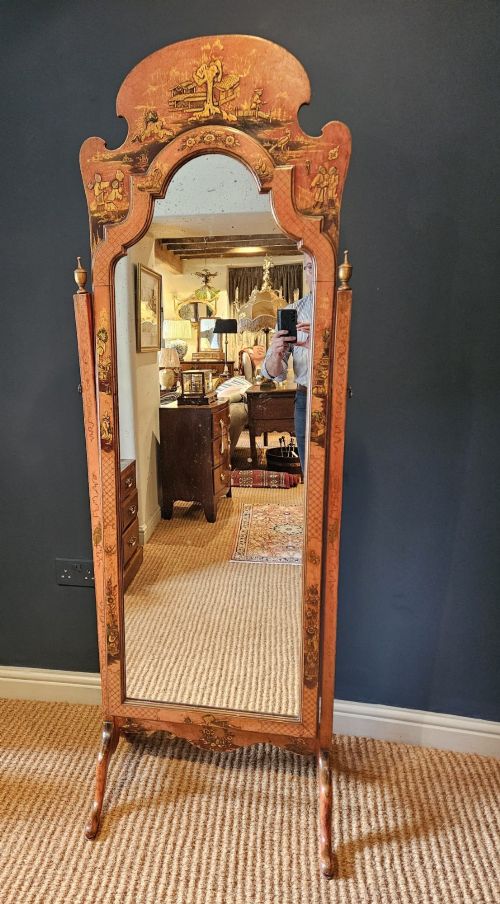
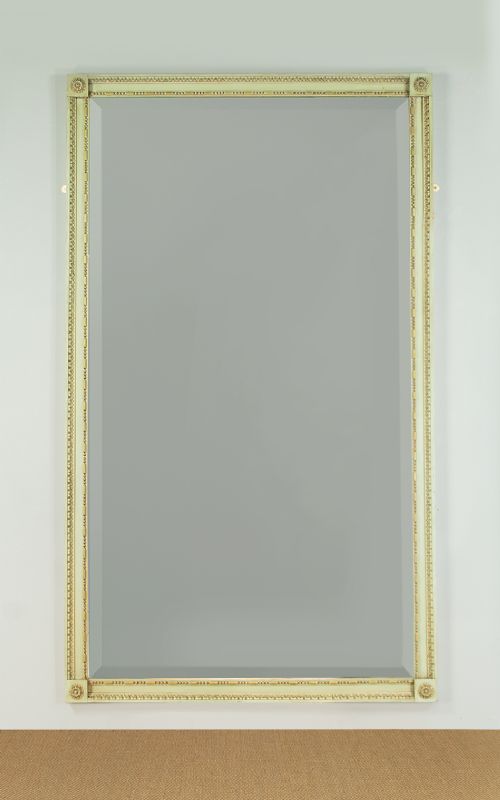
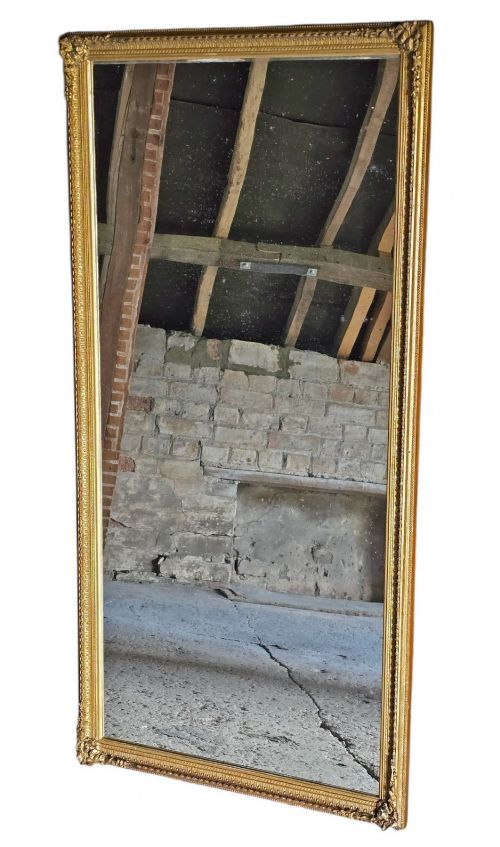
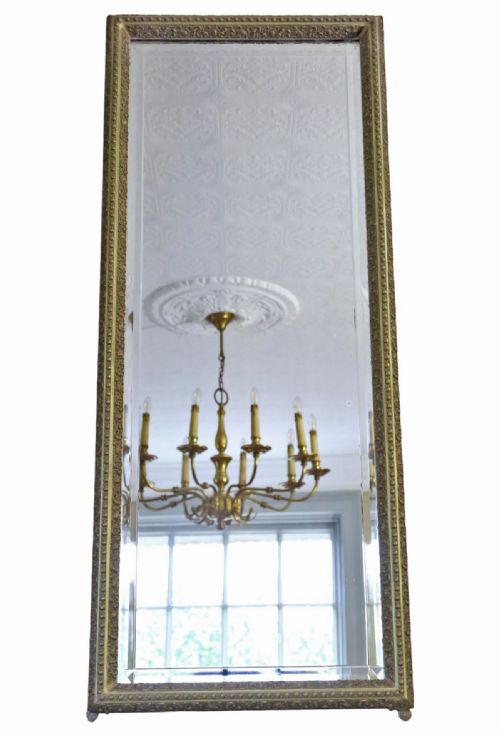
An edwardian gilt dressing mirror encompasses large floor-standing cheval mirrors, wall-hung full-length glasses, and smaller table or vanity versions designed for bedrooms and dressing rooms. The selection includes pieces spanning the Edwardian period, along with earlier Victorian and Georgian examples, plus later 1920s interpretations.
Makers and manufacturers utilised various formats, from folding triple table mirrors to substantial wall-hanging frames and tall cheval mirrors. The physical evidence shows these objects serving practical daily routines in spaces ranging from morning rooms to reception halls.
The aesthetic leans heavily towards decorative gilding, often paired with elaborate moulding and specific revival styles. Pieces frequently incorporate bevelled glass within giltwood, gesso, composition, or lacquered wood frames.
How they were made
Makers constructed these frames using timber cores finished with gesso and gold leaf or gilt, sometimes applying composition ornamentation to build up relief details. The resulting surfaces catch the light in a distinct manner depending on whether genuine gold leaf or secondary gilt finishes were applied.
Glass production relied on bevelling techniques to create angled perimeters on the mirror plates, set securely within wood or lacquered wooden structures. Folding triple mirrors utilised robust hinges to allow adjustable positioning of the side panels.
Early twentieth-century dressing mirrors occasionally double as subtle hallway furniture, reflecting morning light into otherwise dim reception spaces.
What varies in quality
The depth and crispness of the moulded ornamentation separate standard production from finer examples, particularly where hand-carved giltwood gives way to cast composition. Ornate design articulation in the frame corners and crestings indicates the level of craftsmanship invested by the maker.
The integrity of the original mercury or silvered mirror plate influences the character of the piece, alongside the stability of the framing joints and the richness of the underlying gilding. Original bevelled glass plates retain greater historical coherence than later replacement mirrors.
The Edwardian Gilt Dressing Mirror Glossary
- Cheval mirror
- A freestanding full-length mirror suspended in a frame on pivots, allowing the glass to swing freely. This form stands independently on the floor.
- Gesso
- A plaster-like mixture applied to wood frames as a base for gilding. It provides a smooth, receptive surface for gold leaf or paint.
- Bevelled glass
- A mirror plate with edges ground and polished at an angle. This technique creates a decorative prismatic border around the reflection.
- Composition
- A mouldable mixture of whiting, linseed oil, resin and glue used to press ornamental details onto frames. It offers a cost-effective alternative to hand-carved wood.
- Chinoiserie
- A European stylistic interpretation of Chinese and East Asian artistic traditions. It appears on lacquered and ebonised wood surfaces.
Edwardian Gilt Dressing Mirror: Frequently Asked Questions
Where should I place an edwardian gilt dressing mirror?
These mirrors suit bedrooms, dressing rooms, and reception halls where their reflective surfaces can amplify natural light. Floor-standing cheval formats work well against empty wall spaces, while smaller table versions sit comfortably atop dressing tables or chests of drawers.
Positioning them opposite windows maximises the spread of light through the room. Ensure the surrounding wall space accommodates the specific proportions of the frame without crowding.
How do I distinguish an edwardian mirror from a victorian one?
Edwardian mirrors often feature lighter, airier proportions and restrained ornamentation compared to heavier Victorian counterparts. The materials and decorative vocabulary, such as specific revival motifs, help indicate the likely period of manufacture.
Examining the construction methods at the back of the frame provides further clues to the date. Comparing screw types, timber backing boards, and glass bevelling styles aids in accurate dating.
What is the difference between a cheval mirror and a dressing table mirror?
A cheval mirror is a tall, freestanding piece designed to show the full figure from head to toe. A dressing table mirror is much smaller, intended to sit on top of furniture for close-up viewing.
Cheval mirrors incorporate floor-level supports and swivel pivots. Dressing table mirrors frequently feature folding side panels or box bases with small drawers.
How should I clean a antique gilt frame?
Dust gilt frames gently with a soft, dry brush to prevent damage to fragile gesso and gold leaf surfaces. Avoid using wet cloths, chemical sprays, or abrasive cleaners on the gilded areas.
For the glass plate, apply a mild glass cleaner to a cloth rather than spraying directly onto the mirror, preventing liquid from seeping behind the plate and damaging the silvering.