
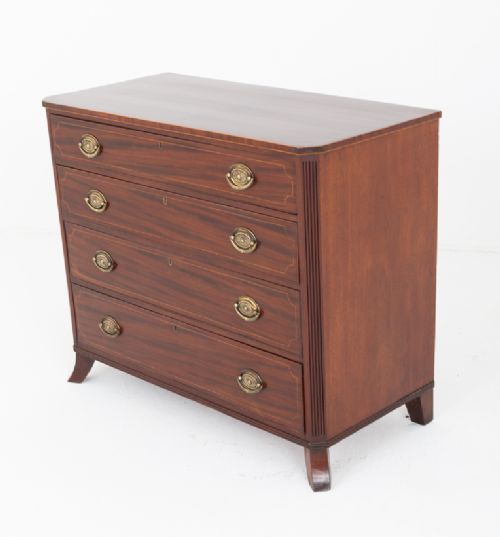


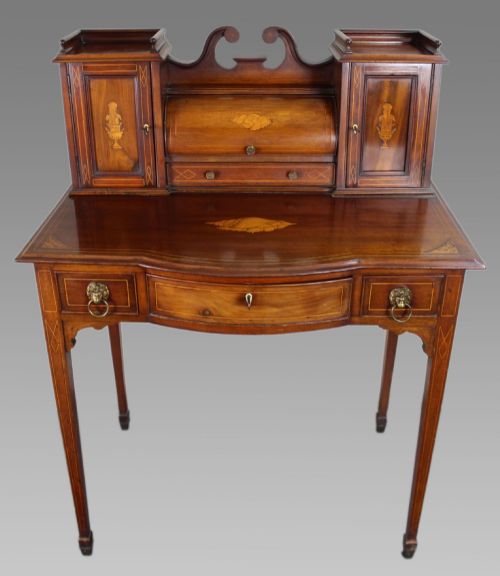
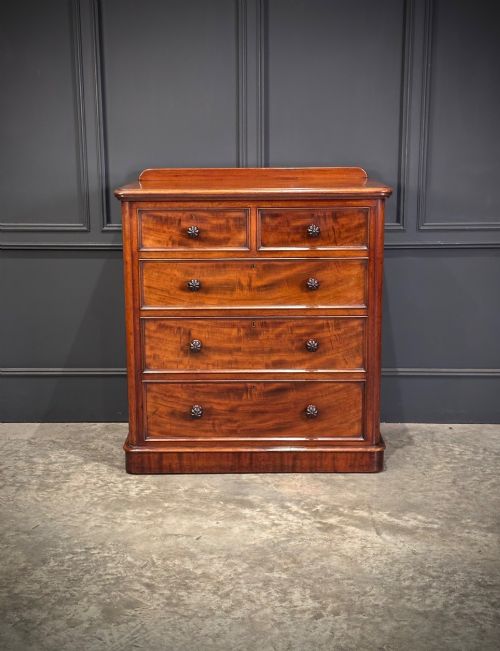
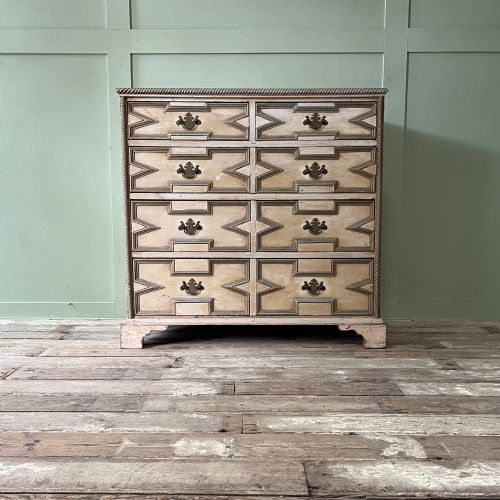

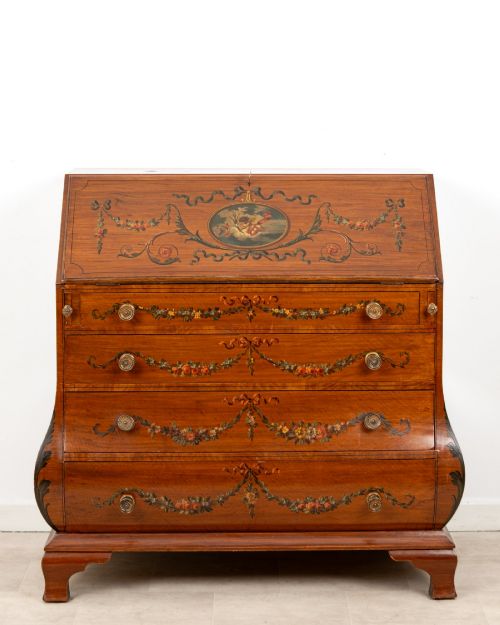
Edwardian Furniture Bureau
When you search for edwardian furniture bureau, you find practical writing desks and cabinet pieces designed for the home office of the early twentieth century.
Edwardian Furniture Bureau
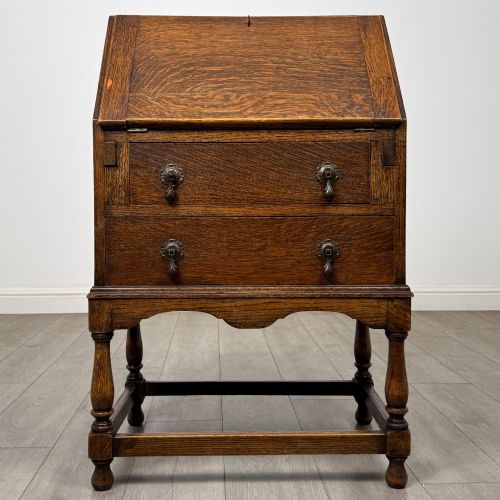
An edwardian furniture bureau typically combines a fall-front writing surface with interior compartments and lower drawers or shelving units. The pieces on this page span Edwardian periods alongside Victorian, Georgian, and Regency examples, reflecting diverse historical revivals.
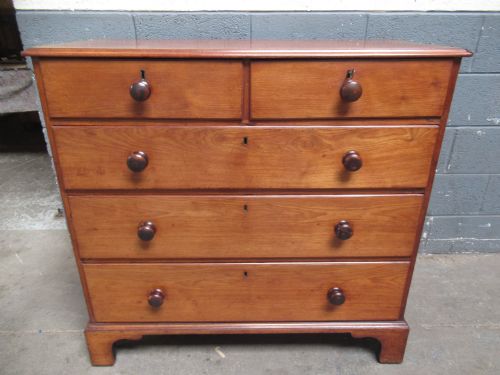
Makers produced these forms in oak, mahogany, satinwood, and walnut, often incorporating specialised variants such as bureau bookcases and cylinder desks. Alongside dedicated bureaux, you will encounter writing tables, pedestal desks, and chests of drawers sharing similar period characteristics.
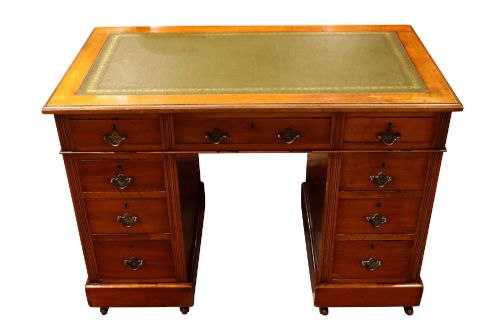
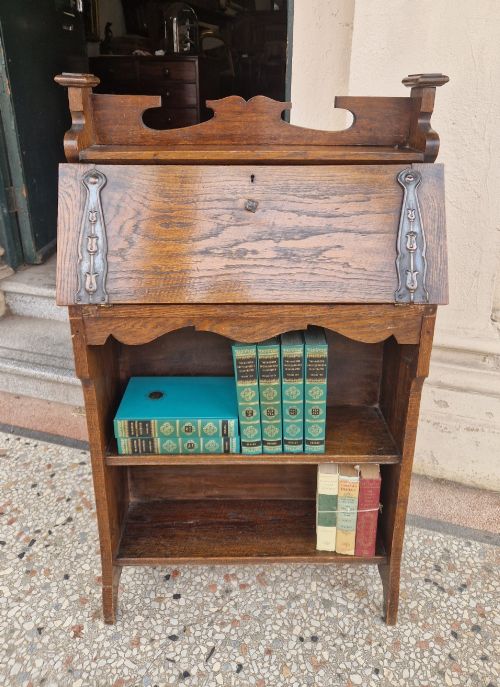
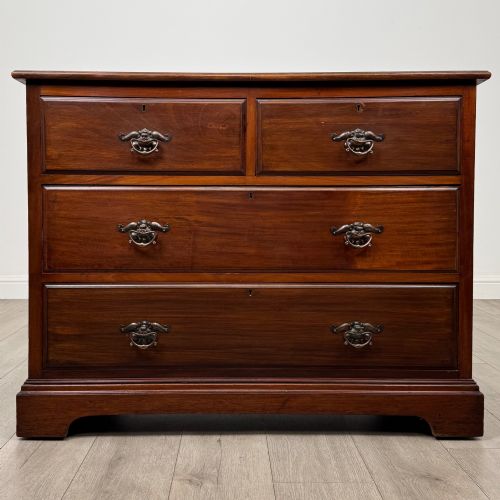
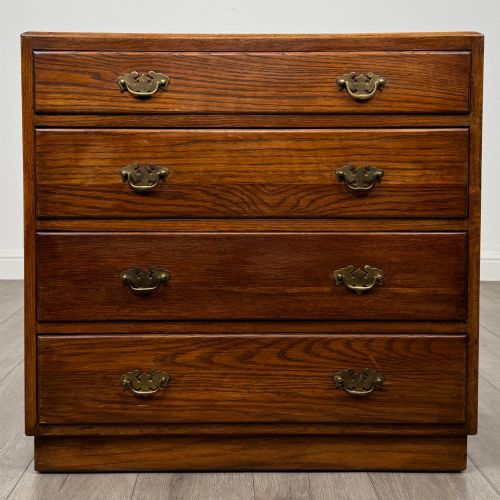
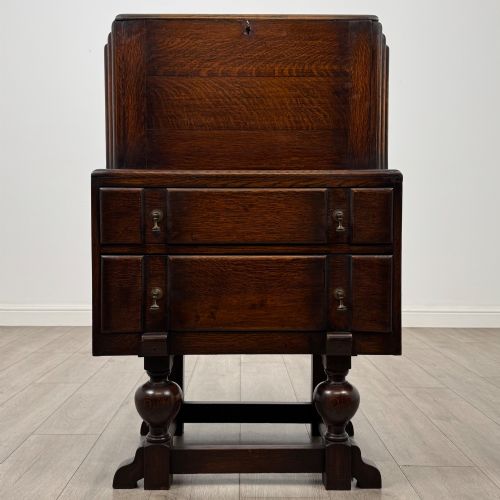
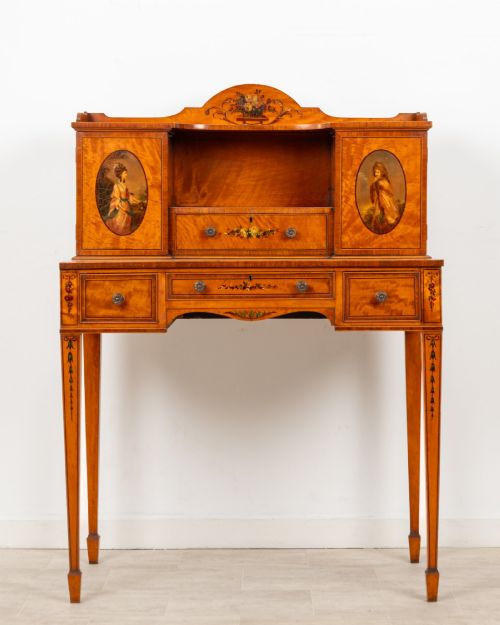
The selection ranges from simple golden oak writing furniture to finely painted satinwood creations and architectural Carlton House desks. These variations demonstrate the breadth of domestic writing furniture produced around the turn of the twentieth century.
What varies in quality
The degree of hand-painted detail and the complexity of the internal fitments separate standard writing furniture from finer workshop productions. Elaborate satinwood inlays, serpentine fronts, and fitted pigeonholes indicate higher tiers of craftsmanship.
Timber selection also governs distinction, with choice flame veneers and figured mahogany marking out superior examples from plainer oak or walnut utilitarian pieces.
Period styles span Edwardian, Victorian, Georgian, Regency, Arts and Crafts, and Sheraton Revival designs.
Sir Clough Williams Ellis·Maple and Co·Maples of London·Gillows
The Edwardian Furniture Bureau Glossary
- Bureau
- A desk featuring a sloping hinged lid that drops to form a writing surface, typically concealing small drawers and pigeonholes inside.
- Carlton House desk
- A horseshoe-shaped writing desk fitted with a row of small drawers and compartments around the upper back edge.
- Satinwood
- A durable, lustrous yellow timber frequently used as a veneer or for stringing on high-status Edwardian furniture.
- Secretaire
- A piece of furniture containing a concealed writing drawer or fold-down desk compartment.
- Tambour
- A sliding surface made of narrow strips of wood glued to a canvas backing, used to enclose the top of a cylinder desk.
Edwardian Furniture Bureau: Frequently Asked Questions
What is an edwardian furniture bureau?
An edwardian furniture bureau is a compact writing cabinet featuring a fall-front flap that opens to reveal internal compartments above a set of drawers.
These pieces served as domestic workstations for correspondence and record keeping before the widespread adoption of modern office furniture.
How do I identify an Edwardian bureau?
Edwardian bureaux often display lighter timbers such as satinwood, subtle string inlays, and Edwardian or Arts and Crafts stylistic influences dating around nineteen hundred.
They generally exhibit softer proportions and refined decorative techniques compared to heavier Victorian counterparts.
Where were these bureaux used?
These items belonged in domestic reception rooms, libraries, and bedrooms where family members managed correspondence and household accounts.
Their enclosed writing flaps allowed owners to conceal writing materials and papers when not in use.
How do I care for wood surfaces?
Maintain timber surfaces by keeping them away from direct heat sources and sudden humidity changes that can crack veneers.
Apply a traditional beeswax polish occasionally to nourish the grain and preserve the finish.
Are writing heights standard?
Writing heights vary depending on whether the piece is a drop-front bureau, a pedestal desk, or a Carlton House writing table.
Most fall-front writing flaps sit at a comfortable level for seated use with an appropriate period chair.