




Edwardian Floral Mirror
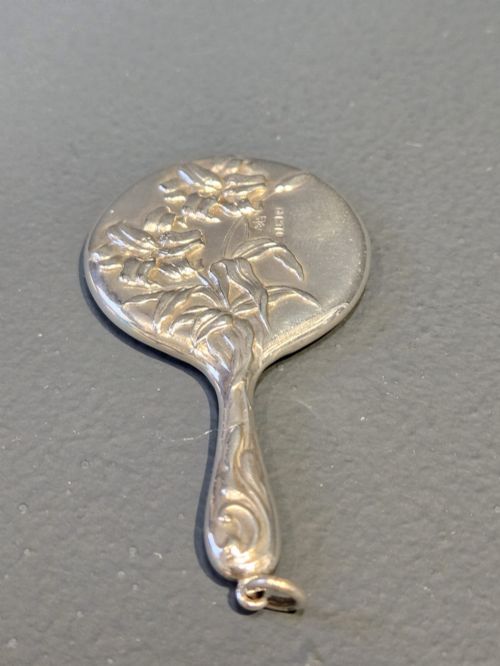
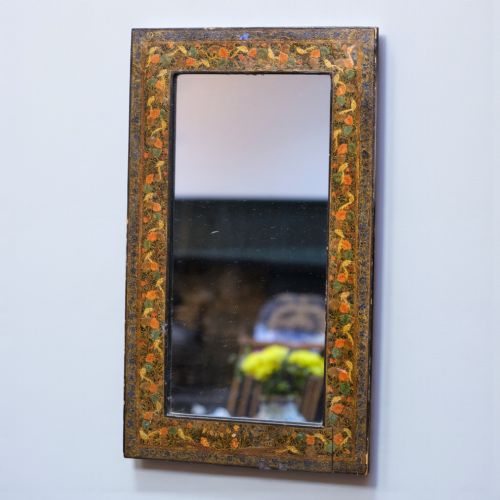
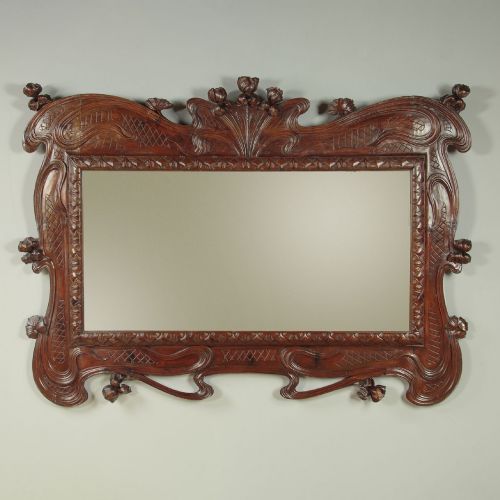
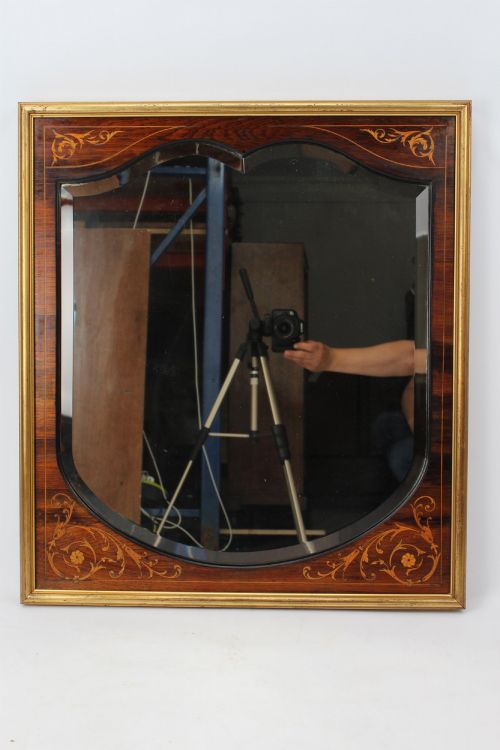
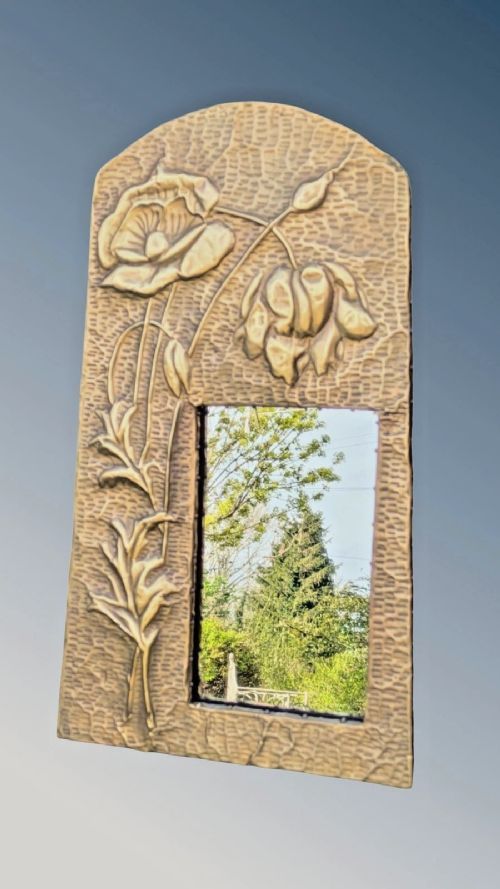
These edwardian floral mirror pieces bring painted botanical detail and carved wood frames into a room, offering period charm for domestic interiors.
Edwardian Floral Mirror
When you search for an edwardian floral mirror, you encounter wall-hanging and fretwork designs adorned with botanical painted motifs. The selection spans pieces from the Edwardian era alongside items originating in the wider Victorian and early twentieth century periods.
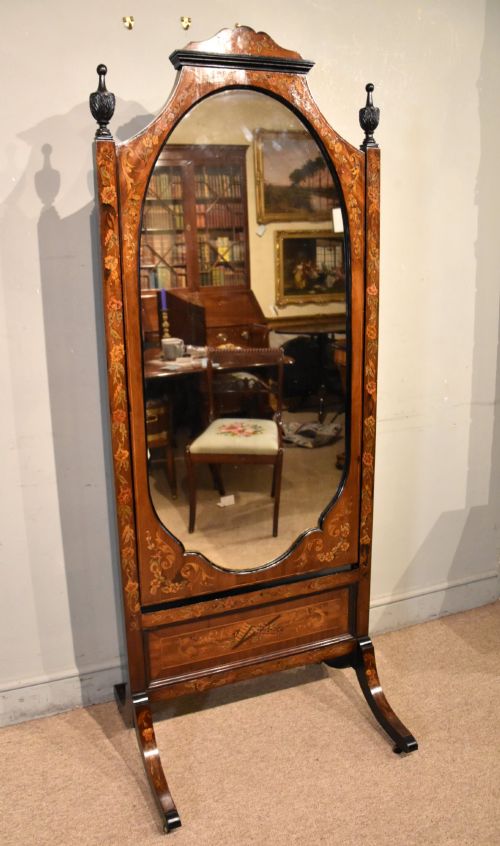
Most examples rely on painted floral decoration upon wooden frames, often accompanied by fretwork detailing. Alongside dedicated wall mirrors, the broader inventory encompasses related forms like overmantels and cheval mirrors in various woods.
How they were made
Frames employ timber such as mahogany, beech, walnut, and satinwood, frequently enhanced with gesso or marquetry inlay. Artisans shaped these materials into carved, painted, or fretwork structures designed to support reflective glass plates.
Surface ornamentation combines hand-painted floral panels with gilt touches, carved wooden details, and applied floral gesso decoration. These techniques reflect the craftsmanship of early twentieth century workshops producing decorative household furnishings.
Edwardian Floral Mirror Retail Price Guide 2026
Typical asking prices for edwardian floral mirror among the pieces listed under this phrase on Sellingantiques today, from the lower quarter to the upper quarter. They describe what is for sale here now, not the wider market.
Gypsy style mirrors bring cheerful painted bohemian charm straight into the hallway.
What varies in quality
Quality rests on the crispness of the hand-painted botanical details and the depth of the carved or pierced fretwork on the wooden frame. Superior items display refined brushwork and intact gesso without extensive rebuilding.
The choice of timber and the preservation of the original mirror plate further distinguish standard production pieces from finer examples. Integration of marquetry inlay and well-preserved painted surfaces mark the upper tier of the range.
The Edwardian Floral Mirror Glossary
- Fretwork
- Openwork ornamentation carved or cut from wood using a fret saw. It creates intricate decorative patterns along the frame edges.
- Gesso
- A plaster-like mixture applied to wood surfaces to form a smooth base for gilding or painting. It allows for detailed moulded floral relief work.
- Marquetry
- Decorative inlay technique where thin pieces of wood veneer are fitted into a ground material to form geometric or floral designs.
- Overmantel mirror
- A large mirror designed specifically to hang above a fireplace mantelpiece. These often feature arched wooden frames and extensive gilt decoration.
- Cheval mirror
- A freestanding full-length mirror supported by a pivoting frame between four upright posts. This allows the glass to tilt at different angles.
Edwardian Floral Mirror: Frequently Asked Questions
How do I hang a heavy wooden mirror?
Heavy mirrors require secure fixings anchored directly into wall studs or solid masonry using appropriate heavy-duty picture hooks and brackets. Avoid relying on simple plasterboard fixings for large framed pieces.
Ensure the weight is evenly distributed across multiple hanging points to prevent strain on the wooden frame joints over time.
Are these mirrors suitable for bathrooms?
High humidity and fluctuating temperatures in bathrooms can damage vintage wood, gesso mouldings, and silvered mirror glass over time. Moisture often causes the backing of the glass to degrade or the wooden frame to warp.
Position these decorative pieces in dry living areas, hallways, or bedrooms where environmental conditions remain stable.
How do I identify Edwardian mirror styles?
Edwardian pieces often feature lighter painted satinwood, delicate floral fretwork, and influences from earlier revival styles. They tend to feel less heavy than Victorian counterparts while retaining traditional craftsmanship.
Look at the construction methods, backing boards, and hinge types where applicable to help determine the approximate age of the piece.