


Edwardian Fireside Chair
When you seek an edwardian fireside chair, you are inviting deep-sprung comfort and robust craftsmanship into your sitting room.
Edwardian Fireside Chair
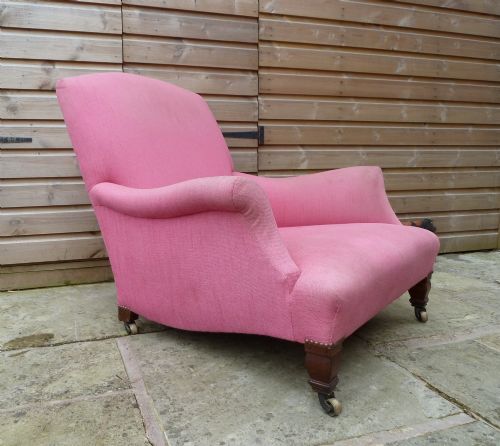
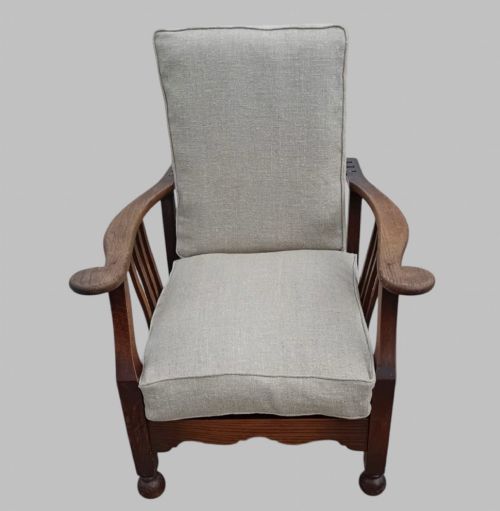
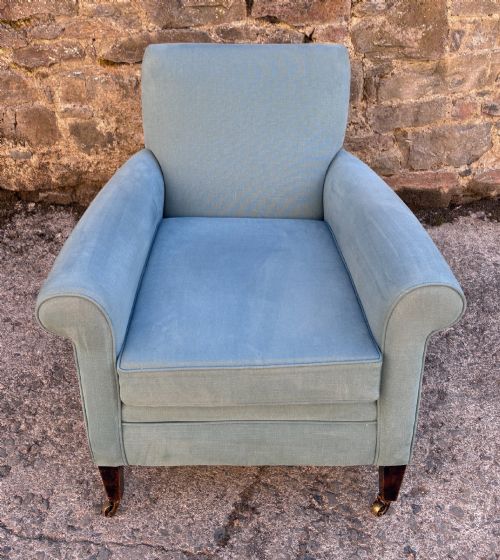
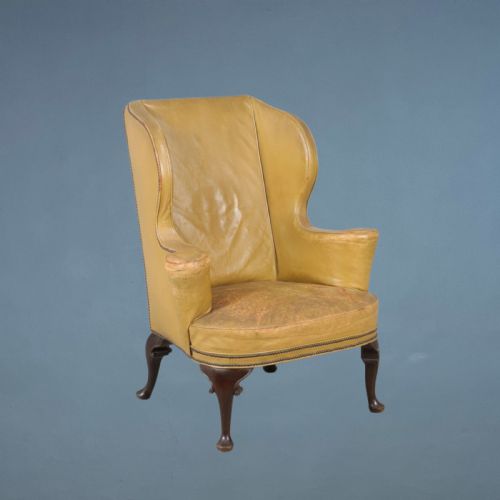
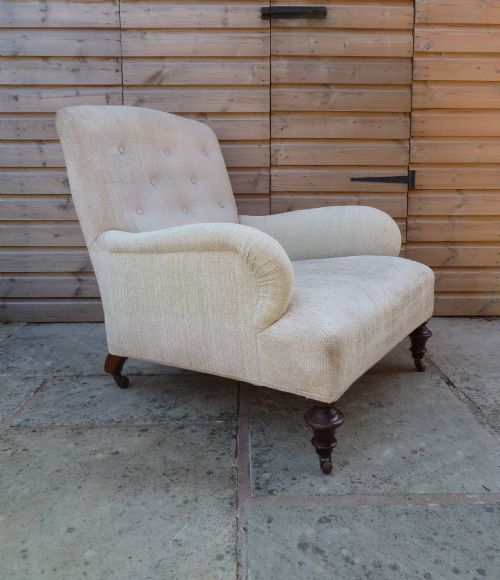
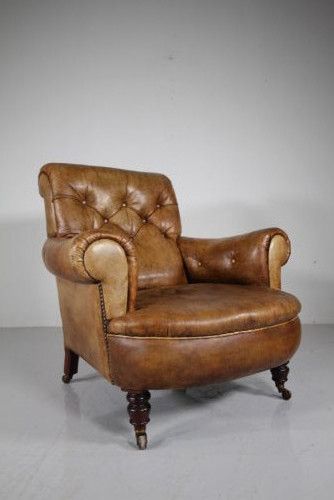
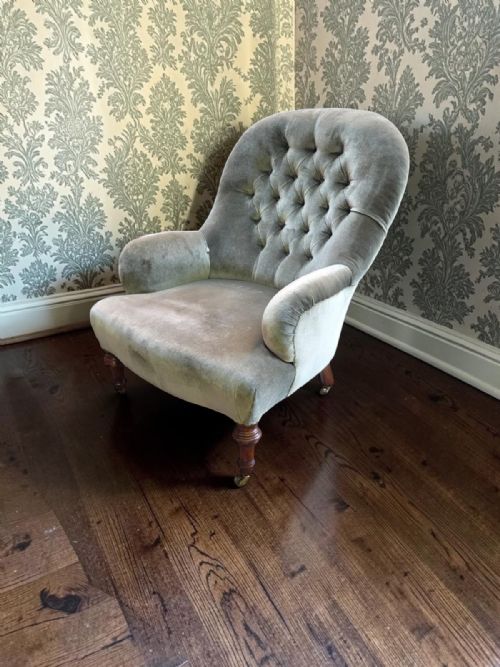
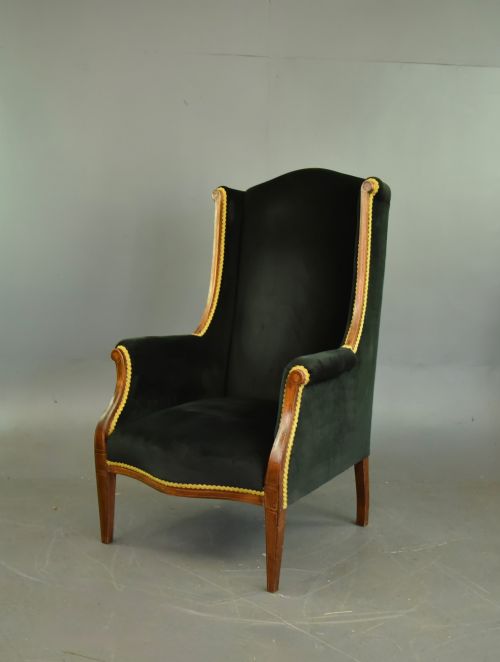
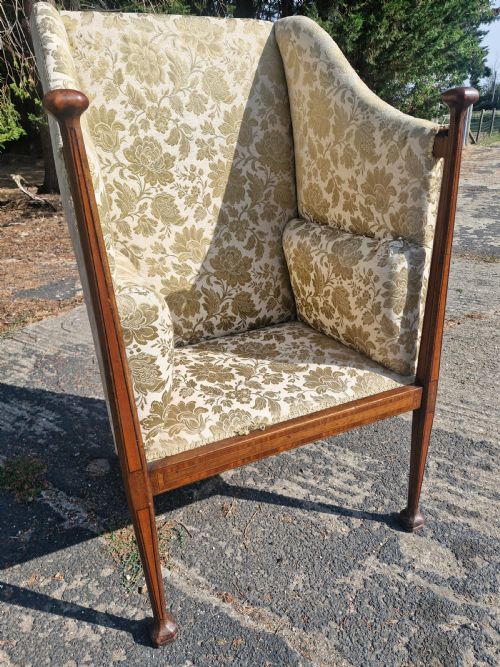
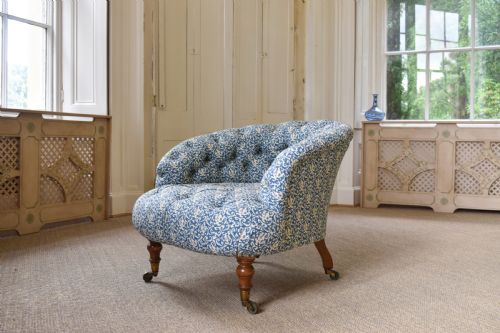
An edwardian fireside chair is a low-slung, upholstered seat designed for warmth and repose near a hearth, typically dating from the late nineteenth or early twentieth century. These pieces encompass various forms including wingbacks, tub chairs, and button-backed gentleman's or ladies' seats.
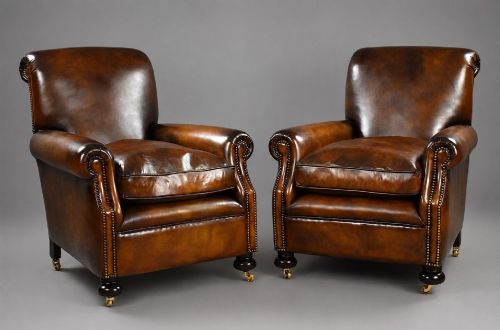
You will most frequently encounter walnut, mahogany, and oak frames upholstered in leather, velvet, or heavy fabric. The design prioritises lumbar support and deep seating, often featuring restrained carvings or inlaid woodwork characteristic of the period.
How they were made
Makers constructed the structural frames from solid timbers such as mahogany, walnut, and oak, often incorporating hand-carved details or subtle inlay. Joinery relied on traditional mortise and tenon techniques to ensure lasting stability under daily use.
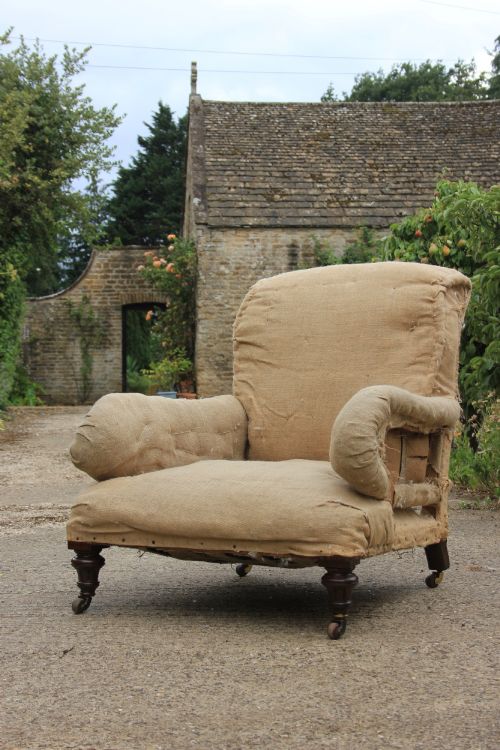
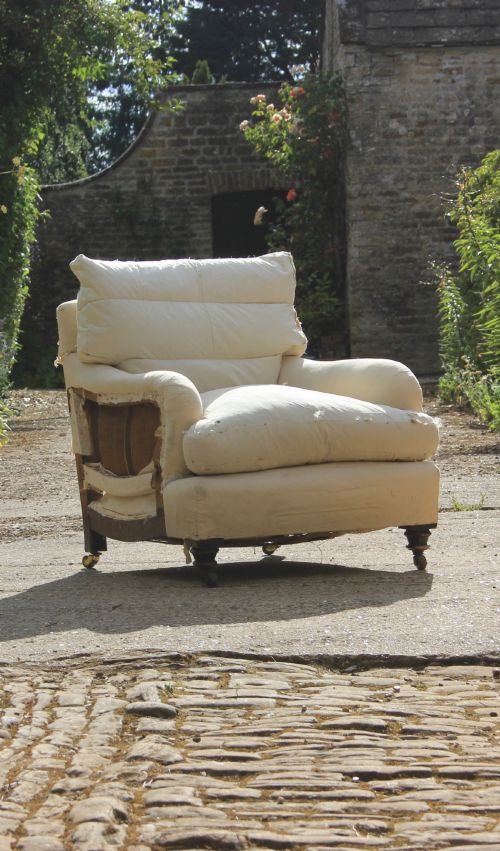
Upholstery combined coil springs with horsehair stuffing and durable top covers of leather, velvet, or heavy woven fabric. This layered method provided the characteristic resilience and deep comfort expected from quality seating.
Edwardian Fireside Chair Retail Price Guide 2026
Typical asking prices for edwardian fireside chair among the pieces listed under this phrase on Sellingantiques today, from the lower quarter to the upper quarter. They describe what is for sale here now, not the wider market.
Listings feature mahogany, walnut, and oak frames paired with leather, velvet, and woven fabric across Victorian and Edwardian periods.
What varies in quality
Quality rests in the integrity of the internal springing and the weight of the timber frame. Pieces built with dense hardwood and robust coil construction retain their posture and comfort over generations.
The refinement of the woodwork, from crisp carved walnut to finely figured mahogany, distinguishes standard production from superior workshops. Original leather or period-correct fabric also elevates the integrity of a piece.
HOWARD AND SONS·SF CULLEN·HAMPTON AND SONS
The Edwardian Fireside Chair Glossary
- Wingback
- A chair style featuring protective side panels designed to shield the sitter from drafts near an open fire. These wings evolved to enclose the head and torso.
- Tub chair
- A compact, curved-back armchair where the arms sweep continuously into the backrest. This form offers a neat footprint while maintaining deep-seated comfort.
- Button back
- An upholstery technique where depressions are formed in the padding by stitching through to the frame, securing the filling and creating a diamond pattern. This method adds both structure and visual rhythm.
- Bergère
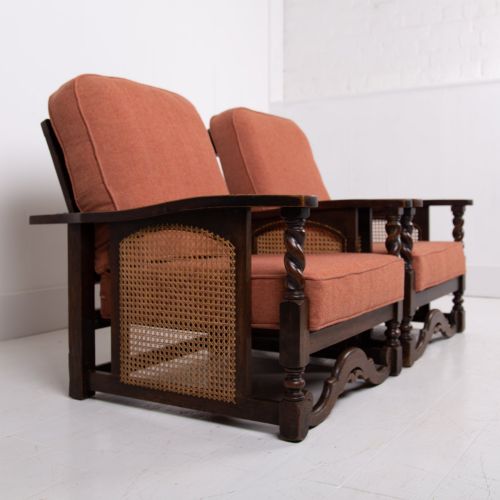
- An enclosed armchair with cane or wicker work panels set into a wooden frame. It brings a lighter aesthetic to traditional seating forms.
- Pad foot
- A simple rounded foot resting flat on the floor, frequently seen on cabriole legs of the period. It provides a stable base without heavy ornamentation.
Edwardian Fireside Chair: Frequently Asked Questions
What defines an edwardian fireside chair?
These seats are characterised by sturdy timber frames of mahogany, walnut, or oak, paired with deep cushioning and low profiles meant for hearthside warmth.
They frequently display stylistic influences from earlier periods, including Queen Anne and Jacobean revivals, adapted for early twentieth-century domestic comfort.
How were they used originally?
Placed close to the fireplace, they offered protection from cold drafts while providing a comfortable spot for reading, sewing, or conversing.
Their substantial upholstery and supportive wings or curved backs kept sitters warm in rooms before central heating was common.
How do I care for leather upholstery?
Maintain leather surfaces by keeping them away from direct heat sources and applying appropriate natural balms to preserve suppleness.
Gentle dusting with a soft cloth prevents abrasive particles from settling into the natural grain over time.
How do I distinguish an edwardian piece from a victorian one?
Edwardian seating often exhibits lighter proportions, simpler lines, and less heavy ornamentation than its nineteenth-century predecessors.
While Victorian examples frequently lean towards dark, heavily carved walnut or rosewood, Edwardian pieces often embrace brighter mahogany or inlaid details and lighter fabrics.