



Edwardian Fine Art
Edwardian fine art brings together delicate watercolours and rich oil paintings that capture landscapes, interiors, and botanical studies.
What edwardian fine art includes
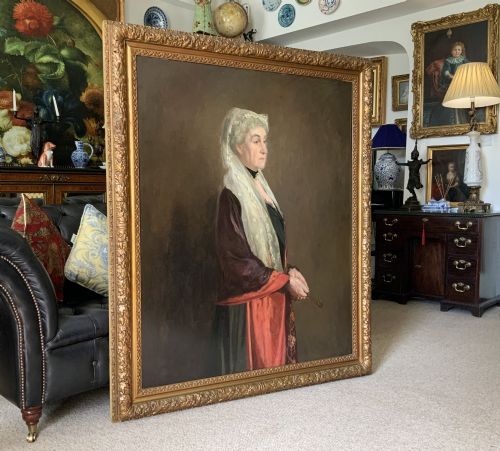
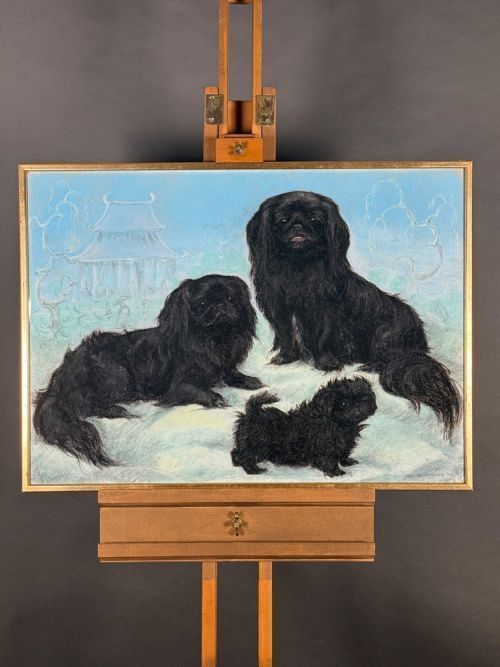
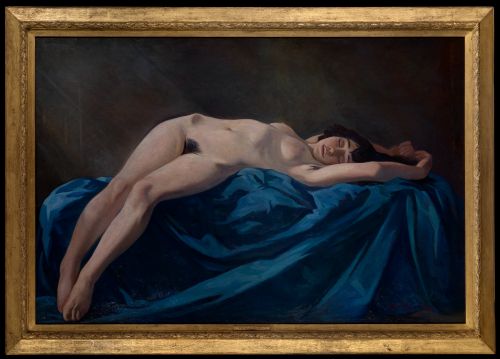
Edwardian fine art encompasses framed watercolours and oil paintings created during the early twentieth century and surrounding periods. These works range from detailed botanical watercolours depicting woodland blossoms to atmospheric landscapes and signed still life compositions.
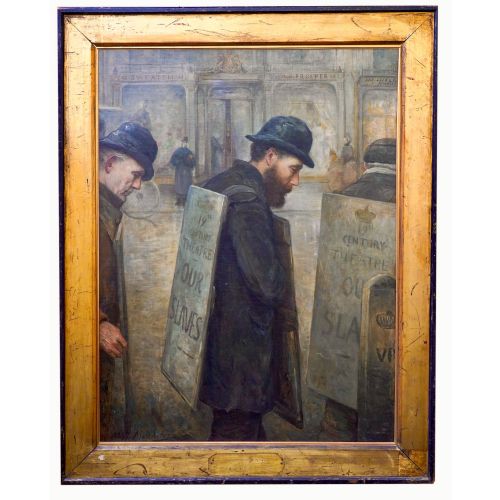
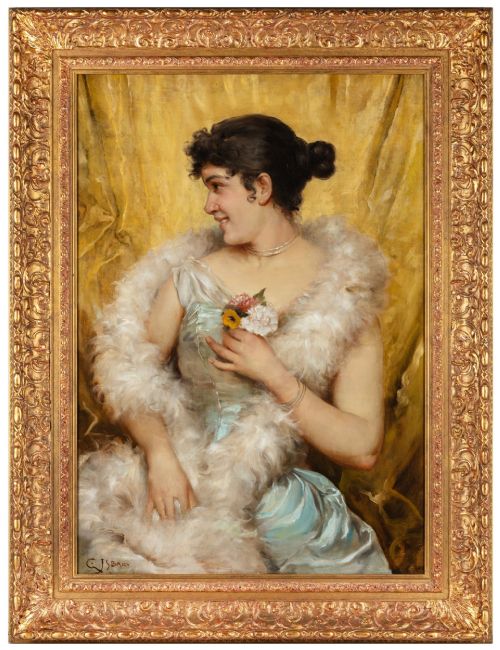
Buyers encountering edwardian fine art on this page will most frequently find signed watercolours and oil paintings on canvas, paper, or board. Subjects span tranquil Italian lake views, historic castle settings, and interior genre scenes.
Materials and execution
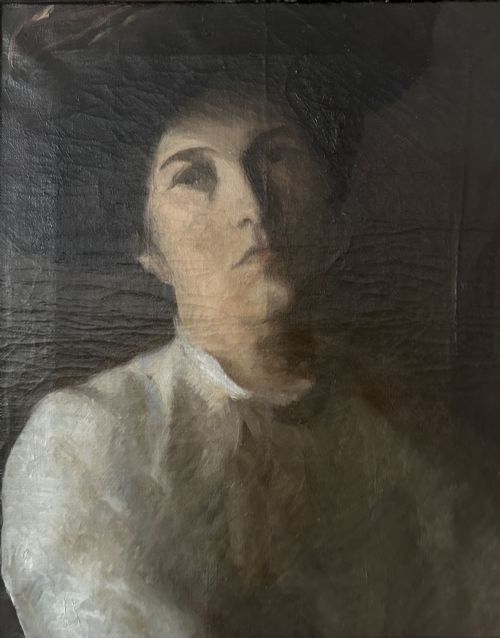
Works in this category utilise traditional media such as watercolour on paper and oil paint on canvas or board. Pigments are applied with skilled brushwork to capture light, texture, and tonal depth.
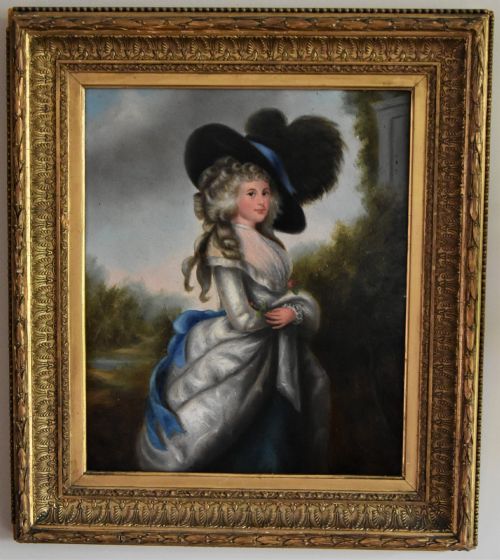
Many surviving pieces retain their period frames, often constructed from gilded wood or fitted with protective glass. These original mountings complement the paintings and preserve the fragile paper or canvas surfaces.
Retail Price Guide 2026
Typical UK retail prices for edwardian fine art, calculated from the Sellingantiques database of over a million retail prices indexed since 2003. This retail price guide relies exclusively on Sellingantiques data; no external sources or auction records are used, so the figures do not describe the wider market.
The selection spans works dated across the Edwardian era alongside adjacent Victorian and 1930s pieces.
Distinctions in quality
Quality in these paintings rests upon the precision of the draughtsmanship and the artist's ability to render light and atmosphere. Superior examples demonstrate confident brushwork and a balanced composition that holds the viewer's attention.
The condition of the pigment and the integrity of the original support material further distinguish finer works. Pieces that retain their signed attribution and period giltwood framing generally represent the upper tier of the selection.
Robert George Talbot Kelly·Byam Shaw·Beatrice Parsons·George Graham·Charles H Passey·J M Arundele·S and H Jewell·Mappin and Webb·Martin Hall and Co
The Edwardian Fine Art Glossary
- Watercolour
- A painting method in which the paints are made of pigments suspended in a water-based solution. This technique produces luminous, transparent washes on paper.
- Giltwood
- Wood that has been treated with a thin layer of gold leaf or gilt powder. It is frequently seen on period frames designed to showcase oil paintings and watercolours.
- Provenance
- The documented history of a piece of art, establishing its previous ownership and authenticity. A clear provenance adds significant historical context to a painting.
- Genre painting
- Artwork that depicts aspects of everyday life by portraying ordinary people engaged in common activities. These scenes offer a glimpse into domestic interiors and social settings of the period.
Frequently Asked Questions
What subjects appear in edwardian fine art?
These works feature a diverse range of subjects, including serene landscapes, architectural studies, and woodland flora. Still life compositions depicting fruit also feature among the painted works.
Artists of the period recorded both British countryside scenes and continental views, often working in watercolour or oil.
How should these paintings be displayed?
Paintings and watercolours benefit from placement away from direct sunlight to protect delicate pigments from fading. Maintaining stable room temperatures prevents warping in wooden frames and canvas supports.
Glass-fronted watercolours require particular attention to humidity levels to safeguard the paper beneath.
Are these works signed by the artists?
Many of the pieces carry visible signatures or dates left by the artist, which helps attribute the work correctly. Signatures may appear in the corners of watercolours or along the edge of oil canvases.
Unsigned works still offer stylistic clues that link them to the broader artistic output of the era.
What framing is typical for these pieces?
Original framing often includes gilded wood surrounds that complement the aesthetic of the painted canvas or paper. Some works are further protected behind glass, particularly watercolours on paper.
These period mounts contribute to the overall presentation and historical integrity of the artwork.