



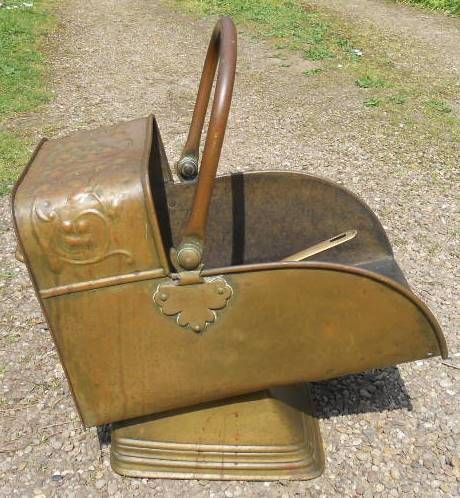
Edwardian Embossed Brass Box
These edwardian embossed brass box pieces offer solid metalwork and period character, bringing tactile history and dependable storage to any hearth or interior.
Edwardian Embossed Brass Box
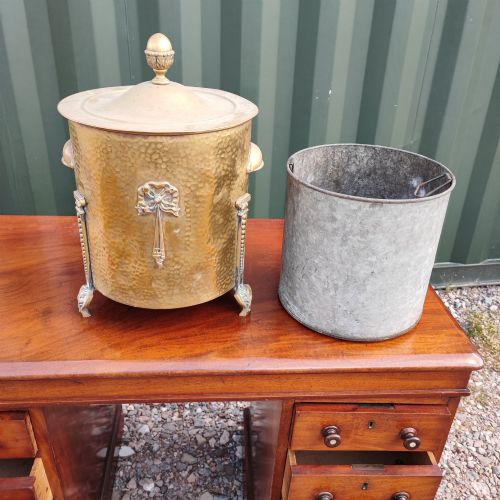
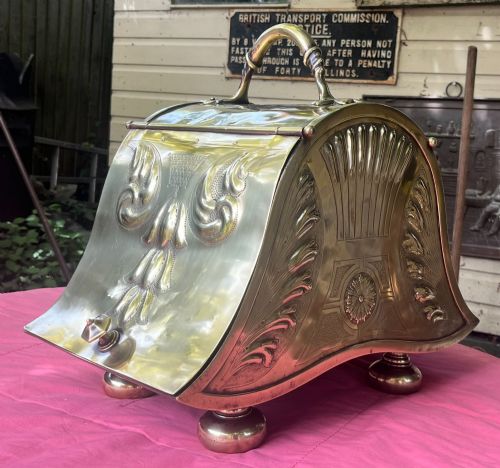
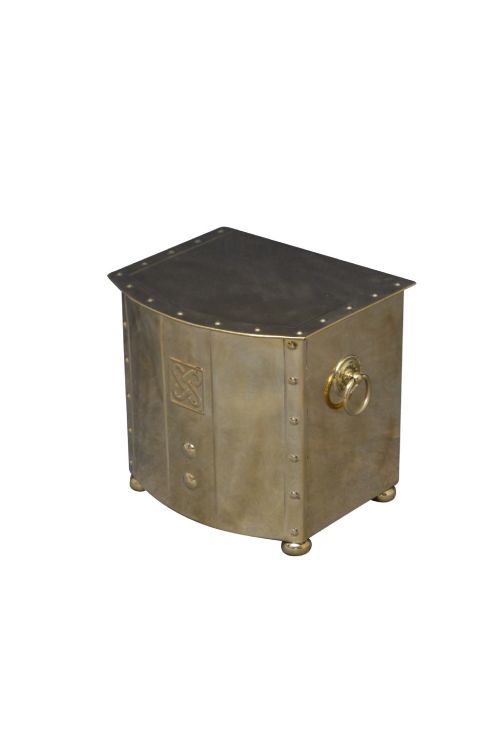
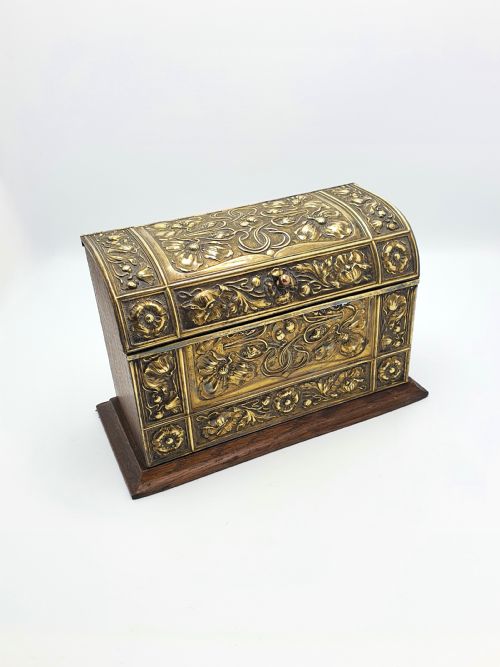
When you search for an edwardian embossed brass box, you are looking at metal containers designed for fuel storage, documents, or decorative use around the home. The pieces found here span the late nineteenth century through to the early decades of the twentieth century, with examples emerging from the Edwardian period alongside Victorian and later designs. Forms range from heavy coal scuttles and log bins to smaller document boxes and planters.
The version most commonly met on this page is a functional household container formed in brass or copper, often detailed with repousse work or surface patterning. These vessels demonstrate the utility and decorative ambition of domestic metalware from the era, drawing on stylistic influences such as Art Nouveau and the Arts and Crafts movement. Whether configured as a fireside coal box or a lidded casket, each object combines rigid metal construction with hand-finished surface detail.
Materials and construction
The primary material across these listings is brass, frequently accompanied by copper, bronze patina, and occasional secondary woods like oak. Metal sheets were shaped by hand or machine before receiving decorative surface treatments, utilising hammering, repousse, and embossing techniques to raise patterns from the reverse side.
Stylistic markers on these objects often align with Arts and Crafts ideals or Art Nouveau curves, showing how makers manipulated sheet metal into functional forms. Linings of galvanised metal or internal wooden frameworks were sometimes incorporated to handle damp fuel or protect contents, whilst hinges and fasteners secured the lids.
Listings under this search combine brass, copper, and bronze patina finishes with wood and galvanised metal elements.
Assessing quality in period metalware
Quality in an edwardian embossed brass box rests primarily on the depth and crispness of the metalwork rather than mere decorative crowding. Pieces featuring sharply defined repousse motifs show superior hand skill compared to softly pressed or mechanically stamped alternatives.
Structural integrity also separates the better examples from ordinary utility items, visible in the gauge of the brass used and the sturdiness of the joins. Heavier metal gauge prevents warping around the lid and base, ensuring the box maintains its geometry through daily use.
The Edwardian Embossed Brass Box Glossary
- Repousse
- A metalworking technique where the artist hammers the design from the reverse side to create a raised relief on the front. This method gives decorative brass boxes their tactile surface texture.
- Arts and Crafts
- A design movement valuing handcraftsmanship and simple forms over mass production. Objects from this tradition often display honest construction and stylised natural motifs.
- Art Nouveau
- A style characterised by flowing, organic lines and asymmetrical plant-inspired curves. This aesthetic heavily influences the decorative panels found on many Edwardian metal containers.
- Jardiniere
- A decorative pot or container designed to hold plants or flowers. In brass and copper, these vessels share manufacturing techniques with fireside coal buckets.
- Patina
- The surface sheen and colour acquired by metal over decades of exposure to air and handling. A natural bronze or brass patina indicates genuine age rather than artificial ageing.
Edwardian Embossed Brass Box: Frequently Asked Questions
What were brass coal boxes used for?
These boxes stored coal or logs near the fireplace for easy refuelling of domestic hearths.
Their metal construction contained dirt and debris while adding a decorative element to the room.
How do I clean an antique brass box?
Dust the surface gently with a soft cloth to remove everyday particles without disturbing the underlying finish.
Avoid harsh chemical polishes that strip away the aged patina accumulated over the decades.
Are these boxes suitable for daily use?
Sturdy brass and copper construction allows many of these containers to function effectively in modern rooms.
Lined interiors and solid hinges help them endure regular opening and closing.
How can I tell an Edwardian box from a Victorian one?
Edwardian examples frequently lean towards lighter proportions and distinct Art Nouveau decorative flourishes.
Victorian pieces often display heavier cast mounts and denser surface ornamentation.