
Brass Documents Box
A brass documents box combines robust metalwork with fine timber to protect important papers, offering both utility and character.
Brass Documents Box
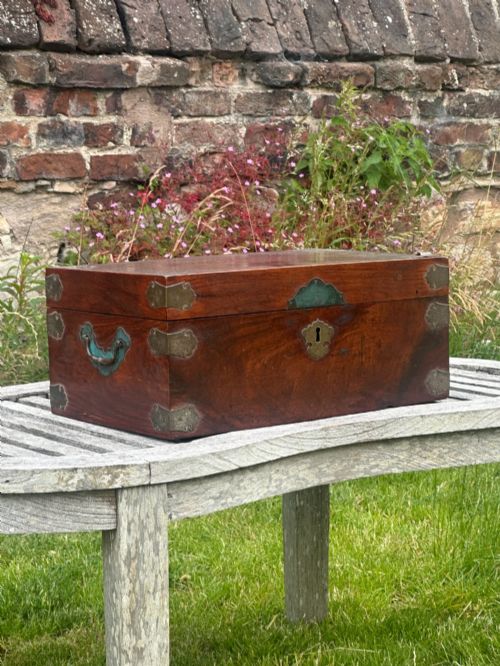
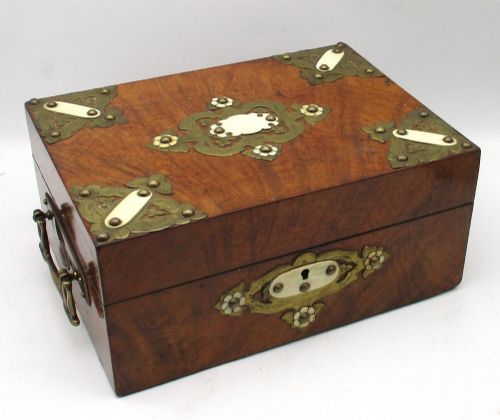
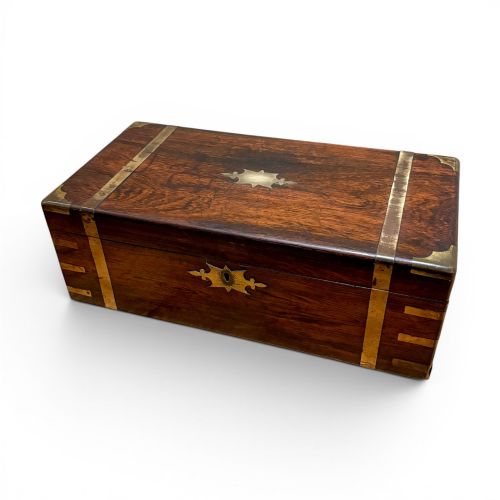
A brass documents box serves as a secure container for letters, deeds, and valuable papers, evolving from early travelling caskets into formal desk accessories. When searching for a brass documents box, buyers encounter various formats including deed boxes, stationery cabinets, and writing slopes.
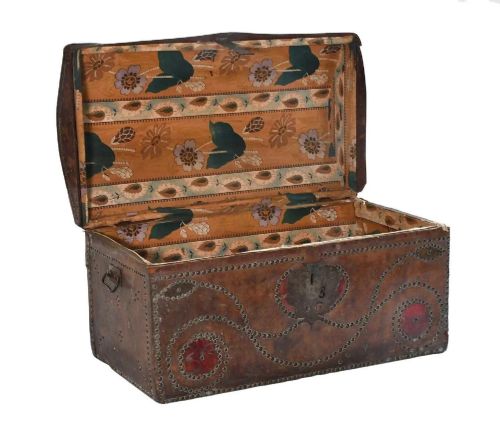
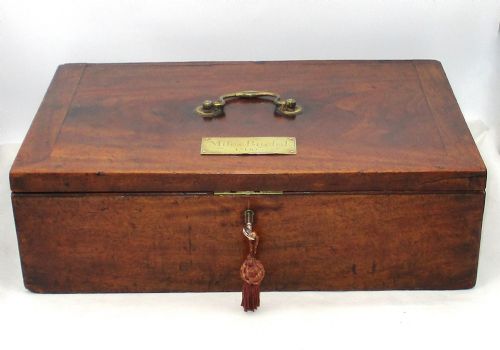
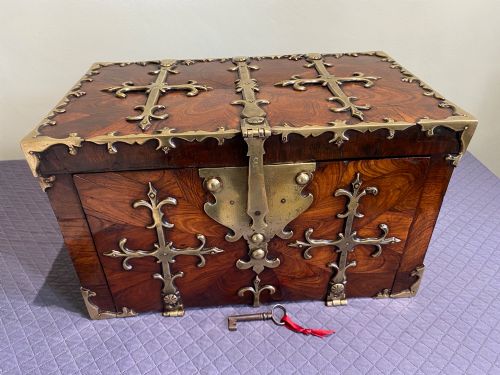
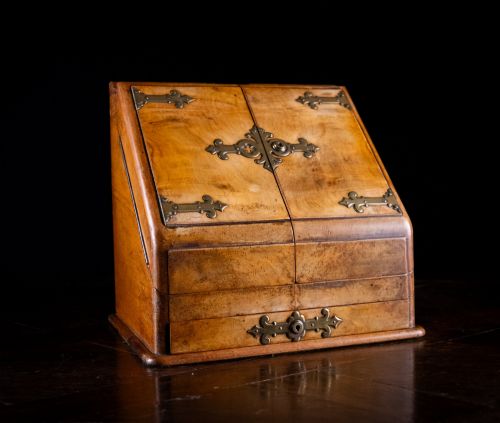
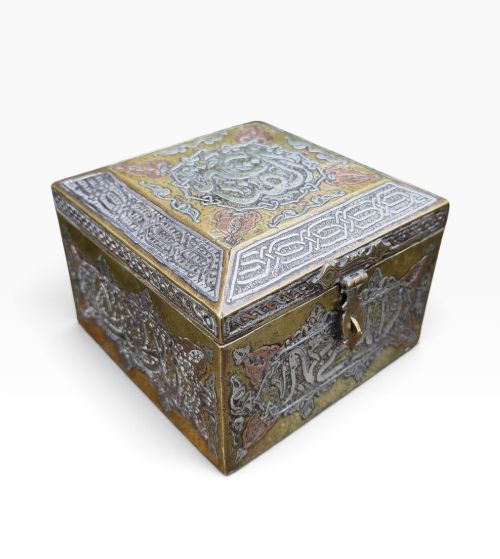
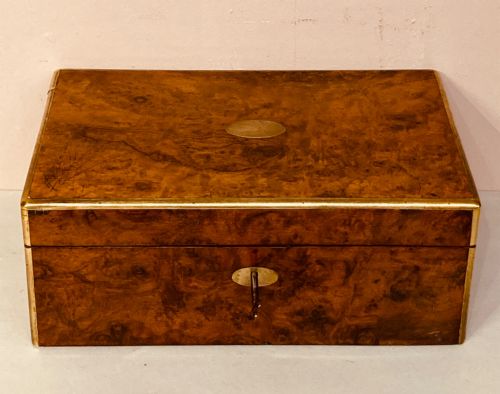
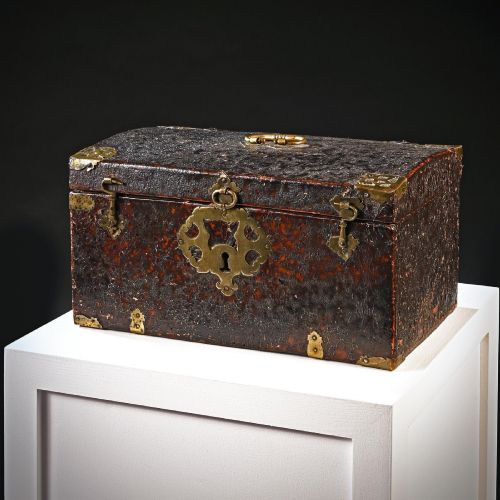
The selection on this page ranges across multiple periods, with Victorian and nineteenth-century examples appearing alongside earlier Georgian, Regency, and seventeenth-century pieces. Woods such as mahogany, walnut, and rosewood frequently form the core structure, augmented by brass mounts, banding, and inlay.
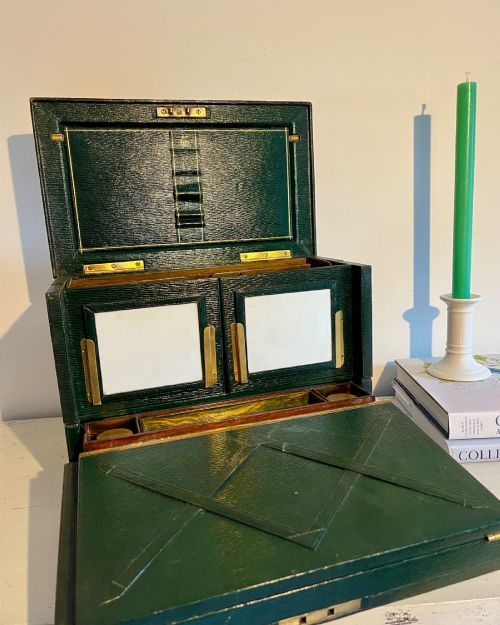
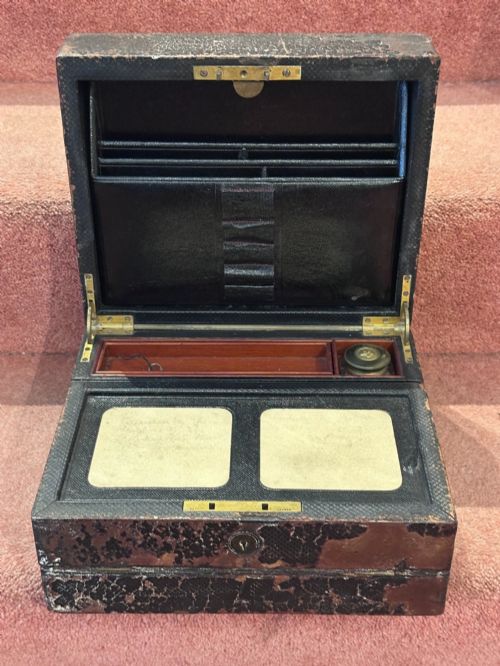
Many items incorporate specialised compartments, secret drawers, or leather-bound surfaces tailored for correspondence and storage. These pieces reflect the functional demands of past domestic and travel arrangements, maintaining their structural integrity over centuries.
How they were made
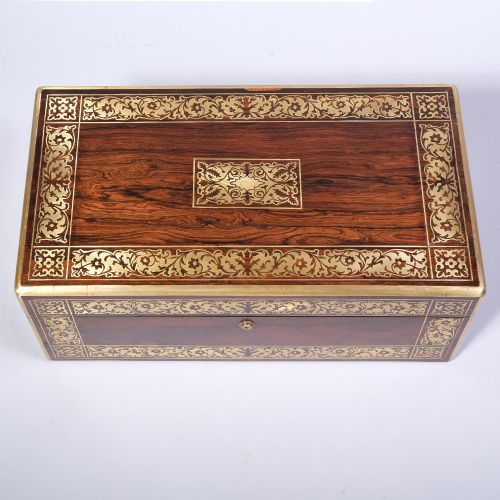
Cabinetmakers constructed the foundational carcasses from dense hardwoods like mahogany, walnut, and kingwood, often applying veneers or solid panels depending on the period. Brass components, including corner brackets, strapwork, escutcheons, and inlaid lines, were hand-cut and fitted flush into the wood to reinforce vulnerable edges during travel.
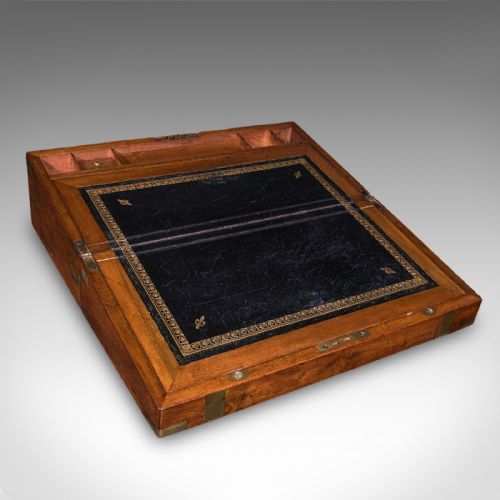
Internal fittings required precise joinery to create folding writing surfaces, pen trays, and hidden compartments operated by spring mechanisms or secret pins. Leather tooling, velvet linings, and hand-forged locking mechanisms completed the construction, ensuring both durability and refined tactile qualities.
Listings feature woods such as mahogany, rosewood, walnut, and camphor, paired with brass mounts.
What varies in quality
The distinction between standard utility boxes and exceptional pieces rests upon the precision of the brass inlay and the selection of figured timbers like burr walnut or rosewood. Superior examples exhibit tightly fitted joints, original brasswork that sits flush with the wood surface, and complex internal arrangements with functioning locks and keys.
Proportion and decorative restraint also separate regional vernacular pieces from high-workshop London or continental output. The integration of specialised mechanisms, such as concealed secret drawers or three-dial combinations, indicates higher initial cost and superior craftsmanship.
Chapple And Sons·Austin
The Brass Documents Box Glossary
- Writing slope
- A portable desk featuring a hinged, slanted lid designed to provide a comfortable writing surface while storing paper and stationery inside. These units often fold completely flat when closed for travel.
- Campaign case
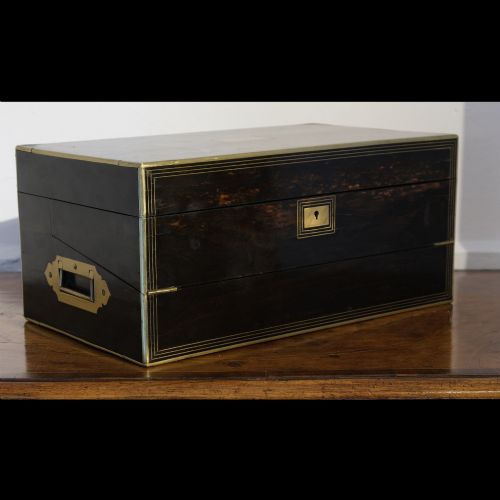
- A sturdy box or chest constructed for military officers on active service, typically fitted with recessed brass handles, reinforced corners, and robust locking mechanisms. Such pieces prioritize durability and portability.
- Escutcheon
- A protective plate surrounding a keyhole, usually cast or engraved in brass to prevent the surrounding wood from wearing away through repeated use of the key.
- Coffre forte
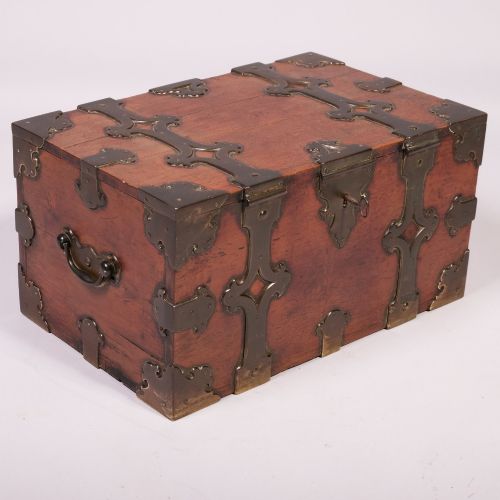
- A French term denoting a strongbox or heavily secured chest, often featuring complex internal locking systems and iron or brass reinforcement. These containers protected currency and vital documents.
- Veneer
- A thin slice of decorative hardwood, such as kingwood or burr walnut, applied over a secondary timber carcass to create complex grain patterns across the exterior surfaces.
Brass Documents Box: Frequently Asked Questions
What is a brass documents box used for?
These boxes provided secure storage for deeds, correspondence, and valuable papers during a period when private safes were uncommon. Owners kept them on desks or packed them into luggage for travel.
Today, they function as decorative storage on tabletops or desks, holding modern letters, photographs, and small personal items while adding period character to a room.
How do I identify a Victorian box?
Victorian examples frequently feature robust mahogany or walnut carcasses heavily bound in brass corners and straps, reflecting the heavy travel demands of the nineteenth century. They often include fitted interiors with velvet-lined writing surfaces and secret drawers.
Comparing the construction style, brass gauge, and secondary woods helps distinguish these pieces from earlier Georgian or later revival items.
Are keys usually included?
Many surviving boxes retain their original working keys, though some listings note replacement keys or locks that remain unproven. Because these boxes served to secure private papers, locks were an integral feature of the design.
Buyers who prioritize operational locks should check specific listings for confirmation of a working key before purchase.
How do I care for antique wood and brass?
Maintenance requires keeping wooden surfaces away from direct sunlight and sudden temperature changes to prevent the timber and veneer from splitting. Regular dusting with a soft, dry cloth preserves the finish.
Brass mounts benefit from minimal intervention, retaining their natural aged patina rather than aggressive polishing that might strip historical character from the metal.