

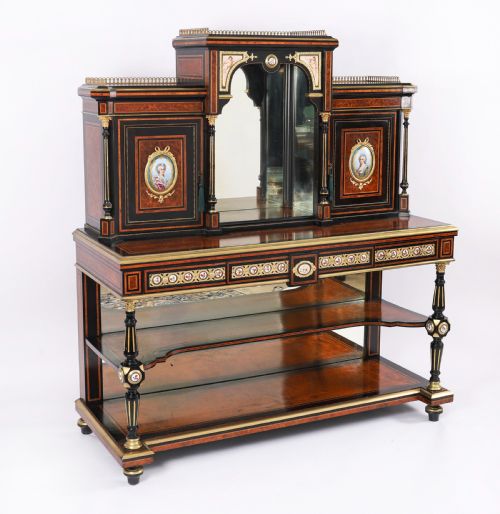


Edwardian Ebonised Cabinet
An Edwardian ebonised cabinet brings dark elegance and refined display to a room, offering glazed doors and contrasting stringing.
Edwardian Ebonised Cabinet
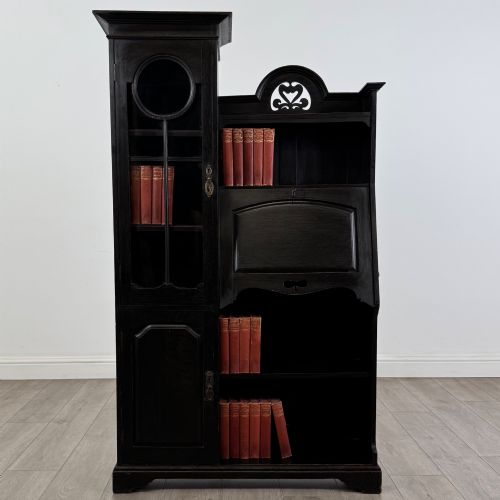
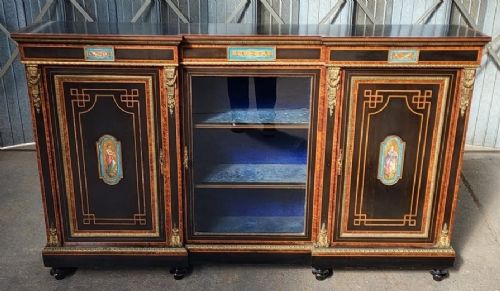
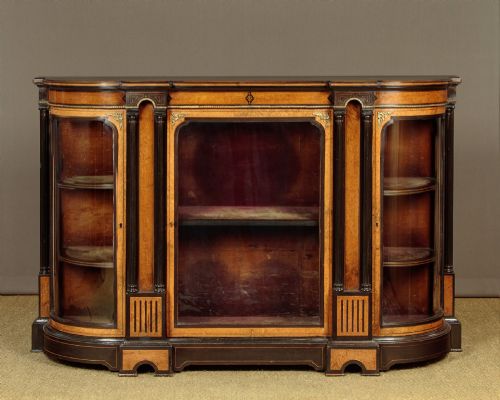
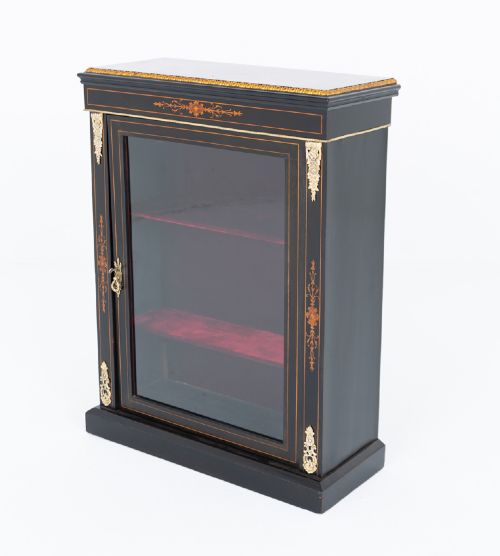
An edwardian ebonised cabinet is a refined piece of furniture designed for display or storage, featuring a dark, polished finish that mimics costly ebony. Buyers searching for an edwardian ebonised cabinet will encounter various forms, including glazed pier cabinets, music cabinets, and display cases.
The pieces on this page span the Victorian and Edwardian periods, stretching from the eighteen sixties through to nineteen ten. Styles range from classical revival influences to simpler Arts and Crafts designs, alongside related credenzas and bookcases.
Display cabinets and pier cabinets dominate the selection, often incorporating glass panels for showing off ceramics or ornaments. These dark wood pieces provide a striking silhouette against lighter walls, making them popular for both traditional and eclectic interiors.
Materials and Construction
Select pieces incorporate panels of burr walnut, amboyna, or porcelain plaques set directly into the woodwork for visual variety. Fine brass hinges, locks, and handles complete the construction of these refined storage items.
Listings feature pieces spanning the Victorian and Edwardian eras, utilising materials such as ebonised wood, burr walnut, glass, brass, and porcelain.
Assessing Quality
The depth and consistency of the ebonised finish set finer examples apart from simpler work, alongside the precision of the wood stringing and inlay. Superior pieces exhibit crisp joinery and well-fitted doors that close true without sagging.
The inclusion of decorative elements such as Sevres porcelain plaques, ormolu mounts, or finely figured burr walnut veneers elevates a piece. Original glass panes and intact brass hardware further distinguish better-preserved examples.
The Edwardian Ebonised Cabinet Glossary
- Ebonised wood
- Timber stained or painted to resemble genuine ebony. This dark finish gained popularity during the nineteenth century for its sleek appearance.
- Pier cabinet
- A tall, narrow cabinet designed to stand against a narrow pier of wall between windows. These pieces often feature glass doors for displaying ornaments.
- Ormolu
- Gilded bronze or brass mounts applied to furniture for decoration. It adds metallic contrast to dark wood surfaces.
- Credenza
- A low cabinet, often with glass-fronted doors and curved ends, originating in the Victorian period. They serve as formal display furniture.
- Stringing
- Thin lines of contrasting wood or light inlay set into the surface of a cabinet. It creates geometric borders and frames panels.
Edwardian Ebonised Cabinet: Frequently Asked Questions
Where should I place an ebonised cabinet?
These dark cabinets stand out best against lighter walls where their silhouette is clearly visible. They suit drawing rooms, dining spaces, or hallways as focal points for display.
Keep them away from direct sunlight to protect the polished surface and any interior fabrics from fading over time.
How do I clean the ebonised finish?
Dust the surfaces regularly with a soft, dry cloth to prevent dirt accumulation. Avoid harsh chemical polishes that can dull the polished black coating.
If the wood requires more attention, use a damp cloth followed immediately by a dry one, taking care around delicate brass mounts and glass.
Can I store books in these cabinets?
Many examples on this page are designed as display cabinets, pier cabinets, or open bookcases rather than heavy library storage. Check the depth of the shelves before loading them with heavy volumes.
Lighter books and decorative objects are better suited to glass-fronted display shelves to maintain the interior balance.
How do I date an ebonised cabinet?
Dating relies on observing construction methods, wood types, and decorative styles. Pieces from the eighteen sixties and seventies often feature heavy revival details, while Edwardian versions lean towards lighter frames.
Hardware styles and the presence of specific inlays or porcelain plaques also help narrow down the period of manufacture.