

Edwardian Drawers
Edwardian drawers bring useful storage and refined timber work to a room, ranging from compact bedside pieces to tall bedroom chests.
Edwardian Drawers
When you search for edwardian drawers, you encounter a selection of chests, cabinets, and tables primarily built around the turn of the twentieth century. These pieces reflect the domestic storage needs of the period, offering partitioned compartments for household items, correspondence, and clothing.
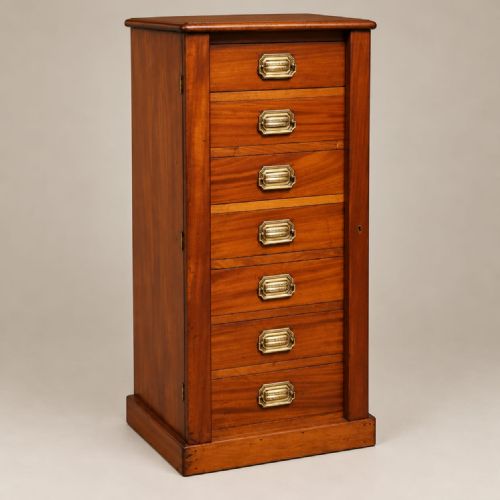
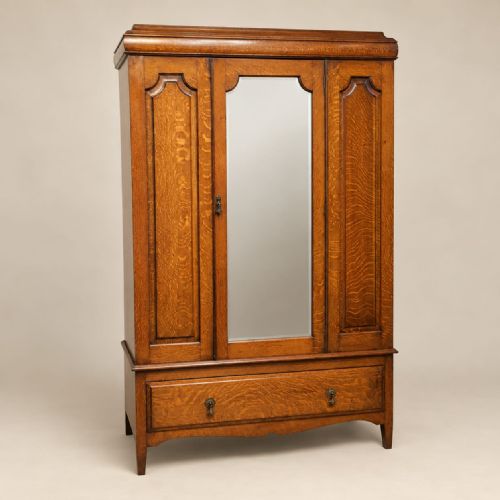
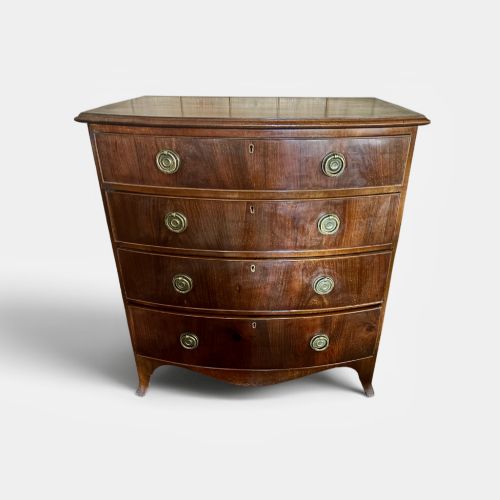
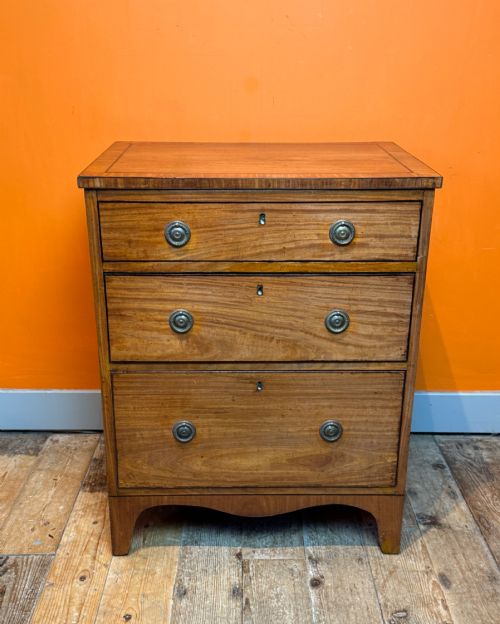
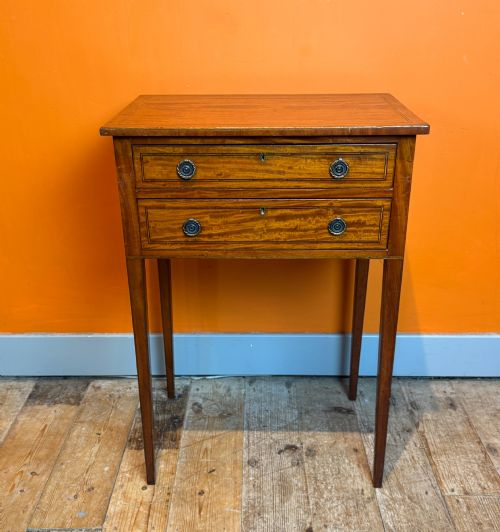
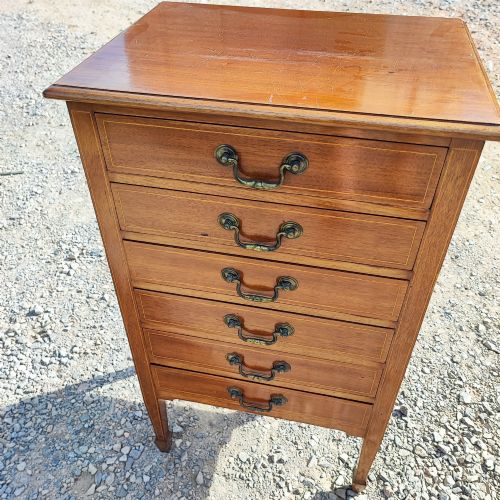
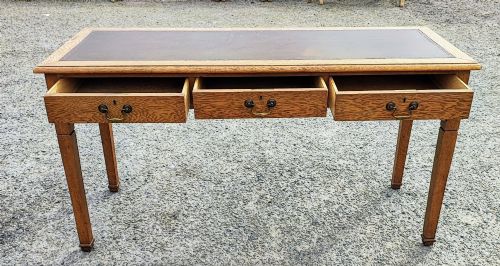
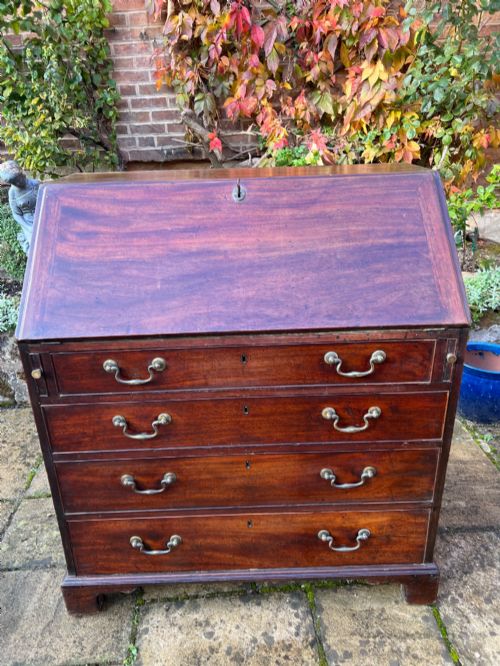
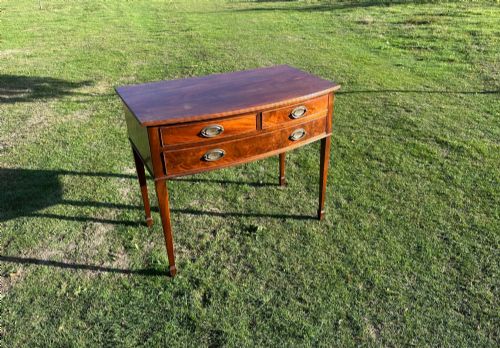
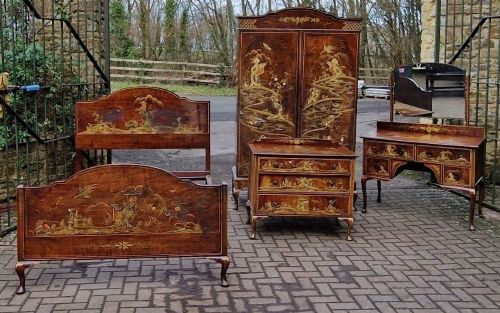
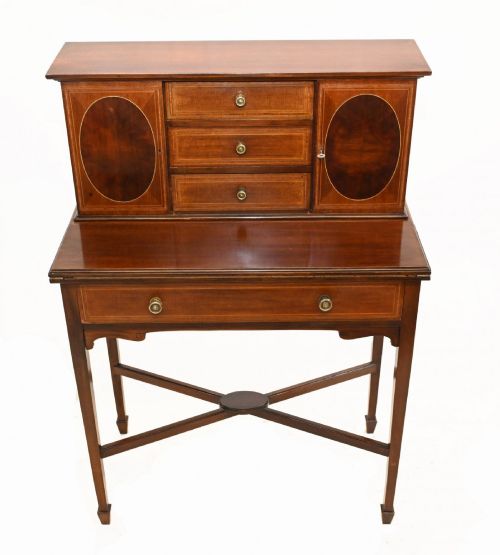
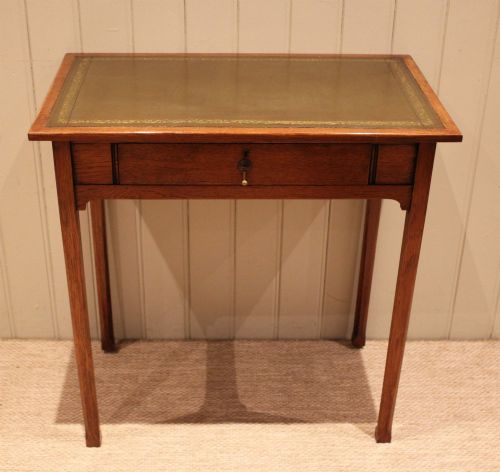
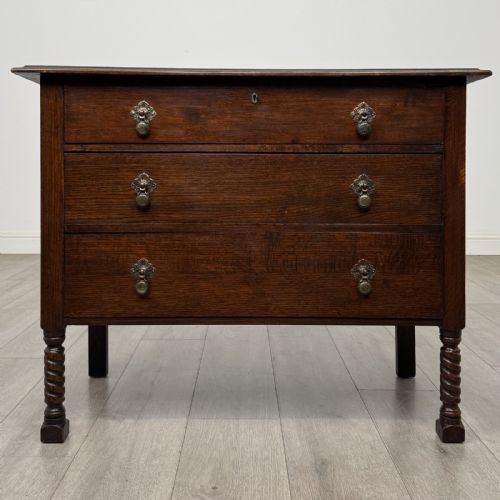
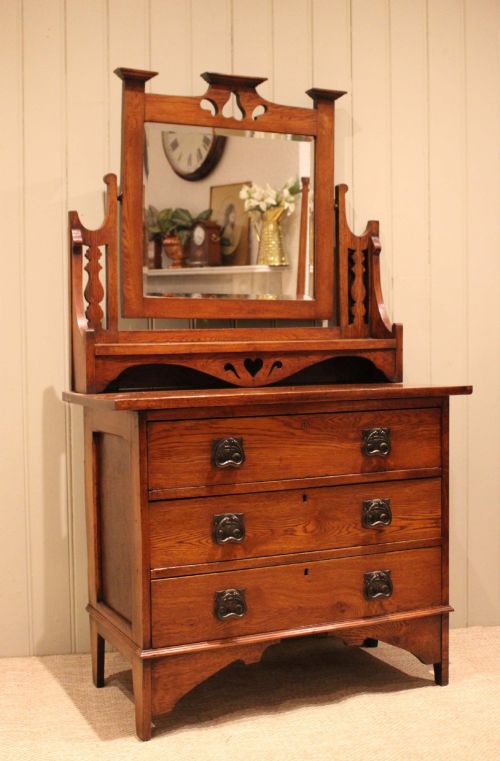
The most common forms on this page include mahogany and oak chests of drawers, often featuring raised galleries or inlaid timber surfaces. Alongside traditional bedroom chests, the listings contain specialised pieces such as music cabinets, writing tables with integrated drawers, and smaller side tables.
While the core of the selection spans the Edwardian era and the early twentieth century, related pieces from Victorian and Regency periods appear. Buyers also find utilitarian items like oak filing chests and fitted storage cabinets alongside domestic furniture.
How they were made
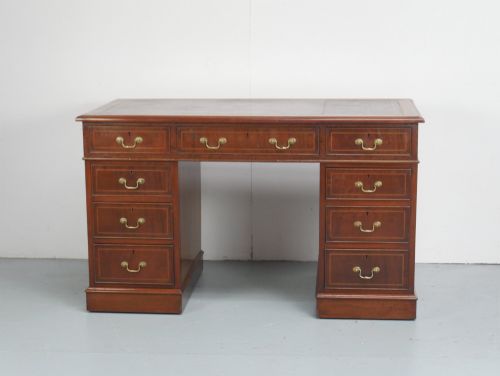
Makers of edwardian drawers relied heavily on mahogany, oak, and walnut, often selecting figured veneers and incorporating contrasting string inlay. Solid pine frequently served as a secondary timber for drawer linings and internal framing.
Metal hardware played a functional and decorative role, with brass handles and fittings appearing regularly on mahogany and campaign pieces. Glass panels feature in related cabinet pieces, while leather inserts distinguish writing tables and desks.
Edwardian Drawers Retail Price Guide 2026
Typical asking prices for edwardian drawers among the pieces listed under this phrase on Sellingantiques today, from the lower quarter to the upper quarter. They describe what is for sale here now, not the wider market.
The selection ranges from standard chests of drawers and bedside tables to music cabinets, filing chests, and writing desks.
What varies in quality
The standard of edwardian drawers depends significantly on the selection of timber and the precision of the cabinetwork. Superior examples display carefully matched grain patterns, tight dovetail joints, and well-executed inlay work that remains intact.
Hardware and secondary materials also distinguish the range. Original brass handles, clean interior drawer linings, and structural integrity across framing and feet separate standard utilitarian pieces from finer workshop productions.
Shapland & Petter
The Edwardian Drawers Glossary
- Gallery
- A low raised railing along the top back or sides of a cabinet, desk, or chest. This feature prevents items from sliding off the surface.
- Dovetail joint
- An interlocking corner joint formed by fan-shaped tenons and mortises. It provides exceptional tensile strength for drawer construction.
- Inlay
- The technique of embedding contrasting strips or pieces of wood into a surface to form decorative patterns. Mahogany pieces often utilise light wood stringing.
- Bow front
- A convex, curved front elevation typical of certain chests and cabinets. This shaping requires specialist woodworking skill to construct accurately.
- Drop front
- A hinged panel that folds down to reveal an interior workspace or storage compartments. It is commonly found on music cabinets and writing desks.
Edwardian Drawers: Frequently Asked Questions
What defines edwardian drawers?
Edwardian drawers are storage furniture pieces produced during the reign of Edward VII, typically characterised by lighter proportions than Victorian equivalents. They often incorporate mahogany or oak timbers with subtle inlay work and raised galleries.
These pieces were designed for domestic comfort, providing functional compartments for clothing, sheet music, and writing materials while fitting into more informally arranged rooms than earlier styles.
How do I identify an edwardian chest?
Look for timber choices like mahogany and golden oak, frequently ornamented with delicate string inlay or boxwood lines. Handles are typically brass drop handles or simple wooden knobs rather than the heavy brass plates seen on earlier furniture.
Proportions tend to be manageable, with many examples featuring raised galleries at the top surface or standing on bracket and slender turned feet.
How were these cabinets used?
Edwardian drawer units served various domestic functions, from bedroom clothes storage to specialised uses in the parlour or home office. Music cabinets held sheet music in drop-front drawers, while writing tables provided surface space alongside stationery storage.
Their varied forms allowed them to occupy different rooms of the house, adapting to changing social habits and the need for organised domestic spaces.
How do I care for antique timber drawers?
Keep wooden furniture away from direct heat sources and strong sunlight to prevent the timber from drying out and the veneer from lifting. Dust regularly with a dry cloth and apply occasional wax polish to maintain the finish.
Ensure drawers are not overloaded, and pull them evenly from the centre rather than one side to prevent binding and protect the internal runners.