
Edwardian Display Vitrine
An edwardian display vitrine brings together glass and fine timber to showcase collected curiosities with a distinct early twentieth-century elegance.
Edwardian Display Vitrine
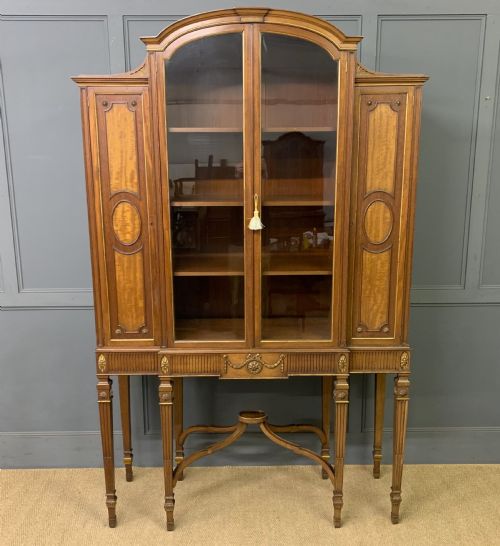
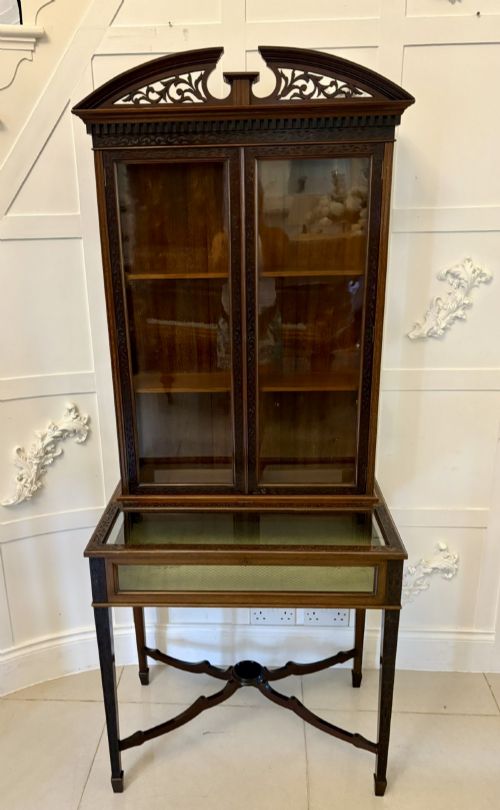
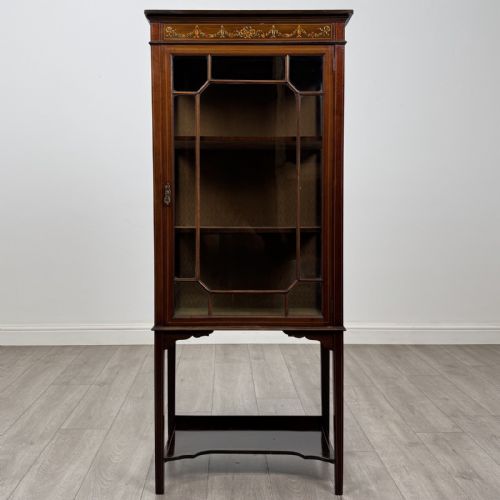
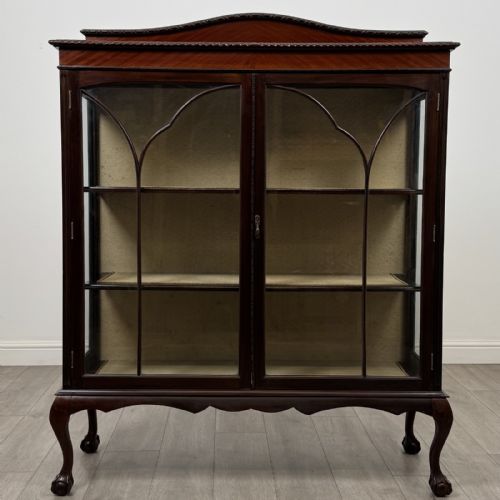
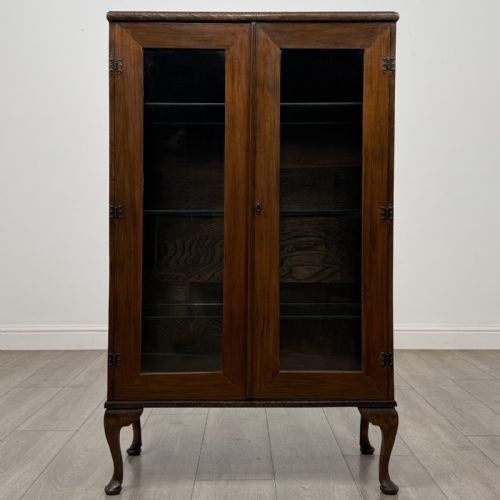
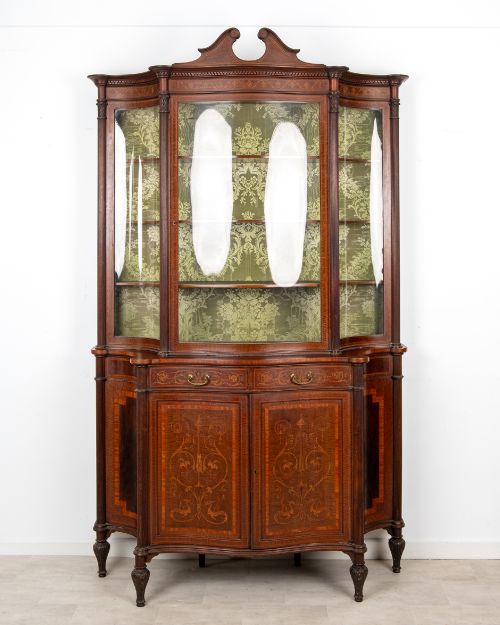
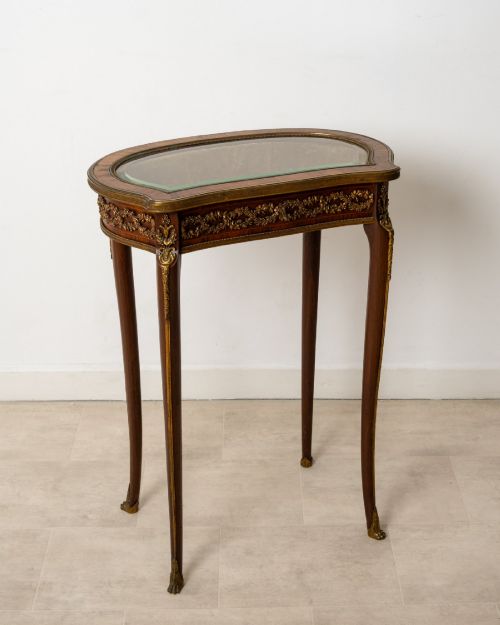
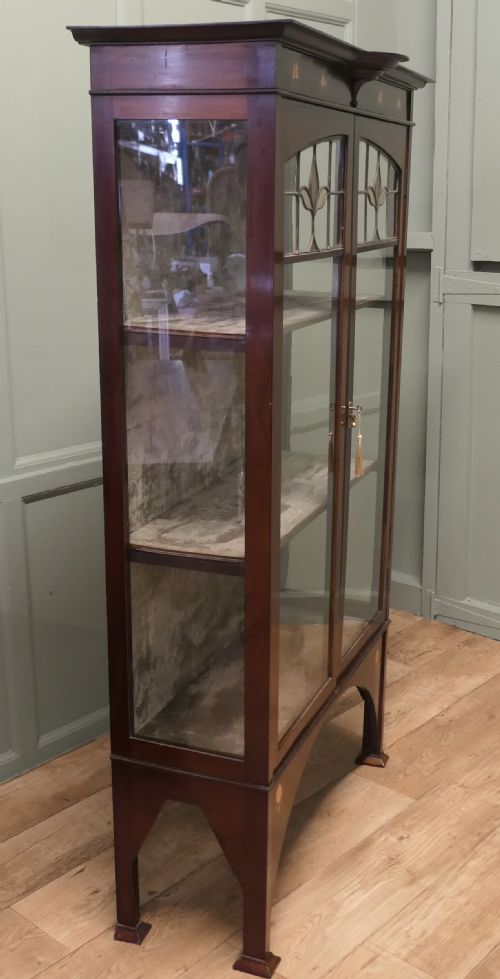
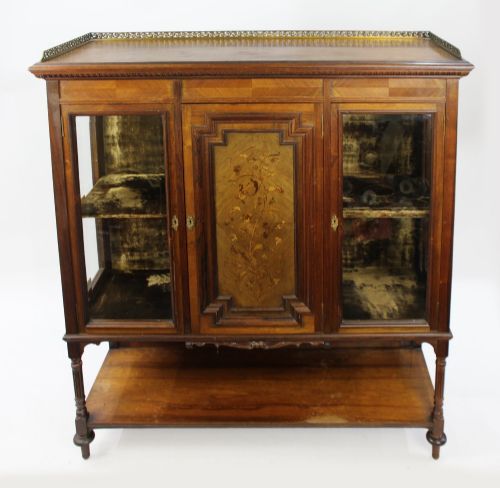
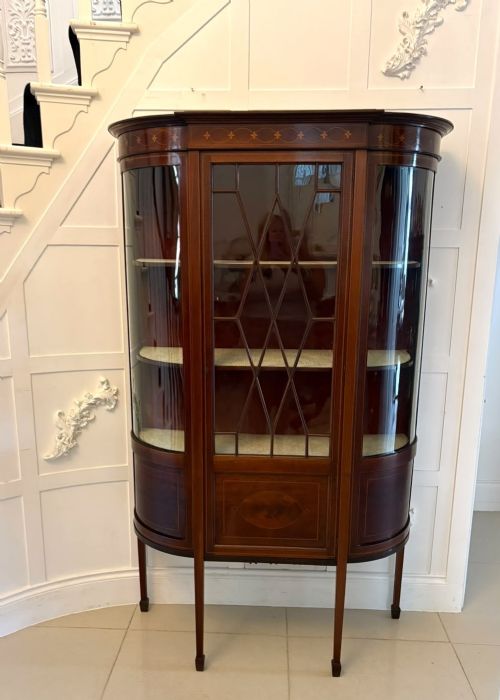
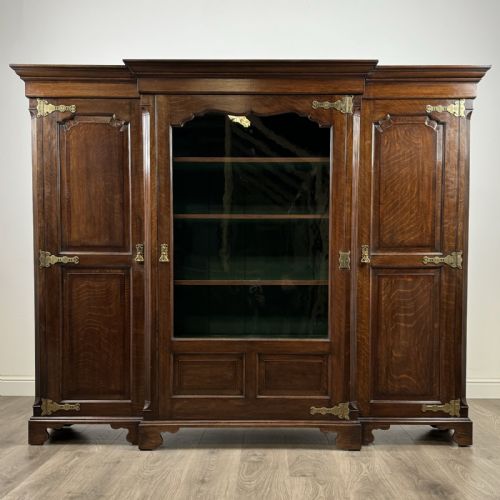
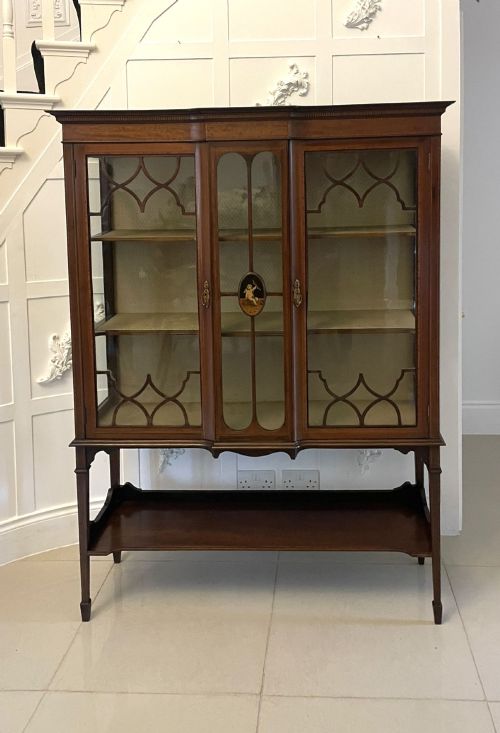
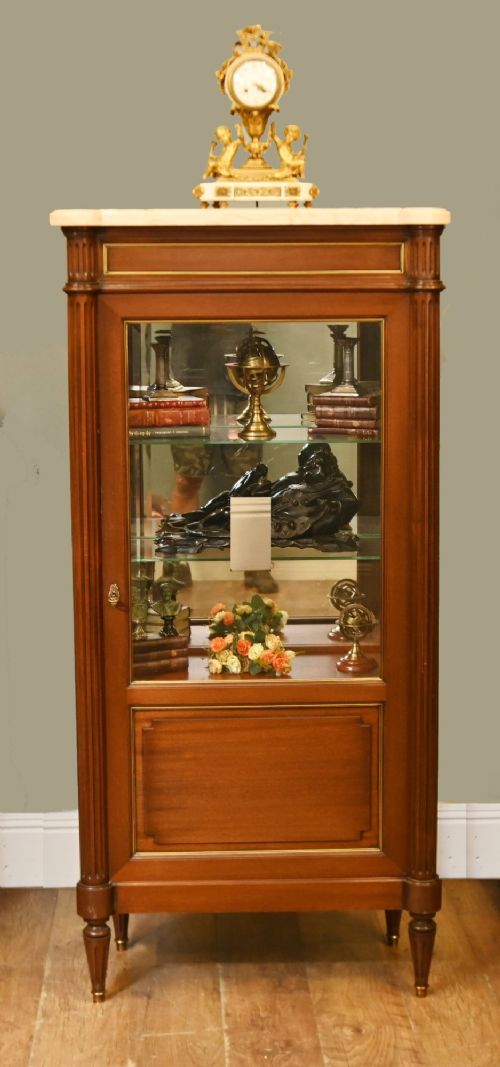
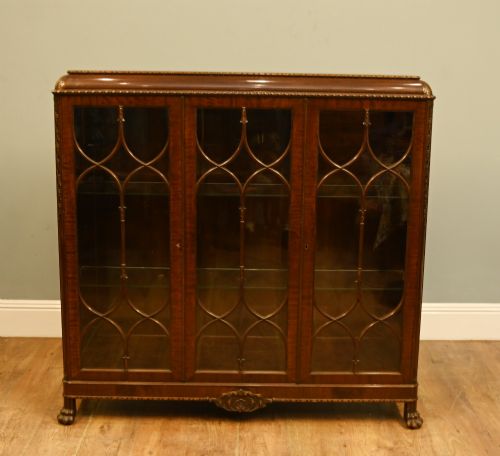
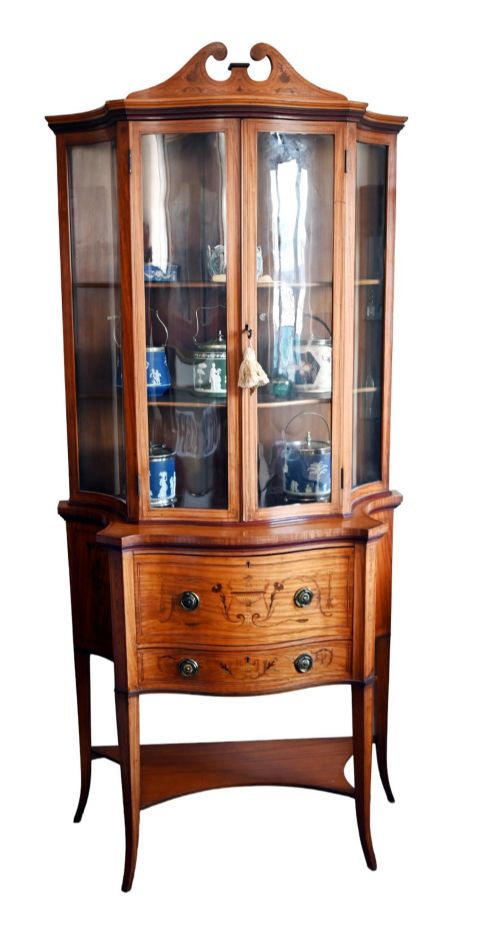
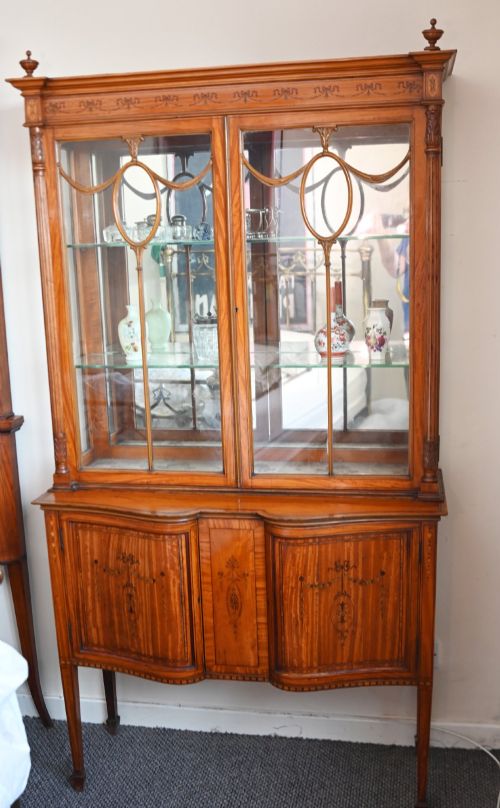
When you search for an edwardian display vitrine, you encounter tall upright cabinets, curved shop counters, and glass-topped bijouterie tables designed to protect small treasures. The selection ranges from straightforward mahogany glazed cupboards to satinwood pieces embellished with marquetry and intricate inlay work.
While the majority of pieces date from the Edwardian era and the late nineteenth century, stylistic revivals such as Sheraton, Queen Anne, and Art Nouveau heavily influence the craftsmanship. Makers utilised mahogany, walnut, and oak as structural timbers, frequently pairing them with lighter woods to create contrasting decorative panels.
Materials and Construction
Cabinet makers constructed the primary framework of an edwardian display vitrine using solid mahogany, oak, or walnut, often applying delicate satinwood veneers and contrasting stringing across the surface. Brass hardware, including hinges, locks, and handles, provides functional detail alongside glazed doors and mirrored interior backs.
Makers integrated painted decoration, porcelain plaques, and gilt-bronze mounts on select examples to elevate the visual refinement of the cabinet. Glazing techniques permitted maximum light penetration through the sides and doors, ensuring that objects placed within remain visible from multiple angles.
Listings feature mahogany, oak, and satinwood cabinets alongside specialised bijouterie tables from the Edwardian and late Victorian periods.
Craftsmanship and Proportion
The distinction between standard production and top-tier cabinet work rests in the precision of the marquetry inlay, the figuration of the timber grain, and the harmony of proportions. Superior examples often bear the stamp of notable cabinet makers, reflecting greater investment in hand-carved details and painted decoration.
Internal elements such as velvet-lined display shelves, bevelled glass panes, and original working locks with matching keys elevate a piece. Construction integrity is evident in the tightness of the timber joints and the smooth operation of doors and drawers.
Edwards & Roberts·Maple & Co·F. Sage & Co·Hampton & Sons·Shapland and Petter
The Edwardian Display Vitrine Glossary
- Vitrine
- A glass-fronted display cabinet used primarily for showcasing porcelain, curiosities, and fine objects. These cabinets often feature glazed sides to illuminate the interior thoroughly.
- Bijouterie table
- A glass-topped display table specifically designed for holding jewellery, medals, and small collectible items. They typically stand on slender legs and feature hinged or lifting glass lids.
- Marquetry
- Decorative patterns formed by fitting together thin veneers of various wood types, ivory, or shell onto a solid timber carcase. This technique defines the ornamentation of many Sheraton Revival pieces.
- Satinwood
- A lustrous, yellow-toned timber utilised extensively in late nineteenth and early twentieth-century furniture for contrasting crossbanding and detailed inlay work. It provides a bright surface that reflects ambient light.
- Serpentine
- A furniture front or table top shaped with a convex centre flanked by concave curves. This undulating profile requires skilled carpentry to execute cleanly across door frames and drawer fronts.
Edwardian Display Vitrine: Frequently Asked Questions
What is an edwardian display vitrine?
An edwardian display vitrine is a glazed cabinet manufactured during the early twentieth century or late Victorian period, intended for exhibiting porcelain and decorative objects.
These pieces rely on glass panels and polished timber frames to protect contents from dust while maintaining high visibility from all external angles.
How were these cabinets used?
Households utilised these cabinets in drawing rooms and reception spaces to exhibit family collections, imported ceramics, and curious travel souvenirs.
Table-style variants were placed centrally to display precious jewellery and small medals within easy reach of seated guests.
Where should I place a vitrine?
Vitrines suit well-lit corners or flat interior walls where ambient light can pass through the side and door glass to illuminate the interior shelves.
Placing them away from direct sunlight protects the timber finish and any internal fabric linings from fading over time.
How do I identify a revival style?
Revival styles draw heavily upon eighteenth-century motifs, featuring classical symmetry, satinwood inlay, and painted decoration reminiscent of the Sheraton or Adam aesthetics.
Examining the construction methods, secondary timbers, and lock types helps distinguish these Edwardian interpretations from genuine antique pieces of earlier centuries.