


Edwardian Display Cupboard
An Edwardian display cupboard is a glazed cabinet built to showcase prized possessions, combining timber frames with delicate glass panels for domestic elegance.
What they are
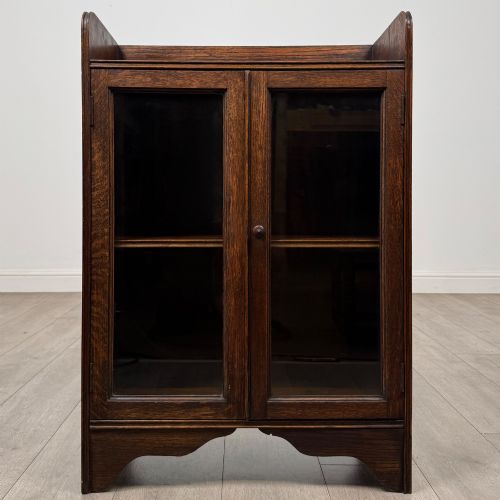
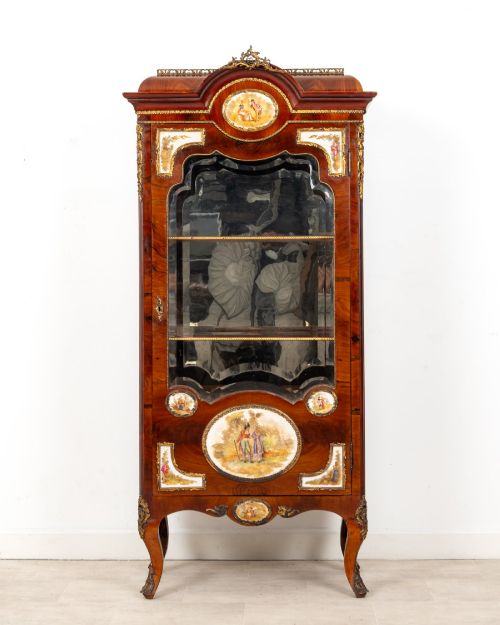
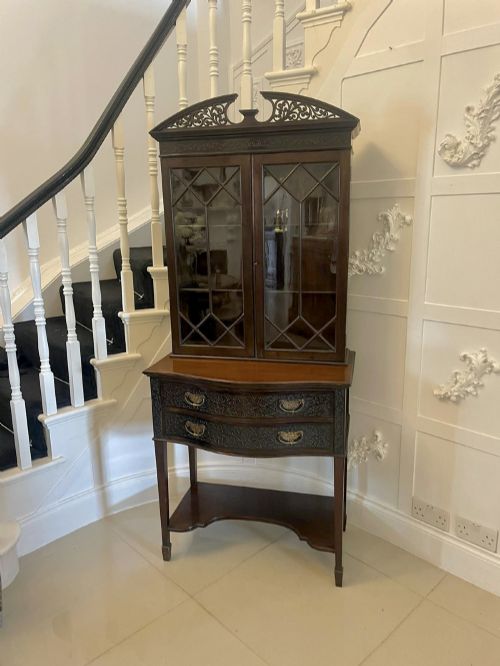
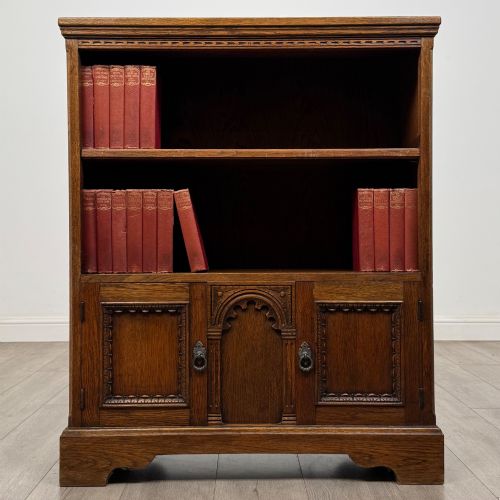
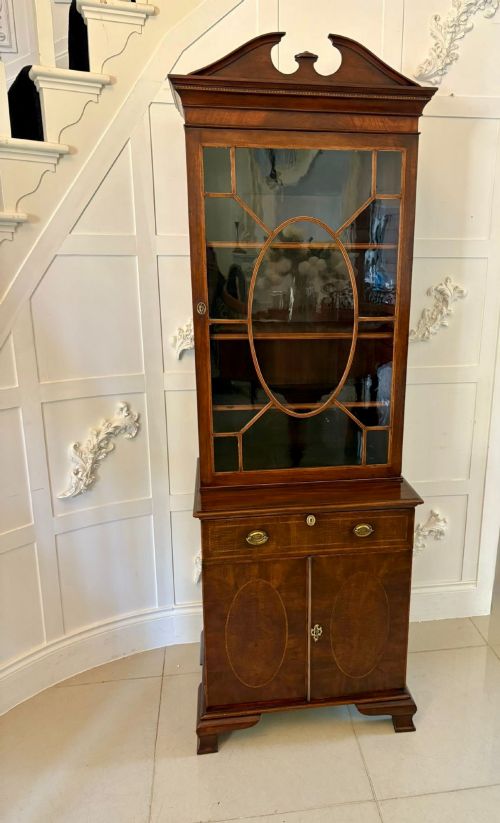
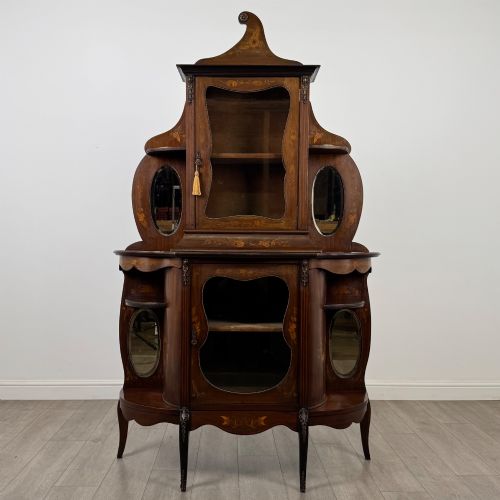
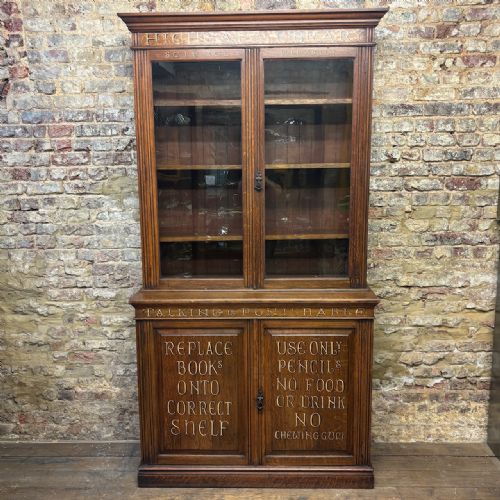
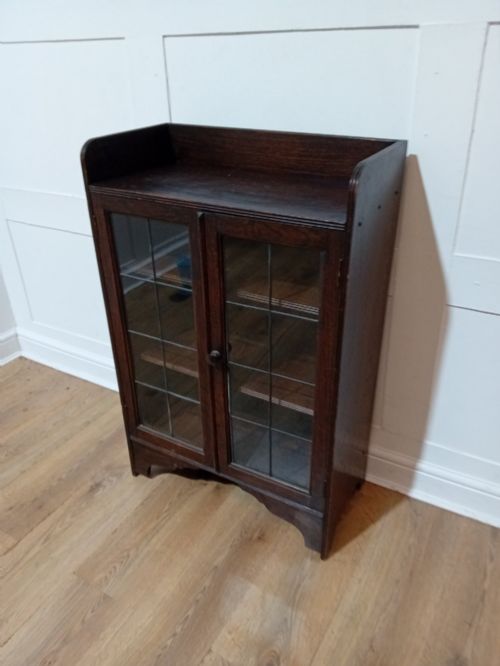
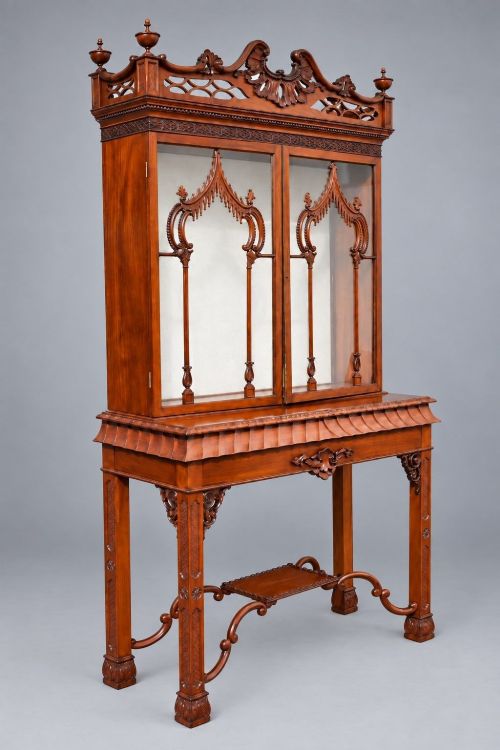
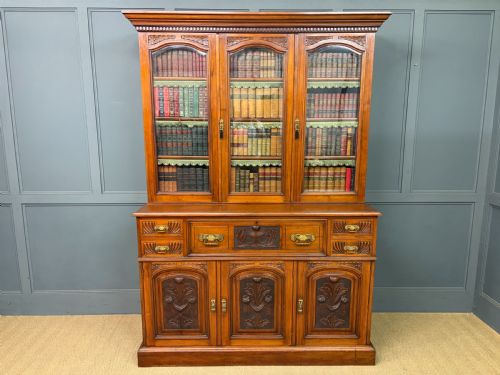
An Edwardian display cupboard brings refined timberwork and glass into domestic spaces to exhibit porcelain, books, and curiosities. These pieces span the early twentieth century, taking the form of freestanding cabinets, corner units, and bookcases with glazed doors.
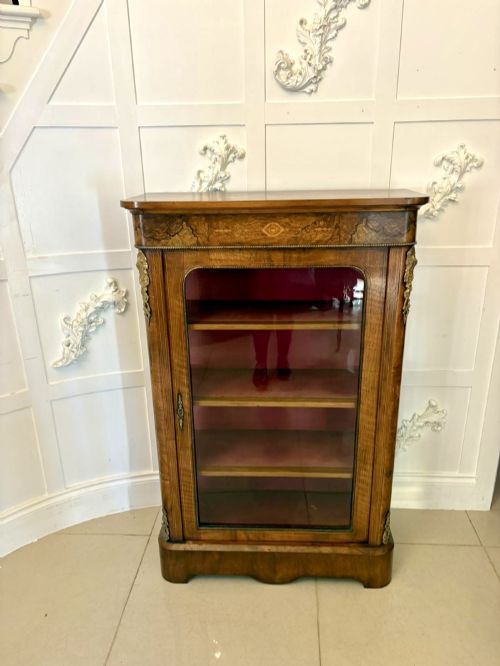
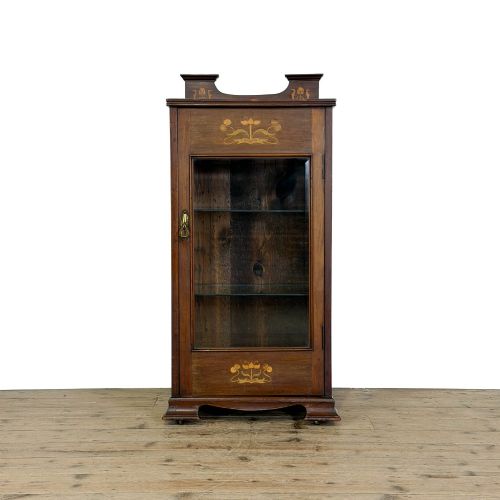
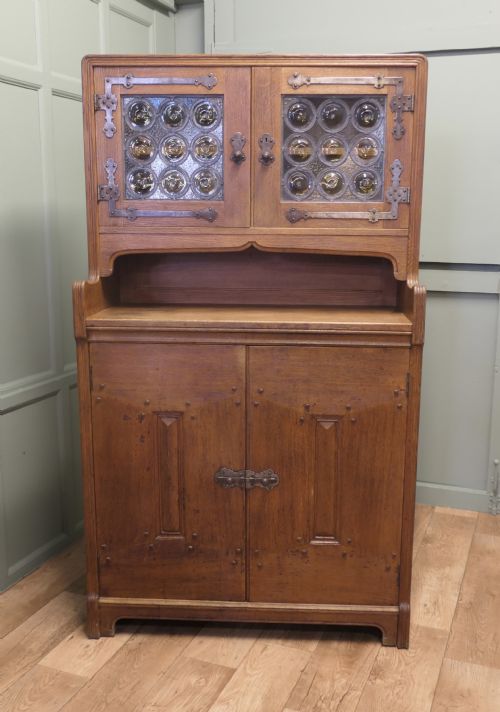
The versions most commonly found here are constructed in mahogany and walnut, frequently enriched with marquetry or satinwood inlay. Standing models range from single-door units to double-height combinations featuring enclosed cupboards beneath open or glazed upper sections.
How they were made
Cabinetmakers built these pieces using solid and veneered timbers such as mahogany and walnut, incorporating satinwood and detailed wood inlay for decorative contrast. Structural stability relied on traditional joinery techniques suited to housing extensive glass panels.
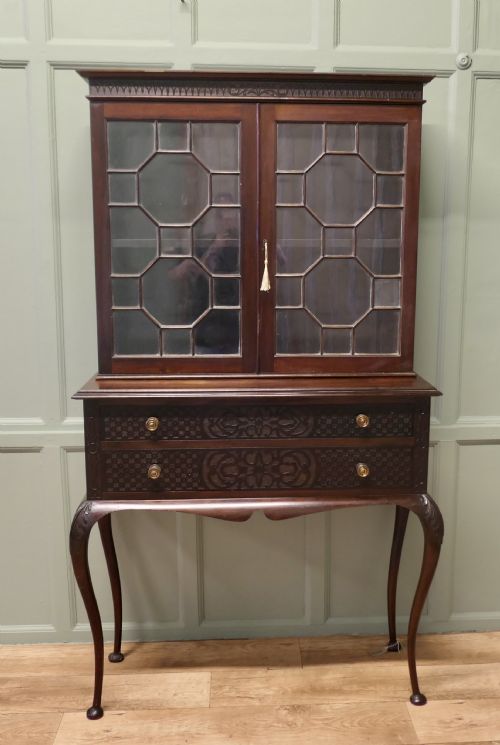
Glazing typically involved wooden framing bars, including astragal glazing bars arranged in geometric or curving patterns. Hardware such as brass fittings provided functional accents to doors and internal shelving.
Retail Price Guide 2026
Typical UK retail prices for edwardian display cupboard, calculated from the Sellingantiques database of over a million retail prices indexed since 2003. This retail price guide relies exclusively on Sellingantiques data; no external sources or auction records are used, so the figures do not describe the wider market.
Listings show these cupboards span the Edwardian era, predominantly utilising mahogany and walnut alongside glass, brass, and satinwood inlay.
What varies in quality
Quality reveals itself in the precision of the timber selection and the complexity of the inlay work, where finely executed floral marquetry distinguishes superior examples. The execution of delicate astragal glazing bars demonstrates the maker's skill in balancing structural support with visual lightness.
The Edwardian Display Cupboard Glossary
- Astragal glazing
- A network of slender wooden bars dividing glass panes within a door. These bars create geometric patterns that frame the contents of the cabinet.
- Marquetry
- Decorative woodwork where pieces of various coloured veneers are fitted together to form pictorial or floral motifs. This technique highlights the surface of the timber frame.
- Satinwood
- A lustrous hardwood utilised for contrasting inlay work and banding. Its pale golden tone stands out against darker primary timbers like mahogany.
- Corner cabinet
- A specialist form designed to fit snugly into a room junction. These units maximise floor space while offering display surfaces.
Frequently Asked Questions
What is an Edwardian display cupboard?
An Edwardian display cupboard is a glazed timber cabinet produced during the early twentieth century. It was designed to exhibit porcelain, glassware, and books while keeping them protected behind glass.
These pieces utilise timbers such as mahogany and walnut, frequently enhanced with marquetry or satinwood inlay. They appear in standard standing formats, narrow profiles, and corner configurations.
Where were corner cabinets placed?
Corner cabinets were positioned directly into the angles of rooms to utilise otherwise empty space. Their angled backs allowed them to sit flush against two intersecting walls.
This placement kept floor areas open while providing accessible height for display and storage. They served both dining rooms and drawing rooms for domestic display.
How do you identify Edwardian glazing?
Edwardian glazing frequently employs astragal bars to divide glass into smaller panes within doors. These thin wooden strips form straight grid patterns or curved lattice designs.
Many examples combine this glazed upper section with an enclosed wooden cupboard beneath. The glass permits visibility of the interior shelves while the timber base conceals bulkier items.
What woods are typical for these cupboards?
Mahogany and walnut form the primary timbers for these Edwardian pieces. Craftsmen selected them for their sturdy grain and warm tones.
Satinwood and diverse wood inlay appear alongside these main timbers to provide decorative contrast. Brass hardware frequently completes the construction of doors and fittings.